
Brothers and sisters in Christ, I am sure that many of you are left with questions and even disappointments after listening to the publication of the new Motu Proprio ‘Traditionis Custodes’ (Custodians of Tradition) by His Holiness Pope Francis on 16 July 2021 regarding the rules and regulations on the celebration of the Holy Mass in the Roman Rite using the 1962 Missal, also known as the Extraordinary Form of the Roman Rite or Usus Antiquior.
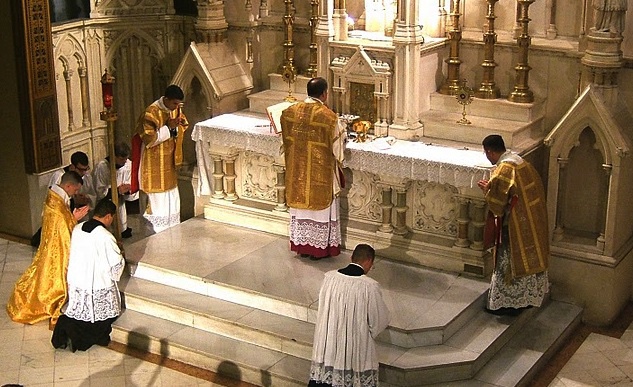
There are undoubtedly many different responses from all segments of the Church, from utter dismay and anger by those who felt betrayed and oppressed by the new stricter regulations, to those who are rejoicing and exuberant because they had long opposed and were vocal critics of the ancient Mass and tradition. Unfortunately, the nature of these responses is exactly why the release of this Motu Proprio is an opportunity for the entire Church to reflect carefully on what our faith and our authentic liturgical expression is all about.
First of all, Traditionis Custodes does not equate the banning or attempt to make the Extraordinary Form of the Roman Rite illegal, unlike what quite a few individuals and groups had been saying. Unsurprisingly, these are the same groups and individuals that had been the very reason why Traditionis Custodes had been promulgated and published in the first place. These are the clear minority among those who treasure faith and tradition, and yet, are the most vocal and radical in their viewpoints, which unfortunately led to the broad characterisation and prejudice against the entire communities of the faithful favourable to the Extraordinary Form and tradition as a whole.
On the other extreme, we also have those who will not stop at anything to ‘change’ the Church and its teachings, a relativistic attitude to conform to worldly preferences and desires, to change the Church teachings and ways to suit the comforts and conveniences of men. These are also usually the same ones who are most jubilant and happy at the imposition of strict regulations as stipulated in the Motu Proprio Traditionis Custodes. In any case, these people who represent extreme attitudes are incompatible with the Universal Church, and were the ones that caused divisions within our Church and the communities of the faithful.
As such, we have to first of all appreciate that the ultimate goal of Popes since the efforts of Pope St. John Paul II in liberalising the use of the Extraordinary Form through the Motu Proprio Ecclesia Dei in 1988 and Pope Benedict XVI with Summorum Pontificum in 2007, is to bring together all the faithful in one expression of faith through the liturgy, encompassing both the liturgical reforms of the Second Vatican Council while appreciating the riches of the tradition of the ancient liturgy, from which the Ordinary Form ultimately also stemmed from.
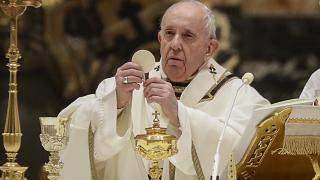
What the Popes intended is for all the faithful communities to benefit mutually from the best of each liturgies, the theology and the rich symbolism of the ancient Extraordinary Form, its adherence to the rubrics and emphasis on the Sacrificial nature of the Holy Mass, while also appreciating the beauty and outreach of the vernacular and the more widespread use of the Scriptures and its contents in the Ordinary Form, which remained faithful in all to the true essence of the Mass, that is the celebration of the Lord’s one and only Sacrifice at Calvary.
Unfortunately, there were those who continued to be stubborn and refused to acknowledge, respect or accept the reforms of the Second Vatican Council. Although indeed there were abuses and grave errors in how some interpreted the Council and how they took the liturgy to the extent of liturgical abuse, but it can’t be denied that the actions of those who refused to accept the decisions, documents and developments of the Second Vatican Council have led to division within the united Church, the Body of Christ, with some even insisting on more extreme ideologies, rejecting even the Pope and other teachings of the Church.
That is why as we continue moving on forward as one united Body of Christ, the Church, we must make sure that the provisions of the Motu Proprio Traditionis Custodes are adhered to and followed. We have to trust in the Lord and the Holy Spirit, that the bishops to whom the authority had been entrusted in the management of the celebration of the Holy Mass in the Extraordinary Form, will exercise prudence and sound judgment, charity and generosity in extending the permission to celebrate to all those who have been deemed suitable to celebrate with reverence, the Extraordinary Form of the Roman Rite, for the benefit of all the faithful.

We also pray that the Lord will continue to bring us to true unity, that we will no longer be divided by our ideologies, and especially not by our liturgical preferences. The Holy Mass is after all, the same, valid and worthy, regardless whether it is done in the Ordinary Form or in the Extraordinary Form. What is important is the need for us to be reverent in our celebration of the Holy Mass, to be inclusive in our worship and to put God first and foremost in all things, especially in our worship above all else. That is why we should neither discriminate or be prejudiced against either the Ordinary or Extraordinary Form, or to be lacking in proper reverence and respect of the Lord, as some of the worst liturgical abuses had done in the past decades.
Let us all look deep into our faith and the traditions that our forefathers had upheld, and together with the Pope, our bishops and priests, and as one Universal Church, be more united to the Lord through prayer, and resolve to commit ourselves to better and ever more perfect unity through Him, that we may benefit from the riches of both Forms of our most noble Roman Rite, and grow ever stronger in our faith, with each and every passing moment. Let us all grow ever stronger in charity and compassion towards others, and develop a most loving and inclusive community of the faithful, united in the Lord, in purpose and mission, in our love and reverence to the Lord.

Peter C.M. David Kang
康銘琮
Singapore
18 July 2021

 petercanisiusmichaeldavidkang