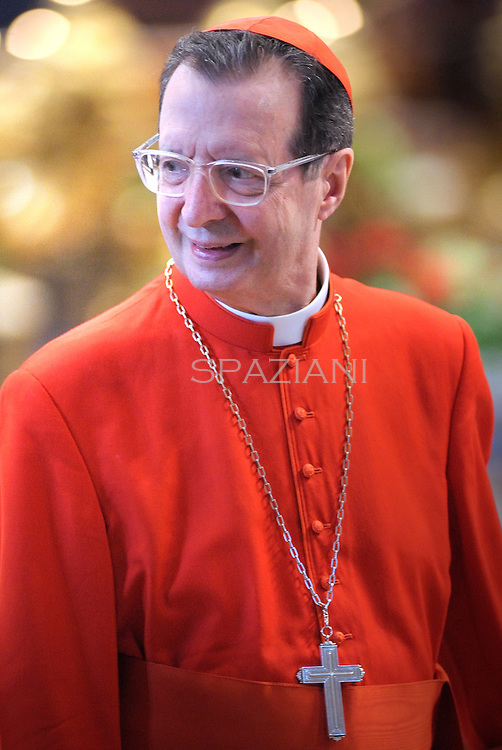
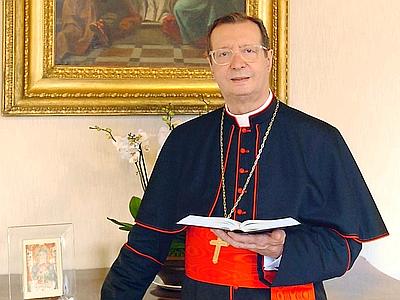
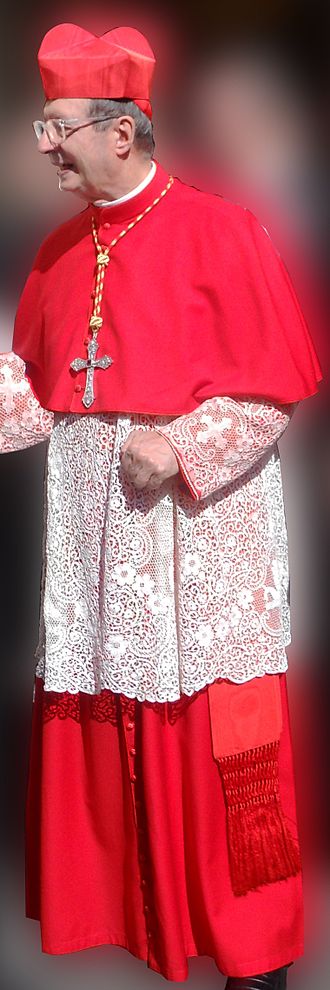
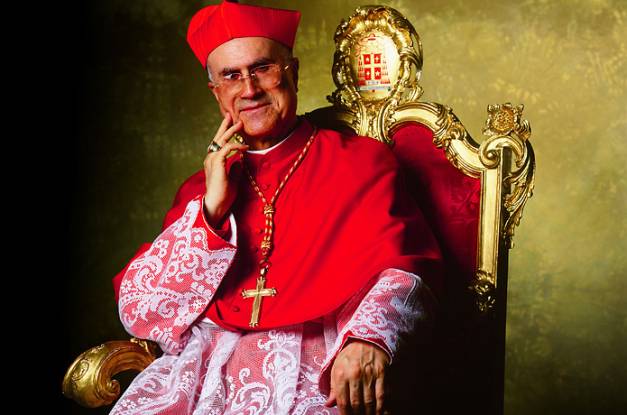
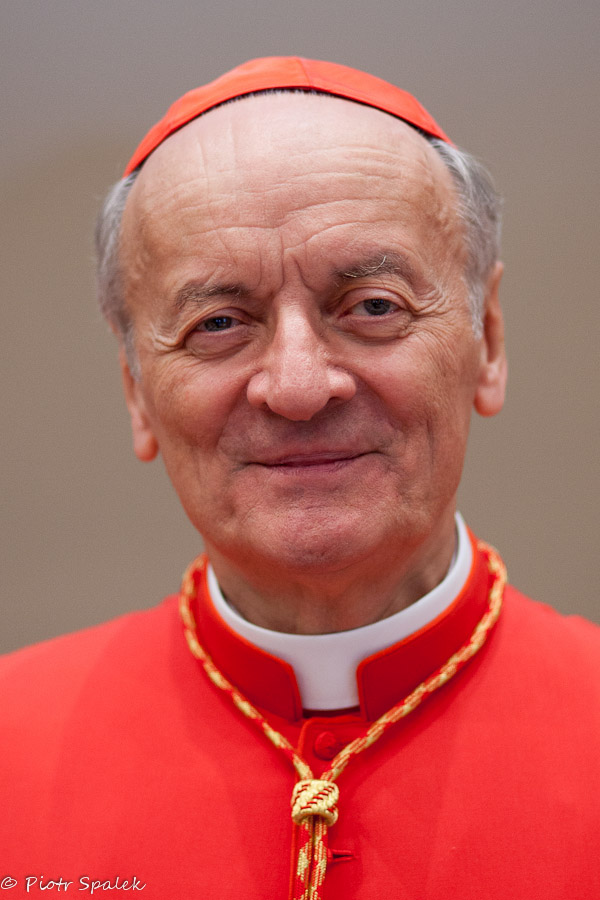
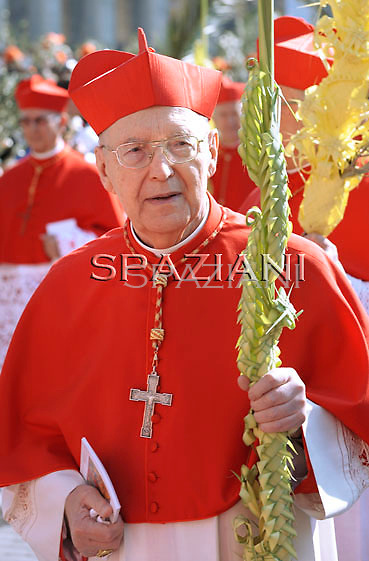
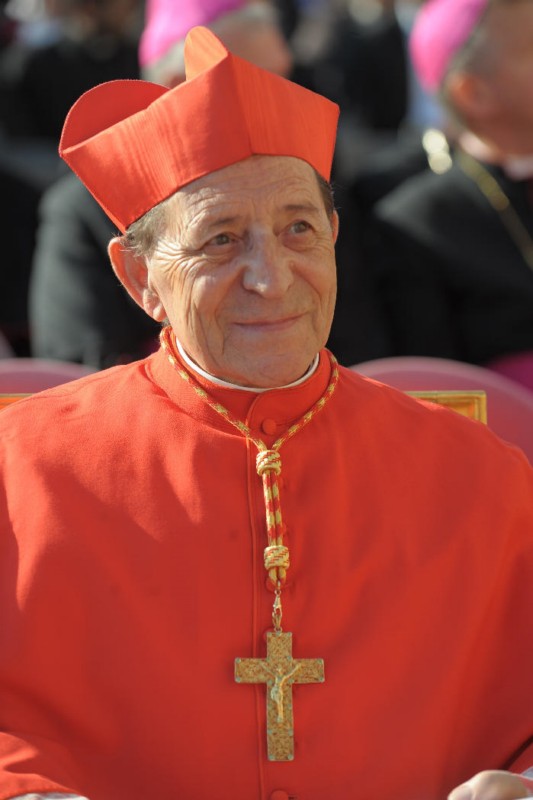
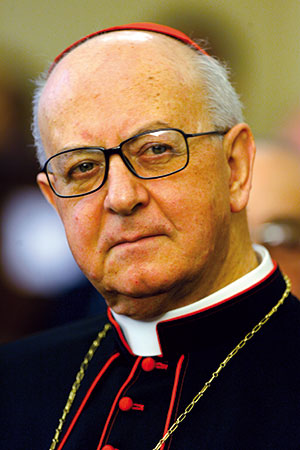
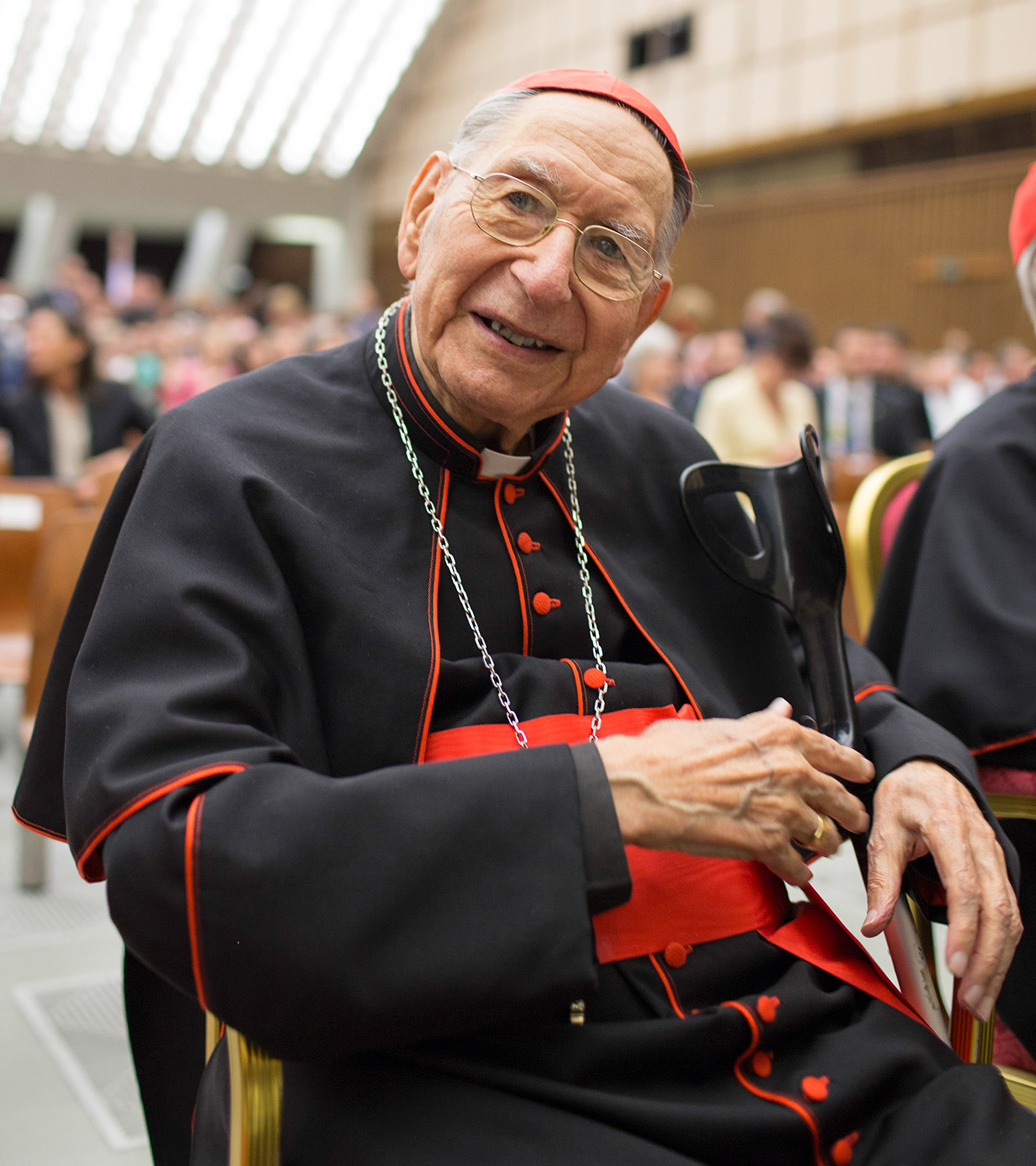
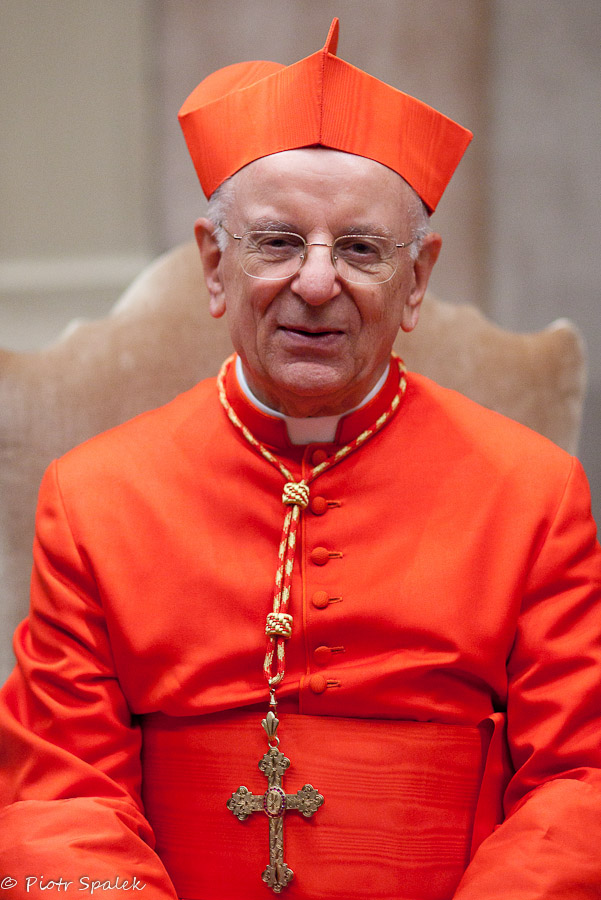
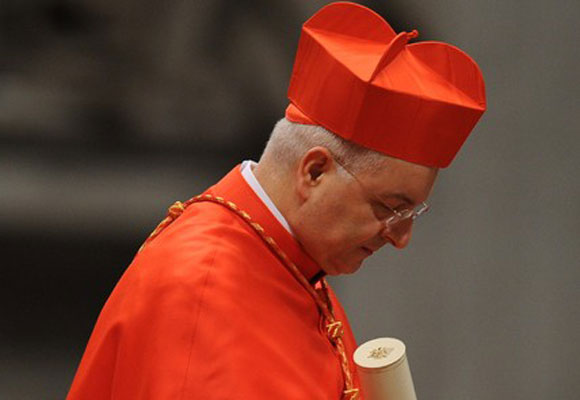
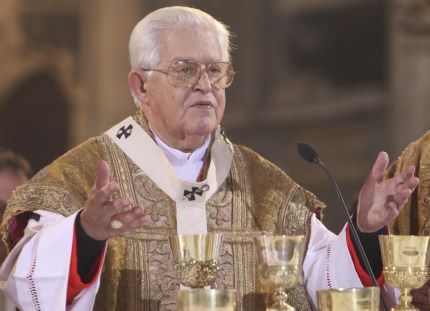
Cardinals Update : Cardinal Giovanni Lajolo, President Emeritus of the Governatorate of the Vatican City State and the President Emeritus of the Pontifical Commission for the Vatican City State (Italy), turned 80, ceases to be a Cardinal-elector

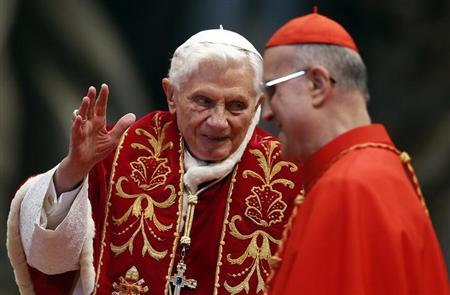
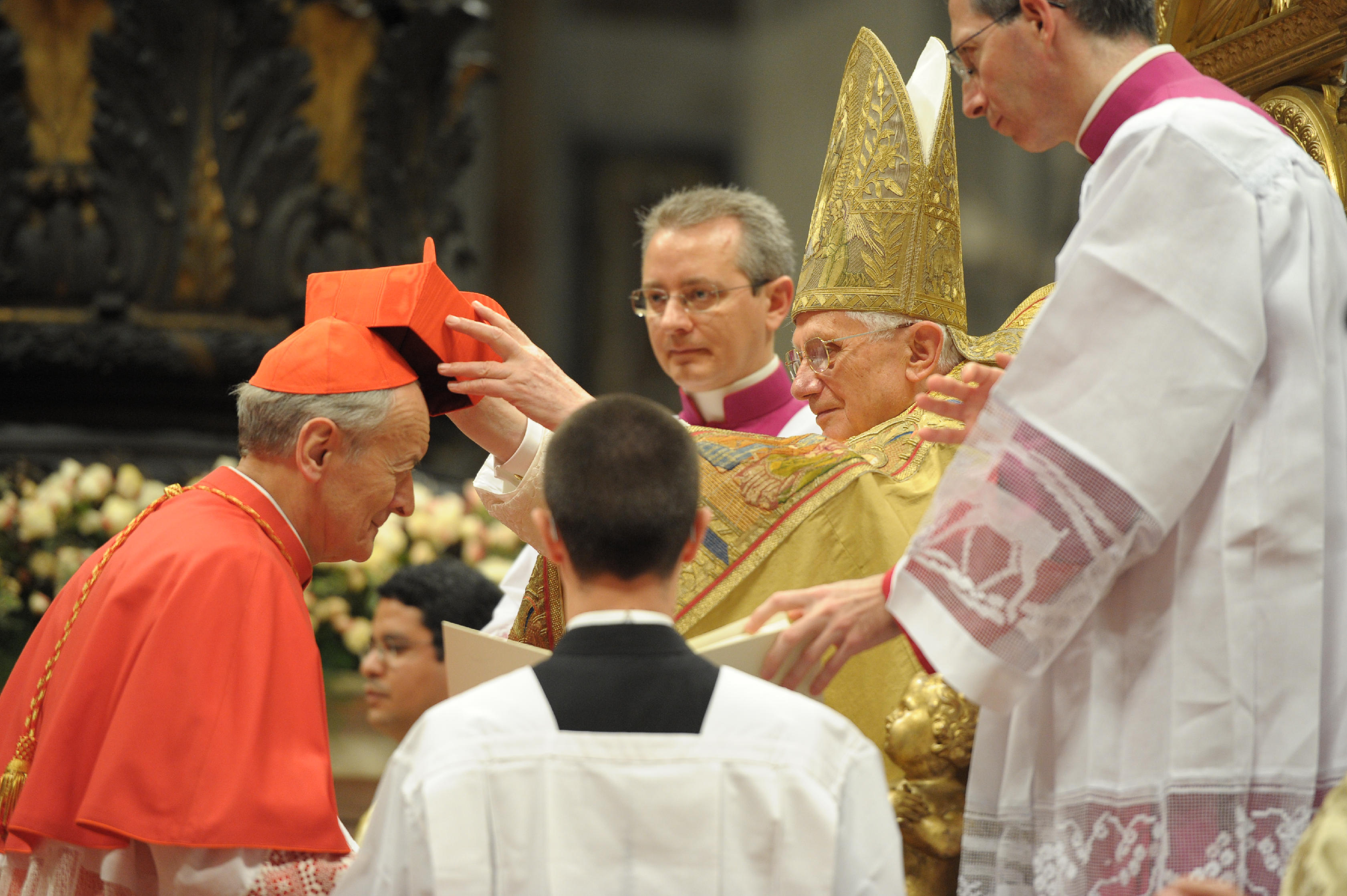
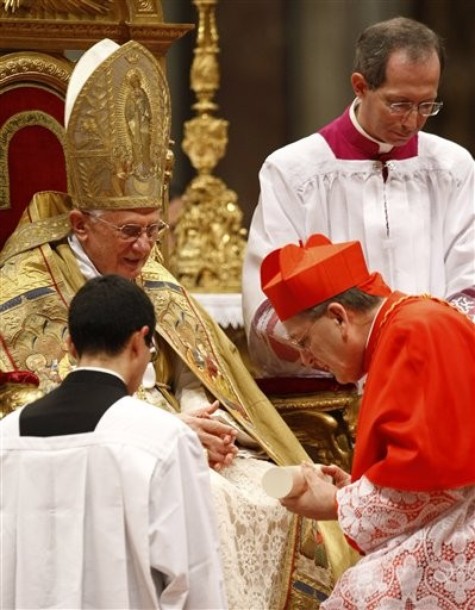
Cardinal Giovanni Lajolo,Pope Benedict XVI leads a solemn mass at St Peter's basilica to celebrate the feast of Saint Peter and Saint Paul

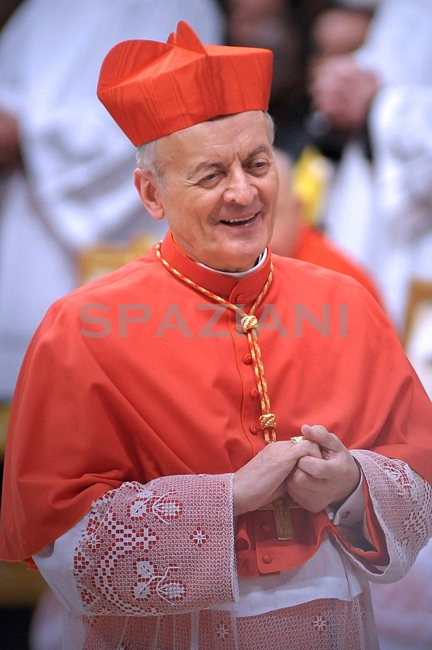
(Image of Cardinal Lajolo is courtesy of Spaziani)

On Saturday, 3 January 2015, Cardinal Giovanni Lajolo, Cardinal-Deacon of S. Maria Liberatrice a Monte Testaccio, President Emeritus of the Governatorate of the Vatican City State and the President Emeritus of the Pontifical Commission for the Vatican City State (Italy), turned 80, and therefore, according to the rules written in the Apostolic Constitution Universi Dominici Gregis, he lost his right to vote in any future conclave. Cardinal Darmaatmadja was born at Novara in Italy on 3 January 1935.

Cardinal Lajolo was made Cardinal-Deacon of S. Maria Liberatrice a Monte Testaccio by Pope Benedict XVI in the 2007 Consistory of Cardinals on 24 November 2007, the second Consistory of his pontificate. Cardinal Lajolo was made a Cardinal in honour of his position as the President of both the Governatorate of the Vatican City State and the Pontifical Commission for the Vatican City State. He was for a long time involved in the works of the Roman Curia and in the relations between the Church and the states.

lajolocardinale

http://www.gcatholic.org/hierarchy/data/cardB16-2.htm#664

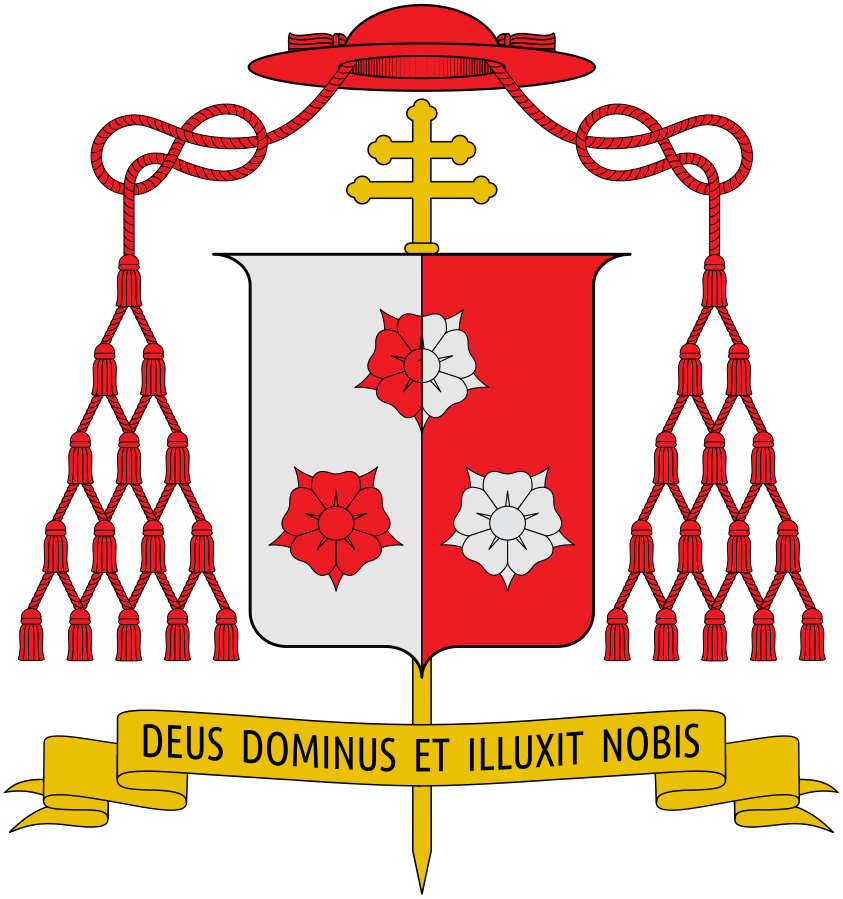
Coat_of_arms_of_Giovanni_Lajolo.svg


(Coat of arms of His Eminence Cardinal Giovanni Lajolo)

May God bless His Eminence Cardinal Lajolo with a blessed old age and health. May he remain strong in the faith and hopefully can perhaps still continue to work great graces and good works of love and peace just as he had once done in his long service to the Church, through his many contributions to the Church via the Roman Curia, helping to manage the extensive governance of the Church of God.

Giovanni_Cardinal_Lajolo

The College of Cardinals now stands at 208 members in total, with 110 Cardinal-electors and 98 Cardinal non-electors. There are now a vacancy of 10 Cardinal-electors as compared to the maximum number of electors allowed in the Conclave of 120.

Next Cardinal-elector to age out (80) will be Cardinal-Patriarch Antonios Naguib (Egypt), the Patriarch Emeritus of Alexandria of the Copts on 18 March 2015.

Cardinals Update : Cardinal Tarcisio Bertone, S.D.B., Cardinal Secretary of State Emeritus and Chamberlain of the Holy Roman Church of the Apostolic Camera (Italy), turned 80, ceases to be a Cardinal-elector

Image

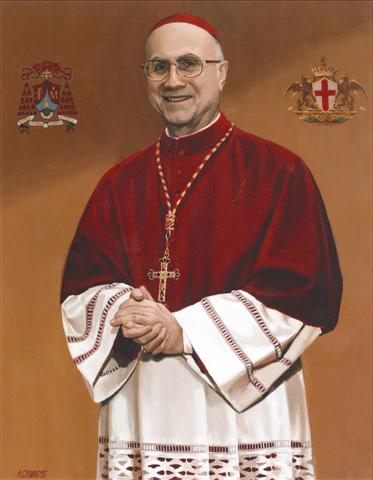
On Tuesday, 2 December 2014, Cardinal Tarcisio Pietro Evasio Bertone, S.D.B., Cardinal-Bishop of Frascati, Cardinal Secretary State Emeritus of the Secretariat of State and the Chamberlain of the Holy Roman Church of Apostolic Camera or the Cardinal Camerlengo (Italy), turned 80, and therefore, according to the rules written in the Apostolic Constitution Universi Dominici Gregis, he lost his right to vote in any future conclave. Cardinal Tarcisio Bertone was born in Romano Canavese, Italy on 2 December 1934.

Image

(Above is the coat of arms of Cardinal Tarcisio Bertone during the sede vacante of 2013)

Cardinal Bertone was made Cardinal-Priest of S. Maria Ausiliatrice in Via Tuscolana pro hac vice Title by Pope St. John Paul II in the 2003 Consistory of Cardinals on 21 October 2003, the ninth and last Consistory of his pontificate. Cardinal Bertone was made a Cardinal in honour of his position as the Metropolitan Archbishop of Genoa, a position which he held from 2002 to 2006. Before that, Cardinal Bertone was the Metropolitan Archbishop of Vercelli and also the Secretary of the Congregation for the Doctrine of the Faith, working closely with its Prefect, the then Cardinal Joseph Alois Ratzinger (later Pope Benedict XVI).

s1.reutersmedia.net

http://www.gcatholic.org/hierarchy/data/cardJP2-9.htm#20

Pope Benedict XVI appointed Cardinal Bertone as the Cardinal Secretary of State in 2006, and by virtue of that position as the Cardinal-Bishop of Frascati and also as the Cardinal Chamberlain or Camerlengo of the Church, the one to govern the Church during period of sede vacante, the latest of which was in 2013.

May God bless His Eminence Cardinal Bertone with a blessed old age and health. May he remain strong in the faith and hopefully can perhaps still continue to work great graces and good works of love and peace just as he had once done in his long service to the Church, particularly his contributions as a member of the Roman Curia as the Cardinal Secretary of State in helping the actions of the Holy See and the Pope.

bertone-Small

The College of Cardinals now stands at 209 members in total, with 112 Cardinal-electors and 97 Cardinal non-electors. There are now a vacancy of 8 Cardinal-electors as compared to the maximum number of electors allowed in the Conclave of 120.

Next Cardinal-elector to age out (80) will be Cardinal Julius Riyadi Darmaatmadja (Indonesia), the Metropolitan Archbishop Emeritus of Jakarta on 20 December 2014.

Cardinals Update : Cardinal Paul Josef Cordes, President Emeritus of Pontifical Council ‘Cor Unum’ (Germany), turned 80, ceases to be a Cardinal-elector

On Friday, 5 September 2014, Cardinal Paul Josef Cordes, Cardinal-Deacon of S. Lorenzo in Piscibus, President Emeritus of the Pontifical Council ‘Cor Unum’ (Germany), turned 80, and therefore, according to the rules written in the Apostolic Constitution Universi Dominici Gregis, he lost his right to vote in any future conclave. Cardinal Paul Josef Cordes was born in Kirchhundem, Germany on 5 September 1934.

Epiphany+Celebrated+Vatican+m6t7YZAy9Vjl

Cardinal Cordes was made Cardinal-Deacon of S. Maria Ausiliatrice in Via Tuscolana by Pope Benedict XVI in the 2007 Consistory of Cardinals on 24 November 2007, the second Consistory of his pontificate. Cardinal Cordes was made a Cardinal in honour of his position as the President of the Pontifical Council ‘Cor Unum’, the branch of the Roman Curia focused on the efforts of the Holy See in the field of human and Christian development, involved in various charitable acts and humanitarian relief efforts, a position he held from 1995 to 2010. Before that, Cardinal Cordes was the Secretary of the Pontifical Council for the Laity from 1980 to 1995, and before that, the Auxiliary Bishop of Paderborn (Germany), from 1975 to 1980.

220px-Paul-Josef_Cordes

http://www.gcatholic.org/hierarchy/data/cardB16-2.htm#707

May God bless His Eminence Cardinal Cordes with a blessed old age and health. May he remain strong in the faith and hopefully can perhaps still continue to work great graces and good works of love and peace just as he had once done in his long service to the Church, particularly his contributions as a member of the Roman Curia in helping the actions of the Holy See and the Pope.

Cordes-Lib-kl

The College of Cardinals now stands at 210 members in total, with 114 Cardinal-electors and 96 Cardinal non-electors. There are now a vacancy of 6 Cardinal-elector as compared to the maximum number of electors allowed in the Conclave of 120.

Next Cardinal-elector to age out (80) will be Cardinal Franc Rode, C.M. (Slovenia), the Prefect Emeritus of the Congregation for Institutes of Consecrated Life and for Societies of Apostolic Life on 23 September 2014.

Cardinals Update : Cardinal Paolo Sardi, Patron of the Sovereign Military Hospitaller Order of St. John of Jerusalem of Rhodes and of Malta (Italy), turned 80, ceases to be a Cardinal-elector

On Monday, 1 September 2014, Cardinal Paolo Sardi, Cardinal-Deacon of S. Maria Ausiliatrice in Via Tuscolana, Cardinal-Patron of  the Sovereign Military Hospitaller Order of St. John of Jerusalem of Rhodes and of Malta (Italy), turned 80, and therefore, according to the rules written in the Apostolic Constitution Universi Dominici Gregis, he lost his right to vote in any future conclave.

_MG_3898

Cardinal Paolo Sardi was made Cardinal-Deacon of S. Maria Ausiliatrice in Via Tuscolana by Pope Benedict XVI in the 2010 Consistory of Cardinals on 20 November 2010, the third Consistory of his pontificate. Cardinal Sardi was made a Cardinal in honour of his position as the Patron of  the Sovereign Military Hospitaller Order of St. John of Jerusalem of Rhodes and of Malta, also known as the Sovereign Military Order of Malta, one of the most prominent and important charity and public action arm of the Church, the direct and current successor of the Knights Hospitallers established during the era of the Crusades, a position which he held from 2009 to the present day.

02382_20112010

http://www.gcatholic.org/hierarchy/data/cardB16-3.htm#1368

May God bless His Eminence Cardinal Sardi with a blessed old age and health. May he remain strong in the faith and hopefully can perhaps still continue to work great graces and good works of love and peace as he continues to minister to the people of God through his patronage of the Sovereign Military Order of Malta. We also pray for the success of the actions and the charities of this faithful order of the Church.

cardinale_PAOLO_SARDI

The College of Cardinals now stands at 210 members in total, with 115 Cardinal-electors and 95 Cardinal non-electors. There are now a vacancy of 5 Cardinal-elector as compared to the maximum number of electors allowed in the Conclave of 120.

Next Cardinal-elector to age out (80) will be Cardinal Paul Josef Cordes (Germany), the President Emeritus of the Pontifical Council ‘Cor Unum’ on 5 September 2014.

Changes in the College of Cardinals, Promotion pro hac vice Title and other promotions of the 2003 Consistory Cardinal Deacons

As of Thursday, 12 June 2014, the composition of the College of Cardinals has changed, with most of the Cardinal Deacons appointed in the 2003 Consistory by Pope St. John Paul II exercised their right to be promoted to Cardinal Priests, 5 with the same title (pro hac vice Title – meaning the Deaconries they are holding at the moment is considered to be a ‘Title’ that is corresponding to their Cardinal Priest status but only for the duration of their Cardinalate – they will revert to deaconries upon their deaths), 1 is given a new Cardinal church (S. Dorotea) and 1 remains for the moment as Cardinal Deacon (Cardinal Martino) who is now the new Protodeacon of the College of Cardinals.

There are now 213 Cardinals, which consists of 118 Cardinal-electors and 95 Cardinal non-electors (above age of 80).

There are now 9 Cardinal Bishops (including Eastern Catholic Cardinal-Patriarchs), 165 Cardinal Priests and 39 Cardinal Deacons in the College of Cardinals.

There are at the moment 0 vacant Suburbicarian See (Cardinal Bishoprics), 3 vacant Cardinal Titles (for Cardinal Priests, out of a total of 147), and 8 vacant Cardinal Deaconries (out of a total of 69).

Here are the summary of the changes :

cardinal-Tauran

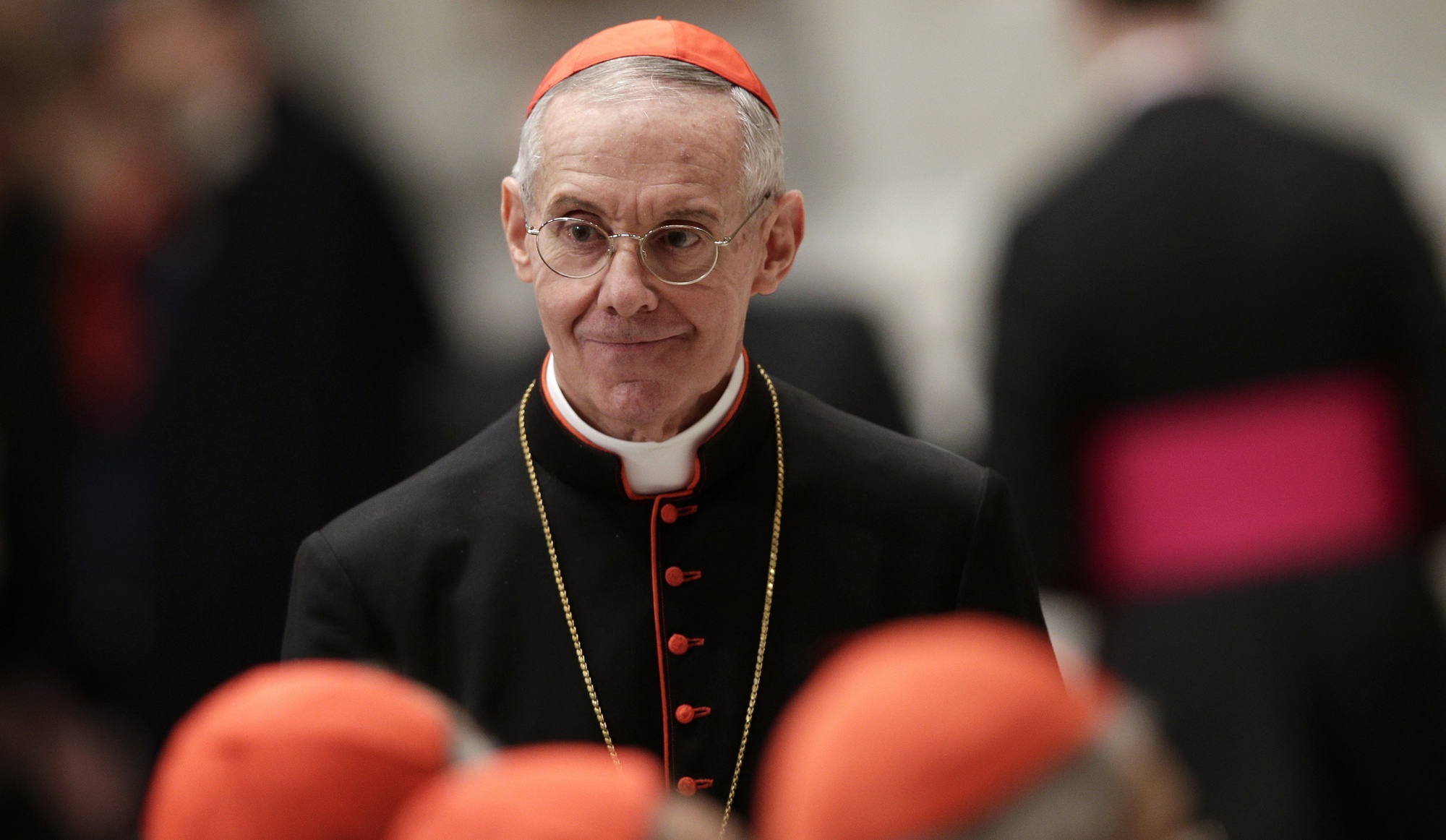
1. Cardinal Jean-Louis Tauran, Cardinal Deacon of S. Apollinare alle Terme Neroniane-Alessandrine, the former Protodeacon of the College of Cardinals is promoted to Cardinal Priest of S. Apollinare alle Terme Neroniane-Alessandrine pro hac vice Title.

56041_article-2289485-187F448C000005DC-316_634x449

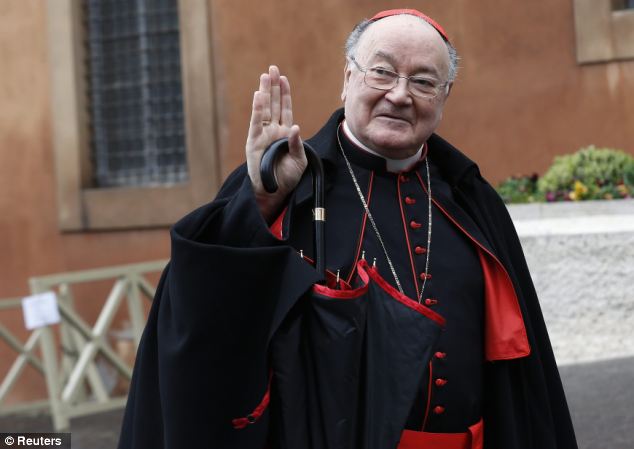
2. Cardinal Renato Raffaele Martino, Cardinal Deacon of S. Francesco di Paola ai Monti remains as such for the moment and is the new Protodeacon of the College of Cardinals, and the one to announce the name and title of the new Pope if one is elected during his time as Protodeacon.

Pope Benedict XVI leads the Palm Sunday mass in Saint Peter's Square at the Vatican.April 17 2011.

3. Cardinal Francesco Marchisano, Cardinal Deacon of S. Lucia del Gonfalone is promoted to Cardinal Priest of S. Lucia del Gonfalone pro hac vice Title.

julic3a1n_herranz_casado1

4. Cardinal Julian Herranz Casado, Cardinal Deacon of S. Eugenio is promoted to Cardinal Priest of S. Eugenio pro hac vice Title.

Javier Lozano Barragan

5. Cardinal Javier Lozano Barragan, Cardinal Deacon of S. Michele Arcangelo is promoted to Cardinal Priest of S. Dorotea (new titular church of the Diocese of Rome). Cardinal Deaconry church of S. Michele Arcangelo is now vacant.

112-06-07-011

6. Cardinal Attilio Nicora, Cardinal Deacon of S. Filippo Neri in Eurosia is promoted to Cardinal Priest of S. Filippo Neri in Eurosia pro hac vice Title.

Cardinal_Cottier

7. Cardinal Georges-Marie-Martin Cottier, O.P., Cardinal Deacon of Ss. Domenico e Sisto is promoted to Cardinal Priest of Ss. Domenico e Sisto pro hac vice Title.

Note : Cardinal Deacons are allowed to request promotion to Cardinal Priest rank after they have been in the position for at least 10 years from the date of their appointment (in this case – 21 October 2003)

Let us pray for them, and also for all the other Cardinals in their ministries and hard works of maintaining, expanding and steering the Church of God!

Cardinal Francesco Monterisi (Italy), Cardinal-Archpriest Emeritus of Papal Basilica of St.Paul Outside-the-Walls turned 80, ceases to be a Cardinal-elector

On Wednesday, 28 May 2014, Cardinal Francesco Monterisi, Cardinal Deacon of S. Paolo alla Regola, Cardinal-Archpriest Emeritus of Papal Basilica of St.Paul Outside-the-Walls (Italy), turned 80, and therefore, according to the rules written in the Apostolic Constitution Universi Dominici Gregis, he lost his right to vote in any future conclave.

_MG_4038

Cardinal Francesco Monterisi was made Cardinal-Deacon of S. Paolo alla Regola by Pope Benedict XVI in the 2010 Consistory of Cardinals on 20 November 2010, the third Consistory of his pontificate. Cardinal Monterisi was made a Cardinal in honour of his position as the Archpriest of one of the four Papal Major Basilica, that is the Papal Basilica of St. Paul Outside-the-Walls, which he held since 2009 to 2012 until his retirement from active Church service.

Raymond Leo Burke

http://www.gcatholic.org/hierarchy/data/cardB16-3.htm#675%5B/embed%5D

May God bless His Eminence Cardinal Monterisi with a blessed old age and health. May he remain strong in the faith and hopefully can perhaps still continue to work great graces and good works of love and peace even after he has been retired to the people as the helper of the Vicar of Christ our Pope, as he continues to minister to the people of God.

Francesco_Monterisi1

The College of Cardinals now stands at 215 members in total, with 118 Cardinal-electors and 97 Cardinal non-electors. There are now a vacancy of 2 Cardinal-elector as compared to the maximum number of electors allowed in the Conclave of 120.

Next Cardinal-elector to age out (80) will be Cardinal Claudio Hummes, the Metropolitan Archbishop Emeritus of Sao Paulo (Brazil), on 8 August 2014.

Passing of Cardinal Jose da Cruz Policarpo, Cardinal-Patriarch Emeritus of Lisbon (Portugal) at the age of 78

DD9B0A3106578D44E636FEF07CC_h311_w430_m2_q80_cIjxMfjXk

Cardinal Jose da Cruz Policarpo, Cardinal-Priest of S. Antonio in Campo Marzio has passed away on Wednesday, 12 March 2014 at the age of 78. He was the Patriarch of Lisbon and therefore the Primate of Portugal, from 1998 to 2013, and was recently retired from his position.

http://www.gcatholic.org/hierarchy/data/cardJP2-8.htm#126

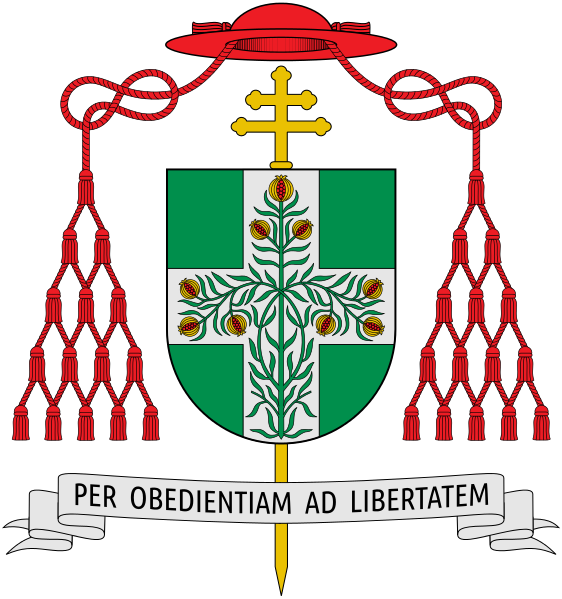
Coat_of_arms_of_Jose_da_Cruz_Policarpo.svg

Cardinal Policarpo was created Cardinal in 2001 by Blessed Pope John Paul II in his eighth Cardinal creation consistory on 21 February 2001. His motto was Per Obedientiam ad Libertatem, which means “Through obedience, to freedom”. This means that through obedience to God, we will gain freedom from sin and death and gain eternal life.

Cardinal Jose da Cruz Policarpo - Lisboa[1]

We pray for Cardinal Policarpo, that he will rest in peace, and God will reward him for all his hard and great work as the long time servant of God as the shepherd of the faithful in Lisbon, for all the ministries and good works he had done there for the sake of God and His people. May the Lord welcome him into His embrace in heaven and give him eternal rest and happiness that he deserved.

With the passing of Cardinal Policarpo, the College of Cardinals now stands at 217 members, with 120 Cardinal-electors and 97 Cardinal non-electors. The number of Cardinal-electors now is just at the specified maximum limit.

There are now 0 Cardinal-elector vacancy in the College of Cardinals, 0 vacant Cardinal Suburbicarian Sees (for Cardinal Bishops), 1 vacant Cardinal Title (for Cardinal Priests) and 6 vacant Cardinal Deaconries (for Cardinal Deacons).

My Guide to the Papal Conclave : Part III (From the election of the new Pope to the Urbi et Orbi blessing by the new Pope)

Part II here : https://petercanisiusmichaeldavidkang.com/2013/03/09/my-guide-to-the-papal-conclave-part-ii-from-the-beginning-to-the-election-of-the-new-pope/


1. After the new Pope had accepted his election as Pope and leader of the Roman Catholic Church, there are several scenarios :


a. If he is already a bishop : The new Pope will immediately be the Bishop of Rome and leader of the Universal Church, the Successor of St. Peter the Apostle. Then he will immediately accept the homage of the Cardinal-electors gathered in the Conclave, after he changes his cardinal’s robes for the new, white papal robes in the Room of Tears.

b. If he is not yet a bishop : The new Pope will need to be immediately ordained a bishop following the proper order of the Ordination of bishops, and the senior Cardinal Bishop by seniority in the Conclave should be the principal consecrator. The new Pope can only receive homage of the Cardinals after his ordination to the episcopate (after he had been ordained a bishop).


2. The new Pope then leaves the Sistine Chapel main hall where the voting took place, into the special ‘Room of Tears’, where three sets of differently-sized white papal robes had been prepared for him to adjust to his size. The new Pope changes from his cardinal’s red robes into the white papal robes and then return to the main hall of the Sistine Chapel.


3. The new Pope, after dressed in the white papal robes (with the red mozzetta and the large state stole) will then receive the homage of all the Cardinals gathered in the Sistine Chapel.


4. New addition in 2013 Conclave : After the homage, the new Pope will proceed with all the Cardinal-electors from the Sistine Chapel to the Pauline Chapel. The new Pope will enter the Pauline Chapel alone, and pray before the Blessed Sacrament in the Chapel.


5. In the meanwhile, the most senior Cardinal in the order of deacons, that is the Cardinal Protodeacon (Cardinal Jean-Louis Tauran for the 2013 conclave) will then appear at the Loggia or the balcony of St. Peter’s Basilica to deliver the announcement of the election of a new Pope.


The formula :

The Cardinal Protodeacon will first greet the assembled people in St. Peter’s Square and throughout the world (done in 2005 conclave in different languages) :

1. Italian : Fratelli e sorelle carissimi

2. Spanish : Queridísimos hermanos y hermanas

3. French : Bien chers frères et sœurs

4. German : Liebe Brüder und Schwestern

5. English : Dear brothers and sisters


Then he continues :

Annuntio vobis gaudium magnum

I announce to you a great joy


Habemus Papam!

We have a Pope!


Eminentissimum ac Reverendissimum Dominum

The most eminent and reverend Lord


Dominum (New Pope’s first name/baptismal name) Sanctae Romanae Ecclesiae Cardinalem (New Pope’s surname)

Lord (New Pope’s first name/baptismal name) Cardinal (New Pope’s surname) of the Holy Roman Church


Qui sibi nomen imposuit (New Pope’s chosen regnal name and number)

Who takes for himself the name of (New Pope’s chosen regnal name and number)


5. After this, after a moment, the new Pope, led by a processional crucifix, made his appearance at the same balcony of St. Peter’s Basilica. He then may deliver his first address as Pope to the people gathered at the Square, and to the world.


6. After the address, then the new Pope will give his Urbi et Orbi special blessing (For the city of Rome (Urbi) and the world (Orbi)), with which is attached plenary indulgence, that is the forgiveness of all temporal sins, providing the people participates in full faith and repentance.


The text of the Urbi et Orbi blessing (Latin):

Sancti Apostoli Petrus et Paulus: de quorum potestate et auctoritate confidimus ipsi intercedant pro nobis ad Dominum.

(Amen)

Precibus et meritis beatæ Mariae semper Virginis, beati Michaelis Archangeli, beati Ioannis Baptistæ, et sanctorum Apostolorum Petri et Pauli et omnium Sanctorum misereatur vestri omnipotens Deus; et dimissis omnibus peccatis vestris, perducat vos Iesus Christus ad vitam æternam.

(Amen)

Indulgentiam, absolutionem et remissionem omnium peccatorum vestrorum, spatium verae et fructuosae poenitentiæ, cor semper penitens, et emendationem vitae, gratiam et consolationem Sancti Spiritus; et finalem perseverantiam in bonis operibus tribuat vobis omnipotens et misericors Dominus.

(Amen)

Et benedictio Dei omnipotentis, Patris et Filii et Spiritus Sancti descendat super vos et maneat semper.

(Amen)


Text of Urbi et Orbi blessing (English)

May the Holy Apostles Peter and Paul, in whose power and authority we have confidence, intercede on our behalf to the Lord.

(Amen)

Through the prayers and merits of the Blessed Mary ever Virgin, of Blessed Michael the Archangel, of Blessed John the Baptist, and of the Holy Apostles Peter and Paul, and of all the saints, may Almighty God have mercy on you, and with your sins forgiven, may Jesus Christ lead you into everlasting life.

(Amen)

May the Almighty and merciful Lord grant you indulgence, absolution, and remission of all your sins, time for a true and fruitful penance, an always repentant heart and amendment of life, the grace and consolation of the Holy Spirit, and final perseverance in good works.

(Amen)

And may the blessing of Almighty God, the Father, the Son, and the Holy Spirit, descend on you and remain with you always.

(Amen)


7. Then the new Pope takes his leave of the people, and return inside St. Peter’s Basilica. The long process of electing a new Pope is over, and the new Pope is now in charge in leading God’s Church in his given mission as the Successor of St. Peter the Apostle.


8. The Papal Inauguration Mass will take place several days after the election (does not have to be on a Sunday), to allow for the foreign dignitaries invited to the event to be able to arrive, to attend the Papal Inauguration Mass. The new Pope will receive his signs of office in this Inauguration, namely, the pallium and the Ring of the Fisherman. The Papal Inauguration most likely will take place at St. Peter’s Square.


9. The new Pope will take possession of his Cathedral, in an enthronement ceremony at the Cathedral of the Diocese of Rome (The Pope is the Bishop of Rome, and contrary to popular perceptions, St. Peter’s Basilica is not a Cathedral). The Cathedral of Rome is the Archbasilica of St. John Lateran

Complete name (Latin) : Archibasilica Sanctissimi Salvatoris et Sanctorum Ioannes Baptista et Evangelista in Laterano, Omnium urbis et orbis Ecclesiarum Mater et Caput

Complete name (English) : Archbasilica of the Most Holy Saviour, Saint John the Baptist, and Saint John the Evangelist in Lateran, Head and Mother Church of All the City and the Whole World