
Dear brothers and sisters in Christ, today, we celebrate a feast of a great Apostle and Church Father of the early Church of Christ, that is our One, Holy, Catholic, and Apostolic Church. St. Barnabas the Apostle was a constant travel companion of St. Paul during his apostolic trips and missions across the Eastern Mediterranean region.
St. Barnabas was a devout follower of Christ, and was chosen among many, with Paul, whom the Lord Himself converted to His cause, to be the spearhead in the spread of God’s Gospel and as the champions of the faith, allowing the spread of the Good News and the propagation of God’s message of salvation to many people who long for God’s love and care.
At the time of the Apostles, the Church was still in its early days, in its youth. Jesus Christ our Lord had just died, resurrected, and then risen up to heaven. It was an enormous task that Jesus had entrusted to all of them, to make disciples of all the nations, and baptise them in the Name of the Father, the Son, and the Holy Spirit.
There was bound to be opposition to their efforts, but certainly there were also warm receptions and acceptance of the teachings of Christ, and that of the faith, which eventually would become the roots for the growth of the Church in the centuries following the passing of St. Barnabas the Apostle and St. Paul his contemporary.
First, naturally, they went to their own people, to the people of Israel, to whom they preached the Good News and that the Lord Jesus is the Messiah and the Son of God. But, they faced an unusually strong rejection, particularly from the chief priests and the Pharisees, whom themselves had opposed Christ and harassed Him continuously throughout His ministry.
But there were also those among the Jews who accepted God’s word and teachings, and they became the basis of the Church, which was more readily accepted by the pagan people of the Greek origins, the Gentiles. Why the difference in the acceptance of God’s message by these peoples? That is because, to the pagans, they were in darkness, and they were blind. God’s word in the Good News brought to them by the Apostles, was like a warm light of revelation of the truth to them.
The rejection of God’s message by His own people was because of jealousy and human arrogance, particularly in the chief priests and the educated Pharisees, because the people of Israel themselves had known God earlier, ever since the days of Moses and Abraham, unlike the pagan nations. This made them arrogant in their own knowledge and understanding, and they thought that any prophets or teachings not in line with their own version of the faith, would be wrong, as what they certainly thought of Christ and His followers.
Indeed there were those who accepted the message and become God’s disciples, but the time had not been easy for them, for they were persecuted, and even St. Paul was once Saul the great persecutor of the faithful. Nevertheless, with the guidance of the Lord, the Church grew and became more and more anchored in this world, until it becomes what we know today, as the Church.
Missionary work is never easy brothers and sisters, for there will always be those who close their ears from the Good News and turn their hearts away from the Lord. Yes, brethren, even among our own family members, our relatives, and our friends. Even those in the Church are not entirely free from this problem. Missionary work today is not only needed outside the Church, but in fact also inside the Church, to rejuvenate the faith in the many faithful who had been led astray by the world and the evil one.
God chose those whom He was willing to call to be His apostles and disciples, to be His hands in working the good works of God. Through the Twelve Apostles and the disciples of the Lord we receive this faith we have in God through the Church, which is today led by their successors. He sent them during His lifetime to evangelise to the people and to do good works, and themselves having no possession left on them, so that they would not be distracted by material and earthly goods, but devote their time and energy for God alone.
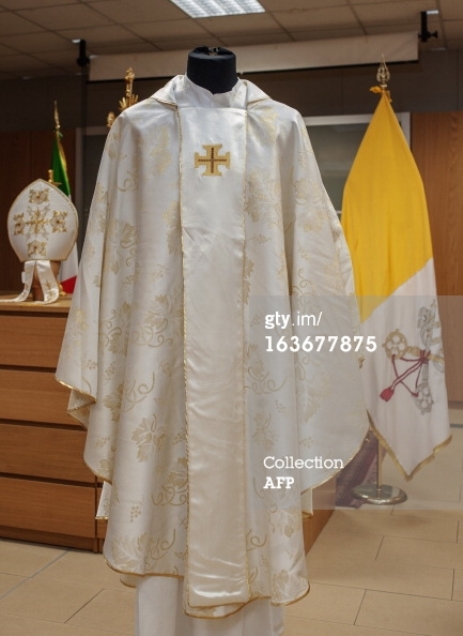
But be careful, brothers and sisters, for it is easy for us to misunderstand the true intent of the Lord in the Gospel today. People easily attack the Church and its ministers for their seemingly ‘material’ and worldly wealth in all the gold and glitter that we see in the churches and in the Mass. The golden chalices, the golden ciboria, and the other gold vessels and vestments used in the Mass.
These are not for our own possession, nor for the Church, for the gold vessels and vestments used in the Mass and in our churches is not for human glory, for indeed, they are for God’s own glory alone. God is so great that in our own way to glorify Him, we have given the best from ourselves, to craft vessels that would be worthy of Him, made of the most precious metals and materials. Not for our own glory, but for the glory of God. That is why we need to have a better understanding of our faith.
Let us then reflect on the words of the Scripture today, and strive to be better disciples of the Lord, and to take up the mantle of the apostles and the disciples, to be messengers of God’s word through the Church, and make disciples of all the nations. May God be with our works and bless us all the time. Amen.
 petercanisiusmichaeldavidkang