On the Future Canonisation of Blessed Pope John XXIII and Blessed Pope John Paul II

Image

The two great Popes of the last century, both of whom had been recognised as Blessed, through the virtues of their life and miracles attributed to them, will be declared Saints, in a ceremony likely to be scheduled at the end of this year (2013).

Both Blessed Pope John XXIII and Blessed Pope John Paul II, who was made a Blessed just two years ago on 1 May 2011, had each left their incredible and remarkable footprint in the path of history, both in the history of the Church, and in the history of the world and mankind.

Image

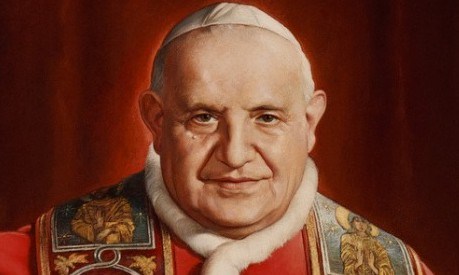
Blessed Pope John XXIII was known to be a great man of peace, and above all things seek to embrace peace and cooperation, between mankind, and also begun the process of Ecumenism in order to reunite the divided fragments of God’s Church back into the One, Holy, Catholic, and Apostolic Church that is our Church.

He was also known for his Encyclical Pacem in Terris (Peace on earth), which was released just months after the world was almost engulfed in an all-out nuclear war between the two superpowers, the United States of America (USA) and the Soviet Union (USSR) during the height of the Cold War in the Cuban Missile Crisis. Blessed Pope John XXIII worked hard ceaselessly to promote peace between the parties in conflict, for the good of all mankind, all of whom are the children of the same one God.

Blessed Pope John XXIII also convoked the Second Vatican Council, which brought the Church in line with the developments in the world, and also to make the Church more relevant in the increasingly rapid new developments in our world, and the rise of apathy towards religion in general. He would pass away before the Council was completed, but his legacy continued on until today.
Image

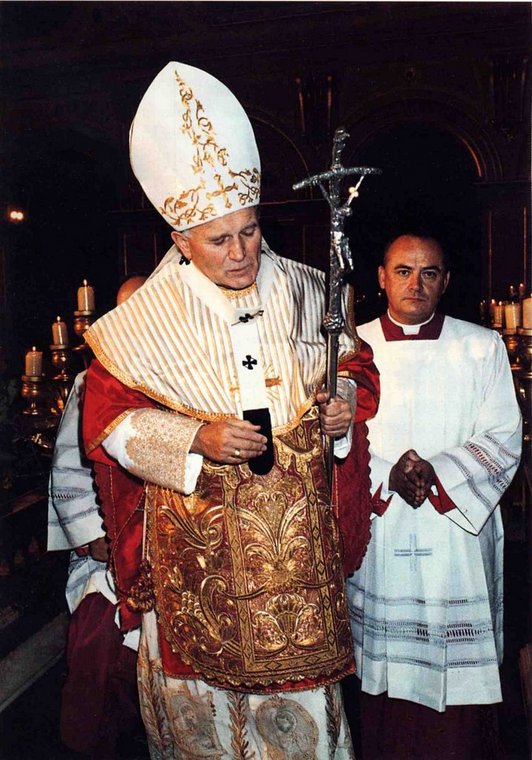
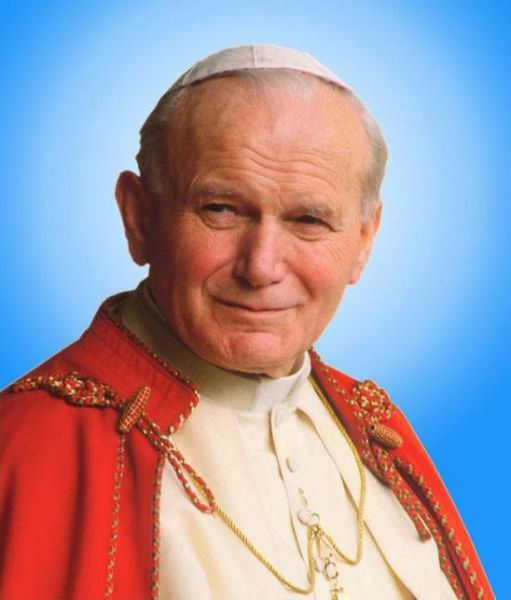
Blessed Pope John Paul II ‘the Great’ was a well-known Pope, a Pope of youths, and a hardworking Pope, who travelled around the world to visit all the flocks of the Lord that had been entrusted to him as the Successor of St. Peter the Apostle, as the Vicar of Christ. He was instrumental in the end of Communism in Eastern Europe, ending persecutions against the people of the faith, and also open boundaries and barriers that had been long in place since the beginning of the Cold War.

Blessed Pope John Paul II has also renewed the zeal for the faith amongst many around the world, and especially in youths, to whom he dedicated a special event, the World Youth Day, in order to commemorate the faith, particularly amongst the youths of the faith, around the globe. He inspired many through his works, his Encyclicals, and especially his perseverance despite being troubled with a worsening Parkinson’s disease condition, that made him to labour until his passing on 2 April 2005.

Both Popes had been very influential, hardworking, and very holy leaders of the One Church of the Lord Jesus Christ, and they had done much to strengthen the faith and the Church, and bring God closer to many, bringing them closer to salvation.

I hope to soon be able to ask for the intercessions of Pope St. John XXIII and Pope St. John Paul II the Great, and I pray that they will intercede for us sinners around the world, and pray for us, till we are greeted by them at the doors of heaven when it is time for us to be with the Lord again. Now we wait for the official announcement on the date of the Canonisation.
Image

Blessed Pope John XXIII, pray for us!
Image

Blessed Pope John Paul II, pray for us!

Passing of Cardinal Stanislaw Nagy at the age of 91 (Wednesday, 5 June 2013)

1_0_699082

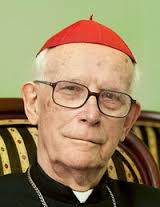
Cardinal Stanislaw Nagy, a Cardinal from Poland and a good friend of the late Blessed Pope John Paul II, and a renowned theologian and a great teacher, has passed away last Wednesday, on 5 June 2013 at the age of 91.

nagy

Cardinal Nagy was made a Cardinal-Deacon of S. Maria della Scala at the age of 82 in 2003, as a Cardinal non-elector, in recognition of his great service for the Church, both in the field of theology, and in the field of knowledge in general, after his numerous writings on the faith and the Pope himself, whom he was a dear friend of.

With the passing of Cardinal Nagy, the composition of the College of Cardinals has once again changed, just a day after Cardinal Godfried Danneels of Belgium aged out at 80 and became a Cardinal non-elector.

As of 5 June 2013, the College of Cardinals consist of 204 members in total, with 112 Cardinal-electors and 92 Cardinal non-electors (minus one due to the passing of Cardinal Nagy).

We pray for His Eminence’s soul that God will welcome him into His embrace in heaven, and grant him the heavenly reward that is promised him, and live with Him in glory forever and ever. Requiescat in Pace.

Tuesday, 23 April 2013 : 4th Week of Easter, Memorial of St. Adalbert, Bishop and Martyr (Scripture Reflection)

The Church is growing, in just barely years after the death and resurrection of Christ our Lord, the number of Christians grew exponentially. They were called Christians because they were of Christ, because they declared the life and death of Christ, and His resurrection, that brought hope of salvation to all mankind, that all who believe in Him may be saved.

Christians are unique because we believe in God, in a sacred and Holy Trinity, of God the Father, Jesus the Son, and the Holy Spirit, in an indivisible union of the Father, Son, and the Holy Spirit. One God undivided with three natures, that complements one another, each being perfect on their own. We believe in Christ and in His teachings, because He came from the Father, and being the Son, He is one with the Father.

Now that Christ had risen from the dead, and liberated all mankind from the slavery of sin by Satan, and that He has returned to the Father, we can no longer see Him physically in this world, and yet, Christ’s presence is unmistakably clear in our world today, that despite the world’s hatred for Christ and His truth, He remained in our world ever since the day of the apostles, through the teachings that the apostles passed down to us through our priests and the ministers of the Lord’s Gospel.

We believed in Christ because of His good works and His ultimate work for the sake of us, that is His death on the cross. Had He not been of God, and one with God, His sacrifice would have been in vain, since the blood of mortal man has no power to save mankind from their fate of death, for having rebelled against the Lord, but because Christ is of God, and is God, His death made us all worthy of God by the shedding of the Precious Blood of the Lamb of God.

God our Father had given us all to Christ His Son, and as He Himself has said that no one that the Father has given Him was lost, and therefore, we, who had been saved, if we remain faithful to God and Christ His Son, we will gain eternal life in heaven with God. It is this promise of redemption and salvation that gave so many people a new reason for their life, and a new impetus for life, a new sense of purpose that drove them to embrace the Lord.

For without the Lord, we are nothing, and without the Lord we are empty. That is why our bodies, without a good soul anchored in the Lord, is just an empty husk of flesh, and a soul without God in it, is an empty and meaningless soul. God who gave us life through the Spirit He breathed into us when He created us made us perfect only if we keep Him always in our hearts.

Too often we forget about the Lord, and went on about our daily lives and schedules, and in the noisy world of our lives, we simply shut the Lord out, shut His soft whispers and words, and instead, involved ourselves with worldly distractions and desires, instead of listening to the Lord. No, this should not be the way. We should always keep the Lord at the centre of our lives, and put our ears, our minds, and our hearts ever ready to listen to Him and what His will is.

Today, we also commemorate the feast day of St. Adalbert, a bishop, and a martyr, who lived in the late first millennium, and who was martyred in his attempts to convert the pagans in Prussia. He converted many in Poland, Hungary, and the Baltic nations, bringing to many pagan peoples, the true faith and light of Christ, that many received salvation through the tireless preaching of St. Adalbert. He tirelessly worked for the sake of Christ, and spread the Gospel in many mission areas in Central and Eastern Europe, and did not show fear against the pagans and their beliefs. He was martyred for standing fast to his faith in Christ, in his attempts to bring Christ to them.

Therefore, dear brothers and sisters in Christ, let us return to the Lord, and place Him into the most important part of our lives once again, and that when the hectic schedules of our daily lives begin to take over us, let us remember to take a step back and remember the Lord, and keep Him always in our mind.

Do not let this world and its temptations deviate us from our true path, that is towards God. May God almighty strengthen us and our faith in Him, and allow us to listen at all times to His will, He who is our Good Shepherd, He who has chosen us and made us worthy, and He who had died for the sake of all of us. Let us follow the example of St. Adalbert, who worked hard and ceaselessly for the sake of God and the spreading of his Good News. Through his efforts, many who were chosen by God were saved. St. Adalbert, pray for all of us, and may God bless us all. Amen.

Thursday, 11 April 2013 : 2nd Week of Easter, Memorial of St. Stanislas, Bishop and Martyr (Scripture Reflection)

Dear brothers and sisters in Christ, today, we commemorate the memorial and feast of a great Saint, that is Saint Stanislas or Stanislaus of Poland, who proudly defied the King of Poland and chastised him for his improper behaviour in his governance. He earned martyrdom for his bravery and uprightness, and despite offers from the King for him to stand down his accusation and opposition, St. Stanislas remained firm in his morale standing and ideals, fearing neither death nor persecution.

Indeed, in Christ, the Son of God, had been given all the authorities in heaven and on earth, by God the Father, who entrusted to Him the authority as King of all the universe. In this, then, as we have observed in many situations, we see the conflict, that is ever present in obedience and authority, for in God we have our great and only true King, but in this world too, we see an earthly ruler either appointed to rule over us, or elected as a leader, and therefore in them too, lay a kind of authority vested in them and their office.

Who to obey then? The earthly ruler or the heavenly ruler? Our worldly king or the king of heaven, who is also our Saviour and our God? It is indeed difficult, especially because it is very often that the world does not conform to that of heaven, and the ideals of the teachings of God were often abandoned for the earthly pursuits of temporal fame, glory, and wealth, which many kings coveted and desired to possess.

King Boleslaw the Bold, who had slain Saint Stanislas, did exactly that, gathering authority and power to himself, and although he ruled rather well, but he often abused his powers at the expense of his subjects entrusted to him. That was why Saint Stanislas, one of the founders and pillars of the Church in Poland, which then had just recently converted to Christianity, stood up against the excesses of his king and his liege, disobeying the earthly ruler, so that he would not disobey the teachings of the Lord.

It is not that we should disobey our rulers in this world, appointed or elected to lead over us. But we must not take for granted whatever decisions and policies they had decided to select and impose over us all, but we must, in consultation with these rulers, ensure that they keep the teachings of God and maintain the justice that is of the Lord, in their rule, that they would not abuse the power and authority entrusted to them.

Christ, our King, was a humble and unassuming man, and indeed, exactly the opposite of the characteristics that a king would have according to the common people. He did not flaunt His authority and His power, but yet, when He exercised His authority in His teachings, it is undeniable that everyone could feel the great presence of His authority. Yet, many still refused to listen to Christ and follow His teachings, preferring the other ‘king’, that is the worldly king, the evil one, who deceived this world, and controlled the powers of this world, and used them against the works of Christ.

When we refused Christ and rejected His teachings and commandments, essentially we profess that our king is not the True King, who is Christ, but rather, the worldly king, that is the devil. When our rulers and those in the position of authority abused their power or neglected their duties, they too, profess that they follow the evil one, as kings modeled after this evil, instead of Christ, whom we should emulate indeed.

Therefore, dear brothers and sisters in Christ, let us take this time to reflect, whether we had reflected Christ in our life through our actions, that especially when we are given responsibilities, power, or authority, whether we had exercised them with prudence and justice, as our king, Jesus Christ would, or whether we had abused the authority entrusted to all of us, preferring to follow the evil one instead, and causing pain to others through our actions.

Let us strive then, to be more like St. Stanislas, that we will not be afraid to stand up against injustice and abuse of power by the authorities, and that we will be brave to defend our faith in God as well. May God bless us with strength and courage, to continue the good works which had began in the apostles and continued down to us today. Saint Stanislas, pray for all of us, that we may truly be inspired by your life and your actions. Amen.

Thursday, 11 April 2013 : 2nd Week of Easter, Memorial of St. Stanislas, Bishop and Martyr (Gospel Reading)

John 3 : 31-36

He who comes from above is above all; He who comes from the earth belongs to the earth, and His word belongs to the earth. He who comes from heaven speaks of the things He has seen and heard; He bears witness to these things, but no one accepts His testimony. Whoever does receive His testimony acknowledges the truthfulness of God.

The one sent by God speaks God’s words, and gives the Spirit unstintingly. The Father loves the Son and has entrusted everything into His hands. Whoever believes in the Son lives with eternal life; but He who will not believe in the Son will never know life, and always faces the justice of God.

Thursday, 11 April 2013 : 2nd Week of Easter, Memorial of St. Stanislas, Bishop and Martyr (Psalm)

Psalm 33 : 2 and 9, 17-18, 19-20

I will bless the Lord all my days; His praise will be ever on my lips. Oh, see and taste the goodness of the Lord! Blessed is the one who finds shelter in Him!

But His face is set against the wicked, to destroy their memory from the earth. The Lord hears the cry of the righteous and rescues them from all their troubles.

The Lord is close to the brokenhearted and saves the distraught. Many are the troubles of the just, but the Lord delivers them from all.

Thursday, 11 April 2013 : 2nd Week of Easter, Memorial of St. Stanislas, Bishop and Martyr (First Reading)

Acts 5 : 27-33

So they brought them in and make them stand before the Council and the High Priest questioned them, “We gave you strict orders not to preach such a Saviour, but you have filled Jerusalem with your teaching and you intend charging us with the killing of this Man.” To this Peter and the apostles replied, “Better for us to obey God rather than any human authority!”

“The God of our ancestors raised Jesus whom you killed by hanging Him on a wooden post. God set Him at His right hand as Leader and Saviour, to grant repentance and forgiveness of sins to Israel. We are witnesses to all these things, as well as the Holy Spirit whom God has given to those who obey Him.”

When the Council heard this, they became very angry and wanted to kill them.

Monday, 4 March 2013 : 3rd Week of Lent, Memorial of St. Casimir, Prince of Poland and Lithuania (Scripture Reflection)

God shows us today that His love and His care is universal and extends not to just a single person or a single people. He healed Naaman from his leprosy through Elisha the prophet, and He also succour the widow of Zarephath in Sidon through the prophet Elijah, who helped her after her miserable life due to her husband’s passing. It is through their faith in God’s deliverance and power that, even though with some reservations and doubts they had, but ultimately their obedience to God’s will through the prophets that caused the outpouring of divine love to them, who were not of Israel, God’s chosen people.

Many of us today think that we are special, and that we have special talents that others do not, and many of us with these advantages think that we should be honoured and praised because of such abilities that we have. Many of us also look down on those who apparently have no such abilities and talents like what we have, and shun them, and even sometimes bully and persecute them to an extent. But today, God teaches you that even the great are not perfect, and more often than not, it is the meek and humble that will receive God’s love and blessing, and will be found righteous than the powerful.

It is not that God despises those who have power, those who have talents, abilities, and fortunes. It is rather that He despises those who misuse those power, and those who thought highly of themselves and oppress the less fortunate because they have these. Like the people of Israel, the chosen people of God, who often thought highly of themselves because they were chosen by God, but they were then at the time of the prophets drunk with power, possession, and worldly temptations, leaving God behind, and worshiped the false gods of their Canaanite neighbours.

A humble offer from Naaman to seek the prophet of Israel, the King of Israel had spurned. He even tore his robes and accused the Syrians of attempting to spy in the disguise of search for the prophet. Such is the haughtiness and pride of the king of Israel and Israel at that time, that even those who came in humility and gifts they had rejected, although they came truly to glorify the God of Israel, our God.

In their humility and obedience, Naaman and the widow obeyed the will of God through the prophets. Despite some grumbling in the beginning, Naaman washed himself seven times in the Jordan and was healed; then the widow fed Elijah the prophet with the bread made from the flour she was to use to prepare the last meal for herself and her son. Through these acts of faith they are blessed and experienced the love of God.

Naaman who was the commander of the Aramean King’s armies, lowered himself before God and his prophet and his obedience, while the king of Israel haughtily and proudly think of himself and his power, and in the time of King Ahab of Israel, during which period Elijah lived, not only the king was proud, but he even brought the people of the northern kingdom to sin against God ever more by sacrificing to foreign gods and killing God’s prophets.

Today, we commemorate the feast of St. Casimir, who was the crown prince of the united Kingdoms of Poland and Lithuania in the late 15th century. He never succeeded the throne to which he was the crown prince of, because he died early in life, but in his relatively short life, he had achieved much, and was noted for his great piety and love for God, and was committed to chastity in life and always was humble, especially noted was his great humility before God, and also before those who are his subjects.

He was like the modern day Naaman, but even more so because the piousness he had in his life, that made him today a patron saint of the youth. He is not of the first chosen people of God, but yet God had made him righteous, and now a saint, he intercedes for us in heaven, all because of his love, his faith, and his obedience to God.

Let us pray therefore brothers and sisters, that in our lives, and indeed in our daily lives, we can always dull the edge of our pride and our vanity, and sharpen the edge of our humility, and increase our dedication and love for God and our fellow men, our neighbours, and even those who did bad things to us, and those who hates us. Humble ourselves before God, asking for His mercy, and allowing Him to work His wonders through us, that all those whom we meet in our lives, will be able to experience God, His love, His kindness, and His grace, through us and our actions.

St. Casimir, pray for us all, pray for our youth that they will grow ever stronger in faith and love to God just as you once did. All the Holy Saints and prophets of God, Elijah and Elisha, pray for us. Amen.

Monday, 4 March 2013 : 3rd Week of Lent, Memorial of St. Casimir, Prince of Poland and Lithuania (Gospel Reading)

Luke 4 : 24-30

Jesus added, “No prophet is honoured in his own country. Truly, I say to you, there were many widows in Israel in the days of Elijah, when the heavens withheld rain for three years and six months and a great famine came over the whole land. Yet Elijah was not sent to any of them, but to a widow of Zarephath, in the country of Sidon.”

“There were also many lepers in Israel in the time of Elisha, the prophet, and no one was healed except Naaman, the Syrian.” On hearing these words, the whole assembly became indignant. They rose up and brought Him out of the town, to the edge of the hill on which Nazareth is built, intending to throw Him down the cliff. But He passed through their midst and went His way.

Monday, 4 March 2013 : 3rd Week of Lent, Memorial of St. Casimir, Prince of Poland and Lithuania (Psalm)

Psalm 41 : 2, 3 and Psalm 42 : 3, 4

As a deer longs for flowing streams, so my soul longs for you, o God.

My soul thirsts for God, for the living God. When shall I go and see the face of God?

Send forth Your light and Your truth; let them be my guide, let them take me to Your holy mountain, to the place where You reside.

Then will I go to the altar of God, to God, my gladness and delight. I will praise You with the lyre and harp. O God, my God.