Holy Week 2013 Schedule for the Cathedral of the Good Shepherd, Archdiocese of Singapore

Here is the schedule for 2013’s Holy Week (Sunday, 24 March 2013 – Sunday, 31 March 2013) at the Cathedral of the Good Shepherd, Archdiocese of Singapore :


1. Palm Sunday : Saturday, 23 March 2013 at 6.30 pm; Sunday, 24 March 2013 at 8 am, 10 am, and 6 pm

(Mass at 10 am will be celebrated by Archbishop Nicholas Chia, the Archbishop of Singapore)


2. Cena Domini (Mass of the Lord’s Supper) : Thursday, 28 March 2013 at 6.30 pm. Adoration of the Blessed Sacrament after the Mass until midnight.

(To be celebrated by Archbishop Nicholas Chia of Singapore, Coadjutor Archbishop William Goh of Singapore, and Apostolic Nuncio to Singapore, Archbishop Leopoldo Girelli)


3. Good Friday : Friday, 29 March 2013 at 2.30 pm and 5.30 pm

(Service at 2.30 pm with Way of the Cross, Service begins at 3 pm and to be celebrated by Archbishop Nicholas Chia, the Archbishop of Singapore)


4. Easter Vigil : Saturday, 30 March 2013 at 9 pm

(Celebrant : Archbishop Nicholas Chia, the Archbishop of Singapore)


5. Easter Sunday : Sunday, 31 March 2013 at 8 am, 10 am, and 6 pm

Holy Week Mass schedule (Live) with Pope Francis in Rome and the Vatican

Here is the schedule for Papal celebrations of Pope Francis for Holy Week in Rome :


(Live from Rome Reports : http://www.romereports.com/palio/modules.php?name=Content3&pa=showpage&newlang=english&pid=47#.UU4b91fTear)

(Live from Vatican Player : http://vatican.va/video/)

(Live from Vatican YouTube : http://youtube.com/vatican/)


1. Palm Sunday (Solemn Entry into Jerusalem) : Sunday, 24 March 2013 at 9.30 am Rome time / CET / UTC+1 (St. Peter’s Square)

2. Chrism Mass (Blessing of the Holy Oils) : Thursday, 28 March 2013 at 9.30 am Rome time / CET / UTC+1 (St. Peter’s Basilica)

3. Cena Domini (Mass of the Lord’s Supper) : Thursday, 28 March 2013 at 5.30 pm Rome time / CET / UTC+1 (Casa del Marmo prison)

4. Good Friday (Passion of our Lord Jesus Christ) : Friday, 29 March 2013 at 5 pm Rome time / CET / UTC+1 (St. Peter’s Basilica)

5. Way of the Cross at Colosseum : Friday, 29 March 2013 at 9 pm Rome time / CET / UTC+1 (Colosseum)

6. Easter Vigil (Resurrection of our Lord Jesus Christ) : Saturday, 30 March 2013 at 9 pm Rome time / CET / UTC+1 (St. Peter’s Basilica)

7. Easter Sunday (Resurrection of our Lord Jesus Christ) : Sunday, 31 March 2013 at 10 am Rome time / CET / UTC+1 (St. Peter’s Square)

8. Urbi et Orbi Blessing of Easter (Blessing to the city of Rome and the world) : Sunday, 31 March 2013 at 12 pm (noon) Rome time / CET / UTC+1 (St. Peter’s Square)

Thursday, 21 March 2013 : 5th Week of Lent (Scripture Reflection)

Jesus, our Lord, has been the harbinger of a new covenant between us and God, just as God had established His covenant with Abraham in the days long past. He made the covenant with Abraham because of Abraham’s great faith and love for God, and obedience to the point that he was willing to offer his own son, the promised son God had promised him, to be offered as sacrifice without hesitation. For his great faith, love, and obedience, he has been rewarded with God’s promise that he will be the father of a great nation and that his descendants be as countless as the stars, and his descendants will last forever.

This covenant made the people of Israel, God’s chosen people, the descendants of Abraham, Isaac, and Jacob, through whom God repeatedly renewed and reiterated His covenant with Israel. Yet, despite the constant proof of His love and His obedience to the covenant that He had made, the people of Israel, after their liberation from Egypt’s slavery, constantly were in rebellion against God, and were unrepentant, despite the numerous prophets and signals He had brought to the people over the centuries.

They rebelled against Him, and murdered His prophets, and smeared their blood on the streets of Samaria and Jerusalem, that eventually made God abandoned the kingdoms that His people had chosen to make, starting with Saul, and ended with Zedekia in Judea, and were brought away to the seventy years in exile in Babylon. He, however, did not forget at all the covenant He had made all those years ago with Abraham. He remembered the covenant perfectly, and He brought His people back to their homeland.

Yet, they still rebelled and many years passed where the people of Israel abandoned God. Remember the Book of Maccabees, and the story of the struggle of the Maccabees against their Greek overlords who imposed pagan gods over the people of Israel, which saw many readily threw away their love and obedience to God and His covenant. Yet, God always remained true to His covenant at all times, and as we knew, that God has sent His one and only deliverance to His people, and this people counted it not only that of Israel, but that of all the descendants of Adam, all mankind He had created.

That salvation came through Jesus Christ, the Son of God, Word of God, who is one with God the Father in perfect unity, and He is the only one worthy on heaven and earth, to end the chains of slavery of sin, to end the corruption of Satan and all his evil plans, and to bring all creation, all mankind, back towards God who loves them so much. Jesus Christ, is the harbinger of a new Covenant, in place of the covenant that God had made with Abraham.

No, not to replace that covenant, but rather to perfect that covenant. A new covenant not only to show God’s love and undying care for His people, but also to bring them to be once again fully reunited against Him. That love and that covenant came about and was fulfilled, as we remember it, in the events surrounding the Holy Week, in which the Passion of our Lord Jesus Christ is celebrated every year. Through Christ’s suffering, death, and finally resurrection on the third day in glory, He made the new covenant fulfilled, which He gave to us, through His Precious Body and Precious Blood.

Remember the words when the Blood of Christ in the chalice is elevated at the Mass at the consecration, “Take this all of you and drink for it, for this is the Chalice of My Blood, the Blood of the new and eternal covenant, which will be poured out for you and for many, for the forgiveness of sins, do this in the memory of Me.” Indeed, the Body and Blood of Christ that He had offered through His sacrifice and death on the cross marked the new Covenant God made with all of us.

If we remain true to this Covenant and remain faithful to this Covenant, God will definitely also bless us, and will keep true to the Covenant, for He is ever faithful and ever loving. Therefore, brothers and sisters in Christ, let us today pray for one another, that we will continue to keep our faith, hope, and love in God, and remain true to our part in this new Covenant of Christ. Remember this every time we take in His Body and His Blood at the Mass. May God remain with us always, and bless us, with eternal life. Amen.

Wednesday, 20 March 2013 : 5th Week of Lent (Scripture Reflection)

Sin and the evil that comes with sin and rebellion against God has indeed enslaved us, even when many of us don’t realise that we are being enslaved. That is also because we adopt a rather open attitude at sin, and even embrace sin and evil, to the point that we are indeed almost glad at being slaves of sin and evil. We have been enslaved by sin as our forefathers were, since the days of rebellion of Adam, the first man, and Eve, the first woman.

Sin is evil, and is a state of rebellion against the love and authority of God. That is why God, who loves us so much, being the greatest of His creations, would want to send His own Son in order to save us. For slavery under sin is costly indeed, for anyone who want to liberate those slaves, that is us, from that mountains of sin. Imagine the amount of sin that we accumulate daily, not even counting yearly, or even our whole lives!

Imagine the weight of sin that Christ had to bear on Golgotha, that is Calvary, and on His journey towards there. When we do devotions especially in the form of the Stations of the Cross this Lent, indeed we would have heard and would have been reminded of the physical sufferings and burdens that Christ had to carry, with His heavy cross onto Calvary from Jerusalem. Yet, the heaviest weight, is not that of the visible and physical, but in fact, those that are invisible, and these were the mountains of our sins, all of us, past, present, and future.

Yes, in order to free us from our slavery, as Christ had mentioned in the Gospel today as what He wanted, a perfect and worthy sacrifice and exchange is necessary. No amount of animal blood and sacrifices will ever be worthy or enough to alleviate our sins, no matter how many times they were offered to God, as per the Law of Moses.

It is the very Precious Body and Blood of Christ, the Lamb of God, that is worthy of cleansing us from our sins and ‘purchasing’ us to free us from the slavery of sin. He has to die on the cross for that to happen. And yet so many people wished for His death, not because they want to be freed from their sins, but because they had grown so comfortable in sin, that they did not want sin to end enslaving them, but continue to dominate them in perpetuation.

So blinded were the people that they failed to see the freedom that God had brought them. Remember the rebellion of Israel against Moses and God at Massah and Meribah? When they grumbled that God had led them to the desert to die? That the life under slavery in Egypt were much better and much more suitable to them? That is the same, but now the Lord, through Jesus Christ had come to liberate all mankind, not just Israel, from the slavery of sin, but yet, there were still those who rejected our Lord just like at Massah and Meribah.

God offers His salvation and liberation of all of us from sin for free, for the price of His Body and Blood, which we receive regularly at the Mass, as the result of the Sacrifice offered by the priest, in union with the Sacrifice on Calvary. It is readily offered and available for us, if only our heart and our being are open to this freedom by the Lord.

Therefore, brothers and sisters in Christ, let us pray, that we will remain strong in our faith and in our conviction to remain in the Lord, and be free from sin and the chains of slavery it brings. May we remain in God’s love and remember always His love and sacrifice on the cross for our sake. God bless us all. Amen.

Pope Francis’ schedule between the Papal Inauguration to Palm Sunday

Here is a summary of Pope Francis’ schedule between his Papal Inauguration on Tuesday, 19 March 2013, to the beginning of the Holy Week on Palm Sunday, 24 March 2013 :

1. Tuesday, 19 March 2013 at 9.30 am Rome time : Papal Inauguration Mass at St. Peter’s Square, estimated to be attended by more than 1 million people from all over the world, and many foreign dignitaries, heads of states, and leaders. Mark the full beginning of Pope Francis’ Pontificate with a solemn inauguration with the imposition of both the pallium and the Ring of the Fisherman. First to be attended by the Ecumenical Patriarch of Constantinople, currently Bartholomew I, since the Great Schism in 1054.

2. Wednesday, 20 March 2013 : Reception of the delegations from different Christian churches and representatives at Clementine Hall (Sala Clementina). No General Audience will be held on this day.

3. Friday, 22 March 2013 : Reception of accredited diplomatic representatives to the Holy See in the Regia Hall (Sala Regia).

4. Saturday, 23 March 2013 : Meeting with his predecessor, Pope Emeritus Benedict XVI, at Castel Gandolfo, where the Pope Emeritus is residing.

5. Sunday, 24 March 2013 at 9.30 am Rome time : Palm Sunday Mass at St. Peter’s Square, beginning the Holy Week celebrations.

Saturday, 16 March 2013 : 4th Week of Lent (Scripture Reflection)

Dear brothers and sisters in Christ, in today’s readings we see how, the righteous ones and the ones sent by the Lord, the prophets, and even our Lord Jesus Christ Himself, received slander, persecution, and were actively rejected by many in the society, not least by those who indeed should have been closer to God than that of the rest of the society.

These people are the Pharisees, the priests and the experts in the Law of God, passed through Moses, they are also expert in the Torah and the writings of the words of the prophets, that it is why they could say that no prophet is ever said to come from Galilee, because basically they really know the prophets, their sayings, and the Law itself. But yet, they have failed to see God, and failed to see His works, when it was already in fact right in front of their eyes.

The reason for their failure to see the good works of the Lord is that they have been blinded, their eyes had been blocked by the very arrogance and pride that clouds their heart and hardened that heart against the love of God. Jealousy became the order of the day, as these priests, instead of being happy and supportive of Christ’s good works, they slandered Him, accused Him of using the devil to perform miracles, and plotted against Him to kill Him. They would eventually succeeded in capturing Him after the Lord’s Last Supper, put Him on trial, and brought Him to Pilate to be condemned to death, death on the cross.

We should not follow their examples, and we too should lower our pride and our selfishness before God. We must put the Lord ahead of men, and put our attention on the Lord ahead of any personal glorification through majesty, wealth, or even simplification, and publicity. Priests and leaders of the Church must strive to remain humble in their ministry.

But remember, very importantly, never dabble in the false sense of humility through excessive display of humility or simplification, especially and certainly, we must never let the Holy Mass be simplified to the point that it loses the sanctity and meaning, as the Holy Sacrifice where Jesus offers us His Most Precious Body and Blood.

Very often people has misunderstood the noble simplicity as mentioned in the Vatican II document, Sacrosanctum Concilium, focusing way too much on the simplicity, that it is no longer noble. There is a need for balance, that the liturgy does not become too flagrant a display of excessive wealth and worldliness, but at the same time also there should be proper decorum and avoidance of insertion of non-liturgical elements into the Mass, and also avoidance of stripping the Mass so much that it ceases to be solemn and devout.

Instead, the way is to live a life of prayer and dedication to God, and strive to put the Lord ahead of ourselves, and to make God the centre of our lives. Through the Mass, the centre of our faith, we can make the Lord indeed as the centre of our life, via the solemn and magnificent liturgy and execution of the Mass, that the Lord is glorified at the Mass.

Remember that the Mass is not about self, and it is not to be centred at the priest-celebrant, but to be centred to the Lord Himself. The vestments, the beautiful adornments, and the solemn atmosphere in the Mass is dedicated entirely to God, that we glorify the Lord, and through these external glorification, we bring mankind closer to God, simply by unearthly experience that all of us can experience in the Mass, through a solemn and devout liturgy of the Mass.

We humble ourselves before the Lord, and focus our attention on the glorious cross of Christ, both for us behind the altar, and for the priest, the altar cross, according to the Benedictine Altar arrangement, that all of us will put our full attention in Christ, and not on men. The cross must be the centre of our focus, our attention, and also be the focus of our hearts, that we continue to keep Christ in all things that we do, so that in whatever good that we do, God will be present, and will justify us.

Therefore, brothers and sisters in Christ, let us rediscover our faith, particularly in this Holy Year of Faith, that we can grow much deeper in our understanding of the Mass and its liturgical contents, and learn to place the Lord at the centre of our lives, and grow stronger in our faith and love of God day by day. May we follow in Christ’s footsteps and not be proud, neither be vain, by discarding the darkness and veil of pride that blocks our heart from truly receiving the love and grace of our God. Amen.

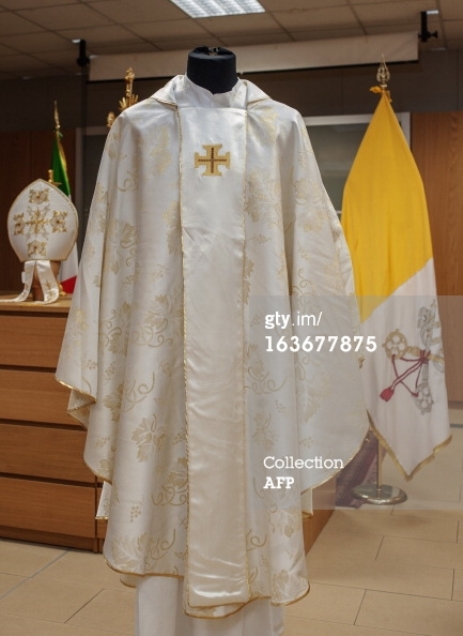
Papal vestment for the Papal Inauguration Mass of Pope Francis, Tuesday, 19 March 2013

Image

The vestments above is the vestment that Pope Francis will wear at the Papal Inauguration Mass in St. Peter’s Square, on the Feast of St. Joseph, Tuesday, 19 March 2013 at 9.30 am Rome time.

The vestments are decent and not over-simplistic, but neither overbearing, while maintaining the beauty of the vesture, which will make the liturgy of the Mass more beautiful and bring people closer to God.

(Update : It seems that Pope Francis chose to wear his personal mitre and the matching vestments that comes with his mitre (as bishop))

Papal Visit to Parish of St. Anne, Rome, and Pope Francis’ First Angelus

Image

Pope Francis visited his first parish in the Diocese of Rome today, Sunday morning, 17 March 2013 and celebrated Mass there (there are more than 300 parishes in the Diocese of Rome).

Image

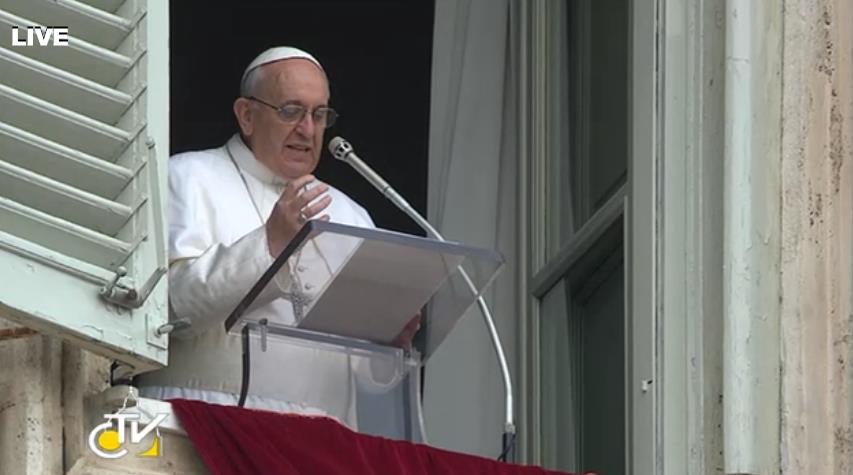
At noon, he returned to the Papal Apartments at the Vatican to deliver his very first Sunday Angelus to thousands gathered in St. Peter’s Square.

First Mass of Pope Francis as Bishop of Rome : Sistine Chapel, Thursday, 14 March 2013 at 5 pm Rome time

Our new Pope, Pope Francis will celebrate his first Mass as our Pope with the Cardinals gathered in Rome, in the Sistine Chapel, at 5 pm (Rome time) on Thursday, 14 March 2013. 

It may be live from the Vatican at Vatican Player (www.vatican.va/player), but I will need to confirm it.

Papal Inauguration Mass of the Pontificate of Pope Francis I, Bishop of Rome

http://www.romereports.com/palio/inauguration-mass-for-pope-francis-i-scheduled-for-feast-day-of-st-joseph-english-9411.html

The Papal Inauguration Mass of the Pontificate of Pope Francis I, Jorge Maria Bergoglio, who was the Metropolitan Archbishop of Buenos Aires, Argentina, and elected the 266th Pope on Wednesday, 13 March 2013, will be held on :


Feast of St. Joseph, Spouse of the Blessed Virgin Mary, Tuesday, 19 March 2013, at 9.30 am Rome time (CET/UTC+1)


The timing in other timezones are :

1. UTC : Tuesday, 19 March 2013 at 8.30 am

2. EDT : Tuesday, 19 March 2013 at 4.30 am

3. PDT : Tuesday, 19 March 2013 at 1.30 am

4. WIB / UTC+7 : Tuesday, 19 March 2013 at 3.30 pm

5. Singapore / UTC+8 : Tuesday, 19 March 2013 at 4.30 pm