Thursday, 14 March 2013 : 4th Week of Lent (Psalm)

Psalm 105 : 19-20, 21-22, 23

They made a calf at Horeb and worshiped the molten image. They exchanged the glory of God with the image of a bull that eats grass.

They forgot their Saviour God, who had done great things in Egypt, wonderful works in the land of Ham, and awesome deeds by the Sea of Reeds.

So He spoke of destroying them, but Moses, His chosen one, stood in the breach before Him to shield them from destruction.

Wednesday, 13 March 2013 : 4th Week of Lent (Scripture Reflection)

Jesus Christ, the Son of God, is closely linked and intertwined with God the Father, our Creator. Together with the Holy Spirit, the third part of the Trinity, they form the Holy Trinity of the Father, the Son, and the Holy Spirit. Many would misinterpret this, including the Jews at the time, that it means there are 3 Gods at the same time, and that Christians worship 3 Gods, and therefore polytheistic.

No, this is simply not the case, for The Three members of the Holy Trinity are indeed three distinct members, not the same from each other, and distinctively different between the three of them, but yet, at the same time, are also One, and indivisible. This is the mystery of the Holy Trinity, that God who is present in 3 Godheads of the Father Creator, the Son who is the Messiah and the Word of God, and the Holy Spirit the Advocate, are at the same time distinct as they are one. They are one because they are bound by the link that is immemorial and infinite in nature, that is perfect and divine love.

For Jesus Christ as the Son loves the Father perfectly, and so does the Father loves the Son in the same way, and the nature of this relationship to the Holy Spirit is none other but the same as well. And the Son does the will of the Father, because He obeys the Father, and even unto death, as our Lord Jesus Christ died for us on Calvary, on the cross, that we all can be saved, from death, and from sin.

Jesus Christ our Saviour, is the Word of God, which the Father had sent down to us, to be like us, sinful man, that he can teach all of us, as the Word, the Words of God, the love of God, and the true meanings of God’s commandments, that is love, and the very nature of God Himself, that is love, mercy, and compassion. He showed God’s teachings through His own examples, and through His ultimate dedication to the cause of the Lord. That is to die on the cross on Calvary, to give Himself up as the worthy sacrifice for all our sins. For He brought into Himself the sins of all men, and the contrite hearts of all those who believed in God, and became the worthy sacrifice, saving mankind from being doomed due to their rebellion against God.

Christ had suffered, and He had died on the Cross, and then he too had risen from the dead, and in glory He returned to the Father and left this world at the hands of His disciples, who continued to propagate His mission and His words, throughout generations, throughout many centuries and millennia, through good and hard times, through bountiful harvests of faith and persecution of the martyrs and the faithful in God, to all of us today who belong in God’s Church, which He established through Peter.

The Church today is the last and only bastion of truth, love, and light in this world increasingly eaten up by evil forces of consumerism, hedonism, secularism, and atheism. Many had abandoned God in search of temporary and worldly pleasures and temptations, and left God for their own reasons and their own ideas, and even thinking that they need no God, even though it’s the very God who had come down to us, in order to build a bridge between us and the Lord who created us, that we are finally able to return to God, through Christ’s death on the cross, His ultimate sacrifice, for all of us.

Our Church had been the greatest charitable body in the world, and had done much to help the poor and the suffering, and there are of course still much more that we can do to help, even every one of us, we can all contribute more to help those least and the weakest in our society. Let us all help the Church in its mission, help all who are involved in serving the weak, the poor, the ostracised, and the persecuted ones. Let us also of course strive to spread God’s Good News and message of love to all, especially those who had rejected Him, and those who even persecuted God’s holy people.

For Christ, the Son of God, will come to judge His people again at the end of time, at His Second Coming, which time and place we do not know about. But He always reminds us to be vigilant, and to be awake, lest we are caught unawares. He will judge those who had done acts of love, for one another, and for God, worthy, and worthy to join Him in eternal bliss of heaven. And to those whom had failed to love, those who failed to forgive and those who had forsaken Him, He will reject and drive away from His presence.

Let us not worry, since if we do what is good, God is on our side. Continue doing acts of love, mercy, and compassion, and begin to do charitable acts starting from small, little things we can help, like not refusing to help a beggar, and tried to spare a coin for them, and also to help one another in the society, and to be aware of the plight of our fellow brothers and sisters, that we will all remain strong, in God’s love.

Help one another to grow in faith, hope, and love, the three cardinal virtues of life. Let us pray that our faith in God will remain strong, that our hope in Him and mankind will be ever present, and be light to those who despair, and let our love burn within us, filled with God’s love, to show God’s love to all mankind, and to all the nations, that those who have yet bend their knees before the God who loves them and gave His life for them, will follow. Amen.

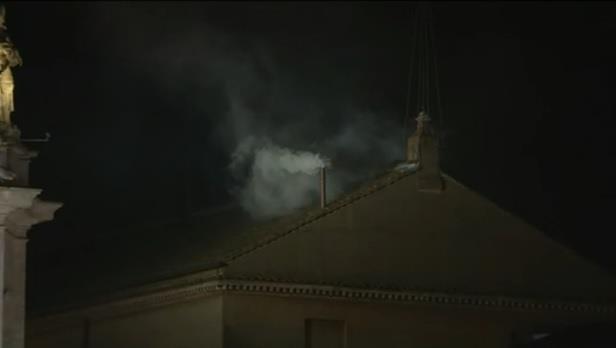
Fifth Ballot : White smoke (Fumata bianca). A new Pope has been elected. Habemus Papam!

Habemus Papam! We have a Pope!

549289_509082082489147_147052586_n

Wednesday, 13 March 2013 : 4th Week of Lent (Gospel Reading)

John 5 : 17-30

Jesus replied, “My Father goes on working and so do I.” And the Jews tried all the harder to kill Him, for Jesus not only broke the Sabbath observance, but also made Himself equal with God, calling God, His own Father.

Jesus said to them, “Truly, I assure you, the Son cannot do anything by Himself, but only what He sees the Father do. And whatever He does, the Son also does. The Father loves the Son and shows Him everything He does; and He will show Him even greater things than these, so that you will be amazed.”

“As the Father raises the dead and gives them life, so the Son gives life to whom He wills. In the same way the Father judges no one, for He has entrusted all judgment to the Son, and He wants all to honour the Son as they honour the Father. Whoever ignores the Son, ignores as well the Father who sent Him.”

“Truly, I say to you, anyone who hears My word and believes Him who sent me, has eternal life; and there is no judgment for him, because he has passed from death to life. Truly, the hour is coming and has indeed come, when the dead will hear the voice of the Son of God and, on hearing it, will live.”

“For the Father has life in Himself, and He has given to the Son also to have life in Himself. And He has empowered Him as well as to carry out Judgment, for He is Son of Man. Do not be surprised at this; the hour is coming when all those lying in tombs will hear My voice and come out; those who have done good shall rise to live, and those who have done evil will rise to be condemned.”

“I can do nothing of Myself, and I need to hear Another One to judge; and My judgment is just, because I seek not My own will, but the will of Him who sent Me.”

Wednesday, 13 March 2013 : 4th Week of Lent (Psalm)

Psalm 144 : 8-9, 13cd-14, 17-18

Compassionate and gracious is the Lord, slow to anger and abounding in love. The Lord is good to everyone; His mercy embraces all His creations.

The Lord is true to His promises and lets His mercy show in all He does. The Lord lifts up those who are falling and raises those who are beaten down.

Righteous is the Lord in all His ways, His mercy shows in all His deeds. He is near those who call on Him, who call trustfully upon His Name.

Wednesday, 13 March 2013 : 4th Week of Lent (First Reading)

Isaiah 49 : 8-15

This is what YHVH says : “At a favorable time I have answered you, on the day of salvation I have been your help; I have formed you and made you to be My covenant with the people. You will restore the land, and allot its abandoned farms. You will say to the captives : Come out, and to those in darkness : Show yourselves.”

“They will feed along the road; they will find pasture on barren hills. The will neither hunger nor thirst, nor will the scorching wind or the sun beat upon them; for He who has mercy on them will guide them and lead them to springs of water.”

“I will turn all My mountains into roads and raise up My highways. See, they come from afar, some from north and west, others from the land of Sinim.”

Sing, o heavens, and rejoice, o earth; break forth into song, o mountains : For YHVH has comforted His people and taken pity on those who are afflicted. But Zion said : “YHVH has forsaken me, my Lord has forgotten me.”

Can a woman forget the baby at her breast and have no compassion on the child of her womb? Yet though she forget, I will never forget you.

Tuesday, 12 March 2013 : 4th Week of Lent (Scripture Reflection)

Today, we see Christ, who bring upon us the living water, the water that satisfies all thirsts, in His miraculous healing of the sick man, on whom He had mercy and through His mercy, the sick man was healed and cured of his afflictions.

Yet again, we hear about the Jews and their laws on the Sabbath day, that is the day when the Lord completed His creation and rested. However, we must understand, the reason, and indeed the true reason behind having such a rule of the Sabbath, for the people of Israel, God’s chosen people.

The people of Israel was indeed a rebellious people, especially during the time when they escaped from Egypt on God’s providence, and crossed the Red Sea. Already they exhibited much doubts in the very God who saved them from the slavery of Egypt since then, and even forced Aaron, Moses’ brother to make for them a ‘replacement’ god in the shape of the golden calf.

They too had rebelled against the Lord often, and like at Massah and Meribah, again doubted God and His promise of delivering them into the Promised Land of milk and honey. They even complained that their lives in Egypt, though in slavery, had been much better than the present life, their lives in the desert. They refused the Lord’s offer in fearing the Canaanites, and was punished for forty years to wander in the desert, until all those who had defied the Lord had perished, and a new generation had come forth.

It is against this background of constant rebellion, pride, and arrogance of the Israelites at the time, that the laws of the Lord, and that of the Sabbath was made, when God delivered these laws to Moses on the Mount Horeb. Over time, these laws were enshrined by the people as the basic tenets and obligations (also prohibitions) that the people had to follow, otherwise they would be expelled or exiled from the society.

Sadly however, the Law eventually becomes a huge list, supposedly numbering 613 in total, of rules and regulations, that govern many aspects of the society’s life, even to trivial manners such as washing of the hands before meals, which had to be done to the precise and minute details exactly as it was said how it must be done.

This is how the law concerning the Sabbath was also made, that as the Lord has said that no one should work or labour on that day in honour of the Lord, and to make holy that day before God, just as we now make holy our first day of the week that is Sunday, and celebrate the Mass together as one Church on Sundays, to bring ourselves and offer ourselves as the offerings of prayer to God.

Nevertheless, this law and the other rules and regulations in the Law, were not created to constrain or restrict mankind, and definitely to enslave men to these laws, as what the situation at the time of Jesus was. It was well noted that Judas Maccabee, the leader of the Maccabean revolt against the Seleucids, who tried to erase the worship of God in Israel and replaced it with pagan Greek gods, had decided with the leaders of the people that they be allowed to defend themselves on Sabbath, as the enemies had taken advantage of the Sabbath law to massacre many Israelites on the day of the Sabbath.

And King David too ate the bread for the sacrifice that is reserved only for the priests, when he and his companions were hungry. Clearly it shows that God did not create this Law to punish or enslave His beloved people, but rather to shape them and to ensure that they remain faithful to Him, by keeping His laws and keeping themselves in good order. It is not to restrain them, and as Jesus said, that the Law is made for man and not man for the Law.

Therefore, brothers and sisters in Christ, let us not be like the Israelites and be embroiled too much on societal rules, but instead, through the Church, strive to do more loving acts and good works for the benefit of others, because, in doing so, we glorify the Lord far more than mere profession of faith by words, or by fulfilling laws, rules, and regulations.

It is by making our faith alive through action, that we are justified, not enough by just how pious we are in fulfilling and adhering ‘strictly’ to laws of the Lord and men who made these laws of God into tangible laws that we see today. Nevertheless, we do still have to obey the laws and fulfill them. Jesus did not give us an excuse to do away with the laws, since did He not come to perfect the Law? and not destroy it? So that the Law that had once lost its true meaning, was given full meaning in love by Christ.

We are also taught the value of humility and accepting God’s divine providence and mercy today. Christ asked the sick man, “Do you want to be healed?” This shows that God gives His love and blessings freely, only if we ask Him, and forgiveness will be given to us if we are sincere and if we truly humble ourselves before God, we are sure to receive His welcoming embrace and healing, as what had happened to the sick man.

Brothers and sisters in Christ, let us then pray for humility, that despite all our human achievements and greatness, and worldly strengths, we will remain humble, and will use our best resources for the purpose of helping those others around us who need them, and those who are in great disadvantaged, those who are hated, and those who are prejudiced against. Pray too for those who had persecuted the righteous, like what happened when the Jews persecuted Jesus and His followers. That they too will learn about the true wonder of God, and repent from their sinful ways. Amen.

Cardinal Angelo Scola, Archbishop of Milan, the Papabile

http://www.eitb.com/en/news/world/detail/1282802/candidates-new-pope–profile-cardinal-angelo-scola/

From the article (My commentary at the end) :


Election of new pope

Profile of Cardinal Angelo Scola, Archbishop of Milan

APTN

03/11/2013

A conservative, and theologically close to both Pope Benedict and his predecessor John Paul II, Cardinal Scola is regarded as one of the leading European candidates to become Pope.

Cardinal Angelo Scola, the archbishop of Milan.

Cardinal Angelo Scola, the archbishop of Milan, shot to the top of a list of possible successors to Pope Benedict XVI almost immediately the resignation was announced.

A conservative, and theologically close to both Pope Benedict and his predecessor John Paul II, Cardinal Scola is regarded as one of the leading European candidates to become Pope.

Some observers tipped him to succeed after the death of John Paul II in 2005, but the conclave instead chose Cardinal Joseph Ratzinger who became Benedict XVI, the 265th pope.

But if there was rivalry between the candidates in 2005, it had little effect on their close relationship, and Scola remained a favourite of Pope Benedict’s, who appointed the Cardinal archbishop of the Milan Diocese in June 2011.

In the small town of Malgrate on Lake Como in northern Italy, many of the 5,000 residents are backing their hometown boy to become Pope. Scola was born in Malgrate on 7 November 1941 to a truck driver and a homemaker.

He entered the priesthood in 1970, became a Cardinal in 2003, serving first as Patriarch of Milan until he was elevated to his current post of archbishop.

Scola’s cousin, Angelo Colombo, remembers that during World War II he would spend time at his cousin’s home because Scola’s father was a truck driver and could get access to flour and bread.

Colombo said he would go to Scola’s family home, and his aunt and the future Cardinal would always share their food. When he asked if he thought his cousin would make a good Pope, Colombo laughed and responded: “he was a tough boy”.

Scola spent the early years of his life in a small home on Malgrate’s Salita Sant’Antonio. Alfredo Cagliandi was a classmate of Cardinal Scola and lived in the apartment below him.

“We would invite Angelo to come and play and he would repeatedly respond ‘I am sorry, but I don’t have time.’  He was too busy because was already involved in something religious,” said Cagliandi, who still lives in Malgrate.

Scola spent the first two decades after his 1970 ordination in the lecture halls and libraries of renowned Catholic universities and theological training grounds, notably in Fribourg, Switzerland, and the Lateran Pontifical University in Rome.

While pursuing theological studies, Scola was involved in Communion and Liberation, a conservative Italian Catholic group which blends political activism with faith-based fervour as it seeks to make its weight felt in the country’s decision-making.

Back in Scola’s home town, the local priest Father Andrea Lotterio proudly showed off the baptismal font where he says the town’s babies are still baptised today, noting that Scola was baptised there in 1941.

Father Lotterio said Scola has pleased the residents of Malgrate by never losing his strong ties to his hometown. “He has maintained his relationships with many local citizens, with his friends, with his relatives,” Lotterio said. “So much so that in this town he is called Don Angelo, instead of Cardinal or Patriarch of Venice.”

Pope Benedict resigned as leader of the Catholic Church on Thursday, becoming the first pope in 600 years to resign. For the time being, the governance of the Catholic Church shifts to Cardinal Tarcisio Bertone, the camerlengo, or chamberlain. Bertone, along with the College of Cardinals will guide the church and make plans for the conclave to elect the 266th leader within the next few weeks.


Commentary and additions:

Indeed, Cardinal Angelo Scola has many strengths and characteristics that we need as the new Pope to lead the Roman Catholic Church, the one and Universal Church. He does have his weaknesses, but his strengths more than made up for him. After all, it is human to have weaknesses and to make mistakes.

Cardinal Scola is media-savvy, able to reach out into the hearts of many, including youths and those in the world, who are longing for the Lord to come to them. Being media-savvy, and also internet-savvy, Cardinal Scola is not shy of using modern media tools, such as the internet, twitter, YouTube, his own site, and many other means to evangelise to the world, and to reach out, especially to youths.

Cardinal Scola also has a positive outlook and optimism in the Church, and indeed, instead of being pessimistic on the Church, and instead of looking at a Church in trouble, he dismissed all this, and all the lies that the media had brought about the Church, that the Church instead of being in chaos and trouble, is in fact growing, and filled with vibrant and strong faith and love in God, and Cardinal Scola has the capacity to tap into all these energies.

Cardinal Scola also came from a poorer family background, and he understood the plight of the poor and the less fortunate. His hometown people has often remembered him as someone who not only did not forget about where he came from, and where he was born, but also someone who constantly gives them his care and his love, in imitation of Christ and His care for the poor.

Cardinal Scola speaks Italian, English, French, and Spanish, and although his English is not that good, but he has quite a strong command of these languages, which are essential in the Pope’s ministry as the leader of the Universal Church.

Cardinal Scola’s initiatives to reach out to the Christians in the Holy Land and in other areas where Christians are minorities, and his involvement in interreligious dialogue and cooperation, and even with atheists, had been fruitful and crucial in strengthening Christians in the areas where they had been persecuted, and where persecutions are ongoing.

His experience in the Archdiocese of Milan, Patriarchate of Venice, and Diocese of Grosseto clearly showed that he is a pastoral leader with a humble and yet intellectual mind, that matches that of our beloved Pope Emeritus Benedict XVI. Yet, his experiences in the Roman Curia too were many, with works as leader of Pontifical Institute of Marriage and the Family, which he also took a strong stand with the Church in the sanctity of both marriage and the family.

His intellect, knowledge, and publications especially in topics like bioethics, in the midst of the attacks against Church’s stand on bioethics, cloning, and contraceptions will be essential for the future leader of the Church, and his ability to connect and reach out to people, more than Pope Emeritus Benedict XVI, will be valuable asset to have in the new Pope.

Nevertheless, now that the Conclave will begin soon, we continue to pray that God will pour His Holy Spirit on all the Cardinal-electors, that they can make a wise and inspired decision, to elect someone whom the Lord has chosen, as the best possible person to succeed His Apostle, Peter, and lead the whole Universal Church, that God Himself built in this world, to be the manifestation of His love, justice, and presence.
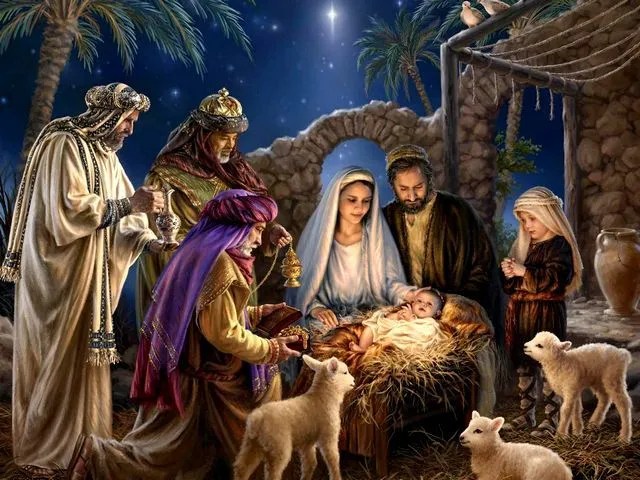
(Special) Mass for the Election of the Roman Pontiff / Missa pro Eligendo Pontifice (Gospel Reading)

John 15 : 9-17

As the Father has loved Me, so I have loved you. Remain in My love! You will remain in My love if you keep My commandments, just as I have kept My Father’s commandments and remain in His love. I have told you all this, that My own joy may be in you, and your joy may be complete.

This is My commandment : Love one another as I have loved you! There is no greater love than this, to give one’s life for one’s friends; you are My friends, if you do what I commanded you. I shall not call you servants any more, because servants do not know what their master is about. Instead I have called you friends, since I have made known to you everything I learnt from My Father.

You did not choose Me; it was I who chose you and sent you to go and bear fruit, fruit that will last. And everything you ask the Father in My Name, He will give you. This is My command, that you love one another.

(Special) Mass for the Election of the Roman Pontiff / Missa pro Eligendo Pontifice (Second Reading)

Ephesians 4 : 11-16

As for God’s gifts, to some He gave to be apostles, to others prophets, or even evangelists, or pastors and teachers. So He prepared those who belong to Him for the ministry, in order to build up the Body of Christ, until we are all united in the same faith and knowledge of the Son of God. Thus, we shall become the perfect Man, upon reaching maturity and sharing the fullness of Christ.

Then no longer shall we be like children tossed about by any wave or wind of doctrine, and deceived by the cunning of people who drag them along into error. Rather, speaking the truth in love, we shall grow in every way towards Him who is the Head, Christ. From Him, comes the growth of the whole body to which a network of joints gives order and cohesion, taking into account and making use of the function of each one.

So the Body builds itself in love.