Friday, 1 March 2013 : 2nd Week of Lent (Scripture Reflection)

We are urged today, not to have evil thoughts on our brothers and sisters today, as illustrated earlier in the story of Joseph in the first reading and the psalm, and how he was sold off in slavery to Egypt due to his brothers’ jealousy, which caused them to initially harbour evil thought of killing him. The same evil intent and plot also happened in the Gospel when the tenants disposed of the servants and the son of the landowner, in the intention of gaining the lands they have been lent with, and disobeying the owner’s wish.

We should not harbour such evil intent, but instead look upon our brothers and sisters with love. Especially, just as Christ has taught us, we should even also look upon our enemies and our persecutors with love! and pray for them too!

And then indeed, the story of the Gospel today, as many of you would know, is a parable on the life of Christ Himself, with the Pharisees and the chief priests being labeled as the evil tenants, as obviously stated in the Scripture. Jesus is the Son of the owner, who is God the Father, who sent Jesus to us, down to earth, just like the owner sent his son in the hope that he will be able to bring the tenants into line and pay up what they are supposed to pay.

But yet, the rejected ones, as we had seen, in both Jesus and Joseph, had become a great instrument of the Lord through their rejection by the people, represented by the brothers of Joseph and the tenants in the Gospel. For Joseph became the regent of Egypt through the gift of prophecy through dreams granted to him by God, which saved thousands if not many more souls from death, by the wise and ample preparation before famine ravaged Egypt for seven years. All these would not have happened without Joseph and his dreams.

Even greater is therefore the role of Christ, for in being rejected by the people, the ‘tenants’ particularly the chief priests, teachers of the Law, and the Pharisees, He has become the very instrument of salvation of all mankind. This rejection was represented by the arrest of Jesus, His trial by the Sanhedrin, leaders of the priests of Israel, and finally His condemnation to death, and His death on the cross. In this He, as the rejected stone by the builder, had become the cornerstone, the very vital part of God’s plan of salvation.

What is a cornerstone? While we do not often use the terms in daily life, architects and those dealing with infrastructure and buildings will know it very well. For cornerstone is named so, since, at the time of the Roman Empire, there is a passion for building commemorative and triumphal arches. Some of these arches can still be seen even today, and some remained in the city of Rome itself. Why are these arches so strong and so solid to be able to stand for centuries and even millenia? It is because of its structure, which is so wonderfully constructed even without modern technology to keep them intact, all just because of one single stone at the peak of the arch, which is called the cornerstone.

This cornerstone is the focal point and the most important point of the arch. For if the cornerstone is removed, the arch will immediately crumble. As long as the cornerstone remained in place, removing other stones from the arch would have minimum impact on the arch’s integrity. Similarly, cornerstone can also be found in other buildings, also known more as the foundation stone. This stone holds up the integrity of the whole building by just being there, and as long as the stone stands, the building will too.

Christ therefore, has become our cornerstone through His death and sacrifice on the cross, and later His glorious resurrection and triumph over death and evil. Why is He our cornerstone? That is because if we keep our anchor on Him, keeping faith in Him, and ensuring that our faith is anchored deeply and securely in Christ, no amount of worldly temptations, and no amount of attacks and persuasions by evil can sway us and make us to fall away from the grace of God.

Through Christ who is our cornerstone, we then can act out His love and compassion on all mankind, for only if we anchor ourselves in Christ, that we can act with love and kindness, out of our faith in God who also loves us dearly that He did not even hold back His Son to be given to us for sacrifice to liberate us from eternal damnation.

Then Christ too established His Church, our Church, as the living and concrete presence that represents Him and His mission in this world, and there was none other than Peter the Apostle, upon whom, as the Rock, Christ chose to build up His Church, making Peter the cornerstone of His Church, the Body of Christ, which is made up of all of us the faithful in Christ.

Now, that our Pope, Benedict XVI, who was the 264th successor of St. Peter, had stepped down from his position as our Pope effective today, our Church, God’s Church, has been left without that cornerstone of faith, which has been passed down since the day of Peter, the first cornerstone of the Universal Church. We still have Christ of course as our Cornerstone, on whom all hearts and minds must be directed to, but it is through the Apostle Peter and his successors, the Popes, that this is made manifest, by them being the cornerstone of God’s living presence in this world, that is the One, Holy, Catholic, and Apostolic Church.

Therefore, today, and through the sede vacante period, and beyond that, let us pray, brothers and sisters in Christ, that first, we all will remain ever faithful, and that our anchor of faith will ever be solidly planted in the cornerstone that is Christ our Lord, always remembering His rejection and sacrifice on the cross that made Him the cornerstone of our life, the cornerstone of salvation, that enabled mankind to return and be reunited with God.

And then, we also pray in particular for our Church, that God will guide the Cardinal-electors who will elect a new Pope to succeed our beloved Pope Benedict XVI, with the guidance of the Holy Spirit sent by God upon all of them. That the world will again have a tangible cornerstone that is the successor of St. Peter, who made the Cornerstone of Christ manifest and real in this world, as the cornerstone of God’s most Holy Church, and as the cornerstone and head of the Body of Christ, the Church, leading all the faithful in Christ in unity with Christ their Saviour.

In the end, the cornerstone, although important, still requires the presence of all of us, the stones surrounding the cornerstone, for the cornerstone by itself will not make a building. Therefore, brothers and sisters in Christ, let us support the new Pope, whoever he will be, as all the people who believe in Christ, that the new Pope, the future cornerstone of the Church, will together build up a solid and strong Church, that is able to project God’s love and work into this world, that more and more people will be saved.

May God bless all of us, bless His Church, bless our retired Pope Emeritus Benedict XVI, and his soon-to-be elected successor. Amen!

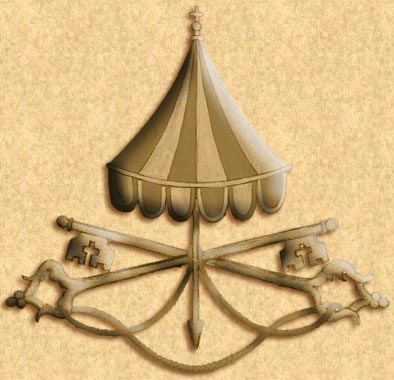
Sede Vacante has begun. The See of Rome is Vacant

Therefore, as of now, Thursday, 28 February 2013, at 8 pm CET (UTC+1), Pope Benedict XVI is no longer our Pope, and the See of Rome is vacant.

Image

Let us all pray, first for His Holiness Benedict XVI, Bishop Emeritus of Rome, that God will continue to guide him in his prayerful life as a simple pilgrim, to the end of his journey in this world. We will always remember him as our beloved Pope.

Then, of course, let us pray that God will soon appoint the new shepherd, successor of St. Peter the Apostle, through the Holy Spirit and guidance to the Cardinal-electors who will elect the new Pope in the conclave which will begin likely in about 10 days from now, according to the rules of Apostolic Constitution Universi Dominici Gregis and the corresponding modifications by the Motu Proprio Normas Nonnullas.

Cardinal Angelo Scola : An intellectual Cardinal with humble backgrounds

Cardinal Angelo Scola, the current Metropolitan Archbishop of Milan, was born in humble, poorer family, with a truck driver as a father, and his mother was a simple housewife. Yet behind that humble origins, lie a powerful intellect and mind, and which in addition to his close friendship with our Pope Benedict XVI made him not only a great pastor and shepherd, but also a great intellectual powerhouse of the Church. He published more than 120 books and works on theology and other matters of the faith, and one of the great writers of the Church like Pope Benedict XVI as Cardinal Joseph Ratzinger.

Cardinal Angelo Scola was made as Bishop of Grosseto in 1991, before appointed as Rector Magnificus of the Pontifical Lateran University in 1995. At the same time, he was also made the president of the Pontifical Institute of John Paul II for Studies on Marriage and Family. In 2002, he was appointed as the Patriarch of Venice, and was made a Cardinal-Priest of Ss. XII Apostoli (Twelve Apostles) in the Consistory of October 2003.

Cardinal Scola was then appointed as the new Metropolitan Archbishop of Milan, the largest archdiocese in Italy and in the world, in June 2011, and received his pallium (symbol of office of the Metropolitan Archbishop) personally from Pope Benedict XVI himself.

Let us pray for Cardinal Scola, that if he is elected as our new Pope, that God will continue to be with him and guide him as He has always done until now. Pray for our Cardinal-electors, that they will make their choice guided by the Holy Spirit to elect a new shepherd for God’s holy people.

Pope Benedict XVI’s latest and last Motu Proprio : Normas Nonnullas on the Papal Conclave (Updated)

http://www.vatican.va/holy_father/benedict_xvi/motu_proprio/documents/hf_ben-xvi_motu-proprio_20130222_normas-nonnullas_lt.html

Pope Benedict XVI has published his last Motu Proprio concerning the rules of the Conclave as laid out in the Apostolic Constitution Universi Dominici Gregis, by Blessed Pope John Paul II, to clarify and modify some portions of the rules to suit the developments in the current time, and to affirm the rules as written in the Universi Dominici Gregis.


1. Cardinal-electors that had been given the right to elect the new Pope and had been rightfully granted that right must not be deprived of his right to join the Conclave and elect the new Pope.


2. It grants the College of Cardinals more liberty in the date of the commencement of the Conclave, providing all the Cardinals rightfully given the voting rights and intending to attend the Conclave has been gathered in Rome, as opposed to the previous rule of compulsory 15 days between the vacancy of the See of Rome to the beginning of the Conclave. 15 days here should still be observed, but if the College deems it right for the Conclave to begin, they can do so. Thus, the Conclave can begin earlier than 15 March 2013 for this year’s Conclave.


3. The whole area of the Vatican City and the areas around the Sistine Chapel will be restricted during the period of the Conclave, to prevent any leakage of secrecy of the Conclave to the outside world. Especially the area from Domus Sancta Marthae where the Cardinals reside during the Conclave and the Sistine Chapel, where they gather and vote. Anyone breaching this rule, will be given latae sententiae (automatic) excommunication, which is more precisely mentioned than the previous rule, which only mentioned severe punishment. Latae sententiae excommunication is specified in the new ruling.


4. The oaths prescribed in the Universi Dominici Gregis, to be taken by every Cardinal-electors at the start of the Conclave. In addition, in the new rule, all those involved in the Conclave, also have to take the oath, not just the Cardinal-electors :

Latin : ‘Ego N. N. promitto et iuro me inviolate servaturum esse secretum absolutum cum omnibus quotquot participes non sunt Collegii Cardinalium electorum, hoc quidem in perpetuum, nisi mihi datur expresse peculiaris facultas a novo Pontifice electo eiusve Successoribus, in omnibus quae directe vel indirecte respiciunt suffragia et scrutinia ad novum Pontificem eligendum.

Itemque promitto et iuro me nullo modo in Conclavi usurum esse instrumentis quibuslibet ad vocem transmittendam vel recipiendam aut ad imagines exprimendas quovis modo aptis de iis quae tempore electionis fiunt intra fines Civitatis Vaticanae, atque praecipue de iis quae quolibet modo directe vel indirecte attinent ad negotia coniuncta cum ipsa electione. Declaro me editurum esse ius iurandum utpote qui plane noverim quamlibet eius violationem adducturam esse excommunicationis mihi poenam latae sententiae Sedi Apostolicae reservatae.’

English (rough translation) : ‘I, NN., promise and swear to keep inviolate the absolute secret from all those who are not participants in the (election of the Pope) by the College of Cardinals, even in perpetuity, unless expressly given me special permission from the newly elected Pope and his successors, in all things which are directly or indirectly concern the votes and ballots to the choosing a new Pope.

So again, I promise and I swear I am in no way, whatsoever, to the sound of instruments in the Conclave of sending or receiving, or would make use of to  represent the images in any way suitable at the time of the election are to be done within the confines of Vatican City on those matters which, in any way, and especially on those matters which pertain to the business of directly or indirectly linked to with the election. It is well explained and clear to me, who so obviously should know that any violation of his oath will lead to excommunication to me, under the penalty of latae sententiae excommunication, reserved to the Apostolic See.


5. That the new Pope can only be elected with secret ballot or scrutiny. No acclamation, no compromise, and no absolute majority (or more than 50% of votes) in the event of long conclave. This has been earlier abrogated by Pope Benedict XVI who reiterated the absolute requirement of at least two-thirds of all Cardinals’ votes for one to be elected a new Pope.


6. If the Conclave failed to reach conclusion after a period of time, a day of prayer and reflection, and contemplation should be included before voting begins again. Then in the next round of voting, only the two names with the highest number of votes in the previous ballot would be included.


7. The formula of the question by the Cardinal Dean to the newly elected Pope is affirmed :


Latin : Acceptasne electionem de te canonice factam in Summum Pontificem?

English : Do you accept the Canonical election as the Supreme Pontiff?


Latin : Accepto

English : I accept


Latin : Quo nomine vis vocari?

English : What do you wish to be called?


Latin : Vocabor X

English : I wish to be called X.

(X will be the regnal name, for example, Benedict for our Pope Benedict XVI)

Sunday, 24 February 2013 : 2nd Sunday of Lent (Scripture Reflection)

The Lord, Jesus Christ, who was transfigured on the mountain, as we heard in the Gospel today, we know to be both fully human and fully divine. He is fully human, having been incarnate into flesh through the Blessed Virgin Mary and the power of the Holy Spirit, and also being fully divine, as He is the Word of God, through whom all things were created by God the Father. Lord Jesus Christ, the Son of God, was sent, by the Father to us, so that all of us can be saved, and can have hope to return to God who loves us, and not be lost to Satan and death.

Elijah and Moses appeared to Jesus on the mountain, because they represented the two aspect of the Old Testament, that Jesus had come to fulfill, and perfect through His new covenant, as told in the New Testament. Elijah represents the prophets, whom had come through the centuries before the coming of Christ, to proclaim His coming, and the prophecies that through Jesus were fulfilled, and all telling of the coming salvation of the people of God from the tyranny of sin, and the end of the separation that had separated God from mankind.

Moses represents the Law, which was given by God Himself at Mount Horeb, the holy mountain, to Moses during his 40 days stay there. This Law includes the Ten Commandments of love, and the other laws of the people of Israel. Christ had come to perfect this Law by explaining the Law, and based them on the very nature of God Himself, which is love. That the Law is made out of God’s love for mankind, and that mankind must not blindly subject themselves to the Law, but rather understand them and carry them out in love for the good of their fellow men.

In today’s transfiguration story, it is indeed noteworthy how, we humans prefer things that are good, and we always hope that things will stay our way, and we like to stay within our comfort zone, that is the sphere that keeps us from the harms and dangers of the outside world. Such was why Peter suggested to Jesus, that they stay there in Christ’s glory, and not come down from the mountain. To come down from the mountain for Jesus, as mentioned that He spoke about that mission to both Elijah and Moses, was to be death for Him, as He would die on the cross, but would rise again on the third day.

He chose to come down, and the Lord too told the disciples to obey Him, through the voice in the cloud, not to be tempted to stay on in glory, but to descend and continue the mission. In this case, Christ lowered Himself such from His glory revealed at the Transfiguration, and in perfect humility and obedience to God, laid down His life for all His sheep, the children of God, for their salvation. It is Christ’s obedience that allow God to exercise the greatest work of all, that is the salvation of all mankind, and the salvation of the world.

Similarly, Abram, who is later to be known as Abraham, was rewarded by God with the promise that his descendants will be numerous as the stars and will receive the Promised Land, all because of Abram’s great faith, obedience, and love to God. Later on, we are told that such is his great faith and obedience, he was willing to sacrifice his own son, Isaac, the son of the promise, to obey the Lord’s will. The Lord saw his faith, and rewards him greatly.

If Abraham was willing to sacrifice his own son, how much more would the Lord therefore then do for our sake? That is to give His own Son, which is part of Him in the Holy Trinity, to be a man and then die so that we can live?

We too, today therefore, brothers and sisters in Christ, should imitate Abram/Abraham and Christ, who do not just stay in their comfort zone, and rather do their best to fulfill the mission entrusted to them by God, no matter how difficult it was. Jesus had to face suffering and death, and Abram had to later to face the fact that the beloved son he was given to by the Lord, he had to sacrifice to the Lord. We do not face such difficult challenges, but we too have our own challenges in accepting and fulfilling the missions God has entrusted us with.

Too many times that we have failed to fulfill these missions simply because, we are content with our comfort zone, with whatever abundance we already have in this world, and in our own circles, either in our own family, with our own friends, or in our own career and workplace, and in the achievements and glory that we have achieved and made. We have to make sure that we step out of this comfort zone, as we ourselves are not Christians and not baptised just to be idle in our faith.

Our Catholic faith teaches us that we have to be proactive and do good for the sake of our brethren. Many people have need for our help and actions, and just as Coadjutor Archbishop William Goh mentioned in his recent ordination speech, our Church cannot be just a ‘maintenance church’, but rather must be a vibrant and powerful Church, that exerts its influence and love into this world.

Just like Abram, who was greatly rewarded by God out of his love and obedience to God, shall we then also obey God’s will, that is to help others around us, spread the Gospel and the Good News of our Lord, especially to those who seek for it, and to give the love of God that flows through us, to all mankind, that everyone too can become the children of God, and just like Abram, to be rewarded eventually with grace from God, which for us, is the promise of life eternal with Him in heavenly glory.

For no glory can come without hard work, and no glory exists without its sufferings and humility. The glorious Christ humbled Himself that all of us have hope through Him, by offering His own Body as the bridge between us and God.

Therefore, brothers and sisters in Christ, today, let us be transfigured, and transformed just like Christ was, but not the way Christ was, rather, let us shed our old, passive, and idle path, our idle and dormant faith. Instead, let us boldly step forward into this world, bringing into it, the message of the Good News of our God, and to serve all peoples humbly with sincerity and love, both love for our fellow men, and for our Father who loves us. May God bless us today in all our works, in all our actions, and in all our dealings, that in all things that we do, we will always bring life and love to others, and to glorify God’s Name at all times. Forever and ever. Amen.

Available videos on the Episcopal Ordination of Coadjutor Archbishop William Goh of Singapore

The part of the laying on of the hands on the Coadjutor Archbishop by the principal consecrator, Archbishop Leopoldo Girelli, and the co-consecrators and the other bishops present. Pouring of the Holy Spirit (passing of the Apostolic authority), and finally the imposition of the bishop’s pontificalia on the Coadjutor Archbishop, and his enthronement at his cathedra with his new coat-of-arms.

Also included is the special anthem composed by the Cathedral Choir master, titled Ut Vivant, in conjunction with the Coadjutor’s motto, Ut vivant (that they may live).


The speech made by Coadjutor Archbishop William Goh at the end of the Ordination Mass, thanking all present and all who had a hand in making the event a success, and he laid out the vision he has for the Church in Singapore.


(If there is any full video of the event available either on the internet or for purchase, I will update as soon as there is any news available on the matter).

Coadjutor Archbishop of Singapore, Archbishop William Goh ordained at MAX Pavilion, EXPO on Friday, 22 February 2013

On the Feast of Chair of Saint Peter the Apostle, in the presence of 14,000 of the faithful and many other invited state and religious dignitaries, and the presence of several bishops of the region, the priests of the Archdiocese of Singapore, and the priests and religious from the region, from Malaysia, and even from India, and Myanmar, Coadjutor Archbishop of Singapore, Archbishop William Goh Seng Chye was ordained bishop by the Apostolic Nuncio to Singapore, Archbishop Leopoldo Girelli.

Aiding Archbishop Girelli, as the co-consecrators were Archbishop of Singapore, Archbishop Nicholas Chia, and Metropolitan Archbishop of Kuala Lumpur, Archbishop Murphy Pakiam. Also present, and helped with the ordination were the Metropolitan Archbishop Emeritus of Kota Kinabalu, Archbishop John Lee; his successor, Archbishop John Wong; the Bishop of Penang, Bishop Sebastian Francis, and many other archbishops and bishops from the region.

In his speech at the end of the Mass, the newly ordained Archbishop William Goh thanked all those who had made the Ordination Mass possible, despite the short time period of 55 days since the announcement that he has been made the Coadjutor Archbishop of Singapore. He thanked the organising committee for their hard work to ensure that a proper place is secured and everything falls right into place on the day of the event. He showed that the Church in Singapore is vibrant, and can indeed grow even more, and that all of us the faithful, has to be proactive, and reach out to others, and not be passive. He and Archbishop Girelli also warned against the temptations of the modern world, including moral relativism and other forms of relativism.

Now that our Coadjutor Archbishop has finally been ordained, let us all pray for him, that as he begin this new journey, this new ministry as bishop, Archbishop William Goh will continue to be guided and inspired by the Holy Spirit, that through him and his works, our faith in God will continue to be ever strengthened.

Tuesday, 19 February 2013 : 1st Week of Lent (Scripture Reflection)

Jesus, who is the Word of God made flesh, as mentioned in the beginning of the Gospel of John, has indeed come forth from the Lord who is our Father, God the Father, and down to us, on earth, as one of us, the mankind, save without sins unlike us. The Word of God was with the Father before creation, and before all ages, and is part and indivisible with the Father in the unity of the Holy Trinity with the Holy Spirit, one God, the living God of Abraham, Isaac, and Jacob, who saved the people of Israel and brought them out of the land of Egypt into the promised land, and promised salvation to them through the being of the Messiah.

Prophets had risen and announced the future coming of Christ, who is the Messiah. Who can guess that this Messiah is none other than that Word of God Himself, as prophesied by the prophet Isaiah in the first reading today. Through Him, indeed, that He accomplished much for the Lord, His Father, and the purpose for which He has been sent into this world, He obediently followed unto His own death on the cross for our own redemption for sin and death.

Remember that in Creation, the Lord spoke, and the Word of God made the creation manifest, from light, to the skies, to the sun, the moon, and the stars, to all the animals, and finally to all of us, His beloved children. This Word of God is Christ who is one with the Father and indivisible in Holy Trinity, with the Holy Spirit whom gave us life, just as God breathed life into the dust that was Adam, this life-giving breath is the Holy Spirit, one with the Father in the sacred and indivisible Holy Trinity. Three equal and distinct part of the one, true God, but at the same time indivisible and perfect in unity.

Then, finally, through Jesus, that Word of God, and the Son of God, who came down through Mary to become humble man like us, we too, have been made the children of God, for Jesus is our Brother, and just as He call God the Father, His Father, we too call God our Father.

This is the centre of the very prayer, the perfect prayer that Christ taught His disciples, and through them, this prayer, descended to us, who know the prayer as the Pater Noster, or the Lord’s Prayer, or ‘Our Father’, whom we all should know by heart, since we always pray it during every Mass that we celebrate. This prayer is not a prayer of selfishness, and not a prayer of incessant requests, but it is a pure prayer coming out of the very Word of God, Christ, the Messiah, that begins by glorifying God, His Holy Name and His magnificence in heaven and earth, as Lord over all creations, over angels and mankind alike, and in humility asks the Lord for just what is enough, our daily bread, that we can be satisfied enough, and have enough, but not excessively.

Then, what is even more important, as this is tied with the message of Love, the commandments of Love that Christ brought, to perfect the Laws and the commandments given to Moses, is the prayer for forgiveness, but which requires us, to first take the action to forgive others, out of love. For it is indeed very difficult to forgive, and it is our very human nature that tempted us to hate, and to attack others who had hurt us, either physically or mentally. However, this hatred and violence merely lead to even more hatred and violence, and even death, through an endless cycle of hate, suffering, sin, and death. Christ taught us to take the courageous first step to reject Satan and his temptations for us to enter this cycle of death, and be courageous to forgive those who has done bad things to us.

For this creates a new cycle, a cycle of love, in which, we counter not the assaults others made with hatred, and even more assaults on our own, but we surrender ourselves entirely to God’s love, and let God’s love take over all our being, and make us an instrument of His love, through forgiving others, even those who had hurt us the most. This is why we pray that we will not fall into temptation, and ask the Lord to help us from the evil one, Satan, who always tries to pit one man against another.

Let us today reflect on the words of the Word of God, who is Christ, the Word of God made flesh through Mary, and through whose ministry, He returned to the Lord not empty-handed, but brought with Him the entire human race, saved from the slavery of Satan and sin. Let us be brave and fill ourselves with God’s love, and faith in God, that we are able to take the courageous step to start forgiving those who are our enemies, those who had hurt us, those who had persecuted, or neglected us. That in doing so, we know that not only that our sins, the sins of those who hated and persecuted us, are forgiven, but that we know that we have a part in the Messianic mission of the Word of God, whom since creation has loved us with the Father, and will always love us, through His death, and until His second coming, when all creations will be made good once again.

May God, our Father, bless us with grace this day, and forever after. May God be with all of us always, especially at the time of our greatest need. Amen.

Episcopal Ordination of Coadjutor Archbishop William Goh of Singapore, Part I : The Mass and ceremony itself

What is an Episcopal Ordination? It is the event celebrated with a Mass that mark the continuation of the Apostolic ministry to a new bishop, signified most importantly by the laying of hands by other bishops and the presiding bishop (consecrator), and the imposition of the pontificalia or the vestments and items particular to bishops, which are all representative of his ministry as bishop.

I have written this in conjunction with the Episcopal Ordination of the Coadjutor Archbishop of the Archdiocese of Singapore, Archbishop William Goh Seng Chye, which will be held in the EXPO, Singapore on Friday, 22 February 2013, on the Feast of Chair of St. Peter.


Some terms :

Consecrator : the main presiding bishop at the Episcopal Ordination, similar to celebrant in the celebration of the Mass. In the case of Friday’s ordination, it will be the Apostolic Nuncio to Singapore, Archbishop Leopoldo Girelli

Co-consecrators : the assistant bishops at the Episcopal Ordination, similar to concelebrant in the celebration of the Mass. In the case of Friday’s ordination, it will be the Archbishop of Singapore, Archbishop Nicholas Chia, and the Metropolitan Archbishop of Kuala Lumpur, Archbishop Murphy Pakiam.

Other bishops present in the Ordination can also help out with the laying of the hands, following that of the consecrator and co-consecrator’s laying of hands.


The ceremony itself will begin as a usual Mass would, beginning with the entrance procession. The new bishop to be ordained usually walks in front of the presiding bishop (consecrator), and usually accompanied by two deacons (just as all bishops should, that means the presiding bishop too when available should also have two deacons to accompany him).

Then begin the Mass as usual with the incensing of the altar, the sign of the Cross, the opening address if there is any, and followed by the Penitential Act (I confess to Almighty God…) and the Kyrie (Lord have mercy). Gloria follows after that. One may ask that this is Lenten season where Gloria is not used, but the day of the ordination for this case, 22 February falls on the Feast of Chair of St. Peter where Gloria is used (as is Te Deum later in the ceremony).


After Gloria concludes, then it comes to the opening prayer, and then the readings come as per the usual Mass. First Reading, followed by the Psalm, and finally by the Gospel. No Alleluia for this case since it happens during Lent, and at Lent Alleluia is always omitted, so we have the Lenten Gospel Acclamation instead.

After the Gospel, the Ordination ceremony proper begins.


The first part begins with usually the singing of the Hymn of the Holy Spirit (Veni Creator Spiritus), with all the verses used. Then after the Hymn is completed, this is followed by the presentation of the Bishop/Archbishop-elect, that is Coadjutor Archbishop-elect William Goh in this case (He is not yet legally and validly bishop at this point).

The presiding bishop can give a homily following the presentation of the Bishop-elect, usually to explain on the ministry of the bishop and the nature of that ministry.


Then the promise/vow of the bishop-elect follows, where the new Bishop solemnly vows before God his promise : (In Latin and English)

1. Latin : Antiqua sanctorum Patrum institutio praecipit, ut, qui Episcopus ordinandus est, coram populo interrogetur de proposito fidei servandae et muneris exsequendi.

Vultis ergo, frater carissimus (fratres carissimi if plural), munus nobis ab Apostolis creditum et vobis per impositionem manuum nostrarum tradendum cum gratia Spiritus Sancti usque ad mortem explere?

English : The ancient rule of the holy Fathers ordains that a Bishop-elect is to be questioned in the presence of the people on his resolve to uphold the faith and to discharge his duty.

And so dear brothers, do you resolve by the grace of the Holy Spirit to discharge until death the office entrusted to us by the Apostles, which we are about to pass on to you by the laying on of our hands?

The bishop-elect answers : Volo (English : I do)


2. Latin : Vultis Evangelium Christi fideliter et indesinenter praedicare?

English : Do you resolve to preach the Gospel of Christ with constancy and fidelity?

The bishop-elect answers : Volo (English : I do)


3. Latin : Vultis depositum fidei, secundum traditionem inde ab Apostolis in Ecclesia semper et ubique servatam, purum et integrum custodire?

English : Do you resolve to guard the deposit of faith, entire and incorrupt, as handed down by the Apostles and preserved in the Church everywhere and at all times?

The bishop-elect answers : Volo (English : I do)


4. Latin : Vultis corpus Christi, Ecclesiam eius, aedificare et eius unitate cum Ordine Episcoporum, sub auctoritate successoris beati Petri Apostoli, permanere?

English : Do you resolve to build up the body of Christ, His Church, and to remain in the unity of that body together with the Order of Bishops under the authority of the successor of Saint Peter the Apostle?

The bishop-elect answers : Volo (English : I do)


5. Latin : Vultis beati Petri Apostoli successori, obaedientiam fideliter exhibere?

English : Do you resolve to render obedience faithfully to the succesor of the blessed Apostle Peter?

The bishop-elect answers : Volo (English : I do)


6. Latin : Vultis plebem Dei sanctam, cum comministris vestris presbyteris et diaconis, ut pii pater, fovere et in viam salutis dirigere?

English : Do you resolve to guide the holy people of God in the way of salvation as devoted father and sustain them with the help of your fellow ministers, the priests, and deacons?

The bishop-elect answers : Volo (English : I do)


7. Latin : Vultis pauperibus et peregrinis omnibusque indigentibus propter nomen Domini affabiles et misericordes vos praebere?

English : Do you resolve, for the sake of the Lord’s Name, to be welcoming and merciful to the poor, to strangers, and to all who are in need?

The bishop-elect answers : Volo (English : I do)


8. Latin : Vultis oves errantes ut boni pastores requirere et ovili dominico aggregare?

English : Do you resolve as good shepherds to seek out the sheep who stray and gather them into the Lord’s fold?

The bishop-elect answers : Volo (English : I do)


9. Latin : Vultis Deum omnipotentem pro populo sancto indesinenter orare et sine reprehensione summi sacerdotii munus explere?

English : Do you resolve to pray without ceasing to Almighty God for the holy people and to carry out the office of high priest without reproach?

The bishop-elect answers : Volo, Deo auxiliante (English : I do, with the help of God)


After this, the Litany of the Saints begins, asking the prayer from all the saints, martyrs, and all holy men of God to pray for the new bishop. The bishop-elect prostrate himself on the floor as a sign of humility before God, during the Litany of the Saints.


(R = reply) (Here shown both Latin and English versions)

1. Kyrie, eleison                                        R : Kyrie, eleison

Lord, have mercy                                    R : Lord, have mercy


2. Christe, eleison                                    R : Christe, eleison

Christ have mercy                                   R : Christ, have mercy


3. Kyrie, eleison                                       R : Kyrie, eleison

Lord have mercy                                     R : Lord, have mercy


4. Sancta Maria, Mater Dei                  R : ora pro nobis

Holy Mary, Mother of God                  R : pray for us


5. Sancte Michael                                    R : ora pro nobis

Saint Michael                                            R : pray for us


6. Sancti Angeli Dei                                 R : orate pro nobis

Holy Angels of God                                 R : pray for us


7. Sancte Ioannes Baptista                   R : ora pro nobis

Saint John the Baptist                             R : pray for us


8. Sancte Ioseph                                        R : ora pro nobis

Saint Joseph                                                R : pray for us


9. Sancte Petre                                            R : ora pro nobis

Saint Peter                                                    R : pray for us


10. Sancte Paule                                         R : ora pro nobis

Saint Paul                                                      R : pray for us


11. Sancte Andrea                                      R : ora pro nobis

Saint Andrew                                               R : pray for us


12. Sancte Iacobe                                       R : ora pro nobis

Saint James                                                   R : pray for us


13. Sancte Ioannes                                     R : ora pro nobis

Saint John                                                      R : pray for us


14. Sancte Thoma                                        R : ora pro nobis

Saint Thomas                                                 R : pray for us


15. Sancte Iacobe                                        R : ora pro nobis

Saint James                                                    R : pray for us


16. Sancte Philippe                                      R : ora pro nobis

Saint Philip                                                      R : pray for us


17. Sancte Bartholomae                             R : ora pro nobis

Saint Bartholomew                                       R : pray for us


18. Sancte Matthae                                       R : ora pro nobis

Saint Matthew                                                 R : pray for us


19. Sancte Simon                                            R : ora pro nobis

Saint Simon                                                       R : pray for us


20. Sancte Thaddae                                       R : ora pro nobis

Saint Thaddeus                                                R : pray for us


21. Sancte Matthia                                         R : ora pro nobis

Saint Matthew                                                  R : pray for us


22. Sancta Maria Magdalena                      R : ora pro nobis

Saint Mary Magdalene                                  R : pray for us


23. Sancte Stephane                                       R : ora pro nobis

Saint Stephen                                                    R : pray for us


24. Sancte Ignati Antiochene                     R : ora pro nobis

Saint Ignatius of Antioch                              R : pray for us


25. Sancte Laurenti                                         R : ora pro nobis

Saint Lawrence                                                  R : pray for us


26. Sanctae Perpetua et Felicitas               R : orate pro nobis

Saint Perpetua and Saint Felicity               R : pray for us


27. Sancta Agnes                                              R : ora pro nobis

Saint Agnes                                                         R : pray for us


28. Sancte Georgi                                             R : ora pro nobis

Saint George                                                       R : pray for us


29. Sancte Fortunate                                      R : ora pro nobis

Saint Fortunatus                                               R : pray for us


30. Sancte Gregori                                           R : ora pro nobis

Saint Gregory                                                     R : pray for us


31. Sancte Augustine                                      R : ora pro nobis

Saint Augustine                                                R : pray for us


32. Sancte Athanasi                                        R : ora pro nobis

Saint Athanasius                                              R : pray for us


33. Sancte Basili                                               R : ora pro nobis

Saint Basil                                                            R : pray for us


34, Sancte Martine                                          R : ora pro nobis

Saint Martin                                                       R : pray for us


35. Sancte Nicolae                                          R : ora pro nobis

Saint Nicholas                                                   R : pray for us


36. Sancte Benedicte                                     R : ora pro nobis

Saint Benedict                                                  R : pray for us


37. Sancte Francisce et Dominice            R : orate pro nobis

Saint Francis and Saint Dominic               R : pray for us


38. Sancte Francisce Xavier                       R : ora pro nobis

Saint Francis Xavier                                      R : pray for us


39. Sancte Vincenti de Paul                        R : ora pro nobis

Saint Vincent de Paul                                    R : pray for us


40. Sancte Ioannes Maria Vianney         R : ora pro nobis

Saint John Mary Vianney                            R : pray for us


41. Sancta Catharina Senensis                   R : ora pro nobis

Saint Catherine of Siena                               R : pray for us


42. Sancta Teresia a Iesu                             R : ora pro nobis

Saint Teresa of Jesus                                     R : pray for us


43. Omnes Sancti et Sanctae Dei                   R : orate pro nobis

All holy men and women, Saints of God    R : pray for us


44. Propitius esto                                           R : libera nos, Domine

Lord, be merciful                                            R : Lord, deliver us, we pray


45. Ab omni malo                                           R : libera nos, Domine

From all evil                                                     R : Lord, deliver us, we pray


46. Ab omni peccato                                     R : libera nos, Domine

From every sin                                                R : Lord, deliver us, we pray


47. A morte perpetua                                    R : libera nos, Domine

From everlasting death                                R : Lord, deliver us, we pray


48. Per incarnationem tuam                       R : libera nos, Domine

By Your incarnation                                       R : Lord, deliver us, we pray


49. Per mortem et resurrectionem tuam        R :  libera nos, Domine

By Your death and resurrection                        R : Lord, deliver us, we pray


50. Per effusionem Spiritus Sancti             R : libera nos, Domine

By the outpouring of the Holy Spirit         R : Lord, deliver us, we pray


51. Peccatores                                                    R : Te rogamus, audi nos

Be merciful to us sinners                               R : Lord, we ask You, hear our prayer


52. Ut Ecclesiam tuam sanctam regere et conservare digneris

R : Te rogamus, audi nos

Govern and protect your Holy Church

R : Lord, we ask You, hear our prayer


53. Ut domnum apostolicum et omnes ecclesiasticos ordines in sancta religione conservare digneris

R : Te rogamus, audi nos

Keep the Pope and all the ordained in faithful service to Your Church

R : Lord, we ask You, hear our prayer


54. Ut hos electos benedicere digneris              R : Te rogamus, audi nos

Bless these (this) chosen men (man)                   R : Lord, we ask You, hear our prayer


55. Ut hos electos benedicere et santificare digneris

R : Te rogamus, audi nos

Bless and sanctify these (this) chosen men (man)

R : Lord, we ask You, hear our prayer


56. Ut hos electos benedicere et sanctificare et consecrare digneris

R : Te rogamus, audi nos

Bless, sanctify, and consecrate these (this) chosen men (man)

R : Lord, we ask You, hear our prayer


57. Ut cunctis populis pacem et veram concordiam donare digneris

R : Te rogamus, audi nos

Bring all peoples together in peace and true harmony

R : Lord, we ask You, hear our prayer


58. Ut omnis in tribulatione versantibus misericordiam tuam largiri digneris

R : Te rogamus, audi nos

Comfort with Your mercy the troubled and the afflicted

R : Lord, we ask You, hear our prayer


59. Ut nosmetipsos in tuo sancto servitio confortare et conservare digneris

R : Te rogamus, audi nos

Strengthen all of us and keep us in Your holy service

R : Lord, we ask You, hear our prayer


60. Iesu, Fili Dei vivi                                            R : Te rogamus, audi nos

Jesus, Son of the living God                              R : Lord, we ask You, hear our prayer


61. Christe, audi nos                                            R : Christe, audi nos

Christ, hear us                                                        R : Christ, hear us


62. Christe, exaudi nos                                      R : Christe, exaudi nos

Christ, graciously hear us                                R : Christ, graciously hear us


(The Litany of the Saints is slightly different and longer than the usual one as this one is used for the Episcopal Ordination Mass proper, which contains more prayers for the bishop-elect)


Then the presider will pray this prayer after the Litany :

Latin : Propitiare, Domine, supplicationibus nostris, et inclinato super hos famulos tuos cornu gratiae sacerdotalis, benedictionis tuae in eos effunde virtutem. Per Christum Dominum nostrum. Amen.

English : Graciously hear our petitions, o Lord, and pour out upon these, Your servants, the power of Your blessing, flowing from the horn of priestly grace. Through Christ our Lord. Amen.


The imposition or laying of hands then follow. Beginning with the consecrator and the co-consecrators, they lay their hands on the bishop-elect’s head, as a sign of the passing down of the Holy Spirit they themselves have received through the Apostolic Succession, from the Apostles, and therefore from Christ.

(During this time, the other bishops in attendance may also lay their hands on the head of the new Bishop as a symbol of the continuing power that came from the Apostles, the unbroken Apostolic Succession from the Apostles themselves, empowering the new Bishop with the same authority and power God has given to the Apostles).


Then this is followed by the placing of the Holy Scripture opened up above the head of the new Bishop, as a symbol that the new Bishop will stay true to the Word of God in the Scripture, and will do his best to carry out the will of God, and make the Word of God centre of his life and his mission as the Bishop, as the shepherd of God’s people.

The moment and words that made an Episcopal Ordination valid and legal (when done by the proper authority and in accordance with the Canon Law) are highlighted in bold below. The Principal consecrator then pray together with the co-consecrators and the other bishops over the new Bishop (with the Sacred Scripture above his head).


Latin : Deus et Pater Domini nostri Iesu Christi, Pater misericordiarum et Deus totius consolationis, qui in excelsis habeas et humilia respicis, qui cognoscis omnia antequam nascantur, tu qui dedisti in Ecclesia tua normas per verbum gratiae tuae, qui praedestinasti ex principio genus iustorum ab Abraham, qui constituisti principes et sacerdotes, et sanctuarium tuum sine ministerio non dereliquisti, cui ab initio mundi placuit in his quos eligisti glorificari :

Et nunc effunde super hos electos eam virtutem, quae a te est, Spiritum principalem, quem dedisti dilecto Filio tuo Iesu Christo, quem ipse donavit sanctis Apostolis, qui constituerunt Ecclesiam per singula loca ut sanctuarium tuum, in gloriam et laudem indeficientem nominis tui.

Da, cordium cognitor Pater, his servis tuis, quos elegisti ad Episcopatum, ut pascant gregem sanctum tuum, et suum sacerdotium tibi exhibeant sine reprehensione, servientes tibi nocte et die, ut incessanter vultum tuum propitium reddant et offerant dona sanctae Ecclesiae tuae; da ut virtute Spiritus summi sacerdotii habeant potestatem dimittendi peccata secundum mandatum tuum; ut distribuant munera secundum praeceptum tuum et solvant omne vinculum secundum potestatem quam dedisti Apostolis; placeant tibi in mansuetudine et mundo corde, offerentes tibi odorem suavitatis, per Filium tuum Iesum Christum, per quem tibi gloria et potentia et honor, cum Spiritu Sancto in sancta Ecclesia et nunc et in saecula saeculorum. Amen.


English : God and Father of our Lord Jesus Christ, Father of mercies and God of all consolation, who dwell on high and look on the lowly, who know all things before they come to be; and who laid down observances in Your Church through the word of Your grace; who from the beginning, foreordained a nation of the just, born of Abraham; who established rulers and priests and did not leave Your sanctuary without ministers, and who, from the foundation of the world, were pleased to be glorified in those You have chosen :

Pour out now upon these (this) chosen ones (one) that power which is from You, the Spirit of governance whom You gave to Your beloved Son, Jesus Christ, the Spirit whom He bestowed upon the holy Apostles, who established the Church in each place as Your sanctuary for the glory and unceasing praise of Your Name.

Grant, o Father, knower of all hearts, that these (this), Your servant(s), whom You have chosen for the office of Bishop may shepherd Your holy flock, Serving You night and day, may they fulfill before You without reproach the ministry of the High Priesthood; so that, always gaining Your favour, they (he) may offer up the gifts of Your Holy Church. Grant that, by the power of the Spirit of the High Priesthood, they may have the power to forgive sins according to Your command, assign offices according to Your decree, and loose every bond according to the power given by You to the Apostles. May they please You by their meekness and purity of heart, presenting a fragrant offering in You, through Your Son, Jesus Christ, through whom glory and power and honor are Yours with the Holy Spirit in the Holy Church, now and forever. Amen.


After this, the consecrator bishop will anoint the hands of the new Bishop with the sacred chrism oil, signifying that the bishop is the anointed one of God, given by God the authority of the High Priesthood of Christ, which he share.

Latin : Deus, qui summi Christi sacerdotii participem te effecit, ipse te mysticae delibutionis liquore perfundat, et spiritualis benedictionis ubertate fecundet.

English : May God, who has made you a sharer in the High Priesthood of Christ, Himself pour out upon you the oil of mystical anointing and make you fruitful with an abundance of spiritual blessings.


Then, the new Bishop receives the Book of the Gospels (Evangelium), the Word of God, to remind him of his duty to teach and preach the word of God to his flock.

Latin : Accipe Evangelium et verbum Dei praedica in omni patientia et doctrina.

English : Receive the Gospel and preach the word of God with all patience and sound teaching.


Then, the new Bishop receives the Episcopal ring, the sign that he is married to God and His Holy Church, and thus the flock he is entrusted to.

Latin : Accipe anulum, fidei signaculum : et sponsam Dei, sanctam Ecclesiam, intemerata fide orantus, illibate custodi.

English : Receive this ring, the seal of fidelity : adorned with undefiled faith, preserve unblemished the bride of God, the holy Church.


Then, the new Bishop receives the mitre, the symbol of authority, that he now teach as the teacher of faith in the authority given to Him by Christ, and as a crown of glory and holiness given to him by Christ.

Latin : Accipe mitram, et clarescat in te splendor sanctitatis, ut cum apparuerit princeps pastorum, immarcescibilem gloriae coronam percipere merearis.

English : Receive the mitre, and may the splendour of holiness shine forth in you, so that when the Chief Shepherd appears you may deserve to receive from Him an unfading crown of glory.


Finally, the new Bishop receives the pastoral crosier, which is a symbol of his pastoral office as a shepherd to God’s people, the sheep entrusted to him to care, and to govern through the authority given to him by the Holy Spirit.

Latin : Accipe baculum, pastoralis muneris signum, et attende universo gregi, in quo te Spiritus Sanctus posuit Episcopum regere Ecclesiam Dei.

English : Receive the crosier, the sign of your pastoral office, and keep watch over the whole flock in which the Holy Spirit has placed you as Bishop to govern the Church of God.


After all are done, the new Bishop is presented to the people and all the faithful. An appropriate hymn, or hymn in honour of the new Bishop may be sung or played at this time. Then the Mass proceeds as normal with the Creed.


The Mass and the Eucharist, and then the Communion proceed as it is in a normal Mass. Then, after the concluding prayer (Prayer after Communion) is said, Te Deum is usually sung. Te Deum as the hymn that glorifies God and usually sang at events including ordinations, and show that through the ordination of this new bishop, God’s glory is made manifest in this world.


Te Deum


Te Deum laudamus, te Dominum confitemur

We praise You, o God, we acclaim You as the Lord.


Te aeternum Patrem, omnis terra veneratur.

Everlasting Father, all the world bows down before You.


Tibi omnes angeli, tibi caeli et universae potestatis;

All the angels sing Your praise, the hosts of heaven and all the angelic powers;


tibi cherubim et seraphim incessabili voce proclamant :

all the cherubim and seraphim call out to You in unending song :


Sanctus, Sanctus, Sanctus Dominus Deus Sabaoth.

Holy, Holy, Holy, is the Lord of God of the angelic hosts.


Pleni sunt caeli et terra, maiestatis gloriae tuae.

The heavens and the earth are filled with Your majesty and glory.


Te gloriosus Apostolorum chorus,

The glorious band of apostles,


te prophetarum laudabilis numerus,

the noble company of prophets,


te martyrum candidatus laudat exercitus.

the marytrs who shed their blood for Christ, all sing Your praise.


Te per orbem terrarum sancta confitetur Ecclesia,

And to the ends of the earth, Your Holy Church proclaims her faith in You,


Patrem immensae maiestatis;

Father, whose majesty is boundless;


venerandum  tuum verum et unicum Filium;

Your true and only Son, who is to be adored;


Sanctum quoque Paraclitum Spiritum.

the Holy Spirit sent to be our Advocate.


Tu rex gloriae, Christe.

You, Christ, are the King of glory.


Tu Patris sempiternus es Filius.

Son of the Eternal Father.


Tu, ad liberandum suscepturus hominem, non horruisti Virginis uterum.

When You took our nature to save mankind, You did not shrink from birth in the Virgin’s womb.


Tu, devicto mortis aculeo, aperuisti credentibus regna caelorum.

You overcame the power of death, opening the Father’s kingdom to all who believe in You.


Tu ad dexteram Dei sedes, in gloria Patris.

Enthroned at God’s right hand, in the glory of the Father.


Iudex crederis esse venturus.

You will come in judgement according to Your promise.


Te ergo quaesumus, tuis famulis subveni, quos pretioso sanguine redemisti.

You redeemed Your people by Your Precious Blood. Come, we implore You, to our aid.


Aeterna fac cum sanctis tuis in gloria numerari.

Grant us with the saints, a place in eternal glory.


Then the Mass ends with the final blessing and dismissal. Thus ends the Episcopal Ordination Mass. The guide above is not conclusive, as there may be variations in the wording and the hymn depending on the local needs and customs.


Let us pray for the Coadjutor Archbishop of Singapore, Msgr. William Goh, that God will truly pour down on him, the Holy Spirit, that he will be a great shepherd to His people, in His Church in Singapore. Amen.

Sunday, 17 February 2013 : 1st Sunday of Lent (Gospel Reading)

Luke 4 : 1-13

Jesus was now full of Holy Spirit. As He returned from the Jordan, the Spirit led Him into the desert, where He was tempted by the devil for forty days. He did not eat anything during that time, and at the end He was hungry. The devil then said to Him, “If You are the Son of God, tell this stone to turn into bread.” But Jesus answered, “Scripture says : People cannot live on bread alone.”

Then the devil took Him up to a high place, and showed Him in a flash all the nations of the world. And He said to Jesus, “I can give You power over all the nations, and their wealth will be Yours; for power and wealth have been delivered to me, and I give them to whom I wish. All this will be Yours, provided You worship me.” But Jesus replied, “Scripture says : You shall worship the Lord your God and serve Him alone.”

Then the devil took Him up to Jerusalem, and set Him on the highest wall of the Temple; and He said, “If You are God’s Son, throw Yourself down from here, for it is written : God will order His angels to take care of you; and again : They will hold you in their hands, lest you hurt your foot on the stones.” But Jesus replied, “It is written : You shall not challenge the Lord your God.”

When the devil had exhausted every way of tempting Jesus, he left Him, to return another time.