Thursday, 19 September 2013 : 24th Week of Ordinary Time, Memorial of St. Januarius, Bishop and Martyr (Scripture Reflection)

Liturgical Colour : Green or Red

Dear brothers and sisters in Christ, today we hear a very powerful story, one which certainly resonates with all of us. Firstly, it is that we ought not to let our  apparent inferiority and weakness be an obstacle to us, and allow others to belittle us because of our apparent shortcomings. That is because, brethren, even the least one among mankind, and the worst of all sinners have hope in them, that is hope in Jesus the Lord.

It is often that people are ostracised, bullied, and treated badly, simply because they appeared weak to their surrounding people, simply because they are perceived to be inferior, and therefore, to the people around them, they are not worthy of anything good. We are indeed ourselves also guilty of the same thing, as we often let our prejudices and pre-formed generalisations and mindsets to interfere in our approach to these less fortunate ones.

And that is how we belittle others around us and ostracise them, often even without we ourselves knowing that we had done such evil acts on our fellow brethren, simply because we are often not aware of the impacts of the actions we had done. Indeed, in fact, we have to make the habit of continuously reflecting on our own actions, especially our own shortcomings, that we become aware that as mankind, each of us have our own shortcomings, our unworthiness before God, and therefore we should not judge others, less so belittling them or treating them badly.

That was exactly what the Pharisee in the story of Jesus in the Gospel today had not done. The Pharisees and the teachers of the Law are the supposed experts and examples for the entire people of God, because of their piety and strict observation of the entire Jewish laws. Yet, as Christ had repeatedly pointed out in many different occasions, they did not truly have God in their hearts, as what they truly yearned was the glory and praise of men instead of the love of God.

They give in to their pride and arrogance, especially being placed in high esteem by the people, that they often judge others whom they deemed to be not as ‘holy’ as they were. They condemned prostitutes, tax collectors, and those they had considered as sinners in general. They failed to notice that they too were sinners, and in condemning these people, they have in fact judge others, while they themselves ought to be judged for their own wickedness.

They acted mighty and proud, proud with their great ‘piety’ and ‘obedience’ to the Law, but in fact, all these were empty, because they did not have God in their hearts. It is such that they have always been in the way during the Lord’s ministry in this world, planting obstacles wherever they could, and sowed dissent and trouble for Jesus and His disciples.

They failed to see the great repentance in the woman, the great humility in her as she approached the Lord and Saviour. She showed her regret for her sins through her tears, and through her complete humility. She did not show her faith, love, and dedication for the Lord through loud and long prayers as the Pharisees had done, but through her concrete actions. And to the Lord our God, her faith and love for Him was truly far greater than all of them combined.

Prayers are important, brethren, as it is our way to communicate with the Lord our God, in a two-way communication between Him and us. That is why, it is even more important to make sure that the prayers that we make truly are prayers worthy of our God, that is not like the prayers of the Pharisees.

We must humble ourselves before the Lord as the prostitute had done, seeking for God’s most merciful heart, throwing far away our pride and arrogance. The Pharisees liked to praise themselves and their ‘piety’ in prayers, and did not humble themselves for their sins. This is what we must not do.

Today, brethren, we celebrate the feast day of St. Januarius, who was once the Bishop of Naples in the early Church in Italy. St. Januarius lived and ministered through the times of difficulty for the Church and the faithful. He worked hard for the faithful, and ministered piously, even despite the harsh persecutions of the faithful, by the Emperor Diocletian, who led the last great persecution of the Church.

St. Januarius died protecting his faith and in his loving service to the people of God. As a result, he provided much ground for the Church to continue to grow and he also defended the faith against threats both external and internal. Therefore, brothers and sisters in Christ, let us follow in the footsteps of St. Januarius, to serve the Lord with passion and commitment. Let us also be humble before the Lord our God. May the Lord who is merciful and loving, continue to watch over us and protect us sinners, that we may return to Him and praise Him forevermore.
Wednesday, 18 September 2013 : 24th Week of Ordinary Time (Scripture Reflection)

Liturgical Colour : Green

Dear brothers and sisters in Christ, today we learn on how difficult it is to be the followers of Christ in our world. This is precisely because, mankind always judges others, and they judge based on their flawed understandings and assumptions, which they made on everyone and everything they encountered.

We also like to compare on things, especially with other people, tending to prefer things or person that we favour, and reject things that we dislike or person we abhor. In this, we create divisions and ill-feel between ourselves, which result in myriads of things such as prejudice, jealousy, persecution, oppression, ostracism, among many other things born of this evil.

We often put our trust more in our own human emotions and opinions, instead of trusting in the wisdom and judgement of the Lord our God. That is why we often end up in conflict with one another, and unable to resolve the differences between us, and thus leading to even more conflicts. We often judge people based on their backgrounds, their races, language and by many other criteria.

The Lord Jesus today challenges us to be different, to dare to be different in that we do not judge others based on their appearance, or indeed judge other people on how they are different from us. The Lord wants us to look in deeper, into one’s heart and to be fair in all our judgments. If we want to judge on something, we must not do it based on half-truths and lies, but instead, seek first for the truth, the real and unbiased truth, and only then, we can judge.

Indeed, it would be even better if we do not judge anybody at all. After all, who are we to judge when we ourselves deserve to be judged by the Lord who is the Great Judge of all? If we do not want to be judged ourselves, then we should not judge in the first place. Note that many of the world’s calamities were caused by people being prejudiced, judgmental, and bitterly opposed to one another. Holocaust, Rwandan Civil War, and many others, many of which atrocities are still fresh in our minds.

Instead let us put our complete trust in the true judgment of the Lord and give our full faith and attention to Him. Let us instead in this world, promote love, peace, and harmony among each one of us, ending the evil cycle of prejudice and being judgmental of one another. In doing so, we made ourselves worthy in the eyes of the Lord, and the Lord God who is the Judge of all, will not condemn  us in the Last Judgement.

Let us seek what unites us instead of focusing on the divisions that divide us or the things that caused such divisions to occur. Let us seek harmony and peace in love with one another, with our fellow brethren even from different backgrounds from us, that we may live together in the harmony and peace of God, free from discord, mayhem, and destructions wrought by Satan the deceiver.

If we fight among ourselves, between brethren in the Lord, and seek on what divides instead of unites, then we have fallen to the traps of the devil, who desires only to see us broken, destroying one another, that in the process, all of us will fall with him into condemnation, that is eternal suffering for all ages. The Lord clearly does not want this to happen to us, and that is why, through Christ, He wanted to show the importance of love and harmony between us, and between us and Himself.

May the Lord who is a loving God, continue to shower us with His love, bless us with His peace, and teach us how to be truly just to one another. God bless us all. Amen.

Tuesday, 30 July 2013 : 17th Week of Ordinary Time, Memorial of St. Peter Chrysologus, Bishop and Doctor of the Church (Gospel Reading)

Matthew 13 : 36-43

Then Jesus sent the crowds away and went into the house. And His disciples came to Him, saying, “Explain to us the parable of the weeds in the field.” Jesus answered them, “The one who sows the good seed is the Son of Man. The field is the world; the good seed are the people of the kingdom; the weeds are those who follow the evil one. The enemy who sows the weeds is the devil; the harvest is the end of time, and the workers are the angels.

Just as the weeds are pulled up and burned in the fire, so will it be at the end of time. The Son of Man will send His angels, and they will weed out His kingdom all that is scandalous and all who do evil. And these will be thrown in the blazing furnace, where there will be weeping and gnashing of teeth. Then the just will shine like the sun in the kingdom of their Father, If you have ears, then hear.”

Sunday, 16 June 2013 : 11th Sunday of Ordinary Time (Second Reading)

Galatians 2 : 16, 19-21

Yet we know that a person is justified not by practicing the law but by faith in Christ Jesus. So we have believed in Christ Jesus that we may receive true righteousness from faith in Christ Jesus, and not from the practices of the Law, because no one will be justified by the works of the law.

As for me, the very Law brought me to die to the Law, that I may live for God. I am crucified with Christ. Do I live? It is no longer me, Christ lives in me. My life in this body is life through faith in the Son of God who loved me and gave Himself for me.

In this way I do not ignore the gift of God, for, if justification comes through the practice of the Law, Christ would have died for nothing.

Saturday, 27 April 2013 : 4th Week of Easter (Scripture Reflection)

Dear brothers and sisters in Christ, we are all the children of one God, the Lord our Father who came down to us through His Son, Jesus Christ, our Lord. We are all His children, and because of that, all of us should indeed be like Him, both in appearance, because He created us in His own image, and most importantly in our behaviour and in all the things that we do.

But sadly, indeed, that many of us no longer do things which reflect that we are all the children of our loving God, and instead, many of the things that we had done, are representative of the fact that we are children of the evil one, Satan, the tricker and deceiver. He deceived us and our ancestors to do things in his own preferences, and in doing so, we are following Satan’s bidding.

Do we then serve the Lord or Satan, His enemy? It is indeed easy to say that we want to serve the Lord, but yet, serving the Lord our God is never easy, because this world itself is filled with the powers and agents of Satan, which will do his best to keep us away from true salvation and faith in God. He did not want us to be saved, because of his hatred against the Lord, he wants only that His children, the mankind, suffer for that.

God chose us, and He justifies us, and if we remain faithful in Him, we will indeed receive abundant blessings in Him, and we will gain the promised eternal life and eternal bliss in union with our God. He chose us, and not we choose Him, for not all the people will be saved, and many remained in rebellion against God’s love and compassion, which He offered to all mankind for free, by dying on the cross.

That was what happened to the Jews in the Gentile lands, that despite the disciples attempting to spread the Good News to them first, being the first chosen people of our Lord, they have failed to see through the shadow placed by the evil one on their eyes and the ‘eyes’ of their hearts, and because they did not have true faith in God, they were easily taken over by the evil one, and reject the salvation offered freely by our Lord and God, Jesus Christ, the Messiah.

And today, we listened to the story of the evangelisations done by the apostles, by St. Paul and Barnabas, who were at the forefront of the attempts to bring the Word of God to all the nations, to the pagans and Gentiles, whom we often see that they embrace the faith in God openly, because God becomes a living spring in them, and He fills the emptiness that was once within their souls and their hearts.

Again, God justifies anybody who believes in Him, remain in His love, and obey His commandments, and actually do His will rather than just mere lip-service in their faith in God. He did not let Himself be biased, even against Israel, His people, whom He had chosen through Abraham, Isaac, and Jacob, their forefathers. For there were many whom did not belong to the Jews, but actually having greater faith and love for God than the Jews ever were.

Therefore, the same also applies to us today, dear brothers and sisters in Christ, that if all of us remain strongly in God’s love and favour, and that if we ensure that we do His will and commandments, and strive to be men of justice, love, and truth, we will be granted His graces and blessings, and truly becoming His beloved children, who are worthy of His kingdom and the eternal life. Let us go forth and make our actions and our words to reflect the love of God, and proclaim to all mankind that God is love, and God is life, and through Him we had been ransomed from death that is our fate. God bless us all. Amen.

Monday, 22 April 2013 : 4th Week of Easter (Scripture Reflection)

God, our Father, knows us, dear brothers and sisters. He knows us truly inside out. He knows everything that we do in our lives, whether it is done in the open, or done in secret. He knows our hearts and know our thoughts. Is he not our shepherd and we His sheep? He knows us and chose us, and justifies us.

It is not up to us and not our right to judge others, especially based on our perceptions and prejudices on them, which clouds our own judgment. The Lord, who is our shepherd, is also the Chief Judge who deems the ones worthy to enter the Kingdom of God, because He knows us and He knows if we are worthy for Him.

That was why He showed to Peter, and through Peter to the apostles, how He made all the people, His children worthy of Him, by showing that the ancient laws of unclean foods is no longer essential for the faithful ones in Him. Just as Christ Himself had rebuked the Pharisees, that one can only be made unclean by what comes out of that person, and not by something that the person takes into himself, therefore God made it clear that who a person is, and that person’s characteristics does not affect one’s prospect of salvation in God.

For God loves all mankind, and He sent Christ His Son, not only to the Jews, but in fact to all mankind, to save all of them, and not just the Jews, God’s first chosen people, from the slavery of sin and Satan. He did not discriminate between the Jews and the Gentiles, but as long as those whom He had chosen among the nations loves Him just as much as He had done, He would shower them with all graces and blessings, and promise them salvation that is due to them.

For it is one’s own faith and belief in the Lord, and their trust in Him that justifies someone, whom the Lord, as our shepherd, can see in all those who believe in Him, as the ‘good sheep’, as compared to the ‘bad sheep’ that is those who disobeyed the Lord’s commandments and refused to love Him just as He had done. Many of the Jews at the time of the Acts of the Apostles believed in God and converted to the faith, but there are even more who opposed the Lord and persecuted God’s faithful ones.

This being amidst growing conversion among the Gentiles, who were called to receive the Good News of the Lord, who having never heard of God and His love and teachings before, now hearing the message through the apostles, felt the true feelings of love and desire for God in their hearts and soul. Therefore, it is not right to discount them by the fact that they were not Jews, and therefore as some Jews would argue, did not belong to the ‘chosen people’ of God.

For being the chosen people of God, entails obedience and love, which God had always shown to His people, and yet Israel often rebelled and disobeyed God’s will, and preferred worldly gods and temptations instead of God’s love. God, our Good Shepherd knows His sheep, and conversely, all of us who truly have faith in Him, and therefore His sheep, knows Him, and answers only to Him. We ought not to be swayed by the call of the false shepherds, who are the agents of Satan, the evil one, who tried in vain to snatch the people of God and drag them into hell and damnation with him.

Therefore, dear brothers and sisters in Christ, let us strive to rebuke Satan and his temptations, and answer only to Christ, our one and true Good Shepherd, and put ourselves ever closer into God’s infinite love. Let us remain in God’s love, and remain His faithful children, and let ourselves be led by Him in our daily lives. Let us not judge one another by appearance or by our backgrounds, but rather look deeper into each one of us, and surely we will find that all of us has God’s love in us, that makes all of us truly beautiful, especially in the eyes of God. Amen.

The True Beauty of the Liturgy of the Mass

Image

tridentine_mass_elevation_2

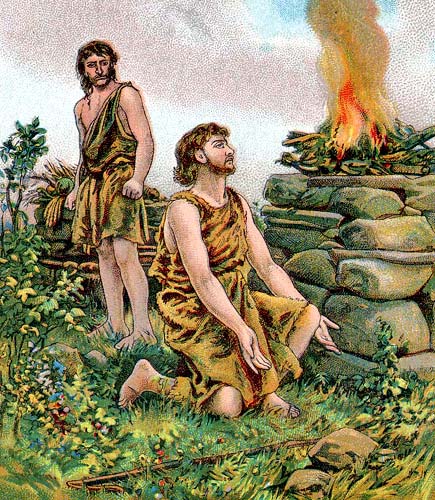
Would you rather give a half-hearted offering like that of Cain, offering what the Lord had not desired, or would you rather give it all to God like Abel, who offered the best to the Lord?

Image

Image

Would you rather be like Judas Iscariot, who scolded Mary for wasting money on perfume used to anoint the feet of Christ before His death? especially that was out of false concern of the poor given that he desired the money for himself? or would you be rather be Mary indeed, who anointed the feet of Christ for His burial, even with the expensive nard-flower perfume and therefore like Abel, gave her best offering to the Lord?

Image

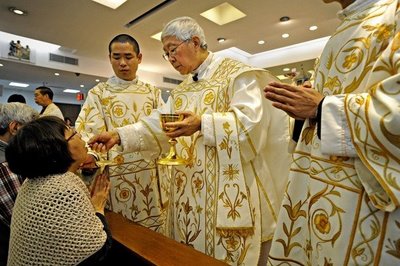
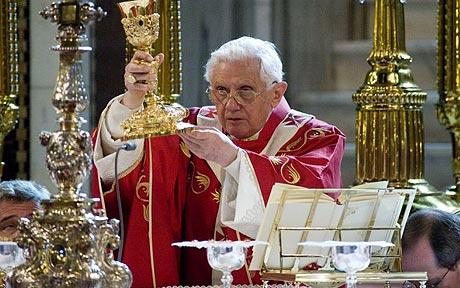
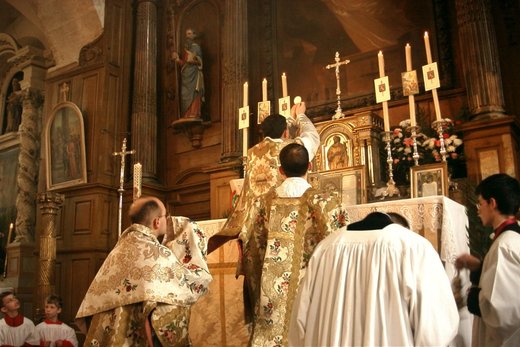
Such is therefore, what we should think of, when we think about the Mass and the liturgy that surrounds it. Many would be in danger of misunderstanding the entire purpose of having such liturgies and rites of worship, and dismissing them as backward, elitist, showy, and wasteful in nature – No, indeed, in fact, all these are for the glory of God alone, and we wouldn’t give half-hearted gifts and attempts to our Lord. Our worship in the Mass is to the Lord alone, and the glory that is in the Mass, is for the glory of God.

Image

Image

Image

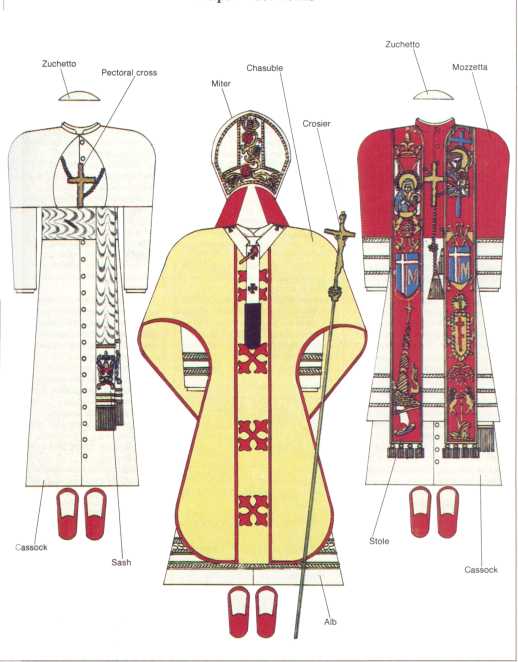
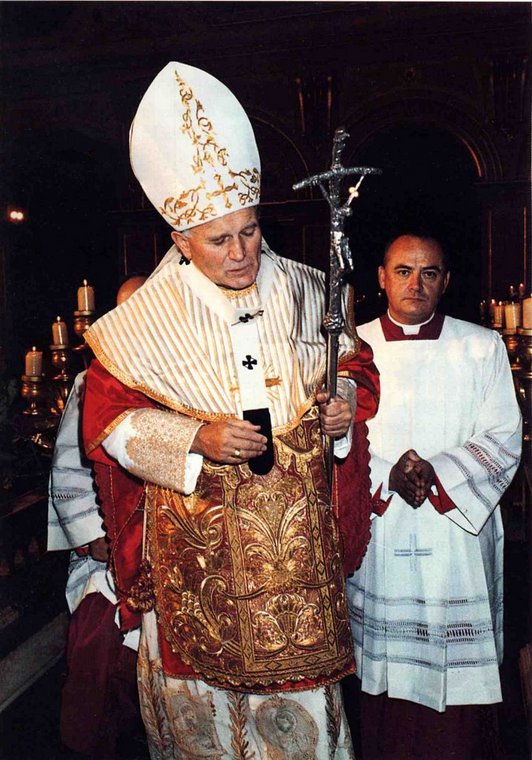
So why elaborate vestments, with colourful and vivid images, even with golden thread or velvet? Why elaborate and jewelled mitres? Why elaborate church buildings, the Altar decoration and everything else? That is because all these are for the glory of God, and for God alone, and not for the glory of men. And in this too, as I had often mentioned, many would be able to learn more about the faith, and at the same time, bring worship closer to what it should be, that is, to be a heaven on earth, especially with the angels and the saints, we worship God together.

1451110-High_Altar_Antwerp

Image

Men are visual creatures, and we base ourselves and our perceptions closely with our visions and what we see in our surroundings. One very strong argument why so many people had left the faith and became lost in the past decades was because the disappearance of beauty in our worship, not the beauty of excessive displays of course, but the true beauty of worship in that every part of the Mass and its liturgy has its own particular importance and meaning, even all the gestures made in the Mass.

MainAltar01

Being visual creatures, men no longer see God as the divine He is, because especially like Science, which place accountability, reproducibility, etc. at the most important, especially visual proofs, men no longer see God because our worship had become so diluted, so abused by decades of excessive trials and innovations which ended up diluting this image of ‘heaven on earth’ in the Mass. The Mass becomes less a desire for all to come to other than just a ‘chore’ for many to come, and Sunday obligation becomes what it is, an obligation, rather than true desire to come and worship the Lord.

jesus_holding_earth_world

Therefore, it is important that in the coming future, our Church, while projecting itself ever more, as it had always done, in helping the needy and the unloved around the world, expanding its charitable acts which is already the world’s largest by significant margins, ever more, but most importantly also, at the same time, strengthening the anchor of faith, through the energetic and constant explanation of the faith and the Sacred Tradition, particularly on the Mass and its liturgy, especially to the youths and the newly baptised, that they will truly grasp what being a Catholic is about.

That being a Catholic entail not just being good person, helpful person, and caring person, but also someone who truly knows entirely what they are doing at Mass, at their worship of the Lord every Sunday, and who truly come for the Mass because they desire to seek the Lord, and understanding the beauty of the liturgy of the Mass, they become ever closer to God, and through this, be ever more blessed and loving, that they can bring forth this love in their service of others. Ora et Labora, a balance indeed required between prayer and worship, and the service facet of our faith.

throne5

In this manner, we must always remember this verse, which is also a very nice Psalm passage I had discovered, that in all things, we glorify God alone, particularly in the Mass, through all its beauty :

Non nobis, Domine, sed Nomini tuo da gloriam!
Not to us, o Lord, but to Your Name we give glory!

+Peter Canisius Michael David C. Kang
Ut Omnes Unum Sint, ad Maiorem Dei Gloriam
21 April 2013, Good Shepherd Sunday