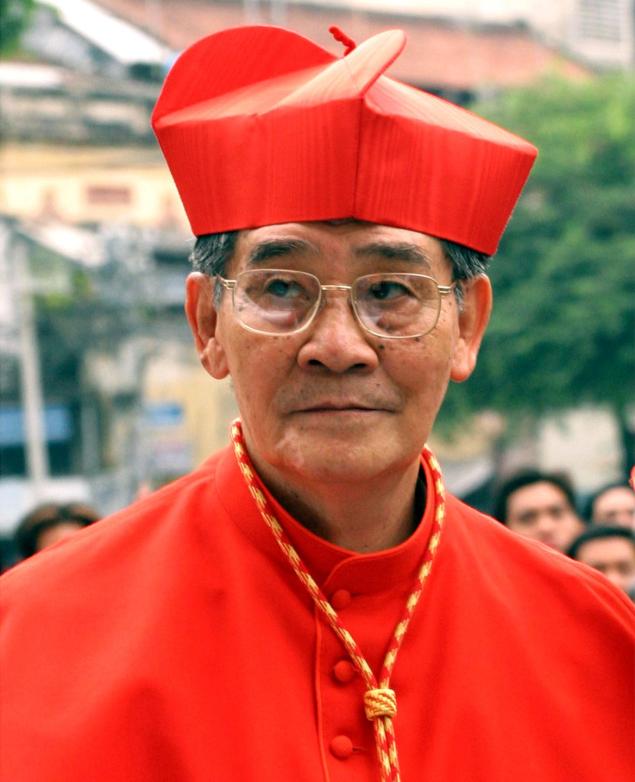
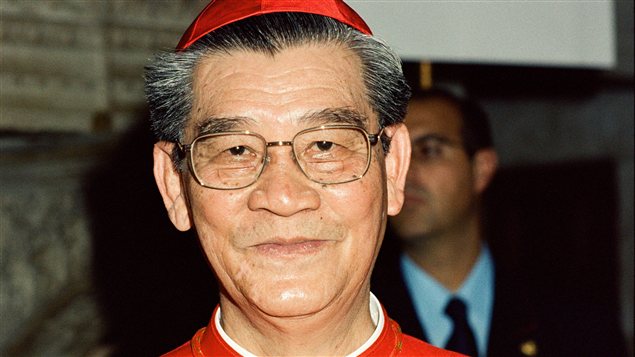
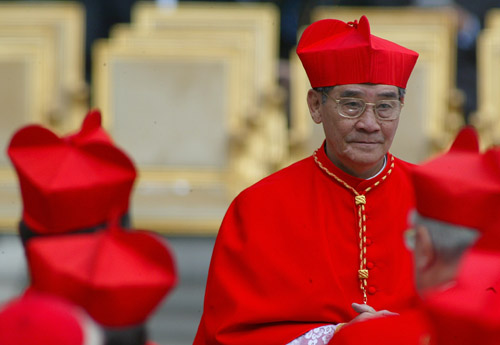
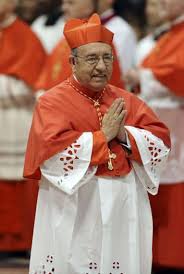
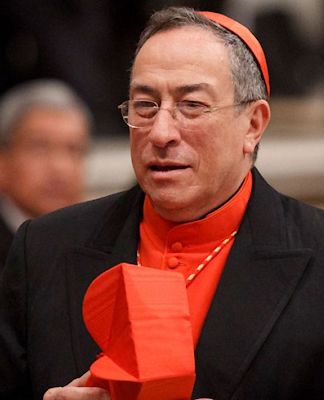
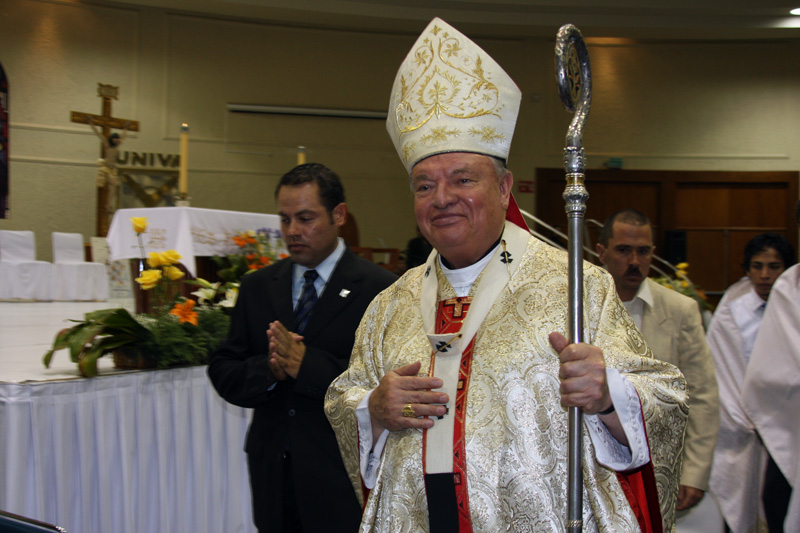
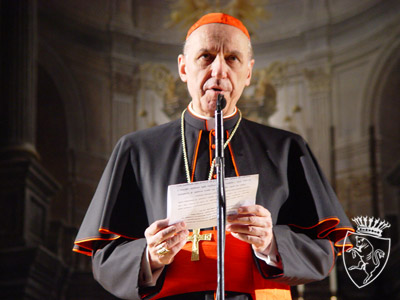
Cardinal Jean-Baptiste Pham Minh Man (Vietnam), Metropolitan Archbishop of Thanh-Pho Ho Chi Minh turns 80, ceases to be a Cardinal-elector

Today, Wednesday, 5 March 2014, Cardinal Jean-Baptiste Pham Minh Man, Cardinal Priest of S. Giustino, the Metropolitan Archbishop of Thanh-Pho Ho Chi Minh (Vietnam), turns 80, and therefore, according to the rules written in the Apostolic Constitution Universi Dominici Gregis, he loses his right to vote in any future conclave.

pope6n-5-web

Cardinal Jean-Baptiste Pham Minh Man was made Cardinal-Priest of S. Giustino by Pope John Paul II in the 2003 Consistory of Cardinals on 21 October 2003, the ninth and last Consistory of his pontificate. Cardinal Pham Minh Man was made a Cardinal in honour of his position as the Metropolitan Archbishop of Thanh-Pho Ho Chi Minh, which he has held since 1998 and still held until this day, and which encompasses the city of Ho Chi Minh (Saigon), one of the two most important dioceses in Vietnam.

AFP_130307_hq589_jean-baptiste-pham-minh-man_sn635

http://www.gcatholic.org/dioceses/diocese/than0.htm#121

May God bless His Eminence Cardinal Pham Minh Man, with a blessed old age and health. May he remain strong in the faith and hopefully can perhaps still continue to work great graces and good works of love and peace in in his current position as the shepherd of his people in the Ho Chi Minh Archdiocese, as he continued to minister to the people of God.

pham-minh-man

The College of Cardinals now stands at 218 members in total, with 121 Cardinal-electors and 97 Cardinal non-electors. There are now an excess of 1 Cardinal-elector as compared to the maximum number of electors allowed in the Conclave of 120, due to the recent Consistory of Cardinals on 22 February 2014 by Pope Francis.

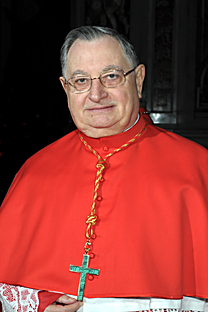
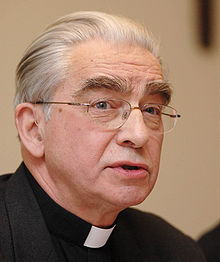
Next Cardinal-elector to age out (80) will be Cardinal Dionigi Tettamanzi, the Metropolitan Archbishop Emeritus of Milan (Italy), on 14 March 2014.

New Cardinals and their assigned Churches in Rome, Consistory of 22 February 2014

On the Feast of the Chair of St. Peter, on Saturday, 22 February 2014, the Vicar of Christ and Bishop of Rome, Leader of the Universal Church, Pope Francis elevates 19 new Cardinals to the Cardinalate by the bestowal of the red biretta, 15 of which are of the order of priests (Cardinal Priests) and 4 of which are of the order of deacons (Cardinal Deacons).

3 of the new Cardinals are non-electors, being above the age of 80, appointed purely as honorary Cardinals for their service to the Church, and the other 16 Cardinals are voting-age Cardinals (below 80), and will be eligible to vote for the next Pope in the next Conclave until they reach the age of 80.

The College of Cardinals now stands at 218 members, with 122 Cardinal-electors and 96 Cardinal non-electors as of 22 February 2014.

In total, 2 new Cardinal churches in Rome are created, 1 for Cardinal Titular church and 1 for Cardinal deaconry.There are as of now, 0 vacant Cardinal Title, and 6 vacant Cardinal Deaconries.


Cardinal Deaconries :

1. Pietro Cardinal Parolin, Cardinal Secretary of State

Cardinal Deaconry of Ss. Simone e Giuda Taddeo e Torre Angela (New Deaconry)


2. Lorenzo Cardinal Baldisseri, Secretary of the Synod of Bishops and College of Cardinals

Cardinal Deaconry of S. Anselmo all’Aventino


3. Gerhard Ludwig Cardinal Muller, Prefect of the Congregation for the Doctrine of the Faith

Cardinal Deaconry of S. Agnese in Agone


4. Beniamino Cardinal Stella, Prefect of the Congregation for Clergy

Cardinal Deaconry of Ss. Cosma e Damiano


Cardinal Titles :

1. Vincent Gerard Cardinal Nichols, Metropolitan Archbishop of Westminster (UK)

Cardinal Title of Ss. Redentore e S. Alfonso in Via Merulana


2. Leopoldo Jose Cardinal Brenes Solorzano, Metropolitan Archbishop of Managua (Nicaragua)

Cardinal Title of S. Gioacchino ai Prati di Castello


3. Gerald Cyprien Cardinal Lacroix, Metropolitan Archbishop of Quebec (Canada)

Cardinal Title of Giuseppe all’Aurelio


4. Jean-Pierre Cardinal Kutwa, Metropolitan Archbishop of Abidjan (Ivory Coast/Cote d’Ivoire)

Cardinal Title of S. Emerenziana a Tor Fiorenza


5. Orani Joao Cardinal Tempesta, Metropolitan Archbishop of Sao Sebastiao do Rio de Janeiro (Brazil)

Cardinal Title of S. Maria Madre della Provvidenza e Monte Verde


6. Gualtiero Cardinal Bassetti, Metropolitan Archbishop of Perugia-Citta della Pieve (Italy)

Cardinal Title of S. Cecilia


7. Mario Aurelio Cardinal Poli, Metropolitan Archbishop of Buenos Aires (Argentina)

Cardinal Title of S. Roberto Bellarmino


8. Andrew Cardinal Yeom Soo-jung, Metropolitan Archbishop of Seoul (South Korea)

Cardinal Title of S. Crisogono


9. Ricardo Cardinal Ezzati Andrello, Metropolitan Archbishop of Santiago (Chile)

Cardinal Title of Ss. Redentore a Valmelaina


10. Philippe Nakellentuba Cardinal Ouedraogo, Metropolitan Archbishop of Ouagadougou (Burkina Faso)

Cardinal Title of S. Marie Consolatrice al Tiburtino


11. Orlando Beltran Cardinal Quevedo, Metropolitan Archbishop of Cotabato (Philippines)

Cardinal Title of S. Maria ‘Regina Mundi’ a Torre Spaccata


12. Chibly Cardinal Langlois, Bishop of Les Cayes (Haiti)

Cardinal Title of S. Giacomo in Augusta (New Title)


13. Loris Francesco Cardinal Capovilla, Titular Archbishop of Mesembria, Personal Secretary to Blessed Pope John XXIII

Cardinal Title of S. Maria in Trastevere


14. Fernando Cardinal Sebastian Aguilar,  Metropolitan Archbishop Emeritus of Pamplona y Tudela (Spain)

Cardinal Title of S. Angela Merici


15. Kelvin Cardinal Edward Felix,  Metropolitan Archbishop Emeritus of Castries (Saint Lucia)

Cardinal Title of S. Maria della Salute a Primavalle

Cardinal Raul Eduardo Vela Chiriboga, the Metropolitan Archbishop Emeritus of Quito (Ecuador) turns 80, ceases to be a Cardinal-elector

Vela Chiriboga

Today, Wednesday, 1 January 2014, on New Year’s Day, Cardinal Raul Eduardo Vela Chiriboga, Cardinal-Priest of S. Maria in Via, the Metropolitan Archbishop Emeritus of Quito, of Ecuador, turns 80, and therefore, according to the rules written in the Apostolic Constitution Universi Dominici Gregis, he loses his right to vote in any future conclave.

Cardinal Raul Eduardo Vela Chiriboga was made Cardinal-Priest of S. Pudenziana by Pope Benedict XVI in the 2010 Consistory of Cardinals on 20 November 2010, the third Consistory of his pontificate. Cardinal Vela Chiriboga was made a Cardinal in honour of his service to the Church as the Metropolitan Archbishop of the Metropolitan Archdiocese of Quito in Ecuador from 2003 to 2010, retiring just before he received the red hat from the Pope.

1290268025_0

http://www.gcatholic.org/hierarchy/data/cardB16-3.htm#5336

May God bless His Eminence Cardinal Vela Chiriboga, with a blessed old age and health. May he remain strong in the faith and hopefully can perhaps still continue to work great graces and good works of love and peace in his old age and retirement, as he continued to minister to the people of God.

Vela Chiriboga 2

The College of Cardinals now stands at 199 members in total, with 107 Cardinal-electors and 92 Cardinal non-electors. There are now vacancy of 13 Cardinal-electors as compared to the maximum number of electors allowed in the Conclave of 120, although Popes John Paul II and Benedict XVI had sometimes surpassed this limit.

Next Cardinal-elector to age out (80) will be Cardinal Giovanni Batista Re, Prefect Emeritus of the Congregation for Bishops, on 30 January 2014.

Imposition of the pallium on the new Metropolitan Archbishops by Pope Francis

On the great Feast day and Solemnity of Saints Peter and Paul, Apostles, the feast day of the Church of Rome, on Saturday, 29 June 2013, 34 new Metropolitan Archbishops will receive the pallium, the symbol of their metropolitan office from Pope Francis, in a Mass at St. Peter’s Basilica.
Pallium (Pallium)
1_0_674753 (Papal Pallium)
Pallium is a woolen band, worn around the shoulders, as a symbol of office, representation of the Good Shepherd, with Jesus carrying the lamb on His shoulder, which is reminiscent of the authority entrusted upon the Metropolitan Archbishops over their flocks. Pallium therefore is a symbol of authority. It is about three fingers wide, and has six black crosses, out of which three are pierced with a golden pin, representing the wounds of Christ pierced by the holy nails on the cross.
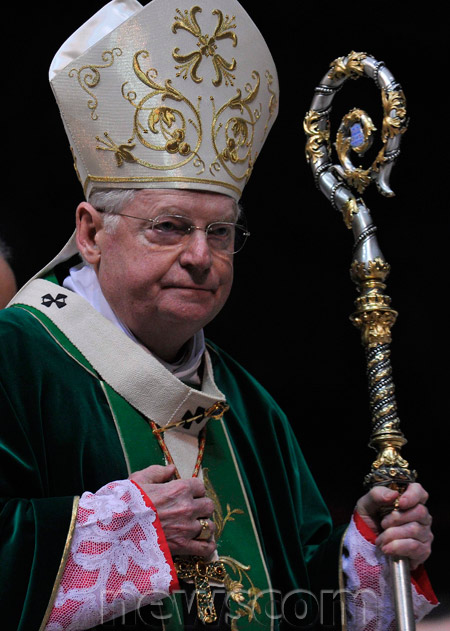
angelo-scola
(Above : image of Cardinal Angelo Scola, wearing the pallium, as the Metropolitan Archbishop of Milan, who received the pallium personally from Pope Benedict XVI in 2011)
Papal pallium from 2005 is different, in order to distinguish the nature of the Papal office, as the Pope is not just any bishop or Metropolitan Archbishop, but is Metropolitan over the entire world, the entire Church, as the Vicar of Christ.
Pope-Benedict-XVI
(Above : Pope Benedict XVI with the Papal pallium in 2012)

The list of the new Metropolitan Archbishops who will receive the pallium below.

1. Patriarch Manuel Jose Macario do Nascimento Clemente, Patriarch of Lisbon (Portugal)
2. Archbishop Dieudonne Nzapalainga, C.S.Sp., Metropolitan Archbishop of Bangui (Central African Republic)
3. Archbishop Carlo Roberto Maria Redaelli, Metropolitan Archbishop of Gorizia (Italy)
4. Archbishop Claudio Dalla Zuanna, S.C.I., Metropolitan Archbishop of Beira (Mozambique)
5. Archbishop Prakash Mallavarapu, Metropolitan Archbishop of Visakhapatnam (India)
6. Archbishop Antonio Carlos Altieri, S.D.B., Metropolitan Archbishop of Passo Fundo (Brazil)
7. Archbishop Marek Jedraszewski, Metropolitan Archbishop of Lodz (Poland)
8. Archbishop Philip Tartaglia, Metropolitan Archbishop of Glasgow (Great Britain)
9. Archbishop Salvatore Joseph Cordileone, Metropolitan Archbishop of San Francisco (USA)
10. Archbishop Rolando Joven Tria Tirona, O.C.D., Metropolitan Archbishop of Caceres (Philippines)
11. Archbishop Rogelio Cabrera Lopez, Metropolitan Archbishop of Monterrey (Mexico)
12. Archbishop Joseph William Tobin, C.Ss.R., Metropolitan Archbishop of Indianapolis (USA)
13. Archbishop Carlos Maria Franzini, Metropolitan Archbishop of Mendoza (Argentina)
14. Archbishop Lorenzo Ghizzoni, Metropolitan Archbishop of Ravenna-Cervia (Italy)
15. Archbishop George Antonysamy, Metropolitan Archbishop of Madras and Mylapore (India)
16. Archbishop Anil Joseph Thomas Couto, Metropolitan Archbishop of Delhi (India)
17. Archbishop John Wong Soo Kau, Metropolitan Archbishop of Kota Kinabalu (Malaysia)
18. Archbishop Murray Chatlain, Metropolitan Archbishop of Keewatin-Le Pas (Canada)
19. Archbishop Sérgio Eduardo Castriani, C.S.Sp., Metropolitan Archbishop of Manaus (Brazil)
20. Archbishop Peter Loy Chong, Metropolitan Archbishop of Suva, (Fiji)
21. Archbishop Alfonso Cortes Contreras, Metropolitan Archbishop of Leon (Mexico)
22. Archbishop Alexander King Sample, Metropolitan Archbishop of Portland in Oregon (USA)
23. Archbishop Joseph Effiong Ekuwem, Metropolitan Archbishop of Calabar (Nigeria)
24. Archbishop Jesus Juarez Parraga, S.D.B., Metropolitan Archbishop of Sucre (Bolivia)
25. Archbishop Fabio Martinez Castilla, Metropolitan Archbishop of Tuxtla Gutierrez (Mexico)
26. Archbishop Ramon Alfredo Dus, Metropolitan Archbishop of Resistencia (Argentina)
27. Archbishop Mario Aurelio Poli, Metropolitan Archbishop of Buenos Aires (Argentina)
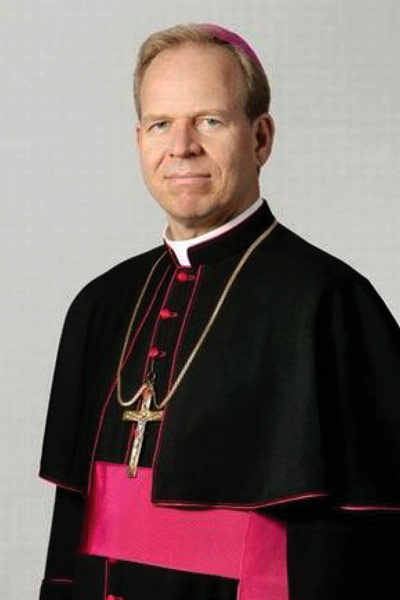
28. Archbishop Gintaras Linas Grusas, Metropolitan Archbishop of Vilnius (Lithuania)
29. Archbishop Michael Owen Jackels, Metropolitan Archbishop of Dubuque (USA)
30. Archbishop Duro Hranic, Metropolitan Archbishop of Dakovo-Osijek (Croatia)
31. Archbishop Moacir Silva, Metropolitan Archbishop of Ribeirao Preto (Brazil)
32. Archbishop Jozef Piotr Kupny, Metropolitan Archbishop of Wroclaw (Poland)
33. Archbishop Sergio Alfredo Gualberti Calandrina, Metropolitan Archbishop of Santa Cruz de la Sierra (Bolivia)
34. Archbishop Giuseppe Petrocchi, Metropolitan Archbishop of L’Aquila (Italy)
In addition, the Metropolitan Archbishop of Hue, Archbishop Francois Xavier Le Van Hong, will not receive the pallium directly from the Pope in Rome, but in his home diocese of Hue, through the papal representative. Therefore, in addition to the 34 Metropolitan Archbishops mentioned above, 35 Metropolitan Archbishops will receive the pallium in this year.
35. Archbishop Francois Xavier Le Van Hong, Metropolitan Archbishop of Hue (Vietnam)

Metropolitan Archbishop differs from normal Archbishops in that, they have jurisdiction over other dioceses that are placed under their supervision, in a group called Ecclesiastical Province of the Church. Archbishops of Archdioceses without Metropolitan character has no jurisdiction over any dioceses under them, and they are usually directly subject to the Holy See.

Appointment of Advisory Board for the Reform of the Roman Curia

Pope Francis had appointed an advisory board composed of eight Cardinals and some other prelates whose function is to help the Holy Father in his reform of the Roman Curia to increase its efficiency.

http://www.news.va/en/news/pope-appoints-council-of-eight-cardinals-to-advise


Here are the members of the Advisory Board, picked from members of the College of Cardinals across the globe (set to meet from 1-3 October 2013 for first discussion) :

1. Cardinal Giuseppe Bertello, President of the Governatorate of Vatican City State

Image

2. Cardinal Francisco Javier Errazuriz Ossa, Metropolitan Archbishop Emeritus of Santiago del Cile (Chile)

Image

3. Cardinal Oswald Gracias, Metropolitan Archbishop of Bombay (India)

Image

4. Cardinal Reinhard Marx, Metropolitan Archbishop of München und Freising (Germany)

Image

5. Cardinal Laurent Monswengo Pasinya, Metropolitan Archbishop of Kinshasa (Democratic Republic of Congo)

Image

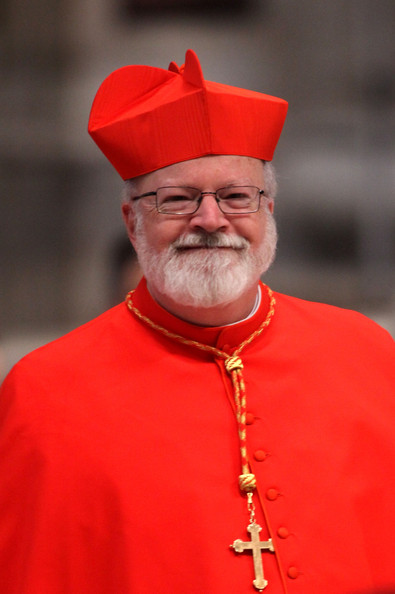
6. Cardinal Sean Patrick O’Malley. O.F.M. Cap., Metropolitan Archbishop of Boston (U.S.A.)

Image

7. Cardinal George Pell, Metropolitan Archbishop of Sydney (Australia)

Image

8. Cardinal Oscar Andrés Maradiaga Rodríguez S.D.B., Metropolitan Archbishop of Tegucigalpa (Honduras)

Image


As mentioned, the first meeting of the group would be from 1-3 October 2013, so I would not expect significant changes to the Roman Curia before the end of this year, or even early next year (2014).

Cardinal Audrys Juozas Backis of Vilnius, Lithuania retired and succeeded by Bishop Gintaras Linas Grusas

Image

Cardinal Audrys Juozas Backis, Metropolitan Archbishop of Vilnius in Lithuania, also the Cardinal-Priest of Nativita di Nostro Signore Gesu Cristo a Via Gallia, retired yesterday, Friday, 5 April 2013 from his position as the Archbishop of Vilnius, having exceeded the expected retirement age of 75, according to the Canon Law.

http://www.gcatholic.org/dioceses/diocese/viln0.htm#45455

Image

Bishop Gintaras Linas Grusas, who was the Military Ordinary of Lithuania, replaces Cardinal Backis, becoming the new Metropolitan Archbishop of Vilnius.

Cardinal Backis, who is currently 76 years old (born 1 February 1937) will still be a Cardinal-elector with right to vote in any future conclave until his 80th birthday on 1 February 2017.

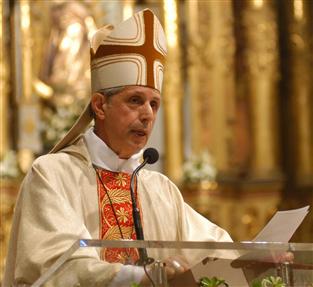
Bishop Mario Aurelio Poli, Bishop of Santa Rosa, appointed new Metropolitan Archbishop of Buenos Aires

Image

In his first appointment of bishop, Pope Francis appointed his successor as the Metropolitan Archbishop of Buenos Aires, which was Pope Francis’ former seat, as Cardinal Jorge Maria Bergoglio.

http://www.gcatholic.org/dioceses/diocese/buen0.htm#5560

Bishop of Santa Rosa and former Auxiliary Bishop of Buenos Aires, Mario Aurelio Poli, was appointed today as the new Metropolitan Archbishop of Buenos Aires, Argentina.

Cardinal Juan Sandoval Iniguez turns 80, ceases to be a Cardinal-elector

Image

Today, Thursday, 28 March 2013, Cardinal Juan Sandoval Iniguez, Cardinal-Priest of Nostra Signora di Guadalupe e S. Filippo Martire, and Metropolitan Archbishop Emeritus of Guadalajara, Mexico, turns 80, and therefore, according to the rules written in the Apostolic Constitution Universi Dominici Gregis, he loses his right to vote in any future conclave.

http://www.gcatholic.org/hierarchy/data/cardJP2-6.htm#144

May God bless His Eminence Cardinal Sandoval Iniguez, with a blessed old age and health. May he remain strong in the faith and hopefully can perhaps still carry out the mission God had given him.

The College of Cardinals now stands at 206 members in total, with 113 Cardinal-electors and 93 Cardinal non-electors. There are now vacancy of 7 Cardinal-electors as compared to the maximum number of electors allowed in the Conclave of 120, although Popes John Paul II and Benedict XVI had sometimes surpassed this limit.

Next Cardinal-elector to age out (80) will be Cardinal Godfried Danneels on 4 June 2013.

College of Cardinals : Cardinal Severino Poletto turns 80, ceases to be a Cardinal-elector

http://www.gcatholic.org/hierarchy/data/cardJP2-8.htm#125

Image

Cardinal Severino Poletto, Metropolitan Archbishop Emeritus of Torino in Italy, and Cardinal Priest of S. Giuseppe in Via Trionfale, who was elevated to the cardinalate on 21 February 2001 by Blessed Pope John Paul II, turns 80 today, Monday, 18 March 2013.

As such, Cardinal Poletto ceases to be a Cardinal-elector as of today, and lost in voting rights in any future Conclave, according to the Apostolic Constitution Universi Dominici Gregis.

The College of Cardinals now stands at 206 members, out of which there are 114 Cardinal-electors (minus one due to Cardinal Poletto) and 92 Cardinal non-electors.

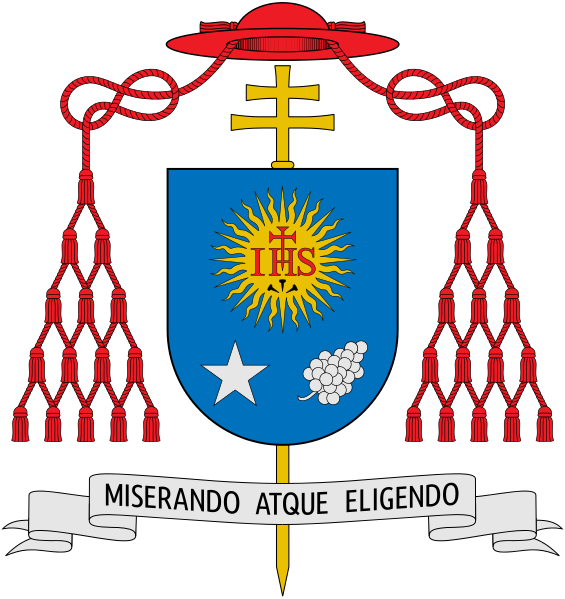
Coat of arms of Cardinal Jorge Maria Bergoglio, S.J., now Pope Francis

Image

This is the coat of arms of Cardinal Jorge Maria Bergoglio, S.J., Metropolitan Archbishop of Buenos Aires, Argentina, who was elected as the 266th Pope and Bishop of Rome last Wednesday, 13 March 2013 and chosen the name Pope Francis.

Pope Francis used his episcopal motto “Miserando atque Eligendo” which means “Lowly but chosen” in English, in line with his views and outlook on humility.

The Cardinal’s fifteen red tassels and the galero on top of it will be replaced by the papal arms standard including the papal tiara/mitre and the crossed keys of the kingdom of heaven (silver and gold).

The symbols that appeared on the shield are first, the IHS symbol surrounded with a sun-like ray is the symbol of the Jesuit order (S.J.) of which Pope Francis is a member of, and the star on the bottom-left, in conjunction with the blue colouration of the shield represents the Virgin Mary, and the grape on the bottom right represents Jesus Christ, as the grower of the vineyard of the Lord.