Today, we place our main focus on the oneness and the unity of the whole community of the faithful in Christ, that is as one community through the Church, the One, Holy, Catholic, and Apostolic Church to be specific, as the incarnation of the mystical Body of Christ that represents the Church and most importantly all of us, brothers and sisters in Christ. For all of us belong to God upon our baptism, and just as Paul said to the people of Corinthians, we all become part of the body, the Body of Christ, like the organs that allow the body to function when working together.
This body cannot function without its organs, and therefore, what makes the Church what it is, is all of us, brothers and sisters in Christ. Without us, there is no Church. The Church is one, that is indivisible, just as the Body of Christ is indivisible, for Christ is only One, and therefore we too should be one in Christ, as we are one in the Church. However, sadly, through the centuries, due to numerous misunderstandings and human selfishness, many had gone astray from the true faith, and in the process, brought with them many of our fellow brothers and sisters in Christ, establishing their own ‘churches’, which we now know as numbering in thousands, tens of thousands, or even more. There is no real unity in the one Church of Christ just yet, as these branches and splinters remain separated from the root and the trunk that is the Church.
Many political and theological disputes had led to divisions in the united community of the believers in Christ, and the evil one is hard at work, to make sure we remain divided. For if we are one, and united in Christ, evil will be vanquished by the power of Christ’s Church, the Body of Christ. It is sad therefore to look at the divisions, and how Christians even attack other Christians and openly mock the practices and the tenets of the faith in God, particularly that of the one Church that Christ established, our very own Catholic Church, from where all the separated brethren in myriads of ‘churches’ sprang decades, centuries, and millenia ago.
The first major split came when gnostics and syncretists of the early Church created their own version of the faith, that is so different from the truth, that they can no longer be called Christians. Then came the Arians, who denied the equality between Jesus the Son and God the Father, claiming that Jesus was created by God, instead of what we believe, that Jesus was with the Father, one with Him, before all ages. Then came the Nestorians, who argued that Jesus as human being and Christ, the divine were separate entities, which actually ran so far from the faith, that it was in danger of claiming that Jesus was merely human, adopted by God as a divine Son. But we believe that Christ is truly human, and truly divine. He is fully human just as He is fully God, even though he appeared to us as we are, human as we are, and experience humanity as we are.
Then came Monophysitism, which was the total opposite to Nestorianism, claimed that Jesus is not human, and exist only in His divine nature. But again, Christ is as human as we are, born through Mary, His mother, who although bore the divine Son of God, at the same time, that Son of God is also the Son of Man, being fully human like us save in the matter of sin, as Christ was without sin. Then came many other divergent and heretical teachings across Christendom, but nothing caused greater damage to the unity of the Church other than the Great Schism of 1054, and the Protestant Reformation.
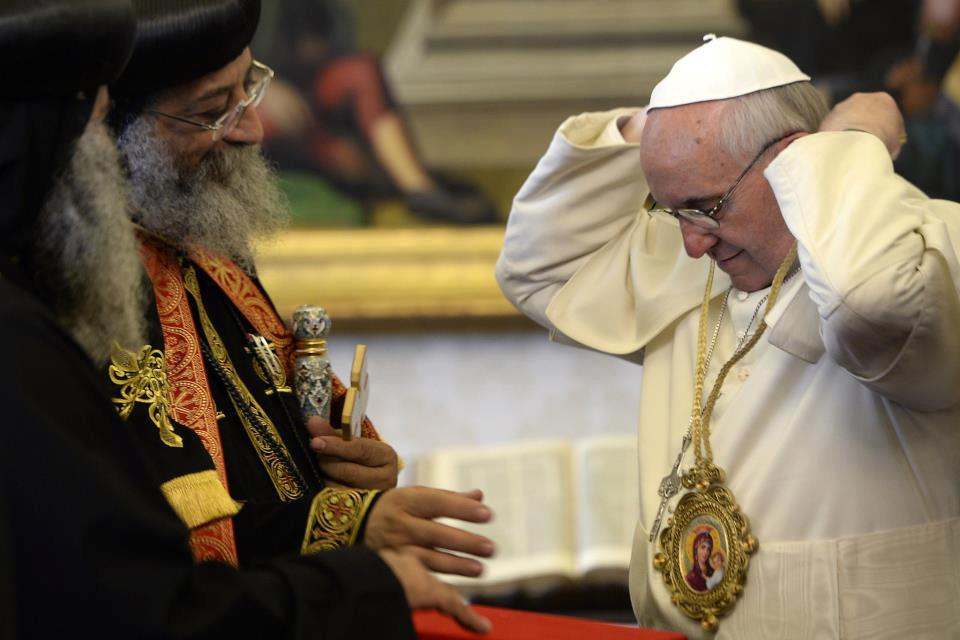
The Great Schism was seen as theological in nature, as the Eastern Church or the Orthodox Church had differences in their practices of the faith with our Church, and they also did not mention the ‘Filioque’, namely the phrase in the Creed present in our Creed, but not in theirs : “who proceeds (Holy Spirit) from the Father and the Son, and with the Father and the Son…”
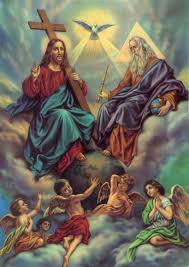
The Filioque clause became the centre of the division between us and our separated Orthodox brethren in Christ, as they see that the Holy Spirit proceeds to us, only from the Father, whereas we, our Church, believes that the Holy Spirit does proceed down to us from both the Father, and the Son, Jesus Christ as well. This can be supported by the words of Christ Himself when He appeared to His Apostles after His resurrection from the dead : “Peace be with you, (and breathing upon them He said) receive the Holy Spirit, those whose sins you forgive…” This clearly show that the Holy Spirit does proceed from the Father, but also through the Son, to the Apostles.
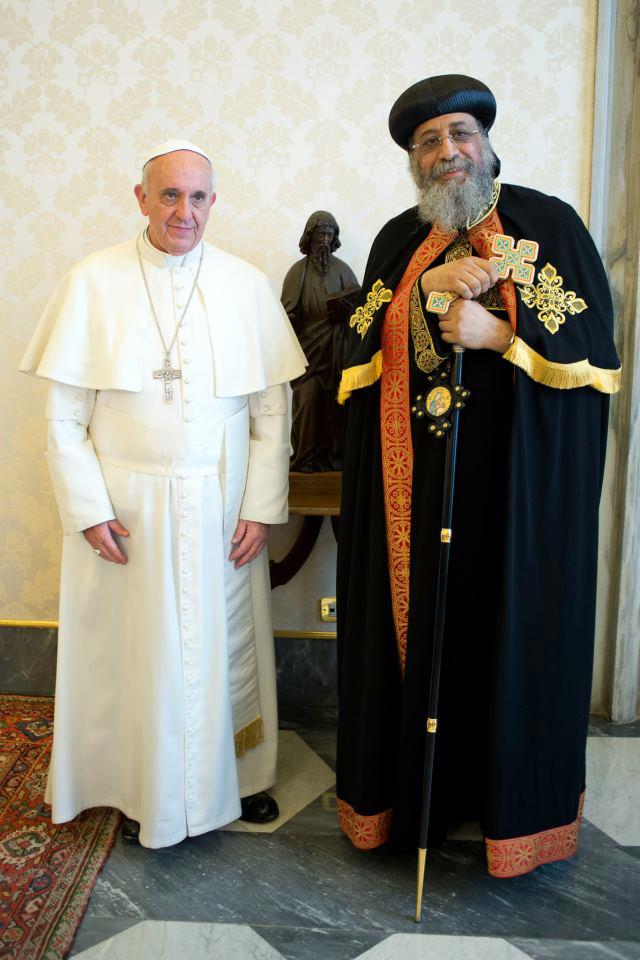
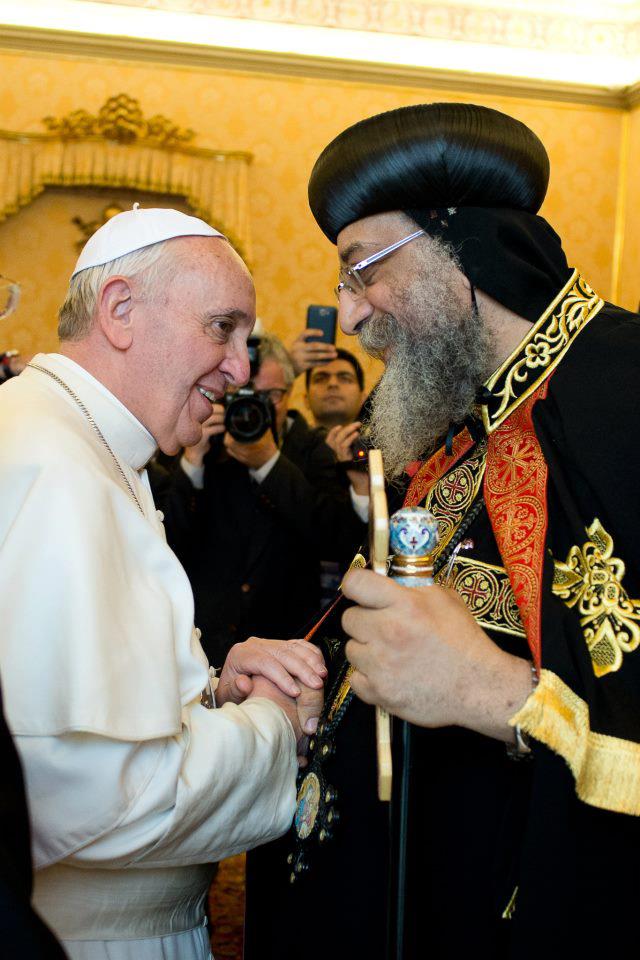
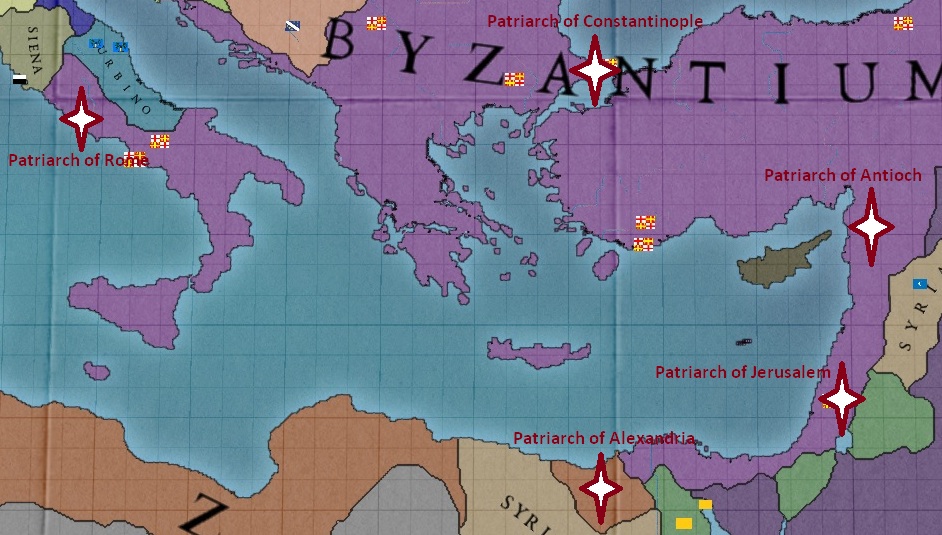
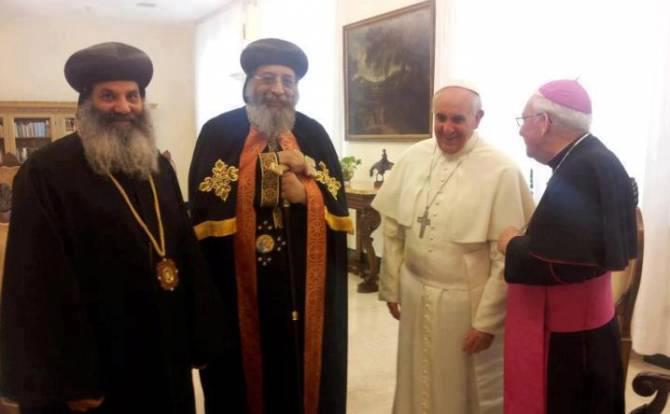
The other matter of division was geopolitical in nature, especially because the Church at the time was divided along linguistic lines, between the Latins in the West, which eventually become our Church of today, and the Greeks in the East, under the protection of the Roman Emperors in Constantinople, present day Istanbul (Turkey), who became the present day Eastern Orthodox Church. The conflict in authority between the Bishop of Rome, and the Imperially sanctioned Bishop of Constantinople, head of the Eastern Orthodox faithful became the root and eventual cause of the division, which happened in 1054, and which we really look forward to reverse, to reunite the two Churches once again into one, just as Christ wanted in His prayer to God, “May they all be One, just as You and Me are One.”
The last and the greatest division in the Church of Christ came because of the Protestant Reformation, initiated by Martin Luther, but later on spiralled rapidly out of control, that countless ‘churches’ began to be born in all countries and languages, following their own leaders and interpreting the Scripture as they saw fit. Although it was often believed that we Catholics included the Deuterocanonical books, such as the Book of the Maccabees and the story of Tobit into the Bible, in fact it was Luther and others following him who removed these books from the Bible, which had been assembled in the early days of the Church by the Apostles and the Church Fathers.
Protestant Reformation happened in response to the weakening of the spirituality of our own Church at that time. As divine as the Church is, as established by Christ, it is also human, and bound to be tempted by the evil one. The dark times of the Church did happen at those times, with money and politics winning mankind over God. The corruption was what caused Luther to embark on his mission of ‘reforming’ the Church. Unfortunately, he and many others like him went too far, and caused a great breaking of the Body of Christ, the Church, which has already suffered from earlier divisions that I had mentioned. After the Reformation, out of the ashes, the Church reformed itself, and reorientate itself back towards God, and until today, through the guidance of the Pope, as the Bishop of Rome, we can truly look back at the transformation of the Church, beginning at the Council of Trent, and renewed by the Second Vatican Council, and even today, changes and ‘reform of the reform’ are still ongoing and necessary to make the Church of Christ, a truly holy Church.
Jesus, as the Messiah, had been anointed by God with the Holy Spirit, to bring the Good News of the Lord to all, especially the least among the people, to give new hope to mankind. He is the Greatest Teacher of the Law of God, who perfected the Laws of the Old Covenant, and brought them into the new Law of the New Covenant, which God sealed with His Sacrifice on the cross that brought about our redemption. From Him authority has been given, and passed down through the Apostles down the generations, to our present day priests and bishops, who are teachers of God’s new laws and commandments in Christ.
This is why we have the ordained clergy as a separate organ of the one Body of Christ, to complement all of us the laity, which represents the largest portion of that Body. These are men who have willingly gave themselves for Christ, for the sake of the Lord and for His people, all of us. They left behind all they had in their lives, and followed Jesus to be like His disciples. Through them, just like Ezra and the Levites in the first reading, we can understand the Law better, since priests and all the clergy has committed themselves to God and seek deeper into the mysteries of God, and through them, our understanding of the Faith and the Word of God in the Scripture can be made clearer.
For it is dangerous for us to assume that we ourselves have all that we need to be faithful in God, and to be a Christian, as our faith is communal as much as it is personal. It is by praying together and helping each other to grow in faith that our faith can grow stronger. Everybody has their own role in the Church, within the community of the faithful, just as St. Paul explained to the Corinthians, the nature of the Church and the necessities of hierarchy to ensure all parts of the Body are functioning properly.
We, the laity has a great role in our participation in the Church, through our daily lives, and through the actions, even as small as they are, that we regularly take everyday, in bringing God both into our own lives, and into those around us. Do not forget that priests were once laymen as well, and without good and faithful laymen, there will be no vocations to priesthood. It is in us, the laypeople, that the seed of faith germinates and grow.
Priests are teachers and father figures to us. They teach us about the faith, about the Scripture, and about God. It is through them that Christ manifested Himself and His Sacrifice on the cross through the Holy Sacrifice of the Mass, where bread and wine is truly transformed into the Precious Body and Blood of our Lord, through the same authority that has been passed down from the Apostles to them, and ultimately originating in Christ Himself. Deacons are helpers that aid priests in their ministries, to proclaim the Word of God during the Mass, and to assist the priest in the Holy Sacrifice of the Mass, and most importantly to make themselves available to all the faithful in Christ, especially those having the greatest of needs.
Bishops oversee groups of priests and act as a figure of authority just like Christ, and their role is as chief shepherds, just as priests are our shepherds, to help us and nurture us in our faith, and to guide the people together as an organ of the Body of Christ, which in turn is part of the larger Body itself, the Universal Church. They also teach like the priests and also conduct laying of hands on priests and other bishops upon their ordinations, passing down the Holy Spirit that has been given to the Apostles to the new priests and bishops, that the chain of Apostolic Succession will never break as long as the Church stands.
Therefore, it is very evident that all these peoples, these parts of the One Body are essential in ensuring that the Church as a whole, the whole community of believers can function properly. We cannot afford to lose any of these parts, or otherwise the Body will crumble, just as how we have noted the divisions that the Church had endured for the past two millenia of its history since its founding by Christ.
Let us pray therefore, that the Lord will send His spirit of courage and careful discernment to our young men today, especially those with sincere love and faith in God, that they will be eager to be called into the service of the Lord, as His holy priests, as the harvest, although plentiful, but has no one to collect them. We need more priests as labourers of Christ in ensuring that as many as possible are brought into the Kingdom of God through their ceaseless and tireless labour in the name of Christ. Let us also pray for our deacons who also labour with our priests in their ministry to serve the people of God, just as the original seven deacons were appointed to help with the faithful in the early Church.
Let us also pray for our bishops, that they will continue to be strong to lead us through these turbulent times, and that they will remain true to their faith and mission, as shepherds guiding us in faith in God. Most importantly, let us pray for our Pope, Pope Benedict XVI, our leader the Vicar of Christ, that God will always be with him at all times, and give him strength to complete his ministry as our Pope, and the leader of the Church.
Let us then strive to expand our roles in the Church, Starting from simple things that we can do everyday in our own daily lives, and let us work together as one, to make the whole Body, the Universal Church, a functional and vibrant community, connecting all those who believe in Christ. Let us strive to make the prayers and wishes of Jesus into reality, particularly regarding the oneness and unity of the Church, that very soon indeed, all Christians will be reunited again with the Holy Mother Church, the One, Holy, Catholic, Apostolic Church represented by our Roman Catholic Church, under the leadership of the Pope, the successor of St. Peter the Apostle, on whom Christ established His Church and on whom He entrusted all of His sheep, namely all of us the faithful in Christ. God bless our Pope, God bless our Catholic Church, and God bless us all, who remain faithful in Him, Amen.
“Tu es Petrus, et super hanc petram aedificabo Ecclesiam Meam, et portae inferi non praevalebunt adversus eam, et tibi dabo claves Regni Caelorum”
(You are Peter, and on this ‘Rock’ I will build My Church, and the gates of hell will not prevail against it, and I will give you the keys of the Kingdom of Heaven)
+Ut Omnes Unum Sint+
(That they all may be One)

 petercanisiusmichaeldavidkang