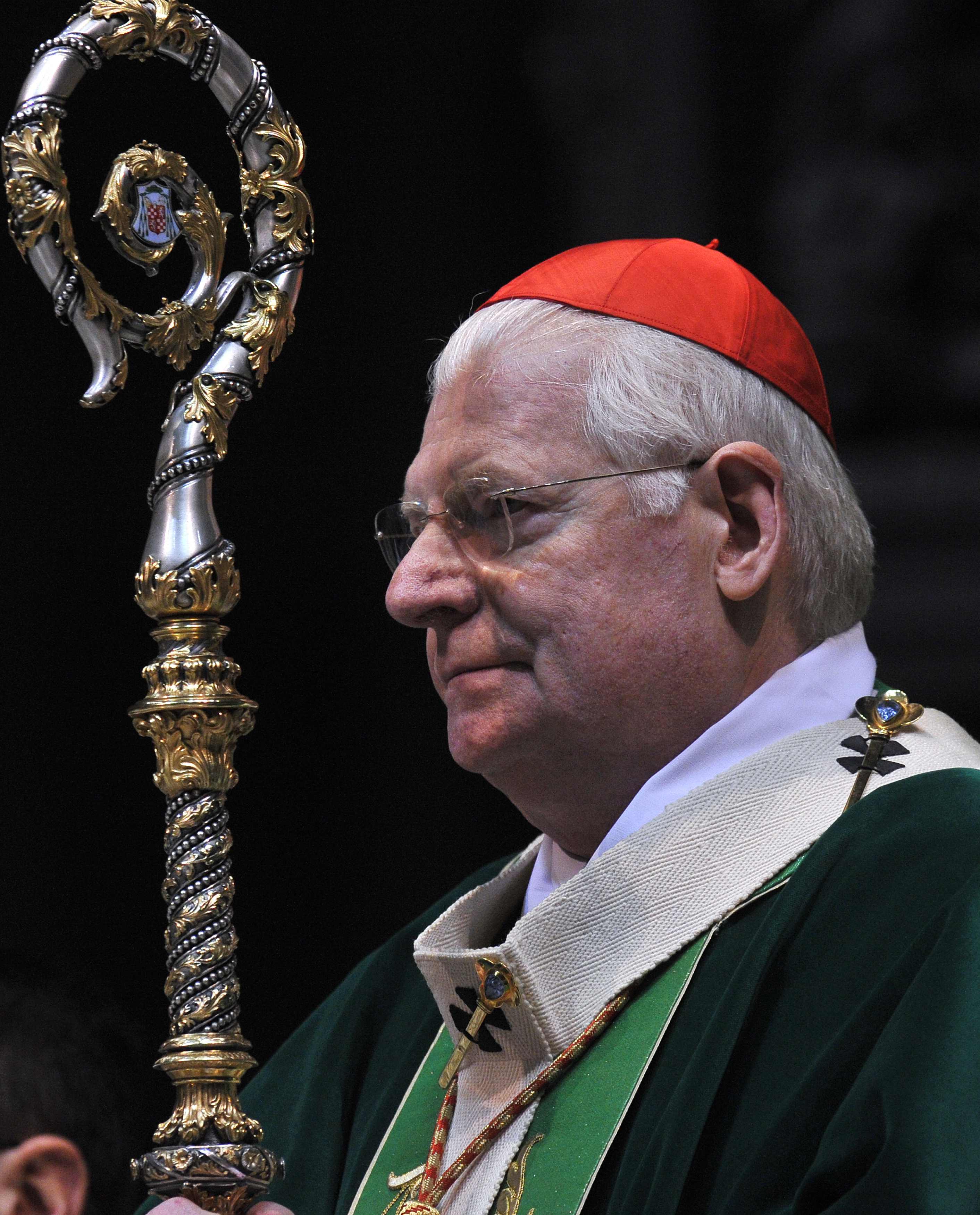
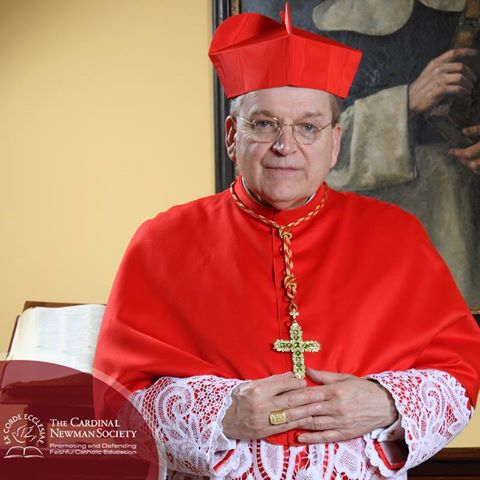
Pray for His Eminence, Raymond Leo Cardinal Burke and sign this petition!

10806429_10152779535488886_4828076339322054205_n

(Image above is courtesy of the Cardinal Newman Society)

All of you must have heard of the recent news that the faithful Cardinal Burke has been transferred from the position of the Prefect of the Supreme Tribunal of the Apostolic Signatura to the largely honorary position of the Cardinal Patron of the Sovereign Military Order of Malta.

First, while the position of Cardinal Patron is largely honorary, but the Sovereign Military Order of Malta is one of the largest charity arm of the Church, and a multinational organisation with tens of thousands of members vigorously and faithfully serving the people of God around the globe. And secondly, the position of Cardinal Patron will definitely free up more of Cardinal Burke’s time to continue defending the true Faith, just as he had done so at the Extraordinary Synod on the Family which recently ended.

Cardinal Burke is still young at 66, and many bishops and Cardinals all around the world, having known who are the ones that stood up for the Faith and for the Lord, will remember what he had done, and I am certain, that he will soon be elected the Successor of St. Peter the Apostle, and be the Defender of the Faith as the future Vicar of Christ. Pray for this, and pray for the Church of God!

https://www.lifesitenews.com/petitions/thank-you-cardinal-burke-for-your-vatican-service

Please sign the above petition as well, to show our gratitude to Cardinal Burke’s often thankless and yet courageous service to God, His Church and His beloved people.

Monday, 10 November 2014 : 32nd Week of Ordinary Time, Memorial of Pope St. Leo the Great, Pope and Doctor of the Church (Homily and Scripture Reflections)

Liturgical Colour : White

Dear brothers and sisters in Christ, today it is mentioned to us in the readings from the Holy Scriptures, of a very important role and position in the hierarchy of the Church, which all of us indeed have to be aware of, and have to adhere to. St. Paul in his letter to Titus, his friend and fellow servant of God, while he was in captivity in Rome, mentioned of the criteria which should be strictly observed when the overseers of God’s faithful ones are chosen.

And in the Gospel reading, Jesus warned His disciples against creating scandals in the faith, and as such, they should avoid creating scandal among the faithful and in the Church. Such scandals are harmful when it causes damage both physical and spiritual to the faithful and to the Church as a whole, and Jesus condemned those who have brought others into damnation because of their actions that brought about scandal and therefore not in accordance to what Jesus had taught His disciples.

How are the readings today link to each other? The bishops are very important building blocks of the Church, as the key figures that link the laity and the priests, to the Vicar of Christ, the Pope, who leads all the faithful, in union with the love of God, the true Head of the Church. The bishops, from the Latin term of their title, episcopus which means literally overseers, are truly the overseers of the faithful in their faith.

It is important that the candidates of bishops are first scrutinised thoroughly before one of them, who is found worthy and good, is selected as the bishop of a diocese. That is because the growth of the spiritual life and the well-being of the faithful ones of the Lord, depend on the state of the spiritual life of the shepherd of the flock, that is the bishop, who is the shepherd entrusted with the care of the people of God, the flock of Christ, in his diocese to be under his protection and care.

Jesus often mentioned in His teachings that we should not be hypocrites who merely show an external aspect of our faith and devotion to God, for others to see us, or even worse, for them to praise us because of what we have done. If our faith is like this, and if we pretend to be faithful for such purposes, then we may be held accountable for these actions.

It is precisely like the actions of the Pharisees, as well as the teachers of the Law, who proudly present the way they lived their faith to the people, and basked in their praise. In turn, they also misled the people by not practicing the Law with the whole of their hearts, and instead they served their own glory and purposes rather than serving the greater purpose of God.

They were bad shepherds, whose actions in opposing the Lord Jesus at every turn and opportunity were truly scandal in the faith. Their way of living and their way of seeing the world around them were also scandals of the faith, such that they were truly worthy of being rebuked endlessly by the Lord, who revealed the truth about their wickedness to the people of God, so that they may be wary of them and therefore also do their best to avoid doing the same as those wicked elders had done.

It was in particular mentioned that those who misled the little children of God are in particular to be blamed for their wickedness and evil. And indeed, those children are truly born pure and blameless, a blank and clean slate upon which, true and genuine teaching of the faith would have brought much goodness. A proper upbringing in faith for these, through proper catechism and role modelling in the faith.

If someone is to corrupt the faith by not doing what he is supposed to do, and worse still, if this person is the appointed shepherd of the people, as bishop and overseer, then it will bring much damnation to those sheep that had been entrusted to the aforementioned bishop. And in the end, the entire Church and the body of the faithful suffer, because of the wickedness and corruption this improperly elected bishop had done for his flock.

Therefore, this is why in our present time today, as it had been for quite a long time, bishops are carefully selected from among the priests, through a careful and extensive process of selection, from a shortlist produced by the diocese, to list down at first, the most worthy, holy, devoted and dedicated among the priests, to be made the bishop.

The final decision is to be done by the Vicar of Christ, the Pope, who through his representatives to the dioceses, the Apostolic nuncios and the delegates, keep in close contact with the various dioceses. Thus, it is why the responsibility and the role of the Pope is so important, as he is the Head of the entire Universal Church, and the ultimate and greatest guardian of the true and orthodox Faith.

That means, the Pope is charged with the final decision on who is truly worthy and who is truly best for the position and role of bishop for the dioceses. It is so that the Church may avoid scandal or any risk of problems that may likely arise if an unworthy individual became who they should not have become. If this happens, then the risk to the faithful sheep of the Lord is truly very, very great.

Thus, in consideration of the roles of the bishops and the Pope, even the position of the Pope, who is also the Bishop of Rome, is very, very carefully chosen, through the conclave, where the Cardinals, carefully selected members of the Church who then elect the most worthy amongst them to be the Supreme Pontiff and leader of the Universal Church.

And today, we celebrate the memory of a great Pope, whose feast we celebrate today, the very first Pope to be accorded with the title of ‘the Great’, in recognition of his great role and fundamental role in the development of the Faith and the Church. He is Pope St. Leo the Great, who lived and reigned during the waning years of the Roman Empire in the West.

Pope St. Leo the Great led the Church at the time when the civil authority and order of the Roman Empire is crumbling, especially in its western regions, including the city of Rome, and the society as it was known then, was under great threat from barbarian attacks. It was for this that Pope St. Leo the Great was mostly known for, that is in his role in stopping the great conqueror, Attila the Hun, from ransacking the Eternal City, or Rome, the Holy City of the Apostles.

When the great conqueror came, and when everyone else, including the Roman Emperor and the civil authorities all hid in fear, this holy servant of God, and the shepherd of the flocks of Christ went forth without fear and with zeal, to meet with the Hunnic king, and by the grace of God, persuaded him to retreat. Such was the courage and faith of this great Pope, that he managed to protect and prevent his flock from suffering.

However, what was less well known is the role which Pope St. Leo the Great played in the Church, and in the combatting of heresies and wickedness among the members of the Church at the time. Ever since the beginnings of the Church, there had been some among the faithful who did not remain true to the teachings of the true Faith, as they syncretised their faith, and they followed their own fancy and heretical ways of the Faith.

Therefore, many Ecumenical Councils were held in the early Church to standardise the true and orthodox teachings of the faith, and to condemn and anathemise all heresies and falsehoods in the teachings of the faith, including the errant and unfaithful bishops who misled many of their faithful, the precise scandal of the Faith mentioned earlier.

Pope St. Leo the Great was instrumental in his role in guiding the Church to keep the orthodox faith against those forces of men, who tried to subvert the teachings of the Faith to suit their own desires, their own purposes and their own wickedness. The teachings of Pope St. Leo the Great, his writings and works remain until even today, a very defining standard of the faith, which even this generation today look up to, in order to maintain the orthodox and true faith.

Therefore, on this special and sacred occasion, let us all come together and pray, pray for our bishops, our priests, and also our Pope, so that all of them will keep strongly the faith entrusted to them. So that they will keep without reservation the sound doctrine of the faith, without bending to the demands and temptations of the flesh and the world.

May Almighty God bless our Church, that day by day, our faith may grow stronger and stronger. That our Church may grow ever more faithful in the Lord. May the bishops, the shepherds of faith remain strong in their faith so that they will lead the faithful, following the examples of Pope St. Leo the Great, and abandoning all forms of fornications and evils, so that no scandal may arise, and the faithful may all benefit greatly from their care and love. God bless us all. Amen.


First Reading :

https://petercanisiusmichaeldavidkang.com/2014/11/09/monday-10-november-2014-32nd-week-of-ordinary-time-memorial-of-pope-st-leo-the-great-pope-and-doctor-of-the-church-first-reading/

Psalm :

https://petercanisiusmichaeldavidkang.com/2014/11/09/monday-10-november-2014-32nd-week-of-ordinary-time-memorial-of-pope-st-leo-the-great-pope-and-doctor-of-the-church-psalm/

Gospel Reading :

https://petercanisiusmichaeldavidkang.com/2014/11/09/monday-10-november-2014-32nd-week-of-ordinary-time-memorial-of-pope-st-leo-the-great-pope-and-doctor-of-the-church-gospel-reading/

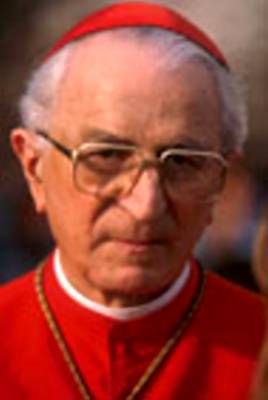
Passing of Cardinal Marco Ce, Cardinal-Patriarch Emeritus of Venice (Italy) at the age of 88

Ce, Cardinal photo

Cardinal Marco Ce, Cardinal-Priest of S. Marco has passed away on Monday, 12 April 2014 at the age of 88. He was the Patriarch of Venice, one of the most preeminent diocese in the world, from 1978 to 2002, and was succeeded in his position by Cardinal Angelo Scola, the likely future successor to the throne of St. Peter.

http://www.gcatholic.org/hierarchy/data/cardJP2-1.htm#31

Cardinal Ce was created Cardinal in 1979 by Pope St. John Paul II in his first Cardinal creation consistory on 30 June 1979. His motto was Christus Ipse Pax, which means “The peace of Christ”. This means an emphasis on proclaiming the peace of Christ, which He proclaimed Himself after His resurrection to be with us.

ce

We pray for Cardinal Ce, that he will rest in peace, and God will reward him for all his hard and great work as the long time servant of God as the shepherd of the faithful in Venice, for all the ministries and good works he had done there for the sake of God and His people. May the Lord welcome him into His embrace in heaven and give him eternal rest and happiness that he deserved.

With the passing of Cardinal Ce, the College of Cardinals now stands at 215 members, with 119 Cardinal-electors and 96 Cardinal non-electors. The number of Cardinal-electors now is just at the specified maximum limit.

There are now 0 Cardinal-elector vacancy in the College of Cardinals, 0 vacant Cardinal Suburbicarian Sees (for Cardinal Bishops), 2 vacant Cardinal Title (for Cardinal Priests) and 6 vacant Cardinal Deaconries (for Cardinal Deacons).

Pictures of Popes and their predecessors/successors

Image

(From UCatholic facebook page)

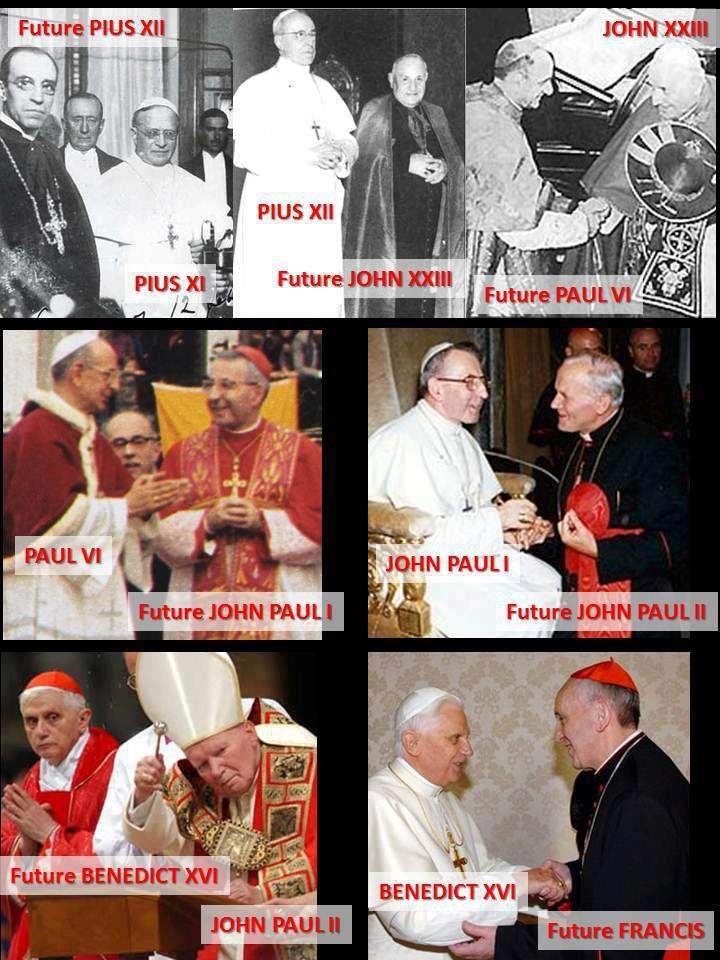
Depicted here are pictures of the Popes and their successors, or in the other way round, Popes and their predecessors. Most commonly between the reigning Pope and Cardinal who would be elected to succeed him.


List of Popes (and ‘future Popes’) in the depiction in chronological order :

1. Pius XI : 1922 – 1939

2. Pius XII : 1939 – 1958

3. John XXIII : 1958 – 1963

4. Paul VI : 1963 – 1978

5. John Paul I : 1978

6. John Paul II : 1978 – 2005

7. Benedict XVI : 2005 – 2013

8. Francis : 2013 – present (Will be known as Francis I if any of his future successors also pick the name Francis, who will then be Francis II)

Names to watch out for at Habemus Papam announcement : Angelum, Petrum, Odilonem, Marcum, Aloisium, Christophorum

Whose names to watch out for when Cardinal Protodeacon Jean-Louis Tauran reads out the Habemus Papam (We have a Pope) announcement?

http://wdtprs.com/blog/2013/03/latin-names-of-cardinals-well-hear-one-of-these-from-the-loggia-of-st-peters/ (Thanks to Fr. Z’s blog for the latin names he provided for all the Cardinal-electors – I focused into some of them considered papabili/frontrunner)


Here is the announcement text :


Annuntio vobis Gaudium magnum. Habemus Papam! Eminentissimum ac Reverendissimum Dominum.

Dominum (First Name) Sanctae Romanae Ecclesiae Cardinalem (Surname).

Qui sibi nomen imposuit (regnal name) (number)


At the point when we listen the ‘First Name’ in fact we may already know who is the new Pope.


1. Angelum (Angelo) :

Cardinal Angelo Scola, Metropolitan Archbishop of Milan

Cardinal Angelo Bagnasco, Metropolitan Archbishop of Genoa

Cardinal Angelo Amato, Prefect for the Congregation of the Causes of Saints

Cardinal Angelo Comastri, Vicar General of the Diocese of Rome

As there are several Angelo considered as Papabili, for Angelum, there is a need to wait for the surname before confirmation. Similarly with Petrum.


2. Petrum (Peter) :

Cardinal Peter Erdo, Archbishop of Esztergom-Budapest

Cardinal Peter Turkson, President of the Pontifical Council for Justice and Peace


But other names are straightforward :


3. Odilonem (Odilo) :

Cardinal Odilo Pedro Scherer, Metropolitan Archbishop of Sao Paulo


4. Marcum (Marc) :

Cardinal Marc Ouellet : Prefect of the Congregation for Bishops


5. Aloisium (Alois/Luis) :

Cardinal Luis Antonio Gokim Tagle : Metropolitan Archbishop of Manila


6. Christophorum (Christoph) :

Cardinal Christoph Schonborn : Metropolitan Archbishop of Vienna


7. Ioannem Franciscum (Gianfranco) :

Cardinal Gianfranco Ravasi : President of the Pontifical Council for Culture


8. Timotheum (Timothy) :

Cardinal Timothy Michael Dolan : Metropolitan Archbishop of New York

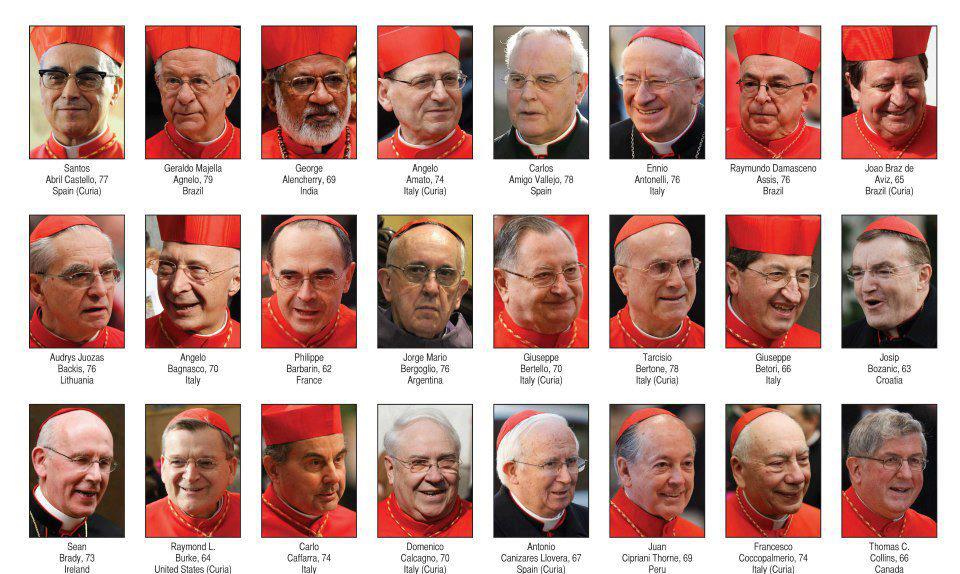
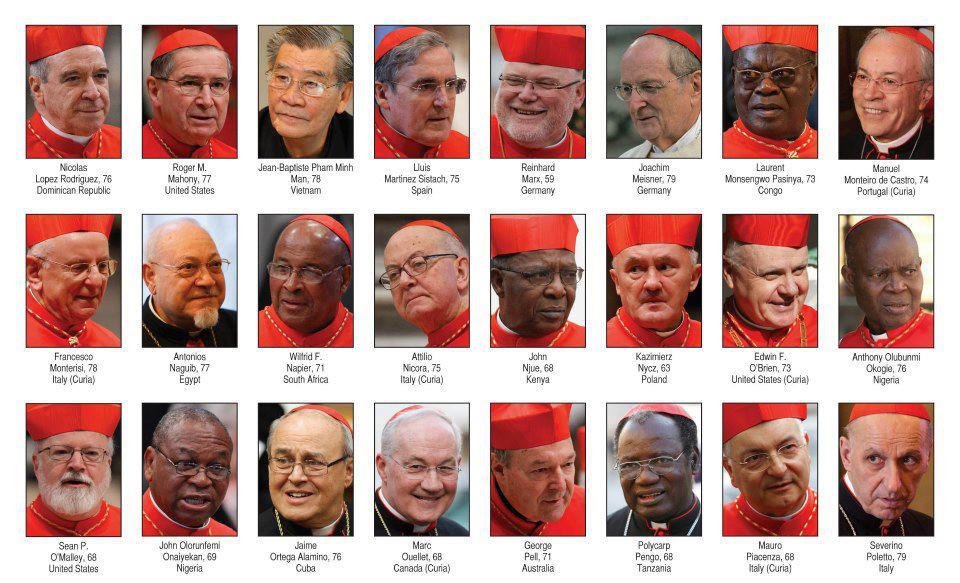
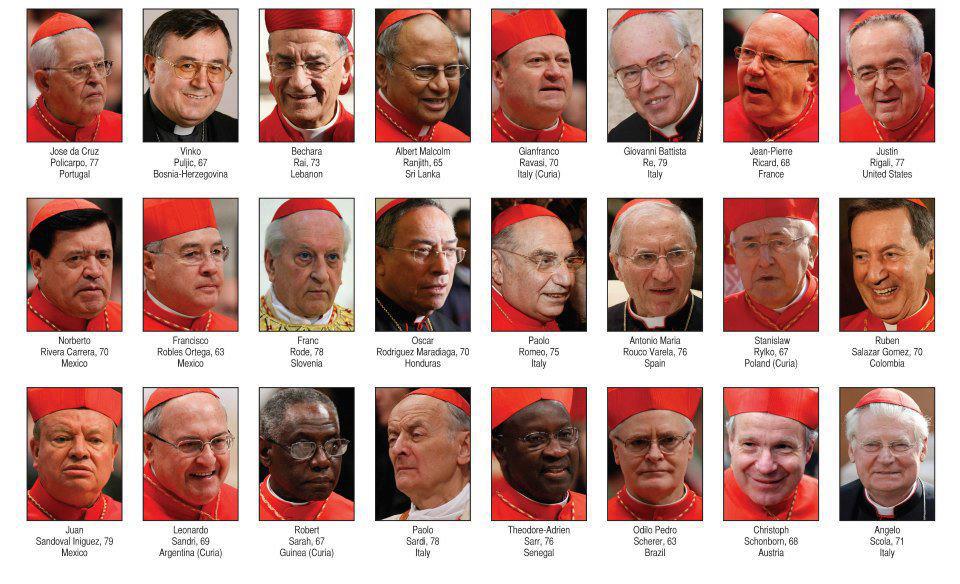
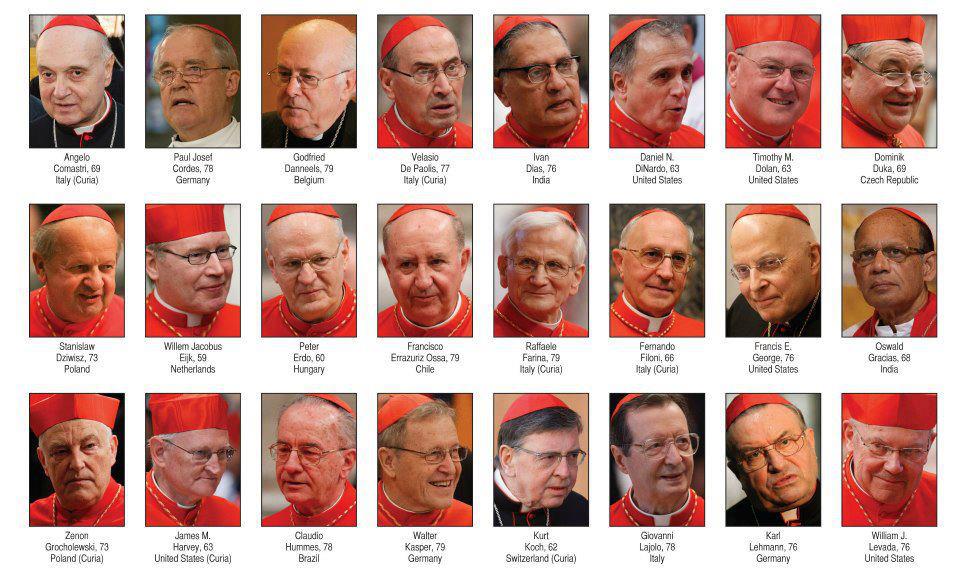
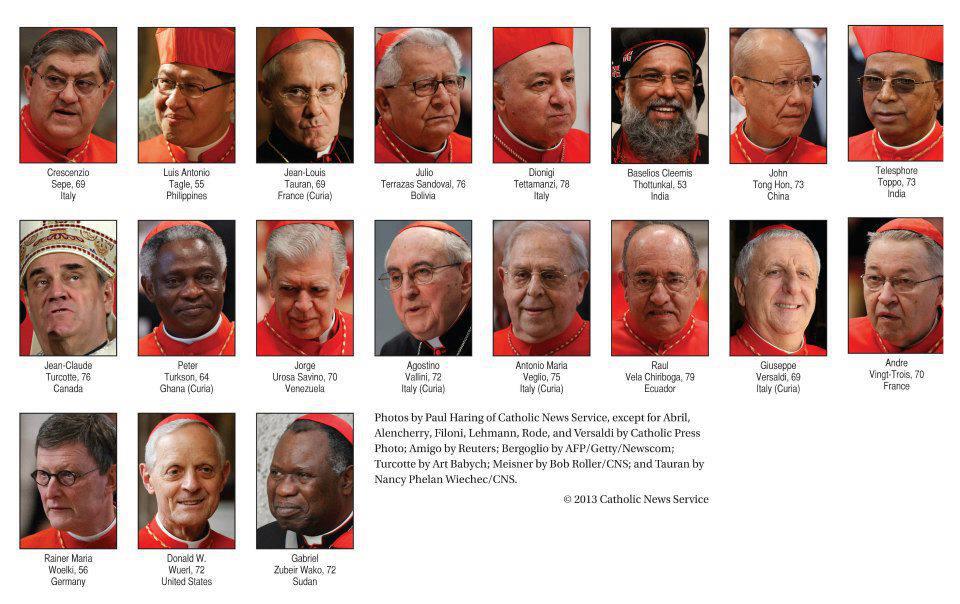
Pictures of all the 115 Cardinal-electors of the 2013 Papal Conclave (Easy to view)

Image

Image

Image

Image

Image

All the 115 Cardinal Electors of the 2013 Papal Conclave which will begin on Tuesday afternoon, 12 March 2013. All photos and arrangements were by Catholic News Service.

12 reasons why Cardinal Angelo Scola may be the next Pope : My chosen Papabile

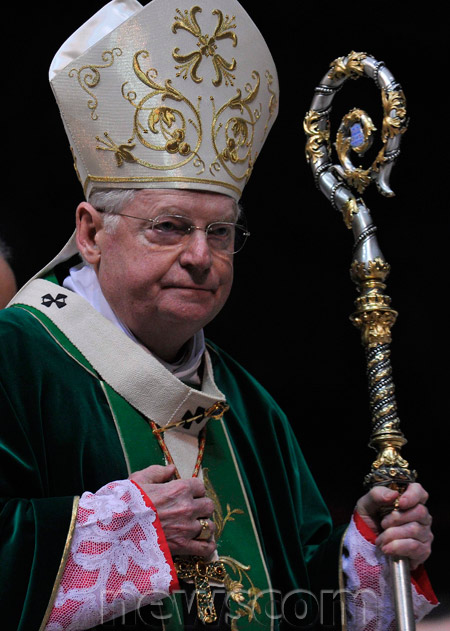
Cardinal Angelo Scola attends a mass in Duomo Cathedral in Milan

Cardinal Angelo Scola (12 reasons why I think he is the best of all the other Candidates, a frontrunner, and should be elected Pope) :

1. Strong in faith and theology : Yes, an intellectual disciple of Pope Benedict XVI, and is as strong as our Pope Emeritus on theology and his deep knowledge of the faith and the Church

2. Close and capable to work with youths : Yes, will be Pope for the youths indeed, and have been working closely with youths in many occasions, especially in his pastoral ministry in Venice and now Milan.

3. Twitter : Already had, and had actively tweeted in the past! Will be no problem to continue to @Pontifex!

4. Italian and other languages : Yes, and Bishop of Rome definitely must speak fluent Italian! Also fluent in several other languages, including English.

5. Interreligious dialogue : Yes, and knowledgeable about Islam in particular, and have been active in reaching out to Christian minorities in the Middle East and the Muslim world.

6. Tradition : Strong in liturgy and tradition, a tradition-based Pope just like Pope Benedict XVI, we need a strong anchor of faith! A close and personal understanding of the liturgy through its beauty can only serve to strengthen the faith of the faithful and the Church.

angelo-scola
7. Charisma : Yes, strong charisma and outreach, and also has a global persona and able to connect with youths and other sections of the society.

8. Poverty and charity of the Church : Being born into low-middle income family, made him to have a close connection and personal connection to the poor and the less fortunate in the Church and the world.

9. Age : At 71, is at the prime age for Pope. Not too old (Pope Benedict XVI was elected at 78 and yet managed to lead an almost 8 year Pontificate), and therefore he will be expected to lead for 15-20 years, and relatively healthy, which is what the Cardinals seek. Not too young, and very experienced.

10. Experience (Curia) : Significant term as the Rector Magnificus of Pontifical University, and then as the President of the Pontifical Institute of John Paul II for Studies of Marriage and Family.

11. Experience (Pastoral) : Experience as Bishop of Grosetto, and long experience as the Patriarch of Venice, and also a great job as the Archbishop of Milan. Hence, being accorded the extremely rare honour of having headed to of Italy’s and the world’s most influential dioceses.

12. Bioethics and Family : Knowledgeable and had published books in bioethics (and also many other topics, totalling more than 120 volumes in total), and very supportive of marriage and family, and definitely strong in the matter, being the former President in the Pontifical Institute on the Family (see number 10). It is necessary to have a strong leader in the issue at the time when the institution of marriage and the family is under constant and increasingly serious attacks.

First General Congregation of the College of Cardinals in ongoing : We pray for the Cardinals and wait for news

The First General Congregation of the College of Cardinals in now ongoing in Rome (since half an hour ago, 9.30 am Rome time today), with most Cardinals having arrived in Rome, to discuss the Conclave, and the qualities needed for the next Pope. Which is also a chance for the Cardinals to discuss among themselves who they think the best candidate is.

The date of the Conclave will also be decided shortly, if not in this meeting, then in the Second General Congregation which will begin at 5 pm Rome time today. We pray for the Cardinal-electors, that the Holy Spirit will guide all of them in this period, and later into the Conclave, that we will soon have a new Pope, a wonderful new Shepherd to lead God’s Church in this world.

We await the press briefing by Fr. Federico Lombardi, head of the Holy See Press Office, which will be at 1 pm Rome time today (CET/UTC+1).

Who to watch for in 2013 papal conclave? Scola, Ouellet, Ravasi, Scherer

Scola, Ouellet, Ravasi, Scherer, who you should watch for in the Conclave.


Scola (Cardinal Angelo Scola, Metropolitan Archbishop of Milan)

Italian, so that even though he’s not in Curia, he did have experience in Rome, and he is already close to Rome, both in distance and relations. Also close to Pope Emeritus Benedict XVI,
and he has also done great job in Venice and then Milan, in which
these two archdioceses alone produced 5 popes in the past century

Only Pope Benedict XV and Pope Pius XII were not from these (excluding Pope John Paul II and Benedict XVI)

Venice : Pius X, John XXIII, John Paul I
Milan : Pius XI, Paul VI

Also at the forefront of communication with Islam through the publications Oasis he created to reach out to Christians in the Muslim world, and involved in interreligious dialogues.

Scola is also more charismatic than Ouellet and also active in the media via youtube, twitter, his site.

Scola is also a well-known author in bioethics, and certainly is a trait needed for a Pope that will lead the Church in its constant battle against the improper use of Science. Yes to an ethical science, but no to unbridled and uncontrolled use of science!

If the conclave proceeds smoothly, he should be the one elected Pope, within 2 or 3 days from the start of the conclave.


Ouellet (Cardinal Marc Ouellet, Prefect of the Congregation for Bishops)

In the Roman Curia and in charge of the bishops, but with the problem is that his archdiocesan experience is not that good, and the story has come out that the very church and parish we was born into, was no longer there, which is shameful considering the rate of secularisation in the west. Formerly he was the Metropolitan Archbishop of Quebec in Canada.

But so far he has done quite a good job, and quite in line with Pope Benedict XVI, by appointing bishops who are not only known to be good administrators, but more importantly, bishops who are holy, and are steadfast in their faith, with individuals like Archbishop Chaput of Philadelphia and Cardinal Tagle of Manila as example.


Ravasi (Cardinal Gianfranco Ravasi, President of Pontifical Council for Culture)

Ravasi is the forefront in how the Church communicates with social issues and the media, and he has been quite active in twitter, more so than Scola, but his administrative skill has been found rather lacking, since he has only five or six years experience as a bishop and never had any experience in handling major archdioceses or dioceses.

At least Cardinal Ravasi will sure make good use of the social media to help evangelise the faith to many, especially youths. But at the moment, we will also need candidate who are more experienced in administration as well, especially considering the troubles that had befallen the Church in recent years due to some inefficiencies in administration.


Scherer (Cardinal Odilo Pedro Scherer, Metropolitan Archbishop of Sao Paulo)

Scherer is rather conservative and as a Latin American, this may boost his chances, but he is quite young and he is not familiar with the curia and with still a relatively short experience as a senior prelate, he needs more experience in managing important archdioceses and other administrative matters.

In addition, the status of Brazil as a country, although having the largest Catholic population in the world, but the rapidly declining number of Catholics in the country as a percentage of the population and the rapidly growing secularisation in the country (also affect the rest of Latin America) may also affect his chances.


In fact, this time round, just as it was with the election of Pope Benedict XVI, now our Pope Emeritus, we does have a clear leading papabili, and the number of papabili is in fact not as many as the media mentioned it.

It will not be like the election of Pope John XXIII when there is no clear preferred papabili present, which resulted in the election of Cardinal Angelo Roncalli, later Pope John XXIII as the compromise choice.

Papabili for the 2013 Papal Conclave (List) : My summary and opinions

Cardinal Angelo Scola : My favourite to be the next Pope. The leading Italian candidate, Archbishop of Milan, and former Patriarch of Venice. He is also a spiritual and intellectual disciple of our beloved Pope Benedict XVI, with similar views on the liturgy. Best person to continue the work that has been started by Pope Benedict XVI on ‘reform of the reform’ and other issues of the faith and the Church.

View his videos, homilies, activities, and Masses at his site : http://angeloscola.it/ and the Youtube page of Archdiocese of Milan at : http://www.youtube.com/user/itleditore

Cardinal Marc Ouellet : Canadian, Prefect of the Congregation for Bishops, former Primate of Canada and Metropolitan Archbishop Emeritus of Quebec. My second favourite and alternative to Cardinal Scola to be the next Bishop of Rome, and also widely regarded as the top non-Italian and non-European candidate. He is also close to our Pope Benedict XVI in his views and intellectually as well, though may be not as close as Cardinal Scola is. He has done a great job at the Congregation, and has seen the appointment of bishops who are not just good administrators, but also good in intellect and faith as well.

Cardinal Gianfranco Ravasi : Italian, President of the Pontifical Council for Culture, well-known for his activity in engaging the media and the new media, particularly through the Internet, via Twitter and other social media in the approach for new evangelisation, and also has done great works among the youth, who are the Church’s future. May have chance if Cardinal Scola’s candidacy does not make it. Drawback is that he has less experience, being only less than 3 years as a Cardinal and about 6 years as a bishop, with little experience outside the Pontifical Council for Culture.

Cardinal Tarcisio Bertone : Italian, Cardinal Secretary of State. The prime Cardinal in the Roman Curia, the second hand of the Pope. He is seen as a strong leader, but many has seen that he is a rather dominating persona, which may be incompatible with the office of the Papacy, and he is also rather too old at 78 going 79 at the end of this year. As Pope Benedict XVI was elected just on his 78th birthday, just like Cardinal Arinze, who is already above 80, the chance of the College of Cardinals to elect someone too old is getting more remote, especially considering the reason for Pope Benedict XVI’s decision to retire and renounce the position as the Bishop of Rome.

Cardinal Timothy Dolan : American, Metropolitan Archbishop of New York. Jovial and lively, reminds me much of Blessed Pope John XXIII. Conservative in issues and outlook. However, being a Cardinal from the world’s only superpower and also the troubles in the American church makes his chances rather slim. However, his youth, his charisma, and his position as the President of the US Catholic Bishops’ Conference may boost his chances to be elected.

Cardinal Raymond Burke : American, Prefect of Supreme Tribunal of Apostolic Signatura (or the Supreme/Chief Justice of the Holy See). Relatively young and traditional, worn the traditional Cardinal dress (galero and cappa magna) and one of the more-traditionally minded Cardinal in the College. Often celebrated the Mass in the Extraordinary Form. May be a good choice for those looking for a more traditional candidate as the next Pope, to continue the ‘reform of the reform’ of Pope Benedict XVI.

Cardinal Christoph Schonborn : Austrian. Metropolitan Archbishop of Vienna. Long seen as the contender for the Papacy, even since the 2005 election. Still rather young at 68 (even younger during the 2005 conclave). However, he is a controversial figure, often recorded with the liturgical abuses (he himself may not mean so, as his funeral Mass for the late Archduke Otto of Austria was done very reverently and liturgically correct), such as the youth Mass with rock concert/party style-Mass and not-so-traditional types of worship, and then with a German currently as the Bishop of Rome, it is less likely that the Cardinals will elect another German as Pope, even though he came from neighbouring Austria.

Cardinal Francis Arinze : Nigerian, Former Prefect of the Congregation for the Divine Worship and the Discipline of the Sacraments. Often touted recently in the media with Cardinal Peter Turkson, another African (Ghana), due to the intense media bias on the possibility of having an African Pope in this Conclave. Not to be biased, but what the media often reported is not what is the actual happening on the ground. Main problem is, according to Universi Dominici Gregis, although it specifically state that he cannot vote as elector because he is already above 80 of age, he may still be elected, but considering that Pope Benedict XVI has resigned at the age of 85 going 86, the Cardinals will likely want to elect someone in their early 70s like Cardinal Scola or late 60s like Cardinal Ouellet.

Cardinal Peter Turkson : Ghana (Africa), President of Pontifical Council for Justice and Peace. Seen by many as a strong contender, but with main issues regarding his frequent gaffes and improper comments regarding Muslim-Christian relations, which is a very important and delicate matter in the Church indeed. He was also censured somewhat for his screening of a clip that showed the rise of Islam in Europe last year, which quite a few Cardinals saw as fearmongering. In addition, his name, Peter, may bring about intense speculation on Petrus Romanus (Peter the Roman) in the Prophecy of St. Malachy on the Popes. Petrus Romanus, being the last Pope, will come at the time near the end of time, heading the Church in the time of persecution (as perhaps told in the Book of Revelations). As this last prophecy is not numbered, it is most likely that St. Malachy purposely did so / the vision given by the Lord purposely did so such that we know what’s going to happen, but not the exact time when the Lord will come again, so that we will always be ready for His coming. So, no, most likely we won’t have a Peter or Pope Peter in this time round. (Addition : Cardinal Turkson has also openly announced that he is ready to be elected if he is. Normally this is frowned, as this is seen as ambition, and incompatible with the will of the Holy Spirit. Remember that the papal conclave is not the same as the US presidential elections or any other secular elections, it is far above that).

Cardinal Luis Antonio Gokim Tagle : Filipino (Asia), Metropolitan Archbishop of Manila. A young and new Cardinal appointed by the Pope at his last consistory last November. This may be seen by some as the Pope appointing his ‘successor’ but it is actually not so. I myself hope that he will be elected Pope, but not this time, maybe after the next one, and he can have the chance to be the 268th Pope instead (we are electing the 267th Bishop of Rome in this conclave). First is his very young age, and his relative lack of experience in both as a Cardinal and the Archbishop of Manila. I have very high opinions on Cardinal Tagle and was very glad when he was named a Cardinal last year, but to me, let Cardinal Tagle do great works first in Manila for many more years, and then, with all those experiences, then he can become an even better Pope next time.

This list is still incomplete, and I will post additions from time to time. In any case, it is not man to decide who’s the next leader of the Universal Church, the Vicar of Christ. It is Christ Himself, through the Holy Spirit, and thus through the Cardinal-electors inspired by the Spirit who decides. Pray for them, and for the entire Universal Church, and for the whole world. Amen.