19 Cardinals to be created at the Consistory of 22 February 2014

On Sunday, 12 January 2014, at the Angelus of the Feast of the Baptism of the Lord, Pope Francis announced that 19 new Cardinals will be created at the consistory planned to be held on the Feast of the Chair of St. Peter, 22 February 2014.


Here are the names of the new Cardinals or Cardinal-elects, and some short explanation on them :

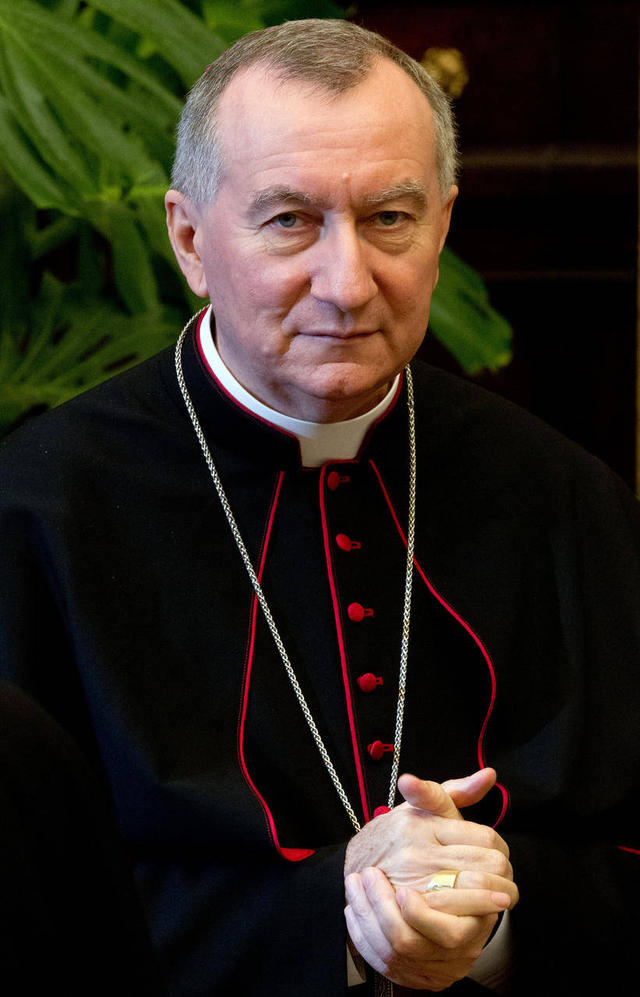
1. Archbishop Pietro Parolin, Secretary of the Secretariat of State – 58 (Age)
1272287

Being the highest position in the Church just below that of the Pope himself, Archbishop Parolin as the Secretariat of State is a certain candidate for the Cardinalate to be made at this consistory, and the position itself is explicitly stated to have to be held by a Cardinal (As Cardinal Secretary of State)


2. Archbishop Lorenzo Baldisseri, Secretary General of the Synod of Bishops – 73
images

Archbishop Lorenzo Baldisseri is also the Secretary of the College of Cardinals and therefore was the Secretary of the Conclave that elected Pope Francis on 13 March 2013.

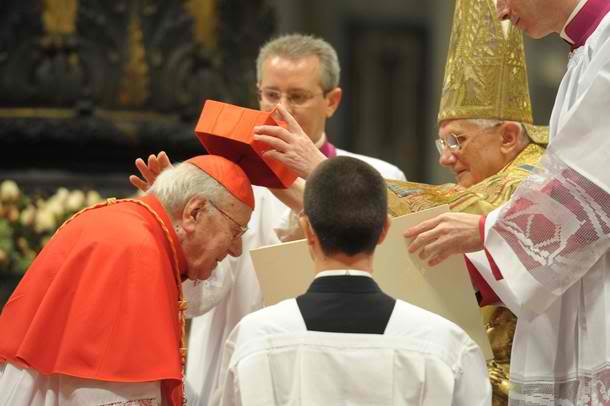
It was reported and confirmed by sighting that the Pope had placed his own red zucchetto (skullcap) on the head of Archbishop Baldisseri, which by ancient custom (last used by Blessed Pope John XXIII on the Secretary of that time, Monsignor Alberto di Jorio in 1958) mark that the new Pope wants to bestow the red hat on the prelate. Hence, the elevation of Archbishop Baldisseri is pretty much certain.


3. Archbishop Gerhard Ludwig Muller, Prefect of the Congregation for the Doctrine of the Faith – 66

Muller

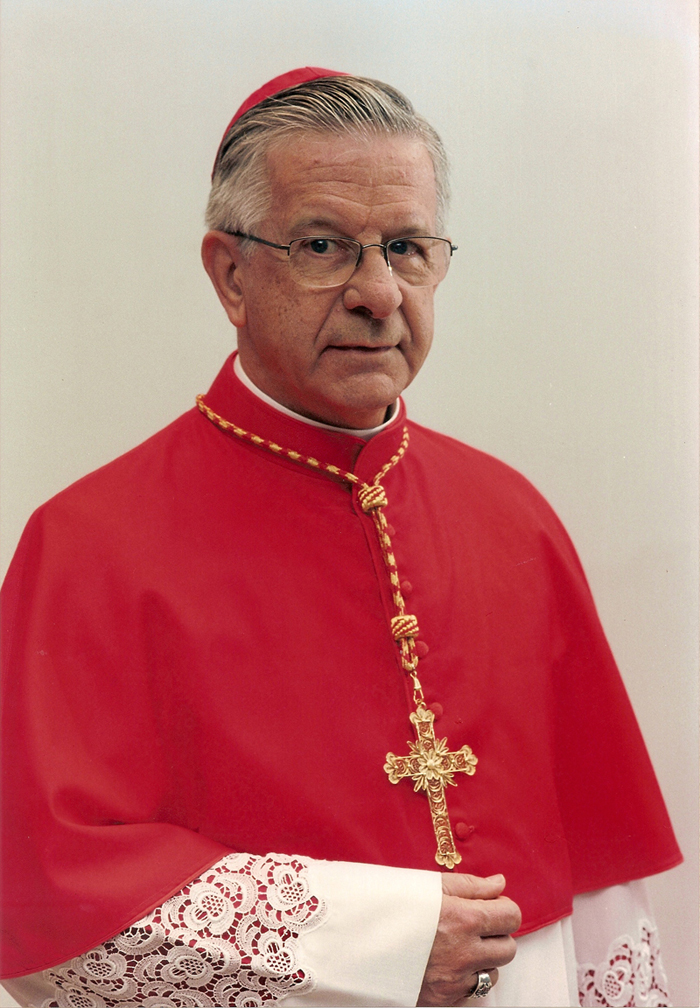
As the Prefect of a Congregation, and one as important as the Congregation for the Doctrine of the Faith once held by Cardinal Joseph Ratzinger before he was elected Pope Benedict XVI in 2005, Archbishop Gerhard Ludwig Muller is a certain candidate for the Cardinalate, and sure enough, he is one of the 19 appointed.


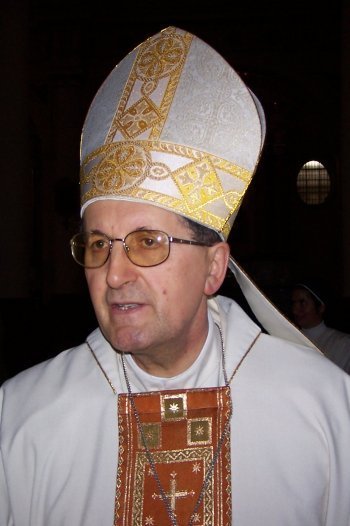
4. Archbishop Beniamino Stella, Prefect of the Congregation for Clergy – 72
Stella

Similar with Archbishop Muller, as the Prefect of an important Roman Curia Congregation, Archbishop Stella is a certain candidate for the Cardinalate, and as a recent appointee by Pope Francis, this made his elevation very certain indeed.


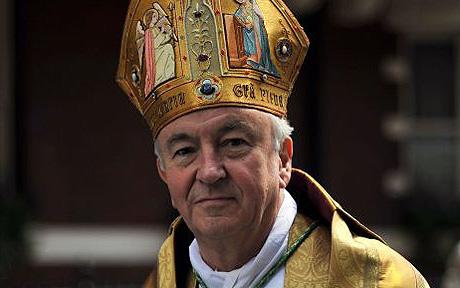
5. Archbishop Vincent Nichols, Metropolitan Archbishop of Westminster (United Kingdom) – 68
BRITAIN-RELIGION-ARCHISHOP-WESTMINSTER

With the problems that affected Cardinal Keith O’Brien early of last year and his retirement, the United Kingdom has no leading figure, which Archbishop Vincent Nichols, as the Archbishop of Westminster, the Primatial See of the United Kingdom as the obvious choice for the Cardinalate.


6. Archbishop Leopoldo Jose Brenes Solorzano, Metropolitan Archbishop of Managua (Nicaragua) – 64
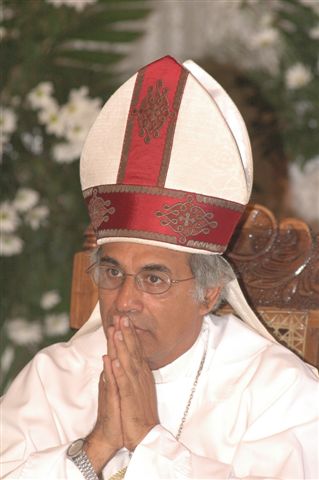
Solorzano

As his predecessor was made Cardinal in 1985, and had been 7 years as a non-elector, it was natural that Archbishop Solorzano is made a Cardinal, representing the Central American region.


7. Archbishop Gerald Cyprien Lacroix, I.S.P.X., Metropolitan Archbishop of Quebec (Canada) – 56
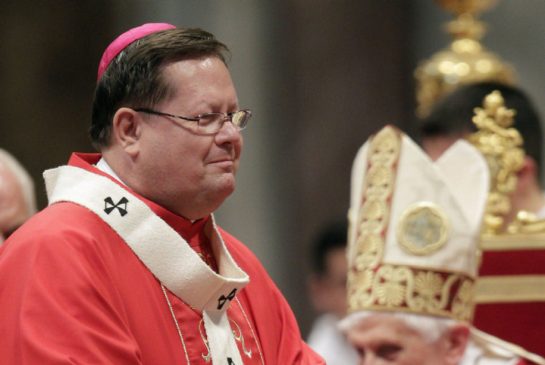
gerald_cyprien_lacroix.jpg.size.xxlarge.promo

The second youngest of the newly appointed Cardinals, as the Primate of Canada by virtue of being the Prelate of Quebec, it is natural for Archbishop Lacroix to be appointed Cardinal. His predecessor, Cardinal Marc Ouellet, is the current Prefect of the Congregation for Bishops and was a leading papabili of the 2013 Papal Conclave.


8. Archbishop Jean-Pierre Kutwa, Metropolitan Archbishop of Abidjan (Cote d’Ivoire / Ivory Coast) – 68

Jean-Pierre Kutwa

With two of his immediate predecessors made Cardinals in 1983 and 2001 respectively, Archbishop Kutwa had a high chance of being appointed Cardinal. His appointment is a nod to the Church in Africa, a growing community of the faithful, one with the Universal Church.


9. Archbishop Orani Joao Tempesta, O. Cist., Metropolitan Archbishop of Sao Sebastiao do Rio de Janeiro (Brazil) – 63
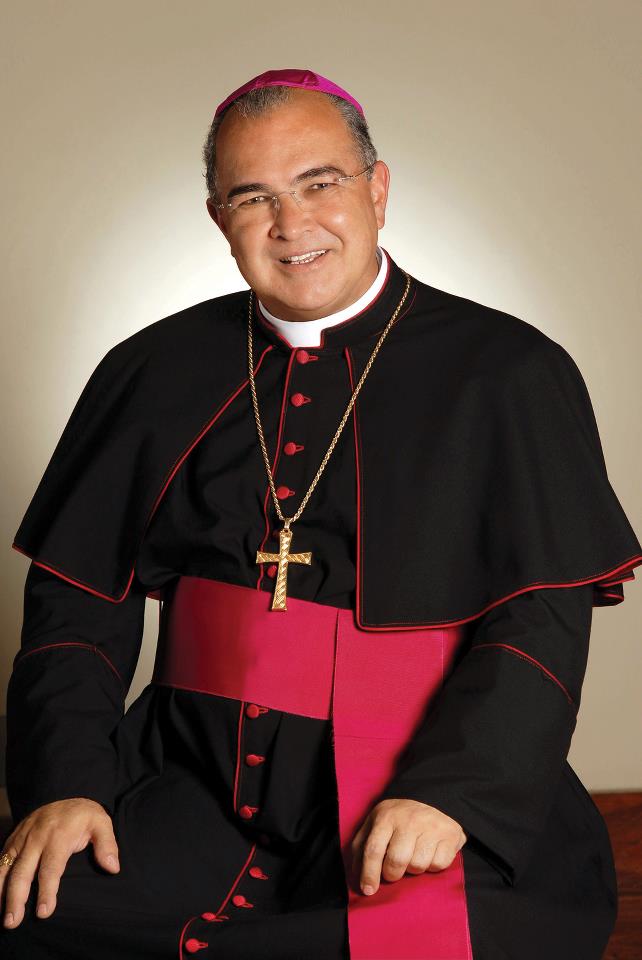
Dom Orani João Tempesta

As the head of a Cardinalatial see, with all five of his immediate predecessors made Cardinals, and with the limelight gained from the 2013 World Youth Day in Rio de Janeiro, Archbishop Tempesta is a certain candidate for the Cardinalate.


10. Archbishop Gualtiero Bassetti, Metropolitan Archbishop of Perugia-Citta della Pieve (Italy) – 71
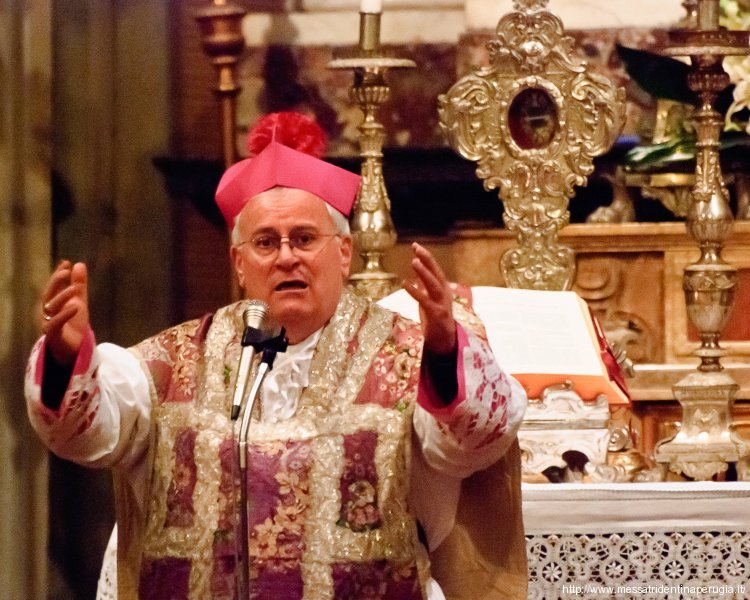
Bassetti

His long ago predecessor, Cardinal Vincenzo Gioacchino Pecci was elected Pope Leo XIII in 1878. Since then Perugia had had no Cardinal. This elevation of Archbishop Bassetti to the Cardinalate would honour the memory of Pope Leo XIII and give chance to other Italian Archdioceses to get the red hat besides the major, Cardinalate ones. Archbishop Bassetti is also known for his pastoral nature and hard work for his Archdiocese.


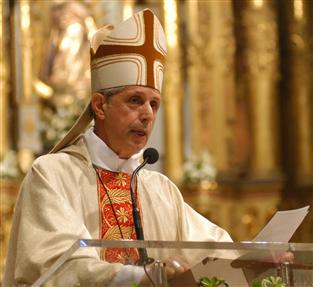
11. Archbishop Mario Aurelio Poli, Metropolitan Archbishop of Buenos Aires (Argentina) – 66
20130327134808

As the successor of Pope Francis as the Metropolitan Archbishop of Buenos Aires, Archbishop Poli is a natural and certain choice for the Cardinalate.


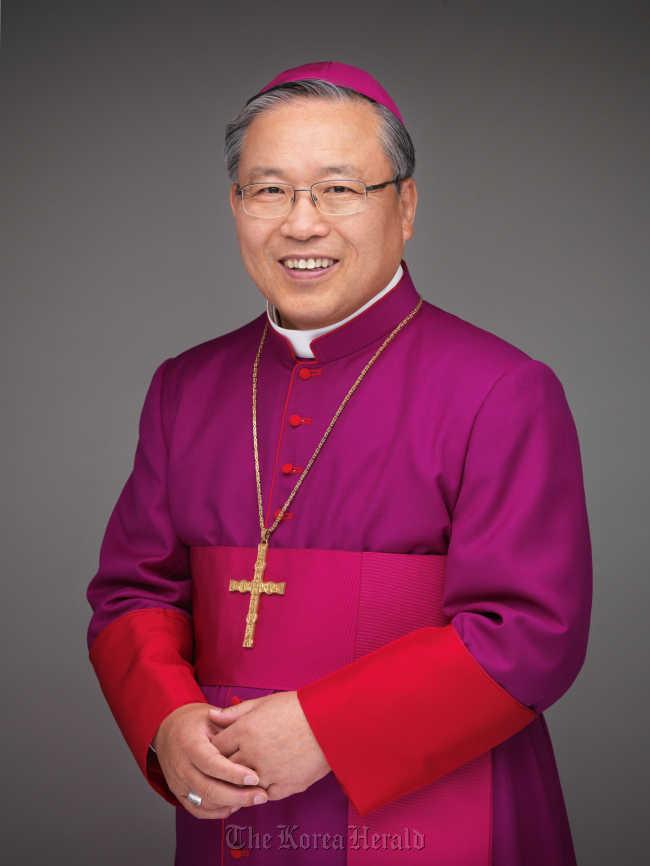
12. Archbishop Andrew Yeom Soo-jung, Metropolitan Archbishop of Seoul (South Korea) – 70
20120625000388_0

Among the three great Asian nations known for their Cardinals, namely Hong Kong (China), South Korea, and the Philippines, only South Korea at the moment has no Cardinal-elector. Hence, Archbishop Andrew Yeom is an almost confirmed choice for the Cardinalate, and indeed, he was chosen.


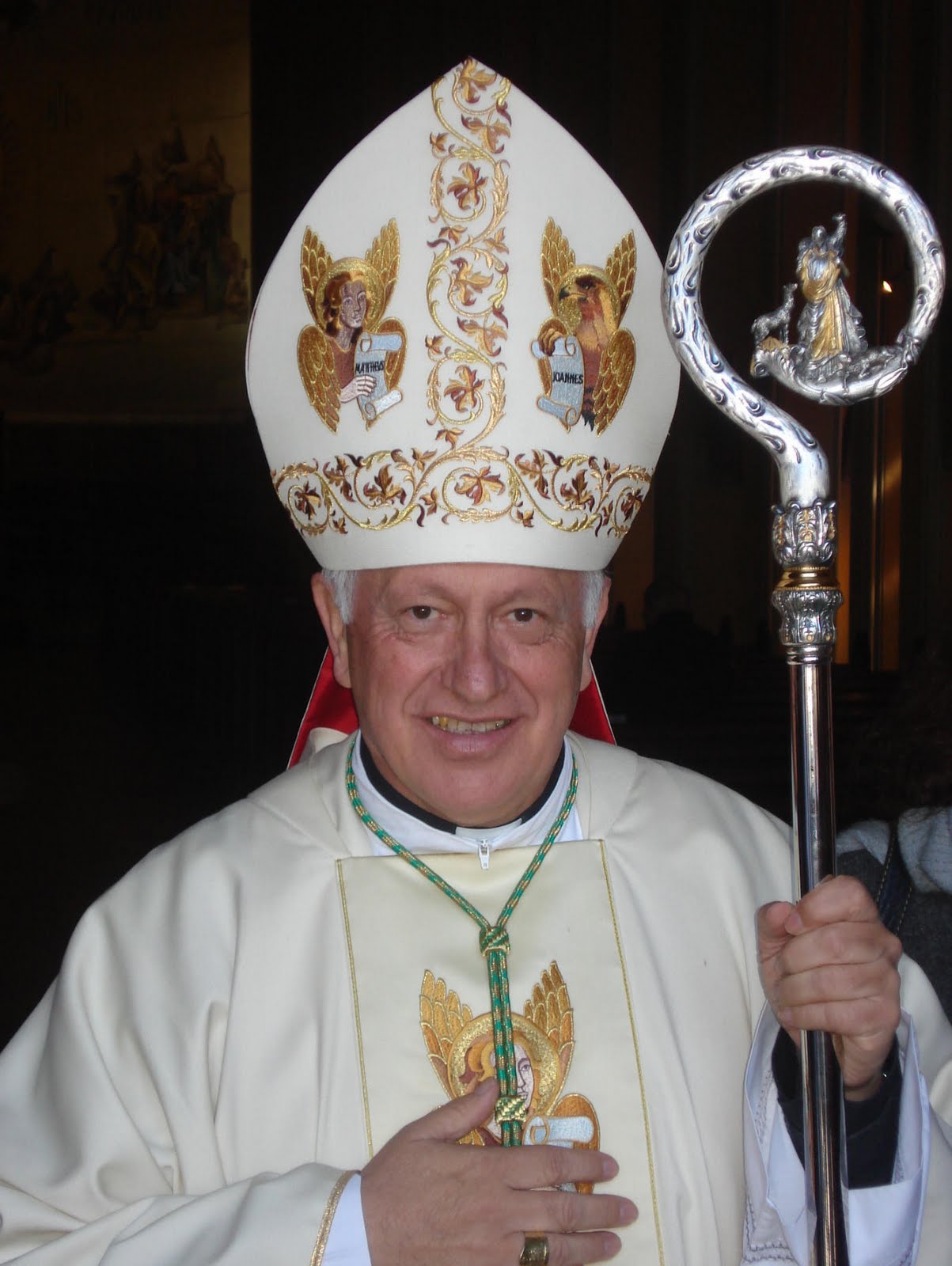
13. Archbishop Ricardo Ezzati Andrello, S.D.B., Metropolitan Archbishop of Santiago (Chile) – 72
02

Another Cardinalatial see in the Latin Americas, and therefore, Archbishop Ezzati Andrello is one of the few possible choices for the Cardinalate. Another Cardinal to increase the proportion of Latin America in the Sacred College of Cardinals.


14. Archbishop Philippe Nakellentuba Ouedraogo, Metropolitan Archbishop of Ouagadougou (Burkina Faso) – 68

Oua

One of his predecessor was made Cardinal by Pope Paul VI in 1965, and therefore Archbishop Ouedraogo was a potential candidate for the Cardinalate for Africa region.


15. Archbishop Orlando Beltran Quevedo, O.M.I., Metropolitan Archbishop of Cotabato (Philippines) – 74

Quevedo

A rather suprising choice because Archbishop Quevedo is already 74 and therefore is just one year from the mandatory retirement age, although this may be extended towards 80, as was quite common in recent years among Asian Cardinals.

Geographically the choice made sense because the Philippines does deserve more Cardinals, and so far the Cardinalatial sees only cover the north (Manila) and central (Cebu) portions of the country. A Cardinal from the southern island of Mindanao is a good sign indeed.


16. Bishop Chibly Langlois, Bishop of Les Cayes (Haiti) – 55
chibly_langlois

The youngest of the newly appointed Cardinals, from a relatively less important diocese in the Caribbean region. This choice is a nod both to the plight of the people of Haiti after the earthquake that happened a few years earlier, as well as the rising importance of the region to the Universal Church.


There are three Cardinal non-electors (over the age of 80) appointed in this Consistory, usually for their great and long contribution and dedication to the Church :


17. Archbishop Loris Francesco Capovilla, Archbishop-Prelate Emeritus of Loreto (Italy) – 98

Capovilla

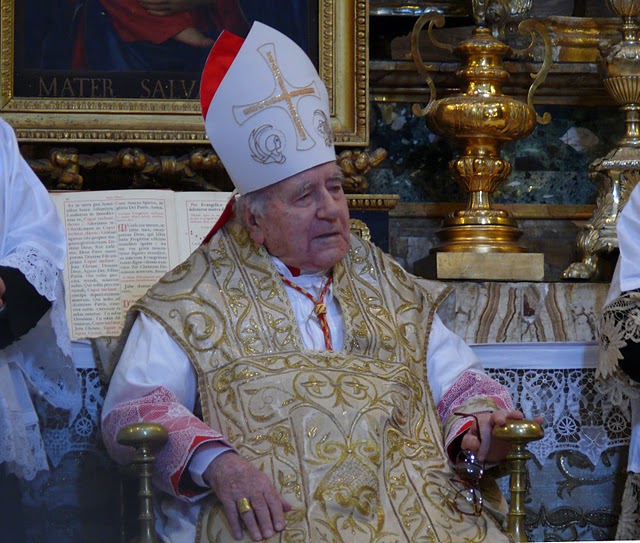
The oldest of the newly appointed Cardinals at 98, likely the oldest person ever appointed a Cardinal. Archbishop Capovilla was renowned for being the long-time private secretary to Blessed Pope John XXIII.

As the aforementioned Pope will be canonised this coming April, it is an obvious nod to his memory that Archbishop Capovilla, coupled with his long and dedicated service, that he is made a Cardinal.


18. Archbishop Fernando Sebastian Aguilar, C.M.F., Metropolitan Archbishop Emeritus of Pamplona y Tudela (Spain) – 84
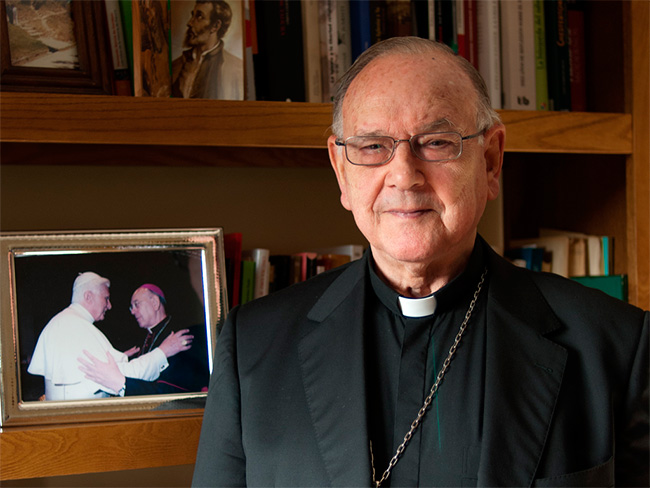
fernando-sebastian


19. Archbishop Kelvin Edward Felix, Metropolitan Archbishop Emeritus of Castries (Saint Lucia) – 80
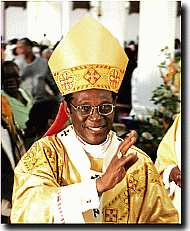
rev_felix

Another appointee for the Caribbean region, even though being over 80, it was rather honorary in nature, but nevertheless it was to highlight the importance of the New World in the Universal Church.
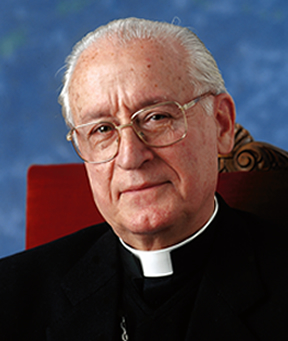
Cardinabili List for the Cardinal Consistory of 22 February 2014

Here is my own list of the potential candidates for the Cardinalate, to receive the red biretta in the Consistory next month.

The final list is not yet known, and while some in this list may not be chosen, it is possible all of them are chosen, and there may be even names outside this list I have compiled too. Pray for them!


Cardinal Consistory of 22 February 2014 (Feast of the Chair of St. Peter)


Almost Certain


Curia

1. Archbishop Pietro Parolin, Secretary of the Secretariat of State

2. Archbishop Beniamino Stella, Prefect of the Congregation for Clergy

3. Archbishop Gerhard Ludwig Muller, Prefect of the Congregation for the Doctrine of the Faith

4. Archbishop Lorenzo Baldisseri, Secretary General of the Synod of Bishops


Residential

5. Patriarch Francesco Moraglia, Patriarch of Venice (Italy)

6. Archbishop Mario Aurelio Poli, Metropolitan Archbishop of Buenos Aires (Argentina)


Very likely


Residential

6. Patriarch Manuel Jose Macario do Nascimento Clemente, Patriarch of Lisbon (Portugal)

7. Archbishop Vincent Nichols, Metropolitan Archbishop of Westminster (United Kingdom)

8. Archbishop Andre-Joseph Leonard, Metropolitan Archbishop of Mechelen-Brussels (Belgium)

9. Major Archbishop Sviatoslav Shevchuk, Major Archbishop of Kyiv-Halyc (Head of the Ukrainian Greek Catholic Church)

10. Archbishop Jose Serafio Palma, Metropolitan Archbishop of Cebu (Philippines)

11. Archbishop Andrew Yeom Soo-jung, Metropolitan Archbishop of Seoul (South Korea)

12. Archbishop Cyprian Kizito Lwanga, Metropolitan Archbishop of Kampala (Uganda)

13. Archbishop Odon Razanakolona, Metropolitan Archbishop of Antananarivo (Madagascar)

14. Archbishop Orani Joao Tempesta, Metropolitan Archbishop of Rio de Janeiro (Brazil)

15. Archbishop Ricardo Ezzati Andrello, S.D.B., Metropolitan Archbishop of Santiago (Chile)


Possible


Curial

16. Archbishop Jean-Louis Brugues, O.P., Head of the Vatican Secret Archives and the Vatican Apostolic Library

17. Archbishop Salvatore Fisichella, President of the Pontifical Council for the Promotion of the New Evangelisation

18. Archbishop Vincenzo Paglia, President of the Pontifical Council for the Family


Residential

19. Archbishop Charles Joseph Chaput, O.F.M. Cap., Metropolitan Archbishop of Philadelphia (USA)

20. Archbishop Rogelio Cabrera Lopez, Metropolitan Archbishop of Monterrey (Mexico)

21. Archbishop Peter Takeo Okada, Metropolitan Archbishop of Tokyo (Japan)

22. Archbishop Ignatius Suharyo Hardjoatmodjo, Metropolitan Archbishop of Jakarta (Indonesia)

23. Patriarch Ibrahim Isaac Sidrak, Patriarch of Alexandria (Head of the Coptic Catholic Church)

24. Archbishop Francis Xavier Kriengsak Kovithavanij, Metropolitan Archbishop of Bangkok (Thailand)

25. Archbishop Eustaqio Pastor Cuquejo Verga, Metropolitan Archbishop of Asuncion (Paraguay)

26. Archbishop Cesare Nosiglia, Metropolitan Archbishop of Turin (Italy)

Passing of Cardinal Ricardo Maria Carles Gordo of Spain, at the age of 87

Carles_gordo

Cardinal Ricardo Maria Carles Gordo, Cardinal Priest of S. Marie Consolatrice al Tiburtino has passed away on Tuesday, 17 December 2013 at the age of 87. He was the Archbishop of Barcelona, as an Archdiocese directly subjected to the Holy See from 1990 to 2004.

http://www.gcatholic.org/hierarchy/data/cardJP2-6.htm#27

Ricardo Coat

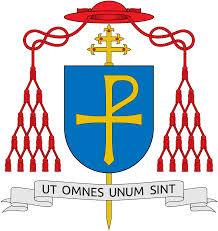
Cardinal Carles Gordo was created Cardinal in 1994 by Blessed Pope John Paul II in his sixth Cardinal creation consistory on 26 November 1994. His motto was Ut Omnes Unum Sint, “That they all may be One”, part of the prayer of Jesus for His disciples before His Passion, for the unity of His Church.

We pray for Cardinal Carles Gordo, that he will rest in peace, and God will reward him for all his hard and great work as the long time servant of God as the shepherd of the faithful in Barcelona, for all the ministries and good works he had done there for the sake of God and His people. May the Lord welcome him into His embrace in heaven and give him eternal rest and happiness that he deserved.

With the passing of Cardinal Carles Gordo, the College of Cardinals now stands at 199 members, with 109 Cardinal-electors and 90 Cardinal non-electors.

There are now 11 Cardinal-elector vacancies in the College of Cardinals, 13 vacant Cardinal Titles (for Cardinal Priests) and 9 vacant Cardinal Deaconries (for Cardinal Deacons)

Passing of Cardinal Domenico Bartolucci of Italy, at the age of 96

Bartolucci

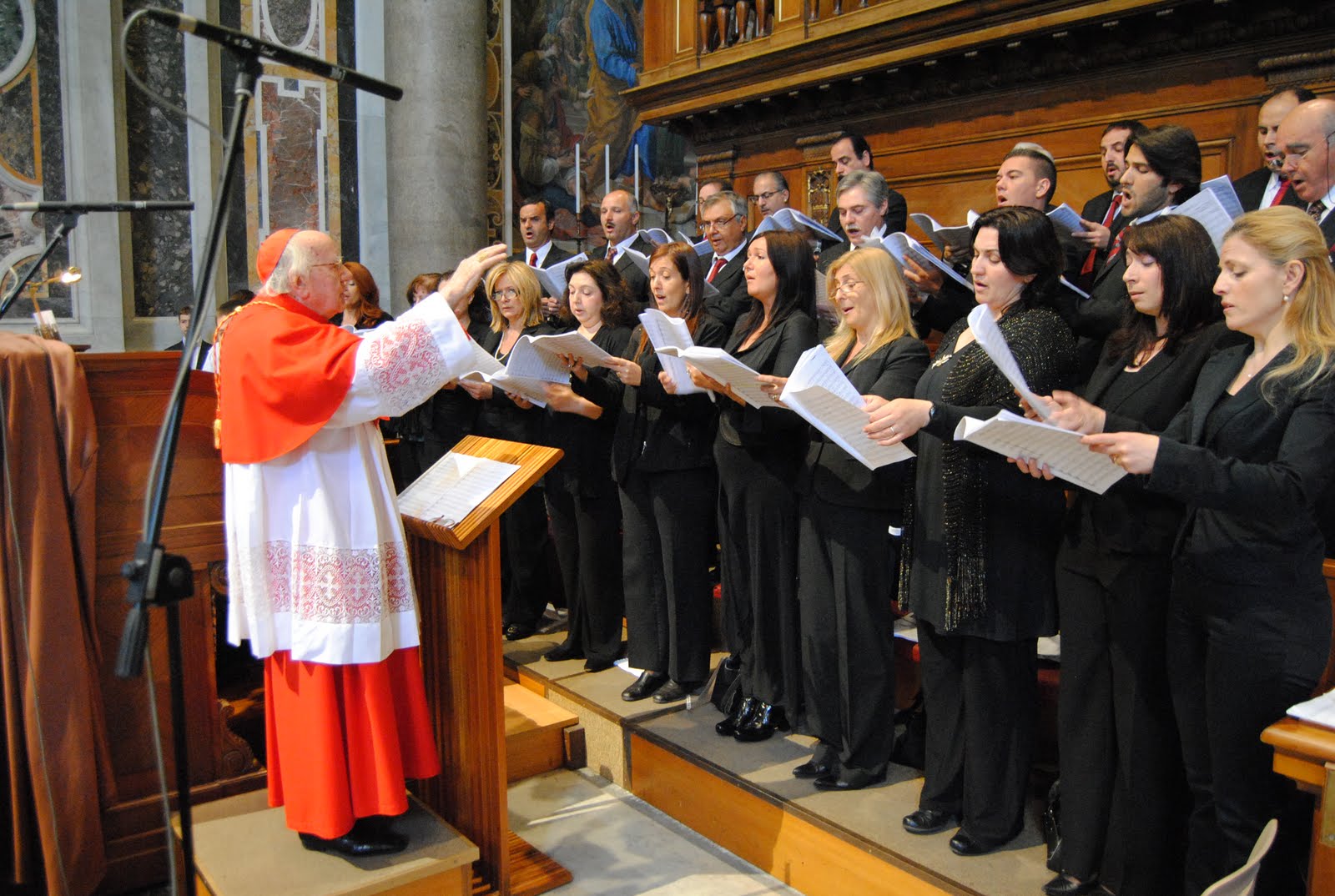
Cardinal Domenico Bartolucci, Cardinal Deacon of SS. Nomi di Gesu e Maria in Via Lata has passed away on Monday, 11 November 2013 at the age of 96. He was the Director of the Sistine Chapel Choir (1956-1997), better known as his title of the Director Master of the Pontifical Musical Chorus of the Sistine Chapel.

http://www.gcatholic.org/hierarchy/data/cardB16-3.htm#45954

Jan2011Nov2010BartolucciReuters

Cardinal Bartolucci was created Cardinal in 2010 by Pope Benedict XVI in his third Cardinal creation consistory and he was a longtime Director of the Sistine Chapel choir, a great conductor and composer of sacred and liturgical music, for over 41 years from 1956 to 1997. Cardinal Bartolucci retired in 1997, but even then, he still conducted his beloved choir and created more beautiful music for worship after he retired. He was honoured by Pope Benedict XVI for his longtime service to the Church by the bestowal of the red hat of a Cardinal in 2010, when he was 93.

brandmuller xvi

We pray for Cardinal Bartolucci, that he will rest in peace, and God will reward him for all his hard and great work as the long time servant of God through music as the conductor, director, and composer of the Papal liturgical music and sacred music through the Sistine Chapel choir  and his numerous other contributions to the Universal Church and for the Lord’s sake. May the Lord welcome him into His embrace in heaven and give him eternal rest and happiness that he deserved.

With the passing of Cardinal Bartolucci, the College of Cardinals now stands at 200 members, with 109 Cardinal-electors and 91 Cardinal non-electors.

There are now 11 Cardinal-elector vacancies in the College of Cardinals, 12 vacant Cardinal Titles (for Cardinal Priests) and 9 vacant Cardinal Deaconries (for Cardinal Deacons)

Cardinal Geraldo Majella Agnelo, Metropolitan Archbishop Emeritus of Sao Salvador da Bahia (Brazil) turns 80, ceases to be a Cardinal-elector

y3323912291618536_1

Today, Saturday, 19 October 2013, Cardinal Geraldo Majella Agnelo, Cardinal-Priest of S. Gregorio Magno alla Magliana Nuova, the Metropolitan Archbishop Emeritus of Sao Salvador da Bahia, of Brazil, turns 80, and therefore, according to the rules written in the Apostolic Constitution Universi Dominici Gregis, he loses his right to vote in any future conclave.

Cardinal Geraldo Majella Agnelo was made Cardinal-Priest of S. Gregorio Magno alla Magliana Nuova by Pope John Paul II in the 2001 Consistory of Cardinals on 21 February 2001, the eighth of his pontificate. He was also the once the Secretary of Congregation for Divine Worship and the Discipline of the Sacraments from 1991, prior to his appointment as Metropolitan Archbishop of Sao Salvador da Bahia in 1999. He retired in 2011.

dom-geraldo-maljella

http://www.gcatholic.org/hierarchy/data/cardJP2-8.htm#1

May God bless His Eminence Cardinal Agnelo, with a blessed old age and health. May he remain strong in the faith and hopefully can perhaps still carry out the mission God had given him in an active retirement and old age.

The College of Cardinals now stands at 201 members in total, with 109 Cardinal-electors and 92 Cardinal non-electors. There are now vacancy of 11 Cardinal-electors as compared to the maximum number of electors allowed in the Conclave of 120, although Popes John Paul II and Benedict XVI had sometimes surpassed this limit.

Next Cardinal-elector to age out (80) will be Cardinal Joachim Meisner, the current Metropolitan Archbishop of Koln (Germany),  on 25 December 2013.

Cardinal Raffaele Farina, President of the Pontifical Commission for Reference on the Institute for Works of Religion (Italy) turns 80, ceases to be a Cardinal-elector

53-03-012

Today, Tuesday, 24 September 2013, Cardinal Raffaele Farina, Cardinal-Deacon of S. Giovanni della Pigna, the Archivist Emeritus of the Vatican Secret Archives and the current President of the Pontifical Commission for Reference on the Institute for Works of Religion, of Italy, turns 80, and therefore, according to the rules written in the Apostolic Constitution Universi Dominici Gregis, he loses his right to vote in any future conclave.

Cardinal Raffaele Farina was made Cardinal-Deacon of S. Giovanni della Pigna by Pope Benedict XVI in the 2007 Consistory of Cardinals on 24 November 2007, the second of his pontificate. He was also the once the Rectors of several Pontifical Universities and the Prefect and later Librarian of the Vatican Apostolic Library.

Raffaele+Farina+Vatican+Prepares+Election+S19xtah-YI0x

http://www.gcatholic.org/hierarchy/data/cardB16-2.htm#743

May God bless His Eminence Cardinal Farina, with a blessed old age and health. May he remain strong in the faith and hopefully can perhaps still carry out the mission God had given him.

The College of Cardinals now stands at 201 members in total, with 110 Cardinal-electors and 91 Cardinal non-electors. There are now vacancy of 10 Cardinal-electors as compared to the maximum number of electors allowed in the Conclave of 120, although Popes John Paul II and Benedict XVI had sometimes surpassed this limit.

Next Cardinal-elector to age out (80) will be Cardinal Geraldo Majella Agnelo, the Metropolitan Archbishop Emeritus of Sao Salvador da Bahia (Brazil),  on 19 October 2013.

Cardinal Francisco Javier Errazuriz Ossa, Metropolitan Archbishop Emeritus of Santiago (Chile), turns 80, ceases to be a Cardinal-elector

Francisco_Javier_Errázuriz_Ossa(3)

Today, Thursday, 5 September 2013, Cardinal Francisco Javier Errazuriz Ossa, Cardinal-Priest of S. Maria della Pace, and Metropolitan Archbishop Emeritus of Santiago, Chile, turns 80, and therefore, according to the rules written in the Apostolic Constitution Universi Dominici Gregis, he loses his right to vote in any future conclave.

Cardinal Francisco Javier Errazuriz Ossa was made Cardinal-Priest of S. Maria della Pace by Blessed Pope John Paul II in the 2001 Consistory of Cardinals on 21 February 2001, the eighth of his pontificate. He was also the Metropolitan Archbishop of Santiago in Chile from April 1998 to December 2010.

81812-01

http://www.gcatholic.org/hierarchy/data/cardJP2-8.htm#49

May God bless His Eminence Cardinal Errazuriz Ossa, with a blessed old age and health. May he remain strong in the faith and hopefully can perhaps still carry out the mission God had given him.

The College of Cardinals now stands at 201 members in total, with 111 Cardinal-electors and 90 Cardinal non-electors. There are now vacancy of 9 Cardinal-electors as compared to the maximum number of electors allowed in the Conclave of 120, although Popes John Paul II and Benedict XVI had sometimes surpassed this limit.

Next Cardinal-elector to age out (80) will be Cardinal Raffaele Farina, the former Archivist of the Vatican Secret Archives and the current President of the Pontifical Commission for Reference on the Institute for Works of Religion,  on 24 September 2013.

Passing of Cardinal Stanislaw Nagy at the age of 91 (Wednesday, 5 June 2013)

1_0_699082

Cardinal Stanislaw Nagy, a Cardinal from Poland and a good friend of the late Blessed Pope John Paul II, and a renowned theologian and a great teacher, has passed away last Wednesday, on 5 June 2013 at the age of 91.

nagy

Cardinal Nagy was made a Cardinal-Deacon of S. Maria della Scala at the age of 82 in 2003, as a Cardinal non-elector, in recognition of his great service for the Church, both in the field of theology, and in the field of knowledge in general, after his numerous writings on the faith and the Pope himself, whom he was a dear friend of.

With the passing of Cardinal Nagy, the composition of the College of Cardinals has once again changed, just a day after Cardinal Godfried Danneels of Belgium aged out at 80 and became a Cardinal non-elector.

As of 5 June 2013, the College of Cardinals consist of 204 members in total, with 112 Cardinal-electors and 92 Cardinal non-electors (minus one due to the passing of Cardinal Nagy).

We pray for His Eminence’s soul that God will welcome him into His embrace in heaven, and grant him the heavenly reward that is promised him, and live with Him in glory forever and ever. Requiescat in Pace.

Details on the Papal Inauguration Mass and ceremony of Pope Francis, 266th Pope and Bishop of Rome

Mass appeal: some details of tomorrow’s papal inauguration—UPDATED

Today, Tuesday, 19 March 2013, our new Pope will be solemnly inaugurated to begin his Pontificate. He is already our Pope, ever since he accepted the rightful election in the Conclave, but the Inauguration ceremony affirms and completes that process, with the imposition of the symbols of the authority of the Pope, as the leader of the entire Universal Church.

There will be some changes to the liturgy this year, as the imposition of the Pallium and the Ring of the Fisherman will take place just before the Mass starts, instead of being within the Mass itself, as the impositions are seen as more of an extra-liturgical event.

The Pope will pray with the leaders of the Eastern Catholic Churches, the Patriarchs and Major Archbishops at the Tomb of St. Peter underneath the main altar of St. Peter’s Basilica, where the pallium and the ring had been placed since the night before.

The Pope will then proceed with all the other concelebrating Cardinals and prelates outside to the Altar at St. Peter’s Square, which in the meanwhile the Laudes Regia hymn or ‘Laud to the King (Christ)’, that is a glorious rendition of the Litany of the Saints, with the new innovation of the inclusion of part asking the past Popes who had been canonised as saints for the new Pope, their successor, beginning from Pope St. Linus to Pope St. Pius X.

Following after this is the imposition of the papal pallium, which is different from the pallium worn by the Metropolitan Archbishops. Pope Francis’ pallium will be the same in appearance with that of Pope Benedict XVI’s pallium, with red crosses instead of black ones, representing the wounds of Christ, with three gold pins on three of the crosses, representing the nails that bound both hands and the legs of Christ onto the cross. The pallium symbolises the authority the Pope has over the entire Universal Church. The pallium will be imposed by the senior Cardinal of the order of Priest in the Cardinal-electorate, Cardinal Godfried Danneels.

The Ring of the Fisherman will be given after this, which signifies the bond between the Pope and God’s Church, and as the image on the ring depicts, that of St. Peter holding the keys on a boat, while fishing, as a fisher of man, it symbolises the Pope’s role as the successor of St. Peter the Apostle, and also as the current holders of the keys of the kingdom of Heaven, entrusted by Christ to Peter. The ring will be presented to the Pope by the senior Cardinal Deacon, Cardinal Jean-Louis Tauran.

Six Cardinals representing the rest of the Cardinals will pay homage to the Pope, and will give their obedience to him, following the imposition of the pallium and the Ring of the Fisherman.

The Mass follows as usual, and the readings will be done in different languages, English, Spanish, and most notably the Gospel in Greek, to highlight the universal nature of the Church, encasing both the Western and Eastern tradition of Christendom. The whole liturgy of the Mass itself will be conducted in solemn Latin and beautiful Gregorian chants.

The booklet for the Mass is available at the link below, in English, Italian, and Latin :

Click to access 20130319_inizio-ministero-petrino.pdf

Summary of the Tenth and the Last General Congregation of the College of Cardinals, and details on the Conclave

New Cardinals have been elected to lead the Particular Congregations (elected every 3 days) in the Conclave. Cardinal Antonios Naguib for the Cardinal Bishops; Cardinal Marc Ouellet for the Cardinal Priests; Cardinal Francesco Monterisi for the Cardinal Deacons. New leaders will be elected if after three days in the Conclave, the Conclave has not yet ended with the election of a new Pope. Their task is to guide the Cardinal Camerlengo, who is Cardinal Tarcisio Bertone.

28 Cardinals had spoken in the Tenth General Congregation, and a total of 161 Cardinals had already spoken in all the past General Congregations. Not all Cardinals who wanted to speak has spoken, as the number of Cardinals that spoke had made the Cardinals to vote whether to continue or to stop the General Congregation at that point (likely because it has taken too much time).

In the meanwhile, during the Sede Vacante, certain offices that represent the Holy See, particularly diplomatic representation, Nuncios, Delegates, and many other offices of the Holy See continue to function as per normal, even when the Apostolic See is vacant, and the Cardinals waiting to elect a new Pope. The Cardinal Camerlengo, Cardinal Tarcisio Bertone is the leader during the period of the Sede Vacante, having limited powers, with the College of Cardinals, in order to settle all matters, and all things pertaining to election of the new Pope.

This Monday evening at 5.30 pm Rome time / CET / UTC+1, all the personnels, about 90 of them, who are also ‘locked’ together with the Cardinal-electors in the Conclave, including doctors, nurses, bus drivers, and other staffs involved in maintenance of the Cardinals’ residence at Domus Sancta Marthae, will take their solemn oath of secrecy, in the presence of the Camerlengo of the College of Cardinals, Cardinal Tarcisio Bertone, and also in the presence of the Secretary of the College of Cardinals, Archbishop Lorenzo Baldisseri, Master of Pontifical Liturgical Celebrations, Monsignor Guido Marini and other officials.

The swearing of the oath of secrecy by the auxiliary personnel will not be live on Vatican Television (Therefore, may not be viewable in Vatican Player).

The Mass for the Election of the Roman Pontiff or Missa pro Eligendo Pontifice, which will begin the Conclave process, will be celebrated in St. Peter’s Basilica on Tuesday morning at 10 am Rome time / CET / UTC+1, and will be in Latin, but also with translations in Italian and English available in the Vatican official website.

Cardinal Dean of the College of Cardinals, Cardinal Angelo Sodano will be the celebrant of the solemn Mass, the concelebrants will be all the Cardinal-electors and the Cardinal non-electors currently present in Rome. The homily will also be available a short period of time just before the Holy Mass on Tuesday morning (Rome time), likely from the Vatican website.

The Cardinals will enter into the Conclave in the Sistine Chapel from the Pauline Chapel, from Cardinal Prosper Grech, who will deliver the second meditation to the Cardinal-electors, followed by the Cardinals in reverse order of precedence (first by order : bishop, priest, and deacon – reverse this), and then within these order, the Cardinals in order of creation (earlier created then later created, and also within the same consistory, those whose names are earlier in the order of creation have higher precedence – also reverse all this).

The last will be the Master of Pontifical Liturgical Celebrations, Monsignor Guido Marini, and Cardinal Giovanni Batista Re, the senior Cardinal Bishop who is an elector, who will be the leader of the Conclave in absence of Cardinal Sodano, the Dean, who is a non-elector (above 80). The Cardinals will proceed into the Sistine Chapel singing the Litany of the Saints, and the hymn Veni Creator Spiritus. After the oath-taking by the Cardinal-electors, Monsignor Marini will order the traditional “extra omnes”, or “all out!” order to all except the Cardinal-electors.

The entry into the Sistine Chapel will begin on Tuesday afternoon, at 4.30 pm Rome time / CET / UTC+1, and will be broadcasted live.

The first smoke signal from the chimney of the Sistine Chapel will be at sometime around 8 pm Rome time, and will not likely be a white smoke (It is unlikely that the new Pope will be elected in the first ballot, as there will only be one ballot session on Tuesday).

The Vatican camera (available in Vatican Player at http://www.vatican.va/video/) will be fixed on the chimney through this period and available live.

The senior Cardinal Bishop-elector, Cardinal Re, will be the one in place of the Cardinal Dean, who is a non-elector, asking the newly elected Pope whether he accepts the election and also ask him the regnal name that he will assume as the Pope.

A new addition for the 2013 Conclave is that, after the Pope receives the homage from all the Cardinal-electors in the Sistine Chapel, he will proceed with all the Cardinal-electors, to the Pauline Chapel, and the new Pope alone will enter the Chapel to pray before the Blessed Sacrament in the Chapel. In the meanwhile, the Cardinal Protodeacon, Cardinal Jean-Louis Tauran, will announce the traditional Habemus Papam announcement.

It took about one hour in 2005 Conclave from the white smoke appearance until the new Pope made his appearance on the balcony of St. Peter’s Basilica (also known as the Loggia). As the new addition of prayer in the Pauline Chapel is made for the 2013 Conclave, we can expect a time frame of slightly longer than 1 hour between the white smoke, and the appearance of the new Pope on the balcony.