Friday, 3 May 2013 : 5th Week of Easter, Feast of Saints Philip and James, Apostles (Scripture Reflection)

Christ did not die, but He lives. He did not die a death that lasts, since He was risen by God the Father from the land of the dead, as the firstborn from the dead, the first One to rise from death and conquer death itself, to prove that death does not have the final say, and neither Satan, the evil one, has final say over us, and all creation.

For Christ, through His death and then His resurrection, made all creations new, and He rejuvenated all of creation, by the shedding of His Most Precious Body and Blood, which He offered as a perfect and unblemished sacrifice that day on the cross on Calvary. The Lamb of God, the Paschal Lamb, has been sacrificed for us, and has been found worthy, that we too, can be found worthy by God, our Father.

We are the sons and daughters of God, our Father, and therefore we should also be like our Father, who is good and perfect. Yet, sadly, we had been tainted by the evils of sin, by the disobedience of Adam our forefather, and Eve, his wife, being seduced by Satan, the deceiver. But God did not want  us to suffer death and eternal separation from Himself, and He wants us to be once again worthy of Him who is good and perfect.

Christ became the new Adam who renewed mankind’s contract with God, by providing them with a new life through the Spirit, but this time, He completed and made perfect that union between God and mankind, sealed through His own blood, as He is fully man and fully divine, indivisible and one. Christ came so that we can have hope once again, of life in the Spirit. God breathed life into mankind by His Spirit, that is His breath, but mankind squandered that life and made it imperfect by their disobedience.

The Blood of the Lamb that is sacrificed on the cross justifies all those who believe in the One sent by God, that is Christ, once again, and made them whole, just like the days before the fall of mankind. He then was resurrected from the dead and became the living proof and truth of all that He Himself had brought and taught to all those who had listened to Him and His preaching,

Today, we commemorate the feast day of the two apostles of Christ, in both St. Philip and St. James, both of whom became His witnesses to the entire world. They preached the Good News of the life, death, and resurrection of Christ, which are indeed Good News, for they brought the long-awaited redemption to all mankind who believes in God and in Christ, His Son.

St. Philip and St. James worked hard to spread the Good News of the Lord to the many peoples of their time, and they converted many to the cause of Christ. Philip once told and explained the Word of God to the emissary of the ruler of Ethiopia, and converted him through the word of God and baptism. They did many other good things, just as Christ Himself had said, that those who belong to God, will do just like what the Lord Himself had done, that is what Christ had done in His short life and ministry in this world.

St. James, who was also called James the Just, became the first leader of the Christians in Jerusalem, becoming its first bishop and was one of the most important leaders of early Christendom with Peter, the leader of all the apostles and disciples.

Both of them endured rejection, persecution, and intense suffering for their service of the Lord, and they ultimately faced death with courage, in their ministry and in their defense of their faith in God. They had done well in this earth, and were rewarded with eternal life with Christ that is their due. Brothers and sisters in Christ, can we follow in their footsteps? The footsteps of the apostles and many other holy men and women who had walked the same path in following the example of Christ in doing God’s commandments and what is good in His eyes?

Therefore, dear brothers and sisters in Christ, let us strive to be more like these holy apostles, and follow in their footsteps, to be always courageous in proclaiming the Word of God and the Good News, to our fellow men, and to explain them to our brethren in faith, who are wavering in their faith in God. For in our world today, there is still a great need, if not greater than ever, for evangelisation, to bring light to many in our world, darkened by sin.

May God bless us and strengthen our faith and love, and may His holy apostles and saints pray for us and watch over us. Pray for us, St. Philip and St. James, apostles, that we may be more like you and can dedicate ourselves to Christ our Lord, ever more. Amen.
Thursday, 2 May 2013 : 5th Week of Easter, Memorial of St. Athanasius, Bishop and Doctor (First Reading)

Acts 15 : 7-21

As the discussions became heated, Peter stood up and said to them, “Brothers, you know that from the beginning God chose me among you so that non-Jews could hear the Good News from me and believe. God, who can read hearts, put Himself on their side by giving the Holy Spirit to them just as He did to us. He made no distinction between us and them and cleansed their hearts through faith.”

“So why do you want to put God to the test? Why do you lay on the disciples a burden that neither our ancestors nor we ourselves were able to carry? We believe, indeed, that we are saved through the grace of the Lord Jesus, just as they are.”

The whole assembly kept silent as they listened to Paul and Barnabas tell of all the miraculous signs and wonders that God had done through them among the non-Jews. After they had listened, James spoke up, “Listen to me, brothers. Symeon has just explained how God first showed His care by taking a people for Himself from non-Jewish nations.”

“And the words of the prophets agree with this, for Scripture says, ‘After this I will return and rebuild the booth of David which has fallen; I will rebuild its ruins and set it up again. Then the rest of humanity will look for the Lord, and all the nations will be consecrated to My Name. So says the Lord, who does today what He decided from the beginning.'”

“Because of this, I think that we should not make difficulties for those non-Jews who are turning to God. Let us just tell them not to eat food that is unclean from having been offered to idols; to keep themselves from prohibited marriages; and not to eat the flesh of animals that have been strangled, or any blood. For from the earliest of times Moses has been taught in every place, and every Sabbath his laws are recalled.”

Pope Francis to canonise 802 new saints on Sunday, 12 May 2013

http://www.romereports.com/palio/meet-the-soon-to-be-saints-of-the-catholic-church-english-9981.html#.UYurAcrTc78

Image

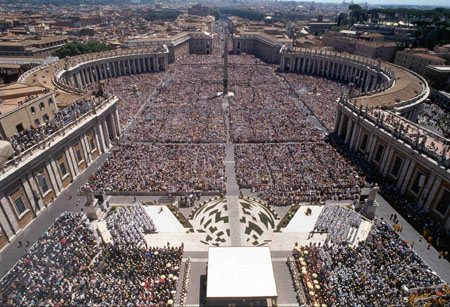
Pope Francis will canonise 802 new saints in a canonisation ceremony during the Mass on Sunday, 12 May 2013 at St. Peter’s Square.

Image

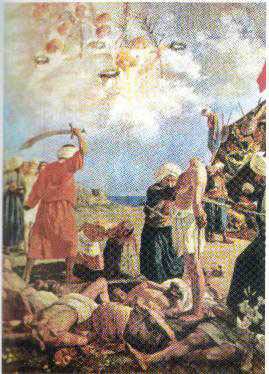
The most notable among the 802 new saints, are 800 among the saints themselves, who are the Martyrs of Otranto, who were martyred in 1480, when the rising Ottoman Empire raided Otranto, a city in Southern Italy, in one of their numerous raids against Christendom and the Lord’s faithful ones.

The 800 martyrs were the captured peoples of Otranto, who refused to abandon their faith and therefore live. They chose death and remain in the Lord instead. For this faith, they were declared martyrs and were beatified by Pope Clement XIV in 1771.

Image

Today, their relics and remains can be most obviously seen in the Chapel in Otranto are placed in glass display behind the Altar, as seen in the above picture. Led by Antonio Primaldo, the local tailor who led the townspeople in the invasion times, they were martyred by the Ottomans for defending their faith. They will henceforth be known as Saints Antonio Primaldo and Companions after their canonisation.

Image

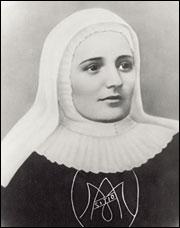
The other saint to be canonised with the Martyrs of Otranto is St. Laura Montoya, or also known as St. Laura of St. Catherine of Siena, who was a religious nun from Colombia, who worked hard to evangelise the local native populations, and tried her best to end prejudice and discrimination against the native Indian population. She will be Colombia’s first saint ever.

Image

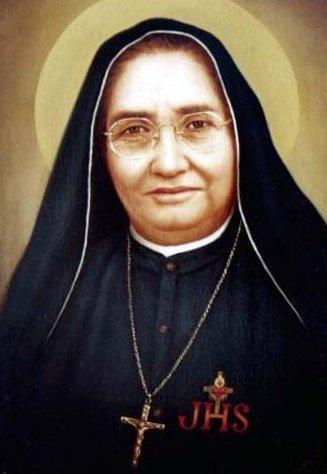
And the other saint to be also canonised with them is Mother Lupita, who was a Mexican nun that established a new religious organisation dedicated to the service of the poor and the less fortunate in Mexico, which had to often brave danger in their missions, because of the hostile situation at the time, with Mexico teeming with anti-Church sentiments. She will become the second female saint from Mexico.

The Martyr Saints of Otranto, Saint Laura, and Saint Lupita, pray for us.

Saturday, 27 April 2013 : 4th Week of Easter (First Reading)

Acts 13 : 44-52

The following Sabbath almost the entire city gathered to listen to Paul, who spoke a fairly long time about the Lord. But the presence of such a crowd made the Jews jealous. So they began to oppose with insults whatever Paul said.

Then Paul and Barnabas spoke out firmly, saying, “It was necessary that God’s word be first proclaimed to you, but since you now reject it and judge yourselves to be unworthy of eternal life, we turn to non-Jewish people. For thus we were commanded by the Lord : ‘I have set you as a light to the pagan nations, so that you may bring My salvation to the ends of the earth.’

Those who were not Jews rejoiced when they heard this and praised the message of the Lord, and all those destined for everlasting life believed in it. Thus the Word spread throughout the whole region.

Some of the Jews, however, incited God-fearing women of the upper class and the leading men of the city, as well, and stirred up an intense persecution against Paul and Barnabas. Finally they had them expelled from their region.

The apostles shook the dust from their feet in protest against this people and went to Iconium, leaving the disciples filled with joy and Holy Spirit.

Wednesday, 24 April 2013 : 4th Week of Easter, Memorial of St. Fidelis of Sigmaringen, Priest and Martyr (Scripture Reflection)

Dear brothers and sisters in Christ, we are reminded today that Christ had come into our world as our salvation, to save us from our condemnation to death by our rebellion against the love of God. He came into our world as light that shed off the darkness that is in our world, and most importantly, the darkness that is within our hearts.

He had been sent into this world that it, together with all of us who lives in it, can be saved rather than cast off together with Satan and his angels into the sea of fire and eternal damnation and separation from God. God’s love desires that all mankind be reunited into Himself, and Christ, whose birth was announced by the prophets, did exactly just that, by serving as the bridge that spans heaven and earth, and linked mankind back to God their Father, providing the only path to salvation and eternal life.

Today, we also commemorate the feast day of St. Fidelis of Sigmaringen, who was a priest, and also a martyr, and while St. Adalbert whom we commemorated yesterday preached the Good News to the pagans, St. Fidelis who lived during the height of the Protestant Reformation and rebellion had to contend against the heretical Protestants, particularly the Calvinists in the region now known as Switzerland.

St. Fidelis fearlessly waged into the Calvinist strongholds and preached the true faith of the Church, against the erroneous beliefs of the Protestants of the era. Despite the harassment and hatred of those to whom he had ministered, and under the threat of death, St. Fidelis pressed on, and was finally martyred when he rejected outright the persuasion of Calvinist soldiers who pressed him to renounce his Catholic faith, and prayed for them, for the salvation of their souls.

In St. Fidelis, and in St. Adalbert, we saw the truth that is in God, which was revealed through Christ and made manifest in this world. Truth is hard, and it is difficult to be taken in by many, who preferred the lies of Satan to the truth of God. Yet, these saints strived to open the eyes of many who had been fooled by Satan and his earthly minions set to destroy God’s people by false prophets and ideas, and even braved martyrdom in the process.

In our modern day world, we may not see such similar scenario and condition as what the two saints had witnessed in their own times, but in fact, in our present day world, the need for the light of Christ to illuminate the hearts of many had never been greater. Many had abandoned God for the relative comfort of this world’s allures and temptations. The evil one has many ways to seduce mankind into his fold, and to abandon the path of God.

We can do our own part in evangelisation, and we do not even need to brave death as what the two martyrs had done, but most importantly, we begin from our own surroundings, that we show the truth of the Lord through our words and actions, to show the light of Christ through our own beings, and through what we are doing in our lives.

May God guide us always in our lives, and make us into lights for all mankind, that in us, those who have yet to believe in Christ or those who had abandoned Him will once again see the true Light that is Christ, our Lord and Saviour. Amen.

Monday, 22 April 2013 : 4th Week of Easter (Scripture Reflection)

God, our Father, knows us, dear brothers and sisters. He knows us truly inside out. He knows everything that we do in our lives, whether it is done in the open, or done in secret. He knows our hearts and know our thoughts. Is he not our shepherd and we His sheep? He knows us and chose us, and justifies us.

It is not up to us and not our right to judge others, especially based on our perceptions and prejudices on them, which clouds our own judgment. The Lord, who is our shepherd, is also the Chief Judge who deems the ones worthy to enter the Kingdom of God, because He knows us and He knows if we are worthy for Him.

That was why He showed to Peter, and through Peter to the apostles, how He made all the people, His children worthy of Him, by showing that the ancient laws of unclean foods is no longer essential for the faithful ones in Him. Just as Christ Himself had rebuked the Pharisees, that one can only be made unclean by what comes out of that person, and not by something that the person takes into himself, therefore God made it clear that who a person is, and that person’s characteristics does not affect one’s prospect of salvation in God.

For God loves all mankind, and He sent Christ His Son, not only to the Jews, but in fact to all mankind, to save all of them, and not just the Jews, God’s first chosen people, from the slavery of sin and Satan. He did not discriminate between the Jews and the Gentiles, but as long as those whom He had chosen among the nations loves Him just as much as He had done, He would shower them with all graces and blessings, and promise them salvation that is due to them.

For it is one’s own faith and belief in the Lord, and their trust in Him that justifies someone, whom the Lord, as our shepherd, can see in all those who believe in Him, as the ‘good sheep’, as compared to the ‘bad sheep’ that is those who disobeyed the Lord’s commandments and refused to love Him just as He had done. Many of the Jews at the time of the Acts of the Apostles believed in God and converted to the faith, but there are even more who opposed the Lord and persecuted God’s faithful ones.

This being amidst growing conversion among the Gentiles, who were called to receive the Good News of the Lord, who having never heard of God and His love and teachings before, now hearing the message through the apostles, felt the true feelings of love and desire for God in their hearts and soul. Therefore, it is not right to discount them by the fact that they were not Jews, and therefore as some Jews would argue, did not belong to the ‘chosen people’ of God.

For being the chosen people of God, entails obedience and love, which God had always shown to His people, and yet Israel often rebelled and disobeyed God’s will, and preferred worldly gods and temptations instead of God’s love. God, our Good Shepherd knows His sheep, and conversely, all of us who truly have faith in Him, and therefore His sheep, knows Him, and answers only to Him. We ought not to be swayed by the call of the false shepherds, who are the agents of Satan, the evil one, who tried in vain to snatch the people of God and drag them into hell and damnation with him.

Therefore, dear brothers and sisters in Christ, let us strive to rebuke Satan and his temptations, and answer only to Christ, our one and true Good Shepherd, and put ourselves ever closer into God’s infinite love. Let us remain in God’s love, and remain His faithful children, and let ourselves be led by Him in our daily lives. Let us not judge one another by appearance or by our backgrounds, but rather look deeper into each one of us, and surely we will find that all of us has God’s love in us, that makes all of us truly beautiful, especially in the eyes of God. Amen.

Monday, 22 April 2013 : 4th Week of Easter (First Reading)

Acts 11 : 1-18

News came to the apostles and the brothers and sisters in Judea that even foreigners had received the Word of God. So, when Peter went up to Jerusalem, these Jewish believers began to argue with him, “You went to the home of uncircumcised people and ate with them!”

So Peter began to give them the facts as they had happened, “I was at prayer in the city of Joppa when, in a trance, I saw a vision. Something like a large sheet came down from the sky and drew near to me, landing on the ground by its four corners. As I stared at it, I saw four-legged creatures of the earth, wild beasts and reptiles, and birds of the sky.”

“Then I heard a voice saying to me : ‘Get up, Peter, kill and eat!’ I replied, ‘Certainly not, Lord! No common or unclean creature has ever entered my mouth.’ A second time the voice from the heavens spoke, ‘What God has made clean, you must not call unclean.’ This happened three times, and then it was all drawn up into the sky.”

“At that moment, three men, who had been sent to me from Caesarea, arrived at the house where we were staying. The Spirit instructed me to go with them without hesitation; so these six brothers came along with me and we entered into the man’s house. He told us how he had seen an angel standing in his house and telling him : ‘Send someone to Joppa and fetch Simon, also known as Peter. He will bring you a message by which you and all your household will be saved.'”

“I had begun to address them when suddenly the Holy Spirit came upon them, just as it had come upon us at the beginning. Then I remembered what the Lord had said : ‘John baptised with water, but you shall be baptised with the Holy Spirit.’ If, then, God had given them the same gift that He had given us when we believed in the Lord Jesus Christ, who was I to resist God?”

When they heard this, they set their minds at rest and praised God saying, “Then God has granted life-giving repentance to the pagan nations as well.”

Sunday, 21 April 2013 : 4th Sunday of Easter, Good Shepherd Sunday, World Day of Prayer for Vocations (50th Anniversary) (First Reading)

Acts 13 : 14, 43-52

While they went on from Perga and came to Antioch in Pisidia. On the Sabbath day they entered the synagogue and sat down. After that, when the assembly broke up, many Jews and devout God-fearing people followed them and to these they spoke, urging them to hold fast to the grace of God.

The following Sabbath almost the entire city gathered to listen to Paul, who spoke a fairly long time about the Lord. But the presence of such a crowd made the Jews jealous. So they began to oppose with insults whatever Paul said.

Then Paul and Barnabas spoke out firmly, saying, “It was necessary that God’s word be first proclaimed to you, but since you now reject it and judge yourself to be unworthy of eternal life, we turn to non-Jewish people. For thus we were commanded by the Lord : ‘I have set you as a light to the pagan nations, so that you may bring My salvation to the ends of the earth.’

Those who were not Jews rejoiced when they heard this and praised the message of the Lord, and all those destined for everlasting life believed in it. Thus the Word spread throughout the whole region.

Some of the Jews, however, incited God-fearing women of the upper class and the leading men of the city, as well, and stirred up an intense persecution against Paul and Barnabas. Finally they had them expelled from their region.

The apostles shook the dust from their feet in protest against this people and went to Iconium, leaving the disciples filled with joy and Holy Spirit.

Friday, 19 April 2013 : 3rd Week of Easter, Eighth Anniversary of the Election of Pope Benedict XVI in 2005 (Scripture Reflection)

We heard today, the story of the conversion of Saul, the hater and the destroyer of the Church, who would later become Paul, the great saint and apostle, the Apostle to the Gentiles, who brought the Good News of our Lord to the pagan nations. Such a change indeed, from the ultimate enemy of the Church and those who believed in Christ, into the greatest of the champions of the Lord.

This indeed shows the power of God’s providence, and the mysterious ways through which He made His will known to us and manifest in this world. We do not choose ourselves to be worthy of Him and therefore salvation, but He chose us out of many in this world, to be among those who had been called and chosen to be the servants of our God.

Those whom He had chosen, He gave the grace of faith and also the gift of love, in order to spread this faith and love among those who have yet heard the Good News of our Lord, and those who have yet embraced Christ as their Messiah, their Saviour. Paul was one of this, whom the Lord had chosen, from those who had persecuted the Church and the people faithful in Him, no less.

This in fact only showed the greatness of our God, the depth of His mercy and love, and the nature of His redemptive works in our world, even today. He shows us that no one is beyond His mercy, and no one who had sinned and done bad things is unworthy of His love, if only they would repent and change their hearts and minds, turning back towards He who loves us.

Paul did sinful things in the eyes of the Lord by persecuting His faithful ones, but yet, he repented, and was turned into the greatest tool of early evangelisation of the faith, in which we will often hear in this Easter season, of Saint Paul’s numerous contributions to the early Church, in his four travels across the Mediterranean world.

Jesus today, in the Gospel reading, also offered us His love and redemption, through none other than His own Precious Body and Blood, which He offered freely out of His great and infinite love for all of us, that all of us who would share in His Precious being would not die an eternal death and be lost to Him forever, but be reunited with Him and the Father, and be raised in glory on the last day, just as He Himself had been risen from the dead on the Easter day.

That is why, dear brothers and sisters, today, we are called to be the light to the nations, the light to the world, just as Paul himself had been called on that day on the way to Damascus. In our own lives, we may not experience the kind of conversion that Paul has had, but in our own ways, and in God’s own mysterious works, we would be transformed into just like Paul, if we would turn our heart truly and entirely towards the Lord.

We are called to be the bringer of the Good News to the nations, just as Paul once had been the apostle to the Gentiles and the pagan nations. First, let us anchor ourselves in Christ that our faith would be strong, and we would have that capacity to spread God’s good message of truth. Let God and the Holy Spirit transform us, by frequently and devoutly receiving the Lord in the Most Holy Eucharist in the Mass. Attend the Mass frequently, and devoutly offer our prayers and worship to the Lord in the Mass.

Do not be distracted by worldly desires and temptations, for the devil would want to derail us from our path towards God, and he desires nothing than the fall of mankind, and therefore he would do all he can to prevent us from being the apostle Paul was. Once our faith is firm, keep a good and strong prayer life, and in prayer, spread the Good News to others, both through our words, and also our actions.

For in our words, others will be able to listen to the Good News of the Lord, and therefore would believe. If they would not believe in what we say, then at least through our actions, we could show them what God’s love and Good News is truly about. Remember that the Lord said, that whoever loves Him will do His will and will do the works that He had done.

Therefore, brothers and sisters in Christ, let us today renew our commitment to evangelisation, and to conversion, both of ourselves and that of those who had yet to receive the grace of faith in God. Let us strive to spread God’s message to all, beginning in our own daily lives, and within our own families and friends.

Let us also pray for our Pope Emeritus Benedict XVI, who was elected as our Pope and leader 8 years ago on this day, on 19 April 2005. Let us pray for him that he will be able to continue serving the Church through his prayers and his dedication to our Lord. A praying Pope is indeed a powerful enemy of Satan and his angels. May God then bless us all, and bless our Holy Church, and all those who had given themselves in the service of the Lord. Amen.

Friday, 19 April 2013 : 3rd Week of Easter, Eighth Anniversary of the Election of Pope Benedict XVI in 2005 (First Reading)

Acts 9 : 1-20

Meanwhile Saul considered nothing but violence and death for the disciples of the Lord. He went to the High Priest  and asked him for letters to the synagogues of Damascus that would authorise him to arrest and bring to Jerusalem anyone he might find, man or woman, belonging to the Way.

As he travelled along and was approaching Damascus, a light from the sky suddenly flashed around him. He fell to the ground and heard a voice saying to him, “Saul, Saul! Why do you persecute Me?” And he asked, “Who are You, Lord?” The voice replied, “I am Jesus whom you persecute. Now get up and go into the city; there you will be told what you are to do.”

The men who were travelling with him stood there speechless : they had heard the sound, but could see no one. Saul got up from the ground and, opening his eyes, he could not see. They took him by the hand and brought him to Damascus. He was blind and he did not eat or drink for three days.

There was a disciple in Damascus named Ananias, to whom the Lord called in a vision, “Ananias!” He answered, “Here I am, Lord!” Then the Lord said to him, “Go at once to Straight Street and ask, at the house of Judas, for a man of Tarsus named Saul. You will find him praying, for he has just seen in a vision that a man named Ananias has come in and placed his hands upon him, to restore his sight.”

Ananias answered, “Lord, I have heard from many sources about this man and all the harm he has done to Your saints in Jerusalem, and now he is here with authority from the High Priest to arrest all who call upon Your Name.”

But the Lord said to him, “Go! This man is My chosen instrument to bring My Name to the pagan nations and their kings, and the people of Israel as well. I Myself will show him how much he will have to suffer for My Name.”

So Ananias left and went to the house. He laid his hands upon Saul and said, “Saul, my brother, the Lord Jesus, who appeared to you on your way here, has sent me to you so that you may receive your sight and be filled with Holy Spirit.” Immediately, something like scales fell from his eyes and he could see; he got up and was baptised. Then he took food and was strengthened.

For several days Saul stayed with the disciples at Damascus, and he soon began to proclaim in the synagogues that Jesus was the Son of God.