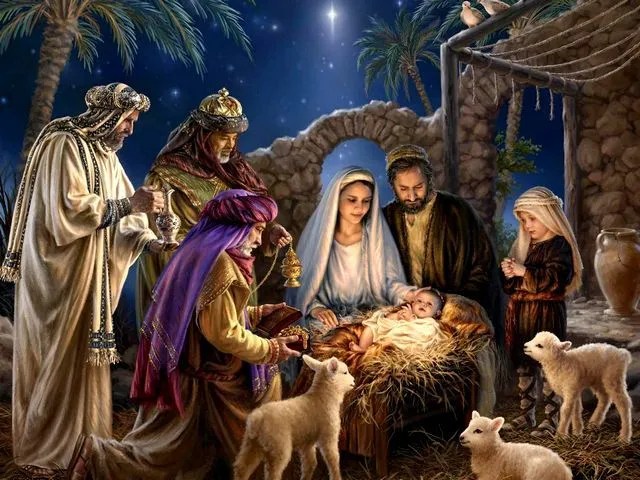
Sunday, 12 September 2021 : Twenty-Fourth Sunday of Ordinary Time (Homily and Scripture Reflections)

Liturgical Colour : Green

Dear brothers and sisters in Christ, this Sunday as we listened to the Word of God in the Sacred Scriptures we are all called by God to be dedicated to Him through real actions and good works, to follow Him wholeheartedly and to endure challenges for His sake. We have to trust the Lord and walk down the path that He has shown us, living our lives as righteous and as virtuous as possible, to be exemplary in all things and be role models and inspiration for each other in our Christian faith and life.

In our first reading today, we heard the words of the prophet Isaiah, as he spoke the words of prophecy regarding the One Whom God would send into the world as His servant and deliverer for all the people, the identity of Whom was not yet known to Isaiah. This Servant of God would suffer, be rejected and endure all sorts of punishments and humiliations, to be scourged and beaten, all so that through Him, all of us could see the truth of God’s love for each and every one of us, not just through words and proclamations only, but through real and concrete action.

It is a reference and prophecy on what the Messiah or Saviour of God would do for the sake of the people of God, for all of mankind, the promise that God would save all of His people, despite all the disobedience and sins that they had committed in a lot of the occasions past. And all these would come to be fulfilled in the person of Jesus Christ, the Son of God born into this world to be its Saviour, revealing the long promised salvation of God at long last. The Lord Jesus Himself also revealed that He was that Saviour that God had sent into the world.

And in our Gospel passage today, we heard the Lord Himself revealing to the people and His disciples on what He was going to do, to bring about the salvation of all mankind, as He spoke in response to St. Peter’s courageous proclamation that He is the Messiah of God, amidst people wondering Who He really truly was. Some believed that He was one of the prophets, or even confused Him with St. John the Baptist. But the Twelve and the Lord’s closest disciples, led by St. Peter truly believed that Jesus was the One promised by God, the Messiah or Saviour Who would lead all of God’s people to freedom.

However, what all of them did not know was the manner in which the Lord would save His people, even though the prophecy of Isaiah has explicitly stated what would happen to the Messiah, Who would suffer and endure bitter punishment and sufferings, all so that the people of God may receive through Him the consolation and redemption that God has promised and endeavoured to bring into our midst. He did not just offer them mere empty words and unfulfilled promises.

Instead, He gave us His all, as He sent us no less than His own Son, the Divine Word and Son of God incarnate, taking up our existence and nature in the flesh, becoming the Son of Man, and born of the Blessed Virgin Mary, His mother, making Himself the tangible expression of God’s true and enduring love for each and every one of us. Through Christ, God has reached out to us and called us out of the darkness and into the light, showing us the path that He revealed before us, that by following Him we may find our way to eternal life and salvation.

But the people, including the disciples would find it hard to believe what the Lord and Saviour of this world would have to go through in order to save all of us, as we heard in our Gospel passage today, how St. Peter reacted strongly and protested against the Lord when He said that He would be rejected, especially by the chief priests, condemned and put to death, a most painful and humiliating death before rising up on the third day in the glorious Resurrection.

At that time, St. Peter echoed the opinion that everyone else also shared, on how they expected the Messiah to be the Saviour who would lead them to freedom from their enemies and from tyranny, which could at that time be equated to the freedom from the Roman yoke. Many of them expected Him to be their King and to lead them into glorious victory and triumph against their enemies. Thus, when the Lord revealed such a terrible and sad fate that would happen to Him, some could not avoid hearing in disbelief at what He had just told them, including that of St. Peter.

The Lord rebuked Satan who used St. Peter to try to sow doubt in His commitment to see the mission of the Lord and the salvation to completion. Satan himself also did not fully know what the Lord would do for the salvation of mankind, as the truth would remain elusive to him until the day of Our Lord death on the Cross, when everything He said came to be true, and Satan was defeated. Yet, back then when St. Peter tried to dissuade and protest against the Lord, Satan was hoping to prevent whatever it was that the Lord Jesus was trying to do.

But the Lord was resolute and firmly rebuked Satan who tried to lead Him astray, and reiterated all the things that He would do for the sake of His beloved ones. He showed through concrete deeds and action that He loved each and every one of us without exception, even to the point of laying down His life for us, just as He Himself said that there is no love greater than for someone to willingly lie down His life for a friend, and there Jesus showed us all the ultimate love of God, by His ultimate and most selfless sacrifice on the Cross.

Brothers and sisters in Christ, that corresponds to what St. James also mentioned in our second reading today, that our faith must be in tandem with good works and actions, and we cannot truly be genuinely faithful unless we can show this faith through real action based upon the faith we have in God. It means that we should not just pay lip service or empty gestures for our faith in the Lord, or treat it as a mere formality.

In our world today, we often see many among us Christians who do not act in the way that we believe, as we often behave in ways that are contrary to our beliefs, and we did things, or said things that were against the Law and commandments of God. And many of us are also often idle and complacent, in not doing what the Lord had told us to do, or in not listening to the teachings and exhortations of the Church, of our bishops and priests.

Many of us profess to be faithful to God and loving Him, and yet, we spent a lot more time in seeking worldly pursuits and desires, and spent little time for Him, besides the usual prayers and attending the Holy Mass, which even many of us felt dreaded to do, or even considering as a waste of time. Many of us treat the Holy Mass and our faith life as no more than just a mere formality or even as a side afterthought, which is the sad reality of what is happening to many of our Christian communities all over the world.

There are even more people out there who no longer attend the Holy Mass or receive any of the Sacraments, among many other things. These are things that prevented us from becoming true Christians, as the true and genuine disciples of Christ. As St. James mentioned in his Epistle, faith without genuine good works and actions are dead, and meaningless for us. This means that we should truly commit ourselves to the Lord and follow Him and His examples in love, in giving of ourselves to God just as He has given Himself to us with utmost love.

As mentioned just earlier on, the Lord has showered us with such great love and compassion, that He has not even held back giving us everything, even in laying down His life for us. By His scourges and wounds, we have been healed, and by His sacrifice and death on the Cross, on the Altar of Calvary, He, our Paschal Lamb, shedding His Most Precious Blood and laying down His Most Precious Body, has given us all the promise of eternal life and redemption from all of our sins.

If God has shown us such a great love, not just by words and promises only, but through real and concrete action, even in going through the worst of sufferings and death for our sake, then why can’t we do the same as well, brothers and sisters in Christ? In fact, we should be most ashamed by our attitudes towards the Lord, His love and compassion towards us, and at how we treat our fellow Christian brothers and sisters, our faith in God and our participation at the Holy Mass among other things. Many of us have failed miserably in living up to our faith, and yet, God still patiently reached out to us and hoped for us to find our way to Him.

Therefore, brothers and sisters in Christ, having received from the Lord such generous and constant love, compassion and mercy, are we able and willing to show the same love and commitment to Him as we should have done? Are we able to live up our Christian faith through genuine actions and dedicate ourselves in each and every moments of our lives that we may be truly and genuinely faithful, in our every actions and deeds, in our every words and in all things, that all those who see us, interact with us and journey with us may know the Lord through us and learn more of the truth of God and His love through our own love? Let us all bring hope and light wherever we may be, and be the beacons of God’s truth and light to all men.

May the Lord give us the strength and the courage to be always faithful in all occasions and that we may always strive to do our best, in order to follow Him wholeheartedly, and to love Him just as much as He has loved us and cared for us. Let us all be genuine Christians, loving God and loving our fellow brothers and sisters, and giving hope and strength to all those who are suffering and sorrowful, that our actions may bring life and strength to them. May God bless us all in our every endeavours and good works, and guide us through the journey of our lives in faith. Amen.

Sunday, 5 September 2021 : Twenty-Third Sunday of Ordinary Time (Homily and Scripture Reflections)

Liturgical Colour : Green

Dear brothers and sisters in Christ, on this Sunday as we listened to the words of the Lord speaking to us through the readings of the Sacred Scriptures, we are all reminded of the all encompassing love of God, as He reassured all those who have placed their trust in Him that He would not abandon them and that He would love them all equally without bias or prejudice, and all are equally precious before Him, as He extends to us His love, His grace and blessings.

In our first reading today, taken from the Book of the prophet Isaiah, we heard from the prophecy of Isaiah the Lord’s promises to His people that He would one day come and liberate them, opening the eyes of their blind, unbinding and opening the ears of the deaf and the tongues of the mute, making the paralysed and the disabled to walk and move again, and other miraculous deeds and works that the Lord would do amongst His people.

At the time of the prophet Isaiah, the people of Israel had been going through tough times, a time of many challenges and trials, as the once united and great kingdom of Israel under King David and King Solomon were already long passed and gone. The divided northern kingdom of Israel and the southern kingdom of Judah had become diminished and were subjected to humiliations from their neighbours and other powers. And just around the time of Isaiah and his ministry as God’s prophet, the northern kingdom of Israel was conquered and destroyed by the Assyrians, who brought off most of the inhabitants of the land to exile in far-off Mesopotamia.

At the same time, the people of the southern kingdom of Judah where Isaiah performed his ministry did not fare much better, as they too came under attack from king Sennacherib of Assyria, who brought up a vast army against Judah and Jerusalem, and almost conquered it if not for the timely intervention from God. The people of God had been brought low and suffered, and all these were because of their own disobedience and refusal to believe in God or follow His path, despite the numerous reminders from the many prophets sent to them.

In our Gospel passage today, from the Gospel of St. Mark, we then heard of the account of the miraculous healing that the Lord had done on a deaf and mute man, as He had pity on the man, and by His power, loosened the man’s tongue and opened his ears, allowing him to hear and speak properly once again. He has liberated the man from his troubles and showed God’s enduring love and compassion for each and every one of us. He fulfilled the promises that He Himself had made through His prophet Isaiah, the promises that we have just discussed earlier on.

And this is also a show that God loves everyone without exception, that even those who are often marginalised and prejudiced against, the weak and those afflicted with physical and spiritual ailments, God has reached out to them and healed them, freeing them from their troubles. This particular case mentioned in our Gospel today is significant because the word that the Lord spoke, ‘Ephphata’ meaning ‘Be opened!’ at the time when He loosened the tongue and opened the ears of the man, is also for a long time used in the rites of baptism of the Church, and is still used today in the baptism using the Extraordinary Form of the Roman Rite.

Through this symbolic act, the priests placed their hands on the ears and the mouth of the person or infant to be baptised, signifying that they performed the rites of the Sacrament of Baptism in persona Christi, or in the person of Christ, opening the ears and the mouth of the one to be baptised that just as the man was healed as mentioned in our Gospel passage, then the person that was to be baptised would also be healed from his or her spiritual bondage to sin and death.

And the opening of the ears and the mouth are also significant because they represent symbolically our willingness by accepting baptism, to open our ears to listen to the truth and the Word of God, and to speak only the words of God’s truth, and not to proclaim things that are contrary to our faith. The Lord had freed us from our bondage and enslavement to sin and evil, and He has healed us from the most terrible disease of all, that is sin and death.

Yes, brothers and sisters in Christ, although we may be physically well and even in best of health, all of us are in fact suffering from the affliction of sin, which corrupts us from within and making us defiled and unworthy of God. God alone can save and heal us from this affliction, and He has shown His willingness to free us and to be reconciled fully with us. All of us, whether we are great or small, rich or poor, influential, famous or unknown, all of us are equally sinners before God, and God loves all of us equally, which is what the Lord wanted to show us through the Word of God we have heard today.

And, in our second reading today, from the Epistle of St. James the Apostle, we heard the same message as the Apostle reminded the faithful that the Lord does not discriminate between persons, and he went on to give examples of how the faithful could unknowingly act in ways that promote prejudice and discrimination by treating their fellow brothers and sisters in different ways. It is inevitable that we will have differences in how we interact with different groups of people, and we will certainly be more willing to treat well those whom we love and care about, while ignoring or even treating badly those whom we dislike.

However, the Lord called on all of us to overcome this tendency, and reminded us that if He loves each and every one of us equally, then we as His people should also do the same, and love one another in the same manner. We have to do our best and strive to show care and compassion, forgiveness and the willingness to embrace even those who have persecuted and hurt us, as the Lord Jesus Himself taught us to forgive those who have hated us and pray for those who have persecuted us. He asked us to forgive one another’s sins, just as the Lord, His heavenly Father has forgiven us our sins, one of the key elements of the Lord’s Prayer, the Pater Noster we all know so well.

Brothers and sisters in Christ, in our world today where inequality, prejudice, racial and religious tensions, divisions among people and all the other divisions and disagreements that exist between our communities and peoples, we are all called as Christians to be revolutionary and different. In a world where we are all encouraged to love ourselves and hate those whom we dislike, we are called to love without boundaries and without prejudice, to reach out even to those who hate us and dislike us, to forgive them and to pray for them.

And in a world that is obsessed with appearances, with prestige, power and glory, we are all called to get rid from ourselves these temptations of the flesh, to be filled with God’s love instead, and to be able to listen to His truth and to proclaim His words rather than to listen to the temptations of the devil, the allures of worldly desires and rather than to advance our own goals and ambitions in life. Again, as Christians, we are all called to be loving just as the Lord has been so loving towards us.

Is this easily done for us? Certainly not, brothers and sisters in Christ, and it is truly often much easier said than done. We may think that it is easy for us to love one another, but those of us who have been hurt by others may find it very hard to forgive, and to let go of our anger and insecurities, of our desire for retribution and vengeance. And those of us who have not truly known love will find it difficult to love others, as the many trials and challenges many of us face in this world show us that to be Christians, is by no means a simple and easy feat.

That is why today, on this Sunday, brothers and sisters in Christ, the Lord called us all and reminded all of us of what being true Christians is all about. It is to love God with all of our hearts and with all of our strength, and then to love ourselves and one another, just as much as we value and love ourselves. This is the true commandment of God, in the Lord Jesus’ own words, that we have to ‘love one another just as I have loved you’, a reminder that even though the challenges may be great, but we have to persevere nonetheless.

And none of us should endure it alone. Instead, we should help and support one another, by doing our best even in the smallest things and showing love for each other, to those dear to us, and even to strangers and those who hate and dislike us, and whom we dislike as well. Let us all slowly allow the Lord to teach us how to love genuinely and truly, in each and every moments of our lives. From now on, let all of our words, actions and deeds be ones that glorify the Lord, that through us, the Lord, His truth and love may come to be known by more and more people.

May God bless each and every one of us, all equally precious and beloved by God, that we may be always strong in dedicating ourselves to serve Him and to follow Him for all of our days, now and always, forevermore. Amen.

Sunday, 29 August 2021 : Twenty-Second Sunday of Ordinary Time (Homily and Scripture Reflections)

Liturgical Colour : Green

Dear brothers and sisters in Christ, this Sunday all of us are called to follow the Lord and obey His will and commandments wholeheartedly, and by this it means that each and every one of us should understand and appreciate the true nature, importance and purpose of the Law and the commandments that we may truly follow the Lord in the right manner, and not fall into the wrong paths as how many among the Pharisees and the teachers of the Law had done.

The Law of God had been revealed to His chosen people through Moses, and He made clear what they all needed to do in order to follow Him, by giving them sets of rules and regulations, the Law and the Commandments, centred on the Ten Commandments which highlighted the core tenets of the Law. Those laws and rules were all in fact meant to help the people to remember that they all ought to be faithful to God and to love Him, and to abandon all sorts of evil and wicked ways and practices, that they would not fall into sin and therefore destruction.

Yet, despite everything that the Lord had done for them, the people refused to listen to Him and disobeyed Him, repeatedly again and again falling into sinful ways, into the worship of pagan and false idols, and thus, the Lord imposed those laws and regulations meant to help them to remain true to the path He has shown them, and to stay away from the temptations that could lead them down the path towards damnation. It was never intended to make their lives difficult or to make it a burden for them to follow the Lord.

As mentioned in the Book of Deuteronomy in our first reading today, God has told His people through Moses, that they should not add any more or remove anything from the Law and the commandments that He had given them. That they should live in the manner that God has shown them, and called them to do. And this is truly what the Lord wanted from His people, to be righteous, good and virtuous, to be worthy of Him in their actions and deeds. He did not want them to suffer or to be burdened by those laws.

Yet, it was man themselves who misinterpreted and misunderstood His Law, and thinking of them as mere formality and regulations, that were dreaded and which the people found bothersome and unwilling to keep or follow. They also followed the temptations and worldly desires and were unable to keep up with the Law, fell into disobedience and refused to believe in God, fell into sin and suffered for their lack of faith in Him. They refused to listen to the prophets and messengers that God sent into their midst to guide then and help them.

Then on the other extreme, by the time of the Lord Jesus and His ministry, many among the Pharisees and the teachers of the Law who imposed a very strict interpretation of the Law, which arose because of long period lasting centuries in which the people interpreted the Law in ever increasing rigidity as they experienced great suffering and the tragedy of the destruction of their nation and the first Temple, when Jerusalem itself was destroyed by the Babylonians, and many of the Israelites were uprooted into exile by the Assyrians and the Babylonians both.

As such, there were those over the centuries who sought to impose the Law strictly on the people, to keep them in toe and to prevent them from suffering the same fate. However, over the centuries, as things developed, some took it to the extreme, as the number of rules and regulations grew beyond what was originally prescribed in the Torah, or the Books of the Law corresponding to the first five books in the Bible, Genesis, Exodus, Leviticus, Numbers and Deuteronomy. And those people entrusted with the spiritual leadership of the people and those deemed as experts of the Law ended up making these as a means to gain popularity and influence, and to be praised by the others who saw them.

But what the Lord often rebuked those Pharisees and teachers of the Law was the fact that despite having outwardly observed the Law, all the many rules and customs, but they did not truly love God in their hearts, and instead, they loved themselves and their interpretation of the Law more, as they lost the focus and the true intention of the Law, imposing the rules and regulations that ended up being too inwardly looking and bereft of true spiritual benefits, that they focused more and more on the letter of the Law than its Spirit.

For example, on the matter of the washing of hands before meal as mentioned by the Pharisees and the teachers of the Law in today’s Gospel passage, the rules stated that the people ought to wash their hands in a particular manner, right up to their elbow and over a few times, and as well as other things to be washed and purified before doing certain things and activities. It was their preoccupation and excessive attention to the details and excessive attachment to the rites and rituals which distracted them from the true intention of the Law and the love of God which the Law was meant for.

And as St. James then mentioned in his Epistle, in our second reading today, we are all called to follow the Lord faithfully in our every actions and deeds, in doing the Law and putting to use the gifts that God has given us, in the Word that He has sown within our hearts and minds. We should not be mere bystanders or idle followers of God, or to be those who profess to be faithful to God and yet in our actions we have no God reflected in them, like how many of the Pharisees and the teachers of the Law practiced their rigorous version of the Law and yet forgetting the true intention and purpose of what they have practiced and done.

Brothers and sisters in Christ, today as we listened to these readings from the Scripture, all of us are reminded that as Christians we have to be truly faithful to the Lord, in all things and from all of our entire being. We have to show our love to the Lord in all things, in our love for God in every words, actions and deeds, that all that we say and do, are truly for God and in accordance with God’s will. This is what we are called to do, and what we should be doing as we obey the Lord and do what we can to follow Him. And if we truly love the Lord, then as the Lord Jesus had said, we have to love one another in the same manner as well.

That is yet another reason why the Lord rebuked the Pharisees and the teachers of the Law, that while they professed to love God, yet, they were lacking in love and empathy for their fellow brothers and sisters, often looking down on those who were deemed as sinners and unworthy, like the prostitutes, adulterers, tax collectors, people with diseases and demonic possessions, among others. The Lord was telling all of the people, including those same Pharisees and teachers of the Law, who were also often listening to Him, reminding them of the truth of the Law of God, the true intention and purpose of what the Lord has given to all of them.

That is why, He came not to abolish the Law and commandments, but rather to make it perfect for all of us. He wants us to rediscover our love for Him, and to practice it in our lives, to believe in Him wholeheartedly and not just being outwardly pious, and profess to be a loving Christian, yet we do not show love to our brothers and sisters, or are being prejudiced and angry at them. Indeed, we are not perfect people, and we make mistakes from time to time, and we do fall into being angry, jealous, prejudiced and biased against others, but what is important is that we must not allow those things to continue to shape our lives and actions.

If we truly love the Lord, brothers and sisters in Christ, then our love for Him must be genuine in all things, and not just being outwardly devoted. Some of us think that by saying long prayers and devotions, we are good Christians, but we ignore our brothers and sisters around us, or worse still, we gossip about one another, talking bad about others whom we encounter at work, at school, or even in our own homes, among our relatives and friends. Is this what is meant for us to be Christians? Certainly not. God called us to be His true disciples, not just in obeying the Letter of the Law, but also in the Spirit.

That is why, all of us should spend some time today and onwards to reflect on our lives and our attitudes. Are we really good Christians in all things, in loving God and in loving one another? Or have we loved ourselves more and been selfish all these while, in desiring recognition and praise, or in wanting God to do something for us and to give us what we want? We have to discern all these carefully, so that from now on, we may follow the Lord with the right intention, with the right love in our hearts, not love that is inwards and selfish, but rather pouring outwards from ourselves to God and to our brothers and sisters.

Just like our Lord, Who loved us all infinitely, and Who has given to us His life in exchange for our salvation, by dying on the Cross for us, we have to be life-giving in our every actions and deeds, in our words and interactions with one another. We have to remove from us the poison of ego and pride, of greed and desires for power and glory, all the things that prevent us from truly being faithful to God genuinely, and from loving Him and our fellow brothers and sisters as His Law has taught us.

Let us all obey God’s Law and commandments, brothers and sisters, following what the Church, inspired by the Holy Spirit and following the traditions of the faith from the time of God’s Apostles, have given and shown us, in ways how we can lead a most wholesome Christian life, that we may draw ever closer to God and be ever more loving in our every actions, not just to ourselves, but even more importantly to God and to all those who need our love and care, our attention and kindness.

May the Lord move all of us in our hearts that we may walk with Him, in the path of love, of genuine Christian love, in full and true obedience to His Law and commandments. May all of us be ever more courageous in our faith, and seek the Lord for strength whenever we need Him, and provide that same support and strength to one another, when we are struggling and in need of assistance. May God bless us all in our every good endeavours and works, and bring us ever closer to His grace and presence. Amen.

Sunday, 22 August 2021 : Twenty-First Sunday of Ordinary Time (Homily and Scripture Reflections)

Liturgical Colour : Green

Dear brothers and sisters in Christ, this Sunday as we listened to the words of the Scripture, we are all reminded of our faith in the Lord, and of the obligations that each and every one of us have as Christians, and that is to hold firmly to the Law and commandments that the Lord has given to us all, revealed to us through Christ, His Son, Our Lord and Saviour, and passed down to us through the Church, through His Apostles and disciples, and their successors.

In our first reading today, we heard of the story from the Book of Joshua, in which Joshua, the leader of all the Israelites, as the one who led the Israelites into the promised land, gathered all the whole assembly of the Israelites and reminded them to remain faithful to God and not to be easily swayed by the other gods and idols, and thus, he told them to make a stand right there and then, who they would follow and serve, whether the Lord or whether they preferred to follow the pagan gods and false idols instead.

We heard then how the people chose to follow the Lord and promised to follow Him and His path, and so would their descendants. Joshua then charged all the people to keep in mind the Lord’s Law and commandments, all that He had revealed and given to them, and pass them on to their descendants. They were charged with passing down all the stories and the faithful witnesses of the Lord’s great wonders and deeds, as He led them all out of the land of Egypt, took care of them throughout their Exodus in the desert, and finally led them to the promised land they were dwelling in.

Yet it was not easy for them to remain faithful to the Lord, or from time to time, again and again, they lapsed and fell into the wrong paths, as they abandoned the Lord and embraced the worship of pagan and false idols, and God sent to them His servants, the Judges and later on the prophets, to keep them in check, to guide them and to redirect their attention towards the Lord, and to remind them that as the people of God, they had an obligation to follow the Law of God and His commandments.

It is then we come to hear the account from the Gospel passage today, in which we heard the aftermath of the Lord’s miraculous feeding of the multitudes of thousands of people, and His discourse on the Bread of Life. At that occasion, the Lord told the people frankly and without hiding the truth, that He would gave them all His Body and His Blood for them all to partake, as real food and drink that they may eat and drink from. And this made the people to wonder and question Him and His truth, as they found it difficult to accept this truth, that the Lord as the Bread of Life is giving them His own Precious Body and Blood.

Many of the Lord’s disciples and the people who followed Him left Him at that time, and those who were left behind were few, including the Twelve who remained faithful, and who still trusted the Lord and His truth. Yet even they found the truth difficult to understand and endure, as represented by St. Peter, they told Him that such a harsh truth would be difficult for anyone to bear and stomach, and even they found it difficult to believe themselves, as some of them undoubtedly were still hesitating and still had doubts in them.

It was then that the Lord doubled down even more, by telling them that what He has revealed to them was just part of the greater revelation, that if they found it difficult to accept what He has just revealed to them, then it would be even tougher for them to accept and appreciate the things that they would come to witness, such as His Passion and death, and His Resurrection and Ascension into heaven, which He did allude to in that occasion. And through this, we can see that to be Christians is not one simple matter or easy feat.

Often times we may have to go against the popular opinion or even logic in our faith, and we have to face persecutions, trials and troubles for our faith and trust in the Lord, and for standing up to His truth and love. Yet, we have to persevere and prevail, for the Lord’s truth has been revealed to us, the fullness of His love, care and compassion towards us as He has shown us through Christ, His Son. By His loving sacrifice on the Cross, He, our Eternal and True High Priest offered Himself, as the worthy Paschal Lamb of God, a sacrifice and offering of His own Most Precious Body and Blood, that we all who partake in His Body and Blood receive the assurance of eternal life through Him.

All of us as Christians have received this truth, and the revelation of God’s love. Therefore, as faithful servants and followers of the Lord, we should do our very best to commit ourselves to live righteously and strive to walk in His path, doing whatever we can, in our own capacities, and within our own communities and in the opportunities given to us, so that we may indeed be worthy of being called God’s chosen people, the members of His Church, with Christ as our Head, and we as the parts of this united Body of Christ, all sharing in the same Bread of Life.

Each and every one of us should embrace the Lord’s call for us to be more active in our faith life, and we should discern carefully what each and every one of us can do in order to be part of the Church’s efforts and good works in reaching out to more and more of our fellow brothers and sisters, especially those who have not yet known the Lord, and those who may have had a wrong idea or impression Him and our Christian faith. It is up to us to be genuine witnesses of our faith and be inspiration to one another as Christians.

Let us all therefore today commit ourselves anew to the Lord, making commitment and dedication that lasts a lot longer and far more than the promises made by the Israelites of old before God and Joshua. Let us all follow in the path of the Apostles and the many other faithful disciples of the Lord, following the inspiring examples of the saints, and striving to lead a worthy and holy life, that we can become a source of inspiration ourselves to help inspire one another, especially those who lack the faith and are filled with doubt.

May the Lord, our most loving God and Father be with us always, and may He help us to remain strong in our faith, and may He encourage and strengthen us as we continue to walk through our life’s journey with true and sincere devotion to Him, now and always. Amen.

Sunday, 15 August 2021 : Solemnity of the Assumption of the Blessed Virgin Mary (Homily and Scripture Reflections)

Liturgical Colour : White

Dear brothers and sisters in Christ, this Sunday is truly a special occasion for all of us, as not only that we celebrate the Sunday of the Lord, but by coincidence on this fifteenth day of August, as is every year, we also celebrate the great Solemnity of the Assumption of the Blessed Virgin Mary, which marks the moment when Mary, the Holy Mother of God was ‘assumed’ into the glory of Heaven, body and soul, and therefore, in some way, did not suffer fully the embrace of death, by the unique singular grace of God, her Son, Our Lord and Saviour.

This Dogma of the Assumption of the Blessed Virgin Mary is one of the four important Dogmas or core tenets of the faith with regards to Mary, together with the Dogma of the Theotokos or the Divine Motherhood of Mary, the Dogma of the Perpetual Virginity of Mary and finally the Dogma of the Immaculate Conception of the Blessed Virgin Mary. The Dogma of the Assumption of the Blessed Virgin Mary is an affirmation of the long-held belief of the Church since the earliest times, declared official by Pope Pius XII in the year of Our Lord 1950, in his. ‘Ex Cathedra’ proclamation and the Papal Bull Munificentissimus Deus.

First of all, the Assumption is not equivalent to the Ascension of the Lord, as how some had misunderstood, thinking that we believe in Mary’s ‘Ascension’ into heaven. The Ascension of the Lord refers to how the Lord Jesus ascended by His own power and might, to sit on His Throne in Heaven, returning from where He had come from, and to prepare the place for us all, the faithful people of God. Meanwhile, the Assumption refers to the moment when Mary, by the grace and the power of God, was taken up into Heaven, not on her own accord.

There lies the difference between Our Lord’s Ascension and His mother’s Assumption, a difference that seems to be minute and yet, very important, lest we misunderstand them and like for some, causing them to have the wrong impression and idea about the true Christian faith, especially among some of our separated brethren, who held wrong ideas and false perception of what the Assumption of the Blessed Virgin Mary.

In the same manner, all of us also must know what the Assumption is all about and how significant it is to our faith. Many among us Christians are still having misconceptions about our own faith, having misunderstandings and doing the wrong practices, and showing the wrong identity of the faith, with regards to our devotion to Mary and the other saints. That is why we have to understand clearly what the Assumption is all about, that we may indeed become genuine witnesses of our faith to many others.

Mary has been chosen by God to be the special Vessel and to be the New Ark, of the New Covenant between God and all of us. As such, she has been given the special grace of being conceived without the taint of original sin, which we celebrate as the Dogma of the Immaculate Conception, as the pure and immaculate Vessel, conceived and then born without sin or any subjugation to it, free from its influences unlike that of any other human beings, save that of her own Son, Jesus Christ, Our Lord and Saviour.

Therefore, having been so prepared to be the New Ark of the New Covenant, far better than the old Ark, which was sacrosanct and holy, therefore, Mary, who bore in her womb, the Lord and Saviour Himself, ought not to have been subjected to the punishment and suffering of death. Why is that so? That is because death is the punishment and consequence of sin, and if Mary had not been tainted or corrupted by sin, then death has no hold over her at all.

Yet, with regards to the Assumption of the Blessed Virgin, also known in the Eastern Church traditions as the Dormition of the Theotokos, there are two main schools of thoughts regarding what actually happened at the moment of the Assumption. One stated that since Mary as the one who had been free from the taint of sin and as the Mother of the Saviour of all, then she must have completely been free from death, and therefore, was raised up into heavenly glory, in body and soul, that she entered Heaven and is no longer in the world.

Then, another school of thought stated that Mary did go through death, just like any others, because she shared in her Son’s Passion and death, and she died just as her Son also died, but not because of a punishment for her own sins. Therefore, that death was merely symbolic and in the end, whether she died or went into the sleep of death as per the Eastern tradition of the Dormition of the Theotokos, Mary went body and soul up into Heaven. Hence, regardless whether she actually died, went through death or any experience of death, Mary is now in Heaven, and that is what truly matters.

Then, brothers and sisters in Christ, how is this crucial for us? How is it important for us to appreciate this celebration of the Assumption of Mary, the Blessed ever-Virgin Mother of God? Mary’s Assumption into Heaven first of all is an assurance for us that we have someone who is always ever constantly praying for us, and who intercedes for us directly beside the Throne of her Son. For Mary is indeed the greatest of all the saints, and the one closest to Our Lord Himself, as is she not His mother? Just like the occasion of the miracle of the wedding at Cana, even the Lord would still listen to the words of His loving mother.

And that is not all, brothers and sisters in Christ, for in the Assumption of Mary, we also see the promise of new life and existence that we ourselves are going to experience in the time to come, as we will also be raised to Heaven, body and soul, at the end of time, when the final judgment comes, and our souls shall be reunited fully with our bodies, glorified, purified and blessed, that we may enjoy forever, with Mary, and with all the saints, the glory and true joy of Heaven with God forevermore.

Through the Assumption of the Holy Mother of God, all of us are called to examine our own lives, and how we have lived them thus far. Have we been truly faithful to God in all things? Or have we instead allowed the temptations and the allures of worldly pleasures to distract us and mislead us down the wrong path? These are just some of things and questions that we should consider carefully, as we celebrate this great Solemnity of the Assumption of the Blessed Virgin Mary, being reminded that if we sin, and do not repent from those sins, then death is the consequence, and there can be nothing worse than to be judged to eternal death and suffering.

Let us all therefore aspire to reject the path of sinfulness and evil, rejecting wickedness and disobedient attitudes in life. Instead, let us all look upon Mary, our loving mother and inspiration, that we may be more like her in faith, dedication and love for God, and be righteous in all of our dealings and actions. We are all called to be role models ourselves, and to be faithful and good witnesses of our Christian beliefs and faith in the midst of our respective communities.

Are we willing and able to do that, brothers and sisters in Christ? It is something that each and every one of us are certainly capable of doing, but more often than not we did not do so because we spent more time on worldly pursuits and in satisfying our personal desires, that we could not even spare a thought or effort to commit ourselves sincerely and with conviction. Hence, this Sunday, as we celebrate this great occasion of the Solemnity of the Assumption of the Blessed Virgin Mary, let us all remind ourselves to be ever more committed to the Lord, and to do our very best to follow the Lord and to serve Him, and to live faithfully in accordance to His will from now on.

May the Lord bless us all and remain with us throughout this journey of life, and may His blessed mother, Mary, who has been assumed, body and soul, into the glory of Heaven, continue to intercede for us sinners, and be our constant source of strength and inspiration in how we live our lives as Christians from now on. Holy Mary, Mother of God, assumed into Heaven, pray for us sinners now, and at the hour of our death. Amen.

Sunday, 8 August 2021 : Nineteenth Sunday of Ordinary Time (Homily and Scripture Reflections)

Liturgical Colour : Green

Dear brothers and sisters in Christ, this Sunday all of us are all called to give thanks to God and to put our full trust in Him, as He has provided for everything that we needed, and gave us the strength and the support even when we might not have realised it and even when we have disobeyed Him and sinned against Him. He still cared for us and showed us all His love, and He still reached out to us, and for that we ought to give Him thanks.

In our first reading today, we heard how the prophet Elijah fled to the desert as he escaped the bitter wrath of Queen Jezebel of Israel, who together with king Ahab of Israel persecuted the prophets and the faithful people of God, promoting pagan and idol worship among the people. The prophet Elijah was a particularly courageous and dedicated opponent of the Queen and her efforts to corrupt the people of God in the northern kingdom of Israel.

At that time, Elijah had just recently won a great contest of the faith against the four hundred and fifty priests of Baal at Mount Carmel. The priests of Baal contended with Elijah to prove who was the true Lord and God, and they failed, as they could not prove that Baal is the true God, and no one responded to their prayers and calls. On the other hand, Elijah, although alone, as the only prophet of God left alive, prayed to the Lord and almost immediately a great fire came down from Heaven, burning the offerings many times over.

But although Elijah managed to prove before all the assembled who was indeed the true God, but he earned the ire and the hatred of Jezebel, who with the support of Ahab likely sought to kill him, and hence, Elijah fled to the desert with nothing left on him. As the prophet of God, Elijah had followed the Lord wholeheartedly, and left everything for His sake, going to wherever the Lord would lead him to. And thus, we heard today in our first reading today, the painful words of the prophet Elijah when he wanted to give up from all the struggles, all the sufferings, preferring to die than to suffer any further.

And that was exactly when God reaffirmed His support to Elijah, as He sent His Angels to provide for the prophet, bringing him food and water to sustain him, that he would not perish and survive, for God was always with him and would never abandon him especially in his moments of greatest challenges and trials. God proved His faithfulness and took care of Elijah, before calling him to embark a long journey to the mountain where Elijah would come to see Him in person, where God would reveal to Elijah His intentions and truths.

Then, in our Gospel passage today we heard the continuation of the discourse of the Bread of Life, where the Lord, after feeding the people miraculously with bread and fishes, revealed Himself that He would feed them and provide for them the true Bread of Heaven, that is His own Most Precious Body and Blood, His own flesh and His blood, as the Living Bread that came down from Heaven, to be partaken by all the people of God who believe in Him. The Lord revealed Himself as the Bread of Life through which all will come to have new life through Him, while many among them took this revelation with surprise and doubt.

Again in this story, we have heard how the Lord provided for His people in need, as God saw how those multitudes of people, five thousand men and many thousands more of women and children were all hungry and without food, as they had been following the Lord for days, likely to the wilderness where the Lord often worked in, and listened to His teachings. He miraculously turned a mere five loaves of bread and two fishes into a great feast that was shared by everyone and with twelve baskets’ worth of leftovers gathered in the end.

God’s love was manifest at that time, and there is no greater love than His gift for us in Christ, which far surpassed even the food by which He provided the Israelites during their forty years of Exodus, the sustenance He provided to the prophet Elijah, and the food He gave to feed all the five thousand men and thousands of other women and children. In Christ, His most Beloved Son, He gave us all the gift of life and the gift of hope, that through Him, we may receive hope and light to dispel the darkness of despair and by overcoming the tyranny of sin and death, leading us into the assurance of eternal life.

As St. Paul mentioned in his Epistle to the Ephesians in our second reading this Sunday, the Lord has shown us His love through Christ, and all of us are called to abandon our path of violence and hatred, of jealousy and anger, and distance ourselves from all evils, as we are also called to imitate His examples of love, in the selfless giving and offering of Himself, as He laid down His life and bore the Cross of our sins, that through His sufferings and many wounds, He would liberate and redeem us from our sins, and lead us into life eternal.

As our Eternal High Priest, the bridge between God and Man, Our Lord Jesus Christ, the Bread of Life has offered Himself as the perfect and only worthy sacrifice for the forgiveness of all of our multitudes of sins. He raised Himself on the Altar of the Cross, both as the High Priest offering on our behalf, asking God for forgiveness for our sins, and as the Sacrificial Victim, the Paschal Lamb of God, Who was slain and broken on the Altar at Calvary, bloodied and shattered, offering His own Most Precious Body and Blood for the salvation of all of our souls.

And it is this same Most Precious Body and Blood which we have received in the Sacrament of the Most Holy Eucharist, the same bread and wine transformed into the very reality and essence of Our Lord’s Precious Body and Blood, the Real Presence in the Eucharist, which we partake and share. God gave Himself for us, that He may dwell with us and among us, and that He may share with us not only the death of our physical bodies and sin, but also the most glorious resurrection into new life, as we share in His Resurrection at Easter.

This is why every time and every moment we share the Lord in the Eucharist, in every celebration of the Holy Sacrifice of the Mass, we are constantly reminded that God loves us, brothers and sisters in Christ, loving us unconditionally and has always been there for us, through our highs and lows, sharing with us our joys and sorrows. We must not forget this truth, as all too often we will be tempted to think that no one cares for us or loves us, especially when we are in despair and suffering, which is all too common these days, with all that everyone in the whole world are still suffering and enduring with the Covid-19 pandemic and its effects on us and our communities.

That is why we have to remind one another, brothers and sisters in Christ, to keep our faith in the Lord and to trust in Him as we continue our journey each and every day through life. And we should help remind one another that we have to trust in the Lord in the path that He has called us all to follow that we do not end up walking down the wrong path in life, for temptations are plenty in trying to mislead us down the wrong path, of sin, of darkness and of despair.

Let us encourage one another that we may remain strong and firm in our convictions and faith, and do not easily be broken by the pressures and the difficulties we face in life. And when we are able to help our brethren in need, wherever they are, let us do so enthusiastically and with genuine love, care and affection just as the Lord has done with us when He provided for us and cared for us, with all of His love and attention. Let us be the witnesses and the bearers of God’s hope and love within our own communities.

May the Lord, our most loving God, our Bread of Life and our Hope continue to be with us, guiding us and strengthening us through the challenges and trials we may face and encounter in life. May He give us the courage, strength and perseverance to remain faithful to Him and to keep our trust in Him no matter what. May the Lord be with us always, and remain with us, at all times. Amen.

Sunday, 1 August 2021 : Eighteenth Sunday of Ordinary Time (Homily and Scripture Reflections)

Liturgical Colour : Green

Dear brothers and sisters in Christ, this Sunday we listened to the words of the Lord speaking to us about the love which God has shown to all of us, His generosity and compassion towards each and every one of us that He had revealed and delivered. From the very beginning God had always loved us and cared for us, and we really ought to be thankful for everything that He had done for us, as without Him and His love for us, we should have been cast to oblivion and fall into damnation, for all the terrible things and deeds we have done.

I refer to the sins our forefathers have committed, in abandoning the Lord and in refusing to believe in Him throughout history ever since the days of Adam and Eve, when mankind first fell into sin. They had refused to follow the Lord and instead chose to listen to the devil and his lies, his false promises and allowed themselves to fall into the temptations of human desires and wants, as we heard in our first reading today with the story of the Exodus of the Israelites from Egypt. In that story, we heard how the people of Israel ungratefully rebelled against the Lord and complained against Him for having freed them from the Egyptians.

At that time, despite having themselves seen God’s power and might repeatedly, again and again as God rained down plague after plague on the Egyptians and their Pharaoh, and saved them from the whole might of the Egyptian armies and their chariots, opening the sea before their very own eyes, the people of Israel still refused to believe in God, and still disobeyed Him and doubted Him. Again and again, God had proven His steadfastness and commitment to His people, and yet the people still complained and grumbled, saying that God was leading them to their deaths in the desert from hunger.

They had such little faith in the Lord, but the Lord still loved them all in the end. He Himself showed this as proof, as He sent to the whole nation, every day’s providence and supply, in the form of the manna, the bread from heaven, which appeared every morning without fail except on every Sabbath day. That was how the Lord provided for the people and made them to have enough each and every day for the entire forty years that they were journeying through the desert towards the Promised Land.

And not just that, He also sent them flocks of birds every evening for them to complement their food, and provided crystal clear and good tasting water to drink from the rocks, that the whole multitudes of the Israelites, God’s people, could survive throughout their journey in the desert without the need to worry about their sustenance and survival. For God has always taken care of them and took care of them all the time that they had no need to be worried at all, every single moments of their lives. Those things we have heard and which our predecessors had witnessed in the past were proofs of God’s love for us all.

In our Gospel passage today, we heard about the Lord Who spoke to His people after He had performed the wondrous miracle of the feeding of the five thousand people, in which the large number of people assembled before the Lord all were satisfied and filled with food after they were hungry for many days, having followed the Lord and hearing His teachings. He took the few loaves of bread and little fishes present, gave thanks and blessed the food, and miraculously, out of the little food available, a vast multitudes of supply came about, feeding everyone and made them fully satisfied with plenty of leftovers.

Having heard of all these stories of the Scriptures on how God provided for the need of His people, we are actually reminded that God provides and He is always caring towards us, ever knowing what we truly need in life, be it for sustenance or for guidance and help. God is always ever there, with us and journeying with us. We are all never alone, no matter what. But we must not allow ourselves to be overcome by despair and our human desires, by the temptations of worldly pleasures among other things.

That is why we have to trust in the Lord and to grow in love towards Him, He Who has given Himself so completely towards us, that by giving Himself to us, we may all be saved and gathered together from all the ends of the Earth, and find justification in God. This is what the Lord Himself referred to in our Gospel passage today, as He referred to Himself as the Bread of Life, far greater than the manna that the people of Israel once consumed during the entirety of their Exodus journey. Far greater also than the bread and fishes that the people at the time of Jesus consumed and ate until they were all full.

For the Lord Himself provided all of us with not any form of worldly sustenance, or even any provisions in the manner of the manna of the time of the Exodus. Instead, He did what was unthinkable, and seemingly impossible, that is to give us His own Most Precious Body and Blood, to be shared, shattered and broken for us all. When He spoke to the assembled multitudes as recorded in our Gospel passage today, He gave a premonition and advance revelation of what He would do for the sake of all of us, God’s beloved people.

For it was by His later suffering, rejection, torture, pain and eventually death on the Cross that the Lord had given to us His own Body and Blood, as the sacrificial offering on the Altar of the Cross, and which we then share with one another, as we partake in the Eucharist. The Eucharist, the Most Holy Eucharist, that we celebrate in the Holy Mass, is this very gift of Our Lord, as the Bread of Life, giving us all His own Body and Blood as spiritual and real sustenance.

All of us who have been blessed to receive this gift of the Bread of Life, the Communion in the Eucharist, are those who have received the assurance from the Lord that they will share in the eternal life that has been promised, as long as we partake faithfully in this sharing of the Body of Christ. Through our conscious love for God and for one another, for our fellow brothers and sisters in the same Lord, we have been called to follow the Lord wholeheartedly.

Are we able and willing to trust the Lord in all things, to give everything to Him, and focus our attention on Him from now on? Let us all be thankful for how beloved and cared we have been by God, all these while, and how He has always watched over us without cease. God Who has given us even His own beloved Son, and offering His own Most Precious Body and Blood for our sake is truly a most wonderful and magnificent Lord and Master. Let us all commit ourselves to the Lord and to His will and commandments, doing our very best in our every moments in life to be exemplary in all things so that we may inspire many others to follow the Lord as well.

May the Lord be with us always, and may He strengthen each and every one of us in faith, that we may be ever more courageous in embracing our Lord with ever greater love and devotion. May we all walk in God’s path and strive for His greater glory, now and always, forevermore. Amen.

Sunday, 25 July 2021 : Seventeenth Sunday of Ordinary Time, Feast of St. James, Apostle (Homily and Scripture Reflections)

Liturgical Colour : Green

Dear brothers and sisters in Christ, today this Sunday as we listened to the words of the Lord in the Scriptures, we are all reminded of the most wonderful love of God which He has shown us by sharing with us His blessings and graces, His kindness and providence by the sharing of food and sustenance for His people, as highlighted in our Scripture readings today. The Lord also wants to unite His people through the same breaking and sharing of the bread that is in essence, at the centre of our Christian faith.

In our first reading today we heard the account of the activity of the prophet Elisha from the Book of Kings during his ministry in the land of the northern kingdom of Israel. The prophet Elisha was followed by a large number of people, about a hundred in total, and a man they encountered brought them offering of bread from barley and wheat, about twenty loaves all in all. Those bread were nowhere near enough to sustain the whole multitude of people, and hence, the follower of the prophet asked him how he could get enough food to feed all of them.

The prophet reminded that follower and told him to do what he asked him to do, to give all the offered bread and food to everyone, and that God would provide for His beloved ones and they would not be lacking. True enough, everyone miraculously had enough to eat, and everyone had their fill just as the prophet had said, as God miraculously multiplied the bread for them all, and gave them all the share of bread and food to eat in the midst of their ministry and works.

This is a close parallel to what we know even better in the Lord’s miraculous feeding of the five thousand men and thousands of others in the Gospel as we heard earlier today. In that occasion, the Lord fed the whole multitudes of thousands assembled before Him, with even much fewer food, only five loaves of bread and two fishes offered by a young boy. The Apostles, especially St. Philip wondered how they were to go and obtain the food and sustenance to provide for all those people when the Lord asked them to provide the whole multitudes with food.

The Lord prayed and broke the loaves of bread, and also did the same with the fish, distributing them to the disciples who then gave the food to the assembled multitudes, all of whom received enough food and things to eat, had their fill, and still, twelve basket-full of leftovers were gathered. Everyone had enough and were happy, and the Lord showed to all of them, as well as to all of us again how wonderful God’s love and grace is, how He cared for each one of us. He did not send the people away, but fed them from the food which had been offered to Him, and provided for them in their hour of need.

How is this significant for us, brothers and sisters in Christ? This is exactly how it is like at every time we celebrate the Holy Mass, at the Liturgy of the Eucharist. At the offertory, we bring the bread and the wine as offerings to the Lord, which the priests gathered and took, giving thanks to the Lord just in the same manner as the Lord Jesus having given thanks to His Father, and then gave the bread for all of us to partake and share. But even much more so than what had happened in the past, at the Eucharist, which the Lord Jesus Himself instituted at the Last Supper, He gave Himself, His own Precious Body and Blood to all.

Yes, brothers and sisters in Christ, at the pinnacle of our faith, at its very core, is our belief in the Real Presence of the Lord in the Most Holy Eucharist, that in miracle that surpasses any other miracles, not only that God feeds us and gave us all food to eat, but He Himself came down upon us, to be in our midst and to be with us. He has given us all Himself as the sustenance and food, to be partaken and shared among us that we truly become part of that One and united Body of Christ, the Church of God, the One, Holy, Catholic and Apostolic Church.

The Church of God of which we are part of is united through this Communion, by the sharing of the Body and Blood of Christ, as we gather together to celebrate the Holy Mass and the Eucharist. Through the Eucharist, God did not just provide for us in our physical needs, but even more importantly, He shared with us the spiritual nourishment, His true and Real Presence that comes to dwell within us, and we become the Temple of His Presence, as He dwells in us with the Holy Spirit to guide and strengthen us in our path in life.

And as we therefore reflect on all these words of the Scripture we received this Sunday, then we should spend some time to discern and reflect on our attitude in the Church as one united community in Christ. Unfortunately, in the past few years and decades, especially in recent years, there have been those who wanted to harm the unity of the Church, either by being exclusive and Pharisaical, extremist and hardline in their ideologies and way of thinking, or by disrespecting and disobeying the core tenets and teachings of the Church.

I refer to those fundamentals and extreme groups who sought to either change the Church teachings or to adapt activities and ways that are not in accordance with our faith or sacred tradition, as well as those who have taken in to the extremes ideas such as being against the reforms of the Second Vatican Council that had been legitimate and inspired by the Holy Spirit through the assembly and discussion of all the bishops and the assembled prelates of the Church.

All these things caused divisions within the Church, as it had happened previously in the long history of the Church. It set brothers against fellow brothers, families against others, and segments of the faithful against other segments, groups against groups. And because of this, we ended up losing sight on the true calling we have as Christians, to keep the unity among us and to live together with faith, celebrating and sharing together the Eucharist, the Sacrament of Unity in the Holy Mass.

Brothers and sisters in Christ, as we recall and reflect on the love which God has shown to all of us, His faithful and beloved people, let us all therefore strive to put aside our differences, and abandon our illogical and unhealthy ideologies, especially those based not on the truth of the Gospel and the teachings of the Church, but on the basis of human prejudices, ambition, and even selfishness and evil. Let us all put aside all the things that divide us, and instead, focus our attention on the Lord, our God.

Through Him we have received this new life, for He Who is the Bread of Life, has given us all new life, that we receive, partake and share not just mere bread alone, but in truth, we have received nothing less than His own Most Precious Body and Blood, that we who partake worthily of Him, become one Body and one Church, and through this unity and the sharing of this holy union with God, we are made whole once again, and receive the assurance of eternal glory and true joy in Him.

Let us all remember what St. Paul mentioned in his Epistle to the Ephesians, part of which is our second reading today, that we all have to strive for unity of the Church, through the Holy Spirit, and nurture a spirit of charity and love, of generosity and kindness towards one another, that we share this blessing and grace of God we have received with each other, that we remind ourselves of the need to build a truly united and harmonious community of the faithful and Church, that we do not only love the Lord with all of our might and strength, but also our fellow brethren, as part of the same Body of Christ, the Church of God.

Let us all therefore grow ever more in our faith in the Lord, deepen our relationships with Him, and entrust ourselves to Him with ever greater commitment and devotion, with greater trust and desire to seek Him in each and every moments of our lives. May the Lord be with us all, and may He empower each and every one of us to live together as one united Church, one united community of the faithful. May God bless us all and our every good works and good endeavours. Amen.

Sunday, 18 July 2021 : Sixteenth Sunday of Ordinary Time (Homily and Scripture Reflections)

Liturgical Colour : Green

Dear brothers and sisters in Christ, this Sunday we are all called to seek the Lord, our true Guide and Shepherd, that we should turn our focus to Him, and follow Him and dedicate ourselves as His faithful disciples and flock, and remember the love with which He has patiently guided us, showed us the way forward, and nurtured us all with generous love and dedication. As we heard in our Scripture passages today, the Lord has always loved us and showed us His kindness, wanting us all to return to Him and be reconciled with Him.

In our first reading today, as we heard from the Book of the prophet Jeremiah, we heard of the Lord speaking to His people regarding the presence of wicked and unfaithful shepherds who had misled the people of God into the path of sin, as they cared more about themselves and their desires and ambitions rather than about those whom they had been entrusted with, which resulted in the people of God walking down the wrong path and losing their way, and in the end, were picked up easily by the devil and all seeking our downfall and destruction.

Contextually, by the time of the prophet Jeremiah, the people of Israel, God’s chosen people had gone through a long way in falling deeper and deeper in the path of disobedience and sinfulness against God, in their rebellious attitude against their Lord and Master. Far from the days of David and Solomon when the people of Israel were faithful and true to the Lord, for many generations they had fallen into sin, and lost their way, amidst the many temptations of the world. They were tempted and swayed by worldly glory, wealth, possessions and pleasures, that they began to veer off the path that the Lord has shown them.

And most responsible for this was the attitude and actions of the leaders of the people, the kings of Israel and Judah, and the elders of the people. Many of them were unfaithful and wicked in their ways of life and in how they exercised their authority. Their indulgence in worldly excesses and unlawful actions, and their promotion of pagan idol worship and the pagan gods led to many among the people to be swayed and turning away from God as well. That was why the Lord sent many prophets and messengers to His people, as He wanted all of them to be reconciled to Him, and to find their way to Him.

But the people were stubborn and refused to listen to the truth and to reason, abandoning the Lord ever more and persecuting His prophets and messengers. The Lord patiently reached out to them nonetheless, and sent more and more servants on their way to both Israel and Judah, leading the people and hoping that they would come to see reason and the love with which He has loved them. From the very beginning, God has always been committed to us, and He never forgot why He created us. It was out of love that He created us, and His desire to share that love with us, overflowing from His Heart.

This is what He has resolved to do, to continue to love us and to reconcile us, just as St. Paul mentioned in his Epistle to the Church and the faithful in the city of Ephesus, that Christ Jesus, the Lord and Saviour of all, had come into this world to reconcile all of God’s beloved ones to Himself, and to break the barriers and walls that separated us from God, that nothing else can hinder us from the fullness of God’s love and grace. This is what He desired to do, and which He had intended for us, and by His coming into this world, Christ has opened for us the path to God and to fullness of grace in Him.

And contrasted with the false, wicked and evil shepherds that were highlighted by the prophet Jeremiah, here was the one true Shepherd of all, the Good Shepherd of all of God’s people, the One Who would gather all of them into one flock, calling on all of the scattered flock of the Lord to be reunited to Him, and through Him to God, Whose love for them endures forever. While in the past, the sins and wickedness of the people of Israel and Judah had led them to be scattered among the nations, as they were defeated and conquered by the Assyrians and the Babylonians respectively, but God had gathered them back and returned them to their homeland, as they repented from their past faults and disobedience.

Thus, in the same manner, God is also seeking to gather us all, His scattered flock, just as He came into this world, revealing the truth of His love and the salvation He promised to all. He has come as our Shepherd and Guide, showing the path for us to be reconciled with Him. In our Gospel passage today, we heard how the Lord saw that the multitudes of people following Him had been following Him and seeking for guidance and help, like that of sheep without a guide or shepherd. That is why, the Lord came to their midst and taught amongst them.

Such was His love for them that even though He and His disciples were tired and exhausted from their ministry, but He still taught them patiently and revealed to them even more about God’s love. He has shown us yet and again, just how much He loves each and every one of us, despite all of our stubbornness and constant refusal to listen to Him. If we are to reject Him and continue to refuse to believe in Him, then it is our own conscious refusal that we shall be judged against. God has made His mercy and love available for us, easily and generously, and we have to appreciate the chances we have received.

Brothers and sisters in Christ, having heard all of these this Sunday, let us all spend some good time to reflect and ponder upon all that God had done for us, all the love which He has shown us, His great and enduring patience in seeking us and hoping that we may be turned away from our waywardness and end our stubborn refusal to listen to Him and obey His will. He as our Good Shepherd has always devoted Himself to us, and patiently sought us out, that every single one of God’s lost and scattered flock may be found and reunited with Him.

Such was His love for us, that to this extent, that He laid down His life for our sake, just as He Himself said how the Good Shepherd lays down His life for His sheep. The Good Shepherd put Himself between us and danger, the destruction that is due upon us because of sin and death, and instead, bearing His Cross, He took upon Himself all these burdens and consequences of our sins and our punishment, and died on the Cross out of pure love for us, that by His wounds and His death, we can be healed and restored to perfection through Him.

Therefore, brothers and sisters in Christ, today let us all, from now on, bear witness to this ever wonderful and generous love of God, and be thankful for all that God has done for us. Let us all never take Him again for granted, but do our best from now on, striving to live faithfully in His presence, and to follow Him with all of our might and abilities, and do whatever we can in order to seek Him, and to make Him known to more and more people. Let us all be shepherds to one another as well, guiding each other in our journey of faith and life, that we will not be easily swayed and tempted to abandon God and His truth.

May the Lord, our Good Shepherd, our most loving God and Father, continue to watch over us and strengthen us at all times, that He may always help us to persevere through the trials and challenges in life, and that He may always guide us down the right path, resisting the temptations and pressures that lead us to the path of sin. Let us all renew our faith and commitment to the Lord, our loving Shepherd, and be ever more faithful from now on, ever onwards. May God bless us all, in each and every one of our good efforts and endeavours, now and always. Amen.

Sunday, 11 July 2021 : Fifteenth Sunday of Ordinary Time (Homily and Scripture Reflections)

Liturgical Colour : Green

Dear brothers and sisters in Christ, this Sunday as we listened to the words of the Scripture we are all reminded that each and every one of us as Christians have been entrusted with the mission to reach out to the world, to the people we have been sent to, as missionaries and witnesses of our faith to the other people who have not yet heard the truth or known the Lord.

In our first reading today, we heard the tale of the prophet Amos, who was sent to the northern kingdom of Israel, composed of most of ten tribes out of the twelve tribes of Israel, who have rebelled against the house of David. While initially the first king of Israel, Jeroboam had been faithful to God, the fears of having the people of the northern kingdom going to Jerusalem to offer sacrifices as required by the Law, led to the king instating a rival worship practice and centre at Bethel in the northern kingdom.

This was the same Bethel that the prophet Amos came to as mentioned in our first reading today, as king Amaziah who ruled Israel a few generations after Jeroboam, told Amos to go off back into the land of Judah. Amaziah was likely angered by the works which Amos did in the land of Israel, and in Bethel no less, calling on the people to return to Lord and be reconciled with Him, abandoning their sinful and wicked ways. This included the pagan and unlawful worship carried out at Bethel among others.

Yet, Amos persisted and told the king that it was God Who called on him from his humble origin and background, from his ordinary life to be the shepherd of the people of God, Israel. Amos answered the Lord’s call and dedicated himself wholeheartedly to the mission that has been entrusted to him by the Lord. He encountered challenges and obstacles from those who refused to listen to him or believe in the Lord, but he worked hard nonetheless for the greater glory of God.

In our Gospel passage today, then we heard the Lord sending out His disciples to go before Him to many places, and to minister to the people, two by two, that they might help and cure the people of their sickness, and speak of the truth of God which He has revealed to them. He sent them out to the people to bring the Good News of God’s salvation to all, and those disciples had been entrusted with the care of the various peoples that God has called to be His own. They were tasked to reach out to the separated and lost sons and daughters of mankind, their own brothers and sisters, that more and more may come to know of the Lord and His truth.

They were told not to carry more than the barest essentials, and to wear very simple and minimal dressing as is appropriate and yet unassuming in nature. They were also told to stay in whichever place that accommodated and welcomed them in, and not to stay in the places where they were not welcome to stay or where the people rejected them. Through all of these, the Lord told His disciples to put their trust in Him and not in their own power, devices and strength.

He also told them plainly of the challenges and trials that they would face, all the things that they would have to endure to walk down the path that He has shown them. It would not be easy for one to become a faithful and committed Christian, as a dedicated disciple and servant of the Lord. There would be plenty of obstacles that they all had to overcome, and this is also therefore a reminder to each and every one of us. We shall also face moments when we can even question our faith and commitment to God, due to all the sorrows and sufferings we have to endure.

But the Lord reassured each and every one of us, that we are never alone, and He is always with us, by our side. And ours is a most important mission which the Lord Himself has entrusted to us, that is to be the bearers of the Good News of salvation and the Light of truth to many people who have not yet heard of them or seen the light of God’s truth. This is what our Christian faith is all about, that we do not just keep this faith and truth to ourselves, but rather, we are all required to share this faith and truth with others.

That is why today we heard all of these reminders from the passages of the Scriptures, as reminders for us that each and every one of us as Christians have that very important role to play and the obligation to reveal the truth of Christ to all the people, without exception. We have to entrust ourselves in the Lord and follow Him wholeheartedly in the mission which He has entrusted to each and every one of us in turn. We have to embark on this missionary journey, responding to the call which the Lord has made upon us.

We have been so blessed by God and received the bountiful grace of salvation through Christ, which we have heard in our second reading today, from the Epistle of St. Paul to the Ephesians, as St. Paul told the faithful there of the wonderful grace that they have received from the Lord, and revealing to all of them, the desire that the Lord has in saving all mankind, be it Jews or non-Jews alike, and it is because of this that St. Paul himself and the other Apostles and missionaries of the faith had laboured hard, to spread the Good News and truth of God to all the people of all the nations.

St. Paul reiterated the Lord’s call to all of us, that each and every one of us have that responsibility and duty to be the faithful witnesses of our faith in our respective communities, reaching out to all those who are in need of guidance and truth so that by our actions and faithful witness to the truth of Christ, and by our exemplary life and commitment to God, we may be inspiration for many others that they may also follow our good examples and faith, and come to believe in the Lord as well.

Let us all therefore do our very best, and strive to be faithful to God and commit ourselves to the mission which He has entrusted us all, and be faithful and good in each and every moments of our lives that walking in the footsteps of the prophet Amos and the Apostles, we may always glorify the Lord by our lives and works, at all times. May the Lord be with us always, and may He strengthen us all with the courage and resolve to follow Him and dedicate ourselves to His cause. May God bless our good works and endeavours, now and always. Amen.