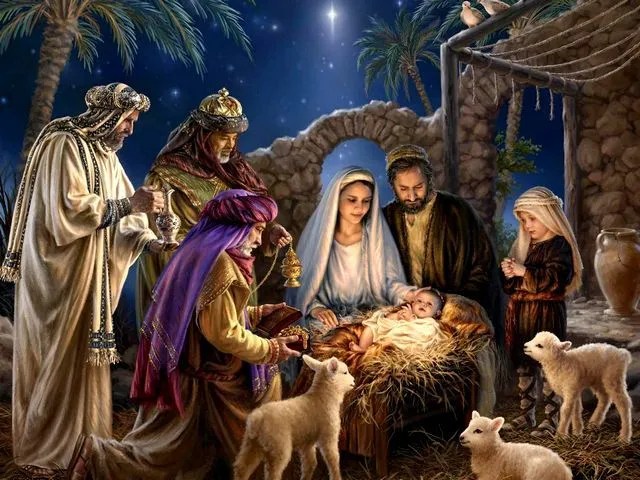
Sunday, 8 December 2019 : Second Sunday of Advent (Homily and Scripture Reflections)

Liturgical Colour : Purple/Violet

Dear brothers and sisters in Christ, on this Sunday we celebrate the Second Sunday in the season of Advent, and as we continue to progress through this special and blessed time of preparation for the celebration of Christmas, we continue our Advent journey and this Sunday we focus on Peace, as the second in the four theme set for each of the Sundays of Advent. Peace is also a reference to Our Lord and Saviour’s title as the Prince of Peace, as it was prophesied that His coming would bring about true peace into this world.

And that is what has also been alluded to in our Scripture passages today, especially in our first reading today which was taken from the Book of the prophet Isaiah. In that portion of the Book, the prophet Isaiah was speaking of the prophecies of the time of the coming of the Saviour or God’s Messiah, of the coming of the time of peace so wonderful and great that even ferocious animals would come and sit together with their prey in harmony.

This message of peace must have been truly satisfactory and pleasing to the people of Isaiah’s time, considering that at that time, as it was often in the past, mankind have often been involved in conflicts and wars, and many had to suffer because of those conflicts, losing family members and loved ones, losing their properties, houses and possessions, being looted and having to see their cities, towns and villages destroyed.

All these had been how the world went by since the beginning of time, as the powerful and mighty preyed on the weak, and how the rich and influential ones manipulated and exploited the poor ones. Suffering, pain and sorrow that were created can indeed be traced to how we mankind abused the free will that God has bestowed on us, as we chose to act in ways that seek our own satisfaction and happiness, to fulfil our needs and desires and if need be, over the suffering of others.

That is why peace has often eluded many of us all these time because we are by our nature selfish, because of our disobedience and sins, the corruption of sin which led us to think about ourselves first and not about what others think or need. That was how wars had been fought over resources, prestige, glory, and the many other worldly things we often seek in life. When peoples and nations, their leaders and all those involved in the conflicts seek to gain things for themselves and not minding the needs and happiness of others, that is why people suffer and peace is broken.

If we look at our world today, peace is more elusive than ever, as there are more and more parties in conflict and fighting against each others, groups being set against each other and divided against themselves. Governments and kingdoms are set against one another, setting up groups and alliances working to thwart their opponents and their goals. We also see how civil wars and conflicts arise from time to time, again and again, and even many instances when governments are brought down by divisions and wrecked by infighting.

And all these while, the Prince of Peace, Our Lord Jesus Christ has been present in this world ever since He came to our midst over two millennia ago, in the small town of Bethlehem, when He came proclaiming the coming of the Lord’s true peace. Yet, if we realise, that He has often been ignored by mankind, rejected and unwanted, as the world continued on with mankind’s relentless pursuits of maintaining their selfish desires and wants. He has spoken the truth to us, and yet, He was silenced, put to suffer and die on the Cross by those who hated and opposed Him.

That was what the many prophets and messengers of God had also suffered from, and in the Gospel passage today, we also heard how the one who was the Herald of the Messiah, St. John the Baptist, also suffered from the same rejection and oppression the Lord has suffered. Many prophets of the Lord had suffered and had to endure scorn and ridicule just because they stood by the missions which God has entrusted to them.

We heard how despite all the works that this faithful servant of God had done, his courageous faith and effort in calling many people to repent from their sins and wickedness, the Pharisees and the teachers of the Law still opposed the saint and made it hard for him, doubting him and refusing to believe in the words he had spoken, and even doubting him and the authenticity of what he had done and spoken before the people.

That is exactly why the Lord was unable to make any progress with those who still attached themselves to worldly thoughts and desires, those who allowed their selfishness and pride, their greed and their attachments to the world to close their hearts and minds against the Lord’s truth and love. And that was how the true peace of God remain elusive for many of us, as it had been for millennia, as most of us did not truly welcome the Prince of Peace into our lives and into our hearts.

In our second reading today, St. Paul wrote to the Church in Rome and spoke of the peace of Christ and how the coming of the Lord into the world has brought forth the dawn of a new era of peace. And St. Paul also exhorted the faithful there to welcome one another and to make peace with each other, just as the Lord Jesus has brought the peace of God into the midst of the people He has touched, and thereafter passed on that same peace to those whom He has commissioned and called.

In Rome at that time, which was the cosmopolitan and populous capital of the mighty and expansive Roman Empire, there were numerous peoples of different origins and backgrounds, of different cultures and traditions, as besides the Romans who were the lords of the land, there were also Greeks, Syrians, Jewish populations, Gauls, Germans, the peoples of the Northern African regions, Thracians, Dacians, Berbers, Arabs, Persians and even many others, of many different nations and languages.

Many of these people did not exist peacefully with each other, and it did not help that many among the non-Roman populations, especially in the city of Rome, were slaves. And the Romans were the largest landowners and also slave owners. Even among the Romans themselves there were often wide disparity in the wealth and property they owned, and all these divisions and categorisations among the peoples often led to conflict and unhappiness.

And the Christian faith interestingly managed to bridge these differences even in the earliest days of the Church. St. Paul was in fact exhorting and reminding the faithful to put aside their differences, whatever past animosities and unhappiness they might have had towards each other previously and instead focus themselves on peace, and to live with one another harmoniously, bonded together by a new bond of love born from God. This is how God’s coming into the world has therefore transformed His people, from people divided by many differences and identities, into a united people by faith.

Division and conflict is typical of mankind corrupted and afflicted by sin, but as God entered into our lives and touched us, peace also entered into our midst. The question now is, are we allowing God to enter into our lives and transform us with His love, peace and goodness? Are we open in our minds and hearts to embrace the peace of God in our lives? The fact and reality is that as long as we remain attached to our many worldly desires, remaining selfish and self-centred, proud and egoistic, it will be difficult for us to find true peace in our lives.

Therefore, brothers and sisters in Christ, on this Christmas we are all challenged to return to the true essence of Christmas, and that is welcoming Christ, our Lord and Saviour into our lives, so that we may truly live in harmony, peace and love with one another. This is what Christmas is all about, and what we should prepare ourselves for in this blessed season and time of Advent.

Instead of focusing on excessive festivities and parties, merrymaking and joy without truly understanding why we celebrate Christmas in the first place, let us all bring our joy and celebrations by first of all, making peace with all those whom we have probably been angry with, feuding with all these while. Let us all learn to forgive one another, just as the Lord Himself has forgiven us all first from our sins. This is how we bring peace into our lives, and only with peace then we can truly celebrate Christmas in its fullness.

Let us all be peacemakers and strive to live in harmony and unity with one another. Let us all strive to die to our pride and to remove from us the traces of ego and selfishness, and instead allow God to enter into our lives and transform us, so that through all of us and our good works, peace and harmony will reign once again in our world wrecked by wars and conflicts. Let us all bring the Peace of Christmas to everyone, beginning from ourselves and our own families, and then to our communities and then to all the peoples of this world.

May the Lord, Our Prince of Peace give us His peace, that we may come to celebrate this Christmas joyfully as one people, no longer bickering and fighting over trivial matters of the world. Let us all be genuinely concerned of one another and show genuine love in our actions and interactions with each other. May God bless us always as we continue through this blessed season of Advent and guide us in our journey of faith, now and forevermore. Amen.

Sunday, 1 December 2019 : First Sunday of Advent (Homily and Scripture Reflections)

Liturgical Colour : Purple/Violet

Dear brothers and sisters in Christ, on this day we begin the season of Advent and the new liturgical year cycle with the celebration of the first Sunday of Advent. On this Sunday we begin the time of preparation for the coming of the great celebration of Christmas, a time for us to recollect ourselves and to redirect our thoughts and interior disposition that we may truly celebrate Christmas with the fullness of faith and love for God.

On this first Sunday of Advent, we focus on the first of the four themes of the Sundays of Advent, namely hope, peace, joy and love. We begin with hope as we light the first of the four candles of the Advent wreath. This hope that we focus on today is a reminder that first and foremost, the theme of Advent itself comes from the origin of its name, ‘Adventus’ in Latin, which means ‘The Coming of…’ and the appearing of none other than the Saviour of the whole world, Our Lord Jesus Christ.

Therefore, first and foremost, this season of Advent is a time for hope and to look for that hope, the hope which we can truly find in God alone. Advent is the time for the renewal of that hope within our hearts and minds, as we begin the new cycle of the liturgical year and as we look forward to the coming of Christmas. As with all New Year celebrations in our world today, we know of how everyone looks forward to a better year, filled with hopes and expectations. It is no different with what we are celebrating today.

And Christ is our one and true hope, hope that overcomes even the darkness of the world, the tyranny of sin and death. It is because we have hope in Christ and in His salvation that we are able to look forward to the coming year and persevere through life with faith. His coming into this world that we celebrate every Christmas is the wonderful light that pierces through the darkness of the world, and gave us a new hope.

This is what has been alluded throughout the Scripture passages today, beginning from our first reading from the Book of the prophet Isaiah, in which we heard of the vision that the prophet Isaiah saw concerning the last days when the Lord will come again in His glory to rule over His people and gather all of those who are faithful to Him, the time when God will bless and hold up His people forever.

This is the hope that God has given to all of us, the hope for His salvation and the eternal life of glory and true joy that we are all looking forward to, which Our Lord, Jesus Christ has revealed to us by His coming into this world. That is why during this season of Advent, we are in fact celebrating a two-fold celebration, first of the remembrance of the time when we mankind awaited the coming of Our Lord and Messiah, and then secondly the expectation of the coming, once again, of Our Lord at the end of time.

That is why we rejoice so at the time of Advent, but in a more muted and subdued way because we are anticipating for the coming and the fulfilment of the fullness of joy which is to come through the Lord and which we remember and commemorate at Christmas. That is why the nature of the liturgical colour of this season being that of violet or purple, which is reminiscent of the penitential and preparatory nature of Lent in the preparation for the coming of Easter.

Yet, for all these joy that we are expecting, if we observe all around us, we can see what is often missing from the celebration and festivities is none other than the One Whom we truly are celebrating for, that is none other than Christ, Our Lord and Saviour, and the reason why we have Christmas and its joyful commemorations in the first place. But the world has largely forgotten Christ and Christmas and its festivities has become nothing more than just another festival and celebration.

That is why it is always sad to see how secularised and materialistic the many Christmas celebrations around the world had been, as many people took to the secular and worldly ways of celebrating Christmas, even many among us Christians, who have forgotten the true essence, significance and importance of this joyful and wondrous occasion of the birth of the Saviour of the whole world. Instead, we ended up focusing on the parties, celebrations and festivities.

Let us all look at the obscene amount of marketing, advertising and promotions done to advance the case for the materialistic and worldly Christmas, ironically without Christ being at the centre of the attentions and all the celebrations. Many people thronged to shop and to gain as many bargains as possible from all the Christmas holiday shopping, busying themselves haggling over goods rather than to remember the One Who made all these possible.

We focused on what we want to celebrate on Christmas, on what gifts we are to give or to exchange with each other, focusing on the nitty gritty and details of the celebrations and the festivities, on what decorations and glamorous things we are going to put up or include in the feasts, the food and drink that we are going to partake and enjoy, and yet, in all those things, Christ has often been left out.

Today, brothers and sisters in Christ, all of us are called and are reminded strongly of the very important need for us to return Christmas back to Christ, and this means that Christ must be the very centre, focus and the very reason for all of our celebrations and joys throughout this upcoming Christmas season. And that is why we should be blessed that we have been given this time of Advent as a time for us to reflect and to prepare ourselves heart, mind and soul, so that we can truly appreciate and celebrate Christmas in the best way, that is in the Christ-centric manner.

And let us all today also remember that not everyone in the whole world can celebrate Christmas joyfully in the way we do or what we may often see around us. There are parts of the world where our fellow Christians, our brethren who were unable to celebrate Christmas openly, because of persecution and oppression, because of prejudices and other difficulties. Let us also not forget those who had little or no means to celebrate because they are poor and without means to spend to celebrate.

This is why this season of Advent and for the upcoming Christmas season, let us all challenge ourselves to focus our Christmas joy and celebration on Christ, and to remember our brethren in our prayers, those who have no chance to celebrate Christmas because of difficulties and persecutions, and help whenever possible, by our own charitable actions. This means that we should be generous in sharing our joy with our fellow brethren, especially those who are poor and needy and without joy.

Let us all make our upcoming Christmas celebrations more meaningful and wonderful by sharing our joy with one another and remembering that after all it was God Who has first shared with us His joy and love, by sending unto us, His most perfect gift of all for us, Christ, His own Beloved Son, to be Our Lord, Saviour and Redeemer. May all of us have a blessed season of Advent, and may God be with us always in this journey of faith. Amen.

Sunday, 24 November 2019 : Thirty-Fourth and Last Sunday of Ordinary Time, Solemnity of Our Lord Jesus Christ, King of the Universe (Homily and Scripture Reflections)

Liturgical Colour : White

Dear brothers and sisters in Christ, on this Sunday, the thirty-fourth and the last in our current liturgical year cycle, we celebrate the great Solemnity of Our Lord Jesus Christ as the King of Kings, King of all Universe, rejoicing together in our one and only True Lord and King. On this day we honour and adore our Lord and King, the One to Whom all glory and honour are due. All the other kings and rulers of this world derive and receive their authority and power from God, our King.

And His kingship is truly a very unique and wonderful one, which is different from the ways of the kings of this world. For this is not a king who uses his power and authority for his own gain and benefit, and neither did He make use of the authority to show His glory and might before His people as the kings and rulers of this world often did. Instead, if one were to look at the whole life and ministry of the Lord, one would not be able to recognise that He is a King if we make use of the standards of this world.

That was what the Pharisees and the enemies of the Lord took issue against Him for, as they could not recognise how He was truly the Messiah of God, the One Whom God had promised from the beginning of time, to be the perfect fulfilment of all those promises and all the words of God to us. The people thought of the Messiah as the mighty and conquering King like that of David and Solomon, and that the Messiah would come as a mighty King that will restore the kingdom of Israel as how it was during its glorious days.

Yet, Christ is truly a King, and King of all kings and Lord of all lords. His coming into this world precisely showed us all what His true purpose and mission, as well as the true nature of His kingship. His kingship and leadership is not one of pride and tyranny, but instead is one of service and of generous giving, in leading by example and in reaching out to every single one of His people without bias or prejudice, without fear, full of compassion, mercy and love.

Through Him, and by what we have heard today in the Scripture passages, we are reminded of the love which God has for each and every one of us, that He, our King, was willing to do everything He could for our sake. He came into this world to gather us all in to Himself, to be reconciled because of all of our sins and wickedness. And He has willingly bore the Cross for our sake and to suffer because through all that, all of us may live and not be destroyed because of those sins.

Here therefore, we have a great and wonderful King, One Who truly knows us all by heart, and Who is always ever concerned for our well-being. He has always sought our welfare and we are always foremost in His mind all these while. Yet, for all and everything that He has done for us, we mankind, His beloved people have not treated Him in the manner that we should have treated Him. We ignored Him, abandoned Him, betrayed Him and chose other things that we prefer more than Him.

Although the Lord is truly the King of our lives, but we acted as if our king and lord is something else, be it our own pride and ego, or our attachments to worldly possessions, to money and all the likes. We put our trust and hopes in these much more than we have placed our trust and hope in the Lord. And essentially, in our many pursuits of worldly glory, power, honour and all the sorts, we have forgotten about God, ignored Him and abandoned His ways.

Though we call God our King, but the way we behaved and the actions we take in life, the words that we uttered and spoke, the attitudes we adopted in this life all spoke of a different thing, as it is often quite evident that we have other kings in our lives other than God. And it is the sad reality that we even honour all these false ‘kings’ more than how we honoured and treated God. This is sad and truly ironic considering all the things that God, our King had done for our sake.

On this day, as we celebrate this Solemnity of Christ the King, we are therefore called to discern carefully on our lives, our every actions and deeds, our words and interactions with one another. Let us ask ourselves if we have truly regarded Christ as our Lord and King in our lives, or whether we have instead turned our back against Him and put other ‘kings’ that we deem to be more important than Him, by putting the idols of worldly glory and achievements, human praise and power, money and possessions in our hearts and minds?

Today we are all called to reflect on what we are to do if we truly love God as our Lord and King, and we are all called to action, if we sincerely and truly believe in that faithfully. For if we truly honour God as our King, then we need to begin to show it through our every day lives and actions. Otherwise, we will end up scandalising Him and our faith in Him, if we call Him our King and yet our actions and words show otherwise as what often happened in our lives today.

Brothers and sisters in Christ, how do we then honour Our Lord Jesus Christ as King? First of all, let us all embrace the wonderful love and compassion which He, Our King has shown us, accept His generous offer of love and mercy, opening our hearts and minds to welcome Him and enthrone Him therefore in our hearts. And then, having welcomed Him into our hearts, there can be only place for one King in us, and that is why we need to remove from us all the other false ‘kings’ that we have filled our hearts with.

And from now on, let us truly behave as one of God’s people, following Him as King. It means that we have to live our lives with faith, genuinely devoting ourselves to the path which God has taught and shown us. We have to show that God truly is our King, and all who see us will know that we belong to Him, and to Him alone. It will not be an easy path for us to take, as we all know how the Lord was rejected and despised by many, how He was persecuted and condemned to die when He came into this world bringing and revealing His truth to us all.

Yet, Christ willingly stood up for our sake, speaking the truth even though it meant His suffering and crucifixion. He willingly embraced the worst sufferings out of love for us, truly a King Who loves us all His people, worthy of all praise, glory and honour. And since God loves us all so much, to endure all these for us, then should we not love Him in the same manner, even if it means that we have to bear our own crosses in doing so?

Brothers and sisters in Christ, from now on therefore, let us all cease treating God less than that of the one and only true King of our hearts, and let us steadfastly proclaim Him as our King and Master, not through mere words alone, but through real and concrete actions of faith, by being exemplary Christians in all things, becoming genuine witnesses of the Lord’s truth by our lives. Let us all truly make Jesus our King, not just in name alone, but in reality and all truth, in all things.

Let us obey Him and follow Him and His truth in everything we say and do from now on, and glorifying Him by our lives. Let us bear our crosses patiently with Him, and follow Him to the end of our earthly lives so that when He comes again in the fullness of His glory at the end of time, He may gather us all and find us all worthy of the glory of His eternal kingdom, and bless us with graces everlasting and true joy and happiness with Him forevermore.

May the Lord Jesus Christ, Our King, and the King of all the Universe reign gloriously ever, and reign gloriously in our hearts and minds, that every inch of our being and existence may be filled with our love, devotion and dedication for Him, that we will no longer allow any false ‘kings’ or idols to occupy our hearts and minds, from now on. Let us all adore Our Majestic King and glorify Him always by our lives. Christus Vincit, Christus Regnat, Christus Imperat! Amen.

Sunday, 17 November 2019 : Thirty-Third Sunday of Ordinary Time, World Day of the Poor (Homily and Scripture Reflections)

Liturgical Colour : Green

Dear brothers and sisters in Christ, we are all finally at the thirty-third and last of the Ordinary Sundays in the year, as we approach the end of this current liturgical year. Next Sunday we shall be celebrating the great Solemnity of Jesus Christ the King, the final cap to this current liturgical year. As we reach this stage in time, we heard of the constant reminders through the Scripture of what is to come and what we should expect in our journey of faith as one of the many disciples of the Lord.

As we approach the end of this liturgical year, the readings remind us of the reality of what God Himself has promised to us and which we also believe firmly as we always repeat through every time we recite the Creed, that He will come again in glory at the appointed time, and as He comes again, He will gather us all to Himself and will judge all the peoples, all the nations for their own deeds and actions, be it good or be it bad and evil.

We do not know when is the exact moment that this will happen, but it is perfectly certain that His coming will be a surprise to everyone, at a time when everyone least expect it. It is perfectly certain that the Lord will come as He has promised. But in the meanwhile, as we look forward to His coming, and as we expect Him to gather us all into His eternal and glorious kingdom, we have to live our lives according to how He has taught us, through the way that He has shown us.

The Lord presented to His disciples in our Gospel passage today, and therefore through to us all, the reality of being a follower of His. To be a disciple of the Lord means that we have to be prepared for the trials and challenges that will likely be in our path, as we will encounter all sorts of difficulties, even as the Lord said, false prophets and guides who will try to lead us astray from the faith in God.

What the Lord had said, has actually happened throughout the long history of the Church. There had been many moments when the faithful had to endure bitter suffering and persecutions, from the Romans, the pagans, the enemies of the Church, from the worldly authorities and governments, and from many others who sought the destruction of the Church and the faith. That was how the innumerable martyrs of the Church came to be, all those who have suffered and died for the Lord.

Yet, they suffered with courage and conviction, faith and commitment to God. They went through all sorts of difficulties, torture and pain, encountering all sorts of painful deaths, because they refused to give up their faith in God. They remained true to their faith even amidst great pressure and persecution, even opposition from their own friends and families. They were faithful to the very end.

This is what the Lord Himself had said to His disciples as He prepared them all for the eventual suffering and persecution they had to encounter. Just as the world has persecuted their Lord and Master, His disciples and followers would also suffer as He had suffered. But He also then reassured them that they would not be alone, as God would be with them, suffering with them, carrying His Cross with them. He would guide them through those difficult moments and strengthen them.

That was probably how many of the holy martyrs were able to persevere through those difficult moments, and how they endured all the bitterness of the world. That was because they put their faith and trust in God, knowing that He was with them through all the way. The Lord encouraged and strengthened them through His Holy Spirit, that they remained true to their dedication even through the darkest moments.

That is why He called on His disciples to remain strong and to put their trust in Him, that no matter what, He will guide them and show them the way. And He said this because He wanted them all to do His works and to be the witnesses of His truth at all times, even at the most difficult moments, so that they would not worry about themselves or about what they would do, because no matter what, God would be with them.

That is, brothers and sisters in Christ, the essence of what we have to do with our lives as Christians. We are all called to be witnesses for Christ, for His truth and for the Gospel of His salvation. We are all called to glorify Him by our lives and be the bearers of His truth to the nations, for He has given us this Great Commission, that we go to all the nations, bearing His truth and baptise all the peoples in the Name of the Father, the Son and the Holy Spirit.

Then, in the second reading passage today, taken from the Epistle written by St. Paul to the Church and the faithful in Thessalonica, we heard of how St. Paul mentioned that he and his fellow disciples worked hard for the sake of the faithful, doing all that they could to serve the people and living their lives to the best of their abilities. They did their work and laboured as an example to the rest of the faithful.

And why is that so? That is because at that time, there were those who believed that the Lord’s coming was imminent, and that therefore they needed nothing else than to wait for His coming and be idle, for they have already been saved after all. But that was not what the Lord wanted them to do, for as I have just mentioned, He sent us all into the world, to bear witness to His truth, His resurrection and to His salvation for all mankind.

How do we then bear witness to God’s truth and love? It is by doing what He has Himself done, in reaching out to our fellow men, showing our own love, care and concern for others around us, in particular those among us who have few or even none to care for them and love them. It is indeed most fitting that on this Sunday, the thirty-third one in Ordinary Time, which has recently been declared as the World Day of the Poor, we remember the poor in our midst, those who have little or none to pass the day by, and also all those who have been treated unjustly and even without basic human dignity in our society.

As this current liturgical year comes to an end, it is perhaps time for us to look upon the year that has just passed, and discern how our lives will proceed from now on, even as we look back and take note of what we have done in this past one year cycle in serving God and His people, what we have failed to do or have not yet done, and how we can proceed from now on, as we enter the new liturgical year cycle, and from then on and on again, in living the lives as true Christian disciples.

That is why, brothers and sisters in Christ, today we are all called to reflect on what we can do as Christians, to bear true witness to Christ and show our faith by our words and actions in life. We should love one another and share our joys and blessings if we have more of these to those who have little or none, so that all those who see us, know that we truly belong to God, because not just that we have done what God Himself had done, in seeking the last, the lost and the least among us.

We have to remember what the Lord had said, that whatever we do to the least of our brothers, we are doing it to the Lord Himself. Therefore, if we hurt or make those who are poor and needy to suffer even more, then our reckoning before God will indeed be truly terrible, while if we reach out to them in love as we should, then God too will reach out to us with the same if not even greater love. This is how the world knows that we are His disciples, when we love one another, just as He loves us, and even more so, towards those who have known little or no love.

Brothers and sisters in Christ, if we live in a Christ-like manner, by reaching out to one another with love, especially to the poor and the needy, we will likely go against the norms and customs of this world. Indeed, as mentioned earlier, there will inevitably be frictions and inconveniences, troubles and trials ahead in our journey. But should we let all these trials and challenges to deter us, or should we rather make these as the reasons why we want to be even more determined to do what we should as Christians?

Let us all be true Christians in our lives, brothers and sisters in Christ, that our every actions, words and deeds truly breathe the very essence of our Christian beliefs, that everyone may know the Lord through us and see His love and compassion, His mercy and salvation, His truth and glory through our lives and actions. May the Lord continue to bless us all, and guide us all, His Church and His people in our journey of faith, day by day, to the end of time. Amen.

Sunday, 10 November 2019 : Thirty-Second Sunday of Ordinary Time (Homily and Scripture Reflections)

Liturgical Colour : Green

Dear brothers and sisters in Christ, on this Sunday as we get closer to the end of the current liturgical year, we heard about the readings focusing on the theme of the resurrection into new life, as we began today with the first reading from the Second Book of the Maccabees on seven brothers and their mother who were persecuted by the Seleucid Greeks under king Antiochus and then in the Gospel we heard of the encounter and exchange between the Lord Jesus and a group of Sadducees.

Let us all first understand the context of the readings today, in which we heard of the persecution of the faithful Jews by the Seleucid king Antiochus who wanted to impose Greek customs and religious traditions on the whole of his Empire. At that time, the tyranny and heavy-handedness of the king made many of the population to rise up in revolt, led by the priest Mattathias and his family, who would be known as the Maccabeans.

As we can see, the persecution of the Jews who remained faithful to the laws and commandments of God was truly terrible, as exemplified by the persecution of the seven brothers and their mother. They were tortured, made to suffer and then executed one by one, beginning from the eldest son to the youngest son because they all refused to abandon their faith in God and embrace the king’s order to embrace the pagan Greek practices.

All of them defended their faith and stood by their dedication to God without hesitation, right up to the last and the youngest son who was persuaded by the king to abandon his faith for the sake of being considered the friend of the king and receiving many worldly privileges of power, wealth and glory that were abounding through the king and his influence. But none of those were able to move the heart of the youngest son who remained even more adamant on his faith.

We can see very clearly how courageous all of them, the seven sons and their mother in their readiness to face bitter suffering and painful death in the defence of their faith. They would not have had such courage when faced with all the forces of the world levelled against them, had they not have faith in God and in His promises of an everlasting of true joy, happiness and wonders in Him despite all the trials and challenges that they had to face in life.

They turned away from the comforts and the false happiness of the world, and chose to focus on the Lord and follow the path He has shown them. Their perseverance and their enduring faith in the Lord’s providence and the Covenant which He had made with them allowed them to endure all the terrible persecutions and trials. They sought the promise of the world that is to come and not put their focus on the happiness in the world that they were in at present.

And this is where our story from the first reading is connected and is parallel to the story from our Gospel today, as the Sadducees confronted the Lord and asked Him regarding the resurrection from the dead. The Sadducees were a powerful group at the time of the Lord Jesus, as one of the two main influence groups alongside the Pharisees. Unlike the Pharisees who were concerned and focused on the matters of spirituality, religion and the Law to a great excess, the Sadducees were their polar opposites.

The Sadducees were kind of the secular and worldly party of the Jewish people, all those who were influential and powerful in the community and with ties to the government, with probably many of them also belonging to the supporters of king Herod and his descendants, the rulers of Judea and Galilee. The Sadducees were those who looked at the world in a secular and non-religious manner, in opposition to the Pharisees and also to Jesus and His disciples, as the Lord spoke often in favour of leaving behind material goods of the world in the seeking of the divine.

The Sadducees used a story to test the Lord with regards to the matter of the resurrection because they did not believe in either the resurrection or the afterlife. They neither believed in the Angels or in any spiritual matters, as they were focused on purely materialistic and worldly matters in their sight and understanding of the world. They wanted to test and even discredit the Lord using the story of a woman who had seven husbands and asking Him whose wife she was in the afterlife.

Understanding the context of the Jewish law, if a man who was married to a woman died without having a child, one of his brothers had to take the woman to be his own wife, and a son born of the union between the deceased man’s brother and his wife would be legally considered as the son of the deceased for the matter of inheritance and preserving the deceased man’s memory and legacy. It was this part of the Law which the Sadducees made use of in trying to test the Lord.

But the Lord chided and rebuked the Sadducees for failing to understand the Law properly and for their worldly view and perspective of things by which they focused on such trivialities and misunderstood what the most important things in life are. When they asked the Lord whose wife the woman was among all the seven brothers who all married her, they failed to understand that marriage is not about something human only but even more importantly is a union blessed by the divine in imitation of God’s love.

In the case of the Sadducees, they thought of the woman being a wife as a commodity and possession, in the manner that was common in the world at that time. During that time, the status of women in the society was quite low, and they were often considered as the possessions of their family, parents or husbands. In that context, the Sadducees took am understanding of matter with a purely worldly mentality and sentiment, worrying more about who the woman would belong to rather than the matter of the resurrection itself.

And why is that so, brothers and sisters in Christ? That is because the Sadducees were too afraid to leave the life as they knew it. They were too attached to the world that they refused to think of what would come after the end of their earthly existence. That was why they focused on living their lives at the moment to the fullest, seeking worldly pleasures and satisfactions, and in doing so, they ended up falling into the temptations that brought them further and further away from God.

Essentially, what we heard about the seven brothers in our first reading today is contrary to what we have heard from the attitudes of the Sadducees. The seven brothers put their faith in God first and foremost before anything else, willing to suffer and even die for the sake of defending their faith and in remaining committed to Him. They would not betray their faith and their God for the sake of worldly happiness and status. On the other hand, the Sadducees acted and believed in a manner diametrically opposite, as they focused on the world and perhaps had no God in their heart at all.

Brothers and sisters in Christ, all of these then come to us, as we all can follow the path that either of these two groups of people showed us. God has given us the freedom to choose the path of our lives, and so, do we want to follow the path of the Sadducees, focusing on the world, enjoying everything and forgetting about God, just as what the Greek king tried to persuade the seven brothers to do, or do we want to be faithful like the seven brothers in the Book of Maccabees?

And as we can already see from what those seven brothers endured and suffered from, to be true disciples and followers of the Lord, as our Lord Himself said, we must be ready to carry our crosses in life with Him, to suffer with Him and from time to time, to be ridiculed, mocked, humiliated, rejected and even persecuted for what we believe. That is part of the commitment that we ought to have as those who truly believe in God and want to walk in His ways.

Let us all therefore truly be faithful to God at all times and in everything we say and do in our lives. Let us all draw ever closer to Him and let us all dedicate ourselves with ever greater zeal and love for God, through every actions and efforts we take in this life we have in this world. Let us all be courageous in loving God, and resist the many temptations of false pleasures and joys of this world so that our lives may truly be Christian-like and inspirational that through us and our good examples of faith may bring ever more souls to redemption and salvation in God.

May the Lord inflame in us the strong and living flame of passion and love for Him and His ways, that we may truly desire to seek our true treasure and inheritance in God, and not ended up being distracted by the many comforts in life that may seem to be satisfactory and pleasurable, and yet does not last forever. May God guide us all to Him, and embrace us all with the fullness of His love. Amen.

Sunday, 3 November 2019 : Thirty-First Sunday of Ordinary Time (Homily and Scripture Reflections)

Liturgical Colour : Green

Dear brothers and sisters in Christ, on this Sunday we are all being reminded of just how loving, compassionate, merciful and wonderful our God is in all of His ways, in how He has been treating us all these while, in His great and enduring patience with us that even after all that we have done to make Him angry at our stubbornness and wickedness, He still wants to forgive us and to be reconciled with us.

In our first reading today taken from the Book of Wisdom, we heard of God’s omnipotence, as He is All-Powerful and is in control of everything in this world, even to the minutest and smallest details. And this is highlighted because no matter how well we may try to hide our sins and shortcomings, our mistakes and faults before God, we will never be successful. He knows us all in and out, the very deepest parts of our beings and our innermost secrets.

And yet despite knowing our faults and shortcomings, our filthy state of sin and our despicable attitude, God’s love for each and every one of us is still greater even compared to all of those. That is why He was able to forgive us and embrace us despite our many sins and our many faults. He wants us to be forgiven so that we may be reunited to Him and will not be lost to Him forever. If He wants us destroyed, He could have easily done that and yet He did not.

On the contrary He did everything to reach out to us and to embrace us with love. That was the essence of our Gospel passage today in which the Lord Jesus encountered Zaccheus the tax collector. In that occasion, Zaccheus, who was a renowned tax collector in the community wanted very badly to see the Lord, and even though he was short in body and posture, he tried his best to see the Lord by climbing up the sycamore tree.

Zaccheus loved the Lord very much, as we can clearly see from the way he tried his best to seek the Lord. And as I said earlier on, God knows everything about us, and He noticed Zaccheus all the same, putting His attention and focus on him despite the enormous crowds all around Him. He called Zaccheus to His presence and made it clear that He wanted to go to his house and to be a guest over there.

Very quickly, the Pharisees and the teachers of the Law frowned and condemned the actions of Jesus, by saying how could He had entertained to go to the house of a sinner. And this must be understood in the context of how the tax collectors were resented and even despised, being prejudiced against just because of their profession in collecting taxes on behalf of the Romans who were resented, and they were therefore resented and hated as well.

But they failed to see how Zaccheus was a sinner just as they too were sinners. They have unjustly looked down on him based on their own prejudices and biases, and causing them to be blinded against their own shortcomings and faults. Zaccheus had however, something that is greater than all of them, the Pharisees and the rest of the people who had judged him unfairly, had in them.

He had faith in the Lord, faith that allowed him to use all his might to climb up the sycamore tree, believing that He is the One Who can save his soul from damnation. He has faith and hope in God, hope that he will be forgiven from his faults and sins, which he was certainly aware of, because of the constant prejudices and biases that were constantly deployed against him and his fellow tax collectors.

And he loved God, or else he would not even have made the effort to see Him. To prove his love for the Lord, he even made the very public announcement before all those who were gathered that he would right all the wrongs that he had committed as a tax collector, willingly parting even with his money and possessions when he said that he would repay all those whom he had once cheated four times as much.

When God saw all of that in Zaccheus, He saw a lost sheep that has finally come back to its Shepherd, and therefore praised him as a true son of Abraham who deserved salvation as much as everyone else. He was rebuking those Pharisees and all those who looked down on Zaccheus as a sinner while they themselves were even worse sinners because they refused to admit that they had sinned, unlike Zaccheus who admitted everything publicly before the Lord and showed his love for Him.

Now, brothers and sisters in Christ, let us all spend some time to reflect on all that we have heard through the Scripture passages today. Let us all look in ourselves and find that Zaccheus that we should have, and whom we should indeed emulate. Are we in love with God so much that we are willing to seek the Lord just like how Zaccheus had done his best to seek the Lord with all of his might? Are we able to follow the Lord with all of our strength as we should have?

St. Paul in his Epistle to the Church and the faithful in Thessalonica in our second reading today then reassured us all that again, God’s love will make everything possible for us if we allow His love to enter into us and transform us, allowing Him to strengthen us and to give us that encouragement that we will be able to follow Him with faith and commitment regardless of the challenges and difficulties that we may have to face in being His faithful disciples.

We must be strong and we must stay faithful and keep hope in God’s enduring and ever great love for each and every one of us. For the devil is always devious with his many tricks and ways to try to prevent us from reaching out to God, by whatever means necessary. He may try to convince us that we are so sinful and despicable that we do not deserve to be saved. And that was exactly what the Pharisees did, as Satan spoke through them to try and prevent Zaccheus from being saved.

But God brushed off the devil and embraced that sinner who had returned home with such great love for his Master. This is why we too must have faith in God’s love and know that there is no sin too great for God to forgive, as long as we desire with all of our hearts to be forgiven and sincerely repent from all those sins and turn away from them. Zaccheus did that, and made a public profession of faith and love before all the people. If he could do it, then why can’t we do the same?

Then, the devil may also try to disturb us by trying to tempt us with many worldly pleasures and distractions by which he wants us to succumb to those temptations and as a result becoming more and more distant from God. If we allow these temptations to overcome us through our desires, we will end up falling deeper and deeper into sin, and from there eventually into eternal darkness unless we proactively resist the temptations.

Are we able to follow in the footsteps of Zaccheus who willingly wanted to atone for his past sins even if that meant that he would lose part of his money and possessions? Are we able to detach ourselves from the temptations of this world so as to become more committed and dedicated to God, that we may be more willing and capable of seeking God’s presence in our lives? We are all called to follow the example of Zaccheus, in putting God above everything else and love Him with all of our hearts from now on.

May the Lord be with us always, and may He bless us and empower us all from now on that we may be able to live our lives with faith. May He strengthen us all to live virtuously and focusing our attention on Him in every moments of our lives from now on. Let us all embrace the generous love of God, His mercy and compassion through which He wanted to heal us all from our sins and afflictions. May God bless us all, in our every good endeavours, now and forevermore. Amen.

Sunday, 27 October 2019 : Thirtieth Sunday of Ordinary Time (Homily and Scripture Reflections)

Liturgical Colour : Green

Dear brothers and sisters in Christ, on this Sunday we listened to the words of the Scripture that are reminding us of what it means to be truly faithful to God. To be faithful to God means to be wholehearted in our commitment and dedication to Him, to centre our attention and focus to God and to have a good and healthy relationship with Him at each and every moments of our lives.

This is presented most clearly in our Gospel passage today where the Lord Jesus spoke to His disciples and to the people on the story of two people who were praying to God in the Temple. He mentioned the prayers of a Pharisee and a tax collector and described the way they prayed at the Temple. While it was not necessary that all the Pharisees and the tax collectors behaved or prayed in that way, the Lord wanted to highlight the widespread bias and prejudice existing at that time.

The Pharisees were seen as a great, intellectual and honourable group of people who were dedicated to the preservation as well as the implementation of the Jewish laws and customs as handed down from generations to generations from the time of Moses. They were influential and powerful, supported by the Temple and by the chief priests and elders, respected for their knowledge of the Scriptures and for their piety.

Meanwhile, at the other end of the spectrum were the tax collectors, who together with the lepers, prostitutes and criminals were treated as the lowest and most despicable members of the community. And some, especially among the Pharisees did not even treat them as proper members of the community, but as outcasts and even as supposed pagans and wicked people unworthy of God.

And the tax collectors were despised and treated badly because of their profession in collecting taxes for the king and especially for the Romans, who were the overlords and rulers of the land at that time. First of all, no one ever liked to be taxed of their income, as the history of man has proven again and again. Whenever taxes were levied or increased, often the people rose up in rebellions or became angry.

Unfortunately, the anger and the unhappiness of the people were then often directed at those who collected the taxes as part of their livelihood rather than those who received the collected taxes. It was most convenient to despise the tax collectors as they were the ones at the frontline doing the work of getting the taxes from the people while the Romans were essentially untouchable.

That was the likely reason why the tax collectors received the brunt of the anger and displeasure of the people who treated them as traitors to the nation, as those whom they alleged to have sold the people to the Romans. These were certainly the prejudices and biases that were rampant in the community of the Israelites at that time, and to many if not most of the Pharisees in particular, the tax collectors were seen as unclean, unworthy and sinful people.

That prejudice was clearly seen in the story that Jesus told His disciples, as the Pharisee in the story looked down upon the tax collector and mentioned it openly in his prayer to God, as he looked highly on his own pious faith practices and despised the tax collector as a sinful man. Certainly that was the same attitude shared by many of the Pharisees in real life as listed throughout many parts of the Gospels.

The Pharisee however did not realise that God actually looked with favour on the tax collector, and the prayer of the tax collector was heard because he humbled himself so completely, recognising that he was a sinner not just because the other people said so, but he was aware of his own sins and unworthiness before God. And while the Pharisee held his head up high and praised himself in the prayers he made, the tax collector humbled himself so much and was so ashamed at his sins, that he dared not even to look up and bowed down right far back away from the presence of God.

Comparing the two prayers, both in the words and in the methods, we certainly should know between the Pharisee and the tax collector, who was the one whose prayer was more genuine and true, and whose attention and focus were on the Lord and whose one was on himself. The Pharisee prayed with pride and praised himself before God while actually demeaning someone else, but he was oblivious and failed to notice the sins in his own self. And that was not what a true prayer and what a Christian should behave like.

For prayer in its essence is based on the close and intimate relationship between us and God, and is a form of communication between us and Him. And as how all communications are, prayer is supposed to be two-directional, meaning that a prayer is a means for us to be able to speak to God, but also at the same time, for God to speak to us in our hearts and in our minds.

The Pharisee closed his heart and his mind before he even began to communicate with God. He was so full of pride and arrogance in himself and in his intelligence, piety and status that he did not even allow God to enter into His heart or speak in Him. As he was praising himself and looked down on the tax collector, it showed that he loved himself more than anything or anyone else, even God.

Compare this to the tax collector who bowed himself down, consciously humiliating himself probably in the plain sight of the public. He did not even dare to look up to God, knowing the sins he had committed, reinforced by being ostracised by the community, considered and treated as traitors and as despicable people. He humbled himself such that he emptied himself from all pride and desire, and focused himself entirely to God.

And that was how someone can open himself or herself to God for true communication to be made. Too often in our lives we are too busy and too distracted to realise God wanting to speak to us in our hearts and minds. We must realise that God has always wanted to speak with us and to hear us, just as the prophet Sirach in our first reading today mentioned, that the prayer of a humble person pierces even the clouds of heaven.’

A lot of times in life, we are making too many expectations and having too many desires while succumbing to those tempting desires at the same time. That is how we end up distancing ourselves from God and failing to realise His love for us. Whenever we got caught up by being too busy in life, thinking too highly of ourselves like the Pharisee, we end up sidelining God and shutting ourselves from Him.

Today, as we heard and remembered the passages from the Scriptures, let us all discern and reflect on our own lives, on how we have lived them and how we have been faithful or even unfaithful to God, on whether we have had a good and loving relationship with Him, or whether we are too busy, too distracted or too proud and full of ourselves that we have sidelined him and being too focused on ourselves.

Brothers and sisters in Christ, are we able to open ourselves to God, to His sincere love, His generous mercy and forgiveness, His kindness and compassion to us, His willingness to be reconciled with us despite our sinfulness, our many wicked actions and our stubbornness all these while? Are we willing to embrace Him wholeheartedly and sincerely from now on, humbled knowing just how much He loves us regardless of our imperfections and flaws?

Let us be like the tax collector, who came to God baring himself and humbling himself, and coming to God wanting to be forgiven and to embrace Him fully with love. Let us all waste no more time and seek Him in prayers, prayers that truly came from our hearts and not just from our mouths. Let us all seek Him with all of our heart, sparing no effort to become ever closer to Him. Come to Him and receive the fullness of His wonderful love. May God be with us always. Amen.

Sunday, 20 October 2019 : Twenty-Ninth Sunday of Ordinary Time (Homily and Scripture Reflections)

Liturgical Colour : Green

Dear brothers and sisters in Christ, on this Sunday all of us listened to the words of the Scripture in which we are reminded of God’s love and providence for each and every one of us as He has shown throughout all the time and history. And we are called to reflect on that love which God has lavished on us each and every moments of our lives. That is why He wants us to know that we are beloved and blessed because of this.

God brought His people to victory even against difficult odds as we heard in our first reading passage today how He led them to victory in the battle against the Amalekites, the sworn and bitter enemy of the Israelites, who were a powerful nation and a warlike people that could have subjugated the Israelites if not for God’s help and providence. This is symbolised by the acts of Moses who followed God’s instructions and raised his staff on a hill above the battle.

Since a long time ago, the staff is a symbolic tool used by the shepherds who took care of his many sheep and goats and other animals. As those animals often fed and grazed on hillsides and mountainous terrains as was common throughout the land, the shepherds used the staff both as a tool to guide them in their movement around as well as a visible sign for the flock of where the shepherd was and for the flock to follow. The staff guided the flock and made sure that the animals complied.

And in this case, by lifting up the staff high, visible for all the people to see, God wants all of His people to know that He was there with them, as their Shepherd and Guide, as their Master and King. Those Amalekites wanted to destroy the Israelites, subjugate and enslave them, much like the ravenous wolves seeking to hunt and consume the sheep and animals. But the shepherd is there to protect, and in this case, God Himself stood by His people.

When sheep or any other animals are in danger or are in need of something, they will make noises to alert the shepherd of the incoming danger. Then any good and committed shepherds will come and rescue their flock, and if necessary, they will even risk themselves to be hurt to protect their flock because they love their sheep and all those animals. Shepherds often spend so much time with their flock that they developed strong loving relationship with them.

Now, brothers and sisters in Christ, we are all God’s beloved people, the sheep of His vast and innumerable flock. He through Christ His Son revealed that He Himself is our Shepherd, the Good Shepherd, Who lays down His life for His sheep. This phrase is a very significant one, especially in the context of what we have heard in our Scripture passages today. And how is this so? That is because the battle between the Israelites and the Amalekites is a mere microcosm of what the battle raging daily about us is.

For just as we are the sheep of the Lord’s flock, there are many of those seeking our destruction and suffering just as the Amalekites preyed on the Israelites. And these enemies of ours are the wicked and evil forces led by the devil, consisting of his fellow fallen angels and the demons ruling in this world. They are constantly active, waiting for the opportunity to strike at us and drag us with them into damnation in hell.

But we must not be afraid brothers and sisters in Christ, for God our Shepherd Himself is by our side, standing by us and being with us. If those shepherds can protect their sheep and their flock against those wolves and all seeking the destruction of their flock, all the more that God, the one and true Good Shepherd will be with us and protecting us, providing for us the help from our enemies because of His infinitely great love for each and every single one of us.

Now, let us all look at our Gospel passage today, in which the Lord Jesus used a parable to explain about God’s love for us, that is so great beyond anyone’s love and any other love we may have known. He compared the love of God to that of the evil judge who was pestered by a woman who wanted the judge to adjudicate for her case and to give her what her rightful claim has dictated.

The Lord used that parable as a comparison to prove the point that if that evil judge could give in to the demands of the old woman when she incessantly sought for his help, then all the more that God Who is filled with love for us will provide for us when we ask Him for help. And linking to what we have just discussed earlier on, we cannot fight alone in this constant battle raging about us, the spiritual conflict between us and the devil.

God is ever loving and generous with us, and we just have to ask and He will listen to us. But are we having enough faith and love for Him that we want to call on Him? In our Gospel passage today, we heard in the last part of that passage how God said that if we ask Him, He will listen to us and heed us. Of course whether He will act in accordance with what we have asked of Him is a different matter, as He will act according to His will and not ours, but nonetheless, God as our loving Father and Creator always listens to us, just like the shepherds are always keeping a close watch on their sheep and flock.

But this then comes to the last sentence of the Lord’s words today, that when the Son of Man comes into this world, will He find faith on earth? And this is important because unless we have faith, we will not be able to ask God or seek God, either because we are too proud to admit that we have shortcomings, that we are weak and are in need of help and therefore we try to solve everything on our own and with our own strength and judgments, or that we are too preoccupied and distracted that we cannot even recognise God’s presence in our midst.

Many times we have misunderstood God, thinking that we are perfectly alright by ourselves, or that we can do everything with our own power and ability, or that we only seek Him when we are in need of help and then forget about Him when we no longer need Him, treating Him like a means to achieve what we wanted rather than to put our complete trust in Him and to love Him just as He has first loved us.

And when we try to do everything on our own, that is when things go badly for us because we tend to make flawed judgments and choices in life, and are easily tempted by the devil and all those seeking our destruction as we are cutting ourselves off our Lord and Shepherd just as if a sheep decides to run away on its own and isolating itself from the flock and the shepherd. And that is the perfect opportunity for the wolves and all the predators to strike at the lone sheep.

Now, brothers and sisters in Christ, let us all pray that God will give us the grace to have a stronger faith in Him, that our hardened hearts and stubborn minds can be softened and opened to allow Him to enter into our lives and transform us. Let us all pray for the grace of better faith and to be able to love God more in our daily lives, that we may draw ever closer to Him with each and every passing moments of our lives.

And as St. Paul wrote to St. Timothy in our second reading passage today, one of the best ways for us to move forward in faith is by focusing on the Word of God in the Scriptures, in which are contained the truth of God as He has revealed it to us. It is by deepening our knowledge and understanding of the Sacred Scriptures that we can know more about God. If we do not know a person well how can we then build a strong and meaningful relationship with that person?

In the same way therefore, unless we know God well and from then, building up a good and healthy and living relationship with Him, how can we then be close to God? How can we know what His will is for us if we do not know him well? As I mentioned earlier, we have to open ourselves up to the Lord, love Him and putting our trust in Him as our Lord and Shepherd then we can truly depend on Him and be close to Him.

The Lord knows us all very well, and He knows each and every one of us because He Himself created us all out of His great love. But do we love Him just as He has loved us? Have we spent the time and effort for Him just as He has done so for us? And how do we show that we love Him? It is by living our lives with faith and genuine commitment, by proclaiming the Word of God as His witnesses, not just by words but through real action in our lives.

That is what St. Paul had written to St. Timothy, urging us all the faithful people of God to preach the Word of God through our lives, at each and every moments of our daily living, through our every actions and deeds, our interactions and good works. This is how we stand by our ground in this ever challenging conflict with the devil and all those seeking our destruction. We have to put our focus on God, our Shepherd and Guide, and through Him, we must be beacons of light in this darkened world, as God’s warriors of faith.

This is how we will triumph in the end, like the Israelites crushing the Amalekites. We will triumph against the evil one and his forces, and God will guide us through to the eternal life and glory in Him that lies in the end of our journey. Our journey may be challenging and difficult, but as long as we stay by the Lord and remain faithful to Him, we will triumph in the end. But if we choose to cut ourselves off from God, then we will likely fall and end up in eternal damnation, something that we surely do not want.

And we must not forget that our triumph came through Christ and His act of ultimate love for us on the Cross. Just as Moses lifted high up his staff high up and bring victory against the Amalekites, Christ Himself was lifted up high on the Cross before us all, that all of us who saw Him will gain the same reassurance of ultimate victory against the devil and all of his forces. And we must remember how He went through all the pain and sufferings for our sake, and because He loves us all so much. The Cross is our hope and strength amidst even the greatest darkness, and we must always focus our attention on Him.

Brothers and sisters in Christ, let us all reflect and discern well what we can do with our lives to serve God ever better, devoting our time and attention to Him, deepening our relationship with Him by spending our time reading the Scriptures and in prayer, and living our lives as according to what He has taught us. Let us all be true disciples of Christ from now on, and be His willing and exemplary witnesses and evangelisers in our respective communities. May God bless us all and be with us always, now and forevermore. Amen.

Sunday, 13 October 2019 : Twenty-Eighth Sunday of Ordinary Time (Homily and Scripture Reflections)

Liturgical Colour : Green

Dear brothers and sisters in Christ, on this Sunday as we reflect back on what we have just heard being proclaimed in the Scriptures, we can see that there is a unifying theme for this Sunday’s set of readings and it is the importance of being grateful and to give thanks to God for all the wonderful blessings that He has given us all. Many times we have failed to appreciate and to thank the One Who has made everything possible for us according to His will.

We may think that giving thanks or showing appreciation to someone is something that is easily done and without the need of much effort. But through what the Scriptures are reminding us today, we are called to look deep into our own lives and realise just how difficult it is really, at times, to acknowledge, appreciate and to thank someone for the good deeds that has been done or given to us.

Let us first look at our first reading today taken from the Book of Kings, in which we heard the story of the healing of Naaman the Syrian by the prophet Elisha. Naaman was the greatest general of the King of Aram, a sworn enemy of the people of the northern kingdom of Israel because Aram had waged numerous wars for decades and centuries in contest of the lands of the northern kingdom. But this Naaman then suffered from leprosy.

We may not think that leprosy is something that is serious, but at that time, leprosy was not just a disease that can harm the body physically, but also afflict the person in mental, spiritual and in many other ways. For once, leprosy is a very highly visible affliction as it causes a visible discolouration of the skin and it affects particularly the limbs and the extremities, making it even more easily apparent.

And as leprosy can be transmitted from one person to another, although not highly contagious unlike some other diseases, the people of Naaman and Elisha’s time despised and feared leprosy a lot as a disease and even more so as a curse. For a person suffering from leprosy was often considered to be cursed by God for being sinful and for other wickedness that he or she had committed in life.

To see just how severe the affliction of leprosy was to the community, we just have to look at the numerous laws, rules and regulations listed down particularly in the Book of Leviticus where plenty of rules applied to those suffering from leprosy, those who came into contact with the lepers and even the matter of how to destroy objects and things that have come into contact with a leper. Essentially, we can see just how serious leprosy was to the community and this served its purpose right there and then when the Israelite community travelled and lived in very close quarters as they journeyed through the desert during the Exodus.

The lepers were forced to live outside the community as outcasts, and they were not allowed to return to the community until they were thoroughly clean and free from all signs of still having leprosy in their body. That was how it was even up to the time of the Lord Jesus, when He encountered the ten lepers in the wilderness as recounted in our Gospel passage today. Those ten lepers were outcasts and could not return to the community until their leprosy were healed and they proved this to the priests.

Therefore, it was in this context that Naaman the Syrian came all the way to Israel to seek healing as the name of the prophet Elisha as even though the rules regarding leprosy might have been different in his homeland, nonetheless it must have been a humiliating and difficult experience to suffer from such a disease. Thus Naaman came to Israel seeking Elisha hoping that he could be cured from his afflictions. But Naaman initially was not happy that Elisha asked him to go and bathe seven times in the River Jordan, for he thought that the prophet would have done something more amazing than such a mundane activity, and that he could have done the same in one of the rivers of his own home country.

But in the end, Naaman relented when his servant pointed out to him that he should probably better listen to the words of the prophet and do as he was asked to do in order to be healed. True enough, Naaman was healed completely right after he did all that the prophet Elisha had asked him to do. And as we heard in our Gospel passage today, Naaman wanted to thank Elisha for what he had done and insisted to give many gifts to the prophet, but Elisha rejected this offer.

In this, we can see how pride and ego often stand in the way for us to be able to appreciate what God has done for us, especially in reaching out to us and in trying to heal us from our afflictions and relieve us from our many troubles. Naaman was proud and arrogant, thinking badly at first how he could have been healed in a much better and more dramatic manner, only to realise that this attitude made him stubborn and therefore fail to recognise God’s generous offer of love and mercy.

Then, in our Gospel passage today, we heard of the ten lepers who were healed by the Lord even though initially they were unaware that they were already healed by the time the Lord was with them. But among the ten, only one of them returned to the Lord and thanked Him, while the other nine lepers, probably overjoyed and too distracted by their sudden reversal of fortune, forgot completely about the Lord and did not return to thank Him.

This here is a reminder for us that, not only that we could be stubborn and refuse to accept or acknowledge something good given to us by another, but we also often forget to give appreciation, acknowledgement or thanksgiving when they are due because we are too distracted and too preoccupied with whatever it is that we are doing that we end up treating God in such an ungrateful manner. And yet, if you noticed, the Lord did not retract His healing grace from the other nine even though they did not thank Him.

Now, there are two very important things here we have to take note of, brothers and sisters in Christ. First and most important of these is that, all of us, in case we do not realise it, are also suffering from ‘leprosy’ too. And why is this so? That is because all of us, no matter how healthy we are in our physical bodies, all of us are sick inside because of sin. All of us are sinners without any exception, each and every one of us have sinned, and sin is the ‘leprosy of the soul’.

And even far more dangerous than the physical and bodily leprosy mentioned, the spiritual ‘leprosy’ that is sin cannot be healed save by the grace of God’s forgiveness alone. But as shown by the example of Naaman’s initial stubbornness and the ignorance of the nine lepers healed by Jesus, we mankind are often too stubborn and proud in refusing to admit that we have been wrong and that we have sinned.

And that is why we end up not realising just how serious our sins and our conditions are, often until it is too late for us. And God has always been generous in extending His mercy and in being compassionate towards us regardless of our rebelliousness and constant attempts in disobeying Him. Then, secondly, the second important thing I mentioned is that God’s mercy is for everyone. He extends His merciful love to all and He is not biased for or against anyone.

This may not be easily observed in today’s Scripture readings, but the fact that two person mentioned prominently in them, namely Naaman the Syrian and the Samaritan leper who returned to give thanks to the Lord Jesus, were both foreigners and were often considered as pagans and looked down upon by the Jews made it truly significant. The fact that they gave thanks to God the blessings and wonders they have received put to shame the rest of those who considered themselves as God’s chosen people and superior to the pagans.

This is a reminder for us not to ever look down on anyone or think that others do not deserve God’s love and attention as much as we do, for God truly loves every single one of His children, all of us without exception. The Lord wants all of us to be healed from this terrible affliction of sin, the ‘leprosy of our souls’. Let us all have that necessary humility in us to acknowledge first of all how we are really in need of God’s healing grace, to be forgiven from our sins. And then let us all also humbly acknowledge how great God’s love for us had been that He still cared for us all these while despite all of our waywardness and stubbornness.

May the Lord continue to guide us all through these journeys we have in our respective lives. May He continue to bless us in our every good works and endeavours as He has always done, and may He strengthen in us the courage and resolve to dedicate our lives to His cause and for His greater glory from now on. Let us also be ever thankful for His ever great love for each and every one of us, and for His ever great patience for us all, His beloved but wayward ones. May God bless us all, now and forevermore. Amen.

Sunday, 6 October 2019 : Twenty-Seventh Sunday of Ordinary Time (Homily and Scripture Reflections)

Liturgical Colour : Green

Dear brothers and sisters in Christ, on this Sunday we listened to the words of God speaking to us into our hearts and minds, reminding us all that we must have that sincere and genuine faith in God, or else we will not be able to live our lives as how God wants us to live them. We must trust in the Lord in all things and put our lives before Him, dedicating ourselves to His cause and obeying His will at all times.

In our first reading today, taken from the Book of the prophet Habakkuk, we heard firstly of the supposed anger and distress of the people as voiced in conversation to God, to show how the people thought that God had not listened to their prayers and left them to endure suffering and bitterness in life. And this was made in the context of the prophet Habakkuk being active in his ministry during the early years of Babylonian Empire, which in a few decades would end up destroying Jerusalem and Judah, and brought the people into exile for many years.

At that time, the people of God were beset by many problems and were faced with many enemies, and they and their kingdom were already waning in power, far from the once glorious days of King David and King Solomon. The prophet Habakkuk as recorded throughout his book in fact spoke of the rise of the Babylonians, as a premonition for the ending days of the kingdom of Judah and the coming of the time of humiliation for God’s people, the destruction of their Temple and their enslavement once again in exile.

But this is where then God through the prophet Habakkuk wanted His people to know that it does not mean that if things did not go according to the plans of the people then it means that God does not care about His people or that He has forgotten about them. On the contrary, it means that everything is within God’s plan and will, and not how we want it to be. This is what God presented to us clearly today in that first reading passage, that if we have not received providence we need or grace we hope for, then we ought to be patient and remember that everything occurs in God’s time, not ours.

Impatience is caused by the desire in us that goes on unchecked and the temptation for us to get the right answers and things we want, which if we embrace then can lead to further impatience, unhappiness and sufferings. And why is this so? That is because we are never going to be satisfied by those things alone. They are mere distractions from the true happiness and treasure which we should see in our life, and which can be found in God alone.

It was the unbridled and uncontrolled desires of the people which led them to disobey God and to grumble against Him as mentioned in our Psalm today, where we heard that at the last part of the verses, the incident of Massah and Meribah was mentioned. At that time, the people of Israel were on their way from Egypt to the land promised by God to them. But as they continued to progress through the journey, they grumbled more and more, refusing to listen to God and even complaining that God was leading them to their deaths.

The people of Israel were impatient and they were also overcome by their own human desires, the greed and wants inside them. As a result, they sought for worldly satisfaction, wanting a good lifestyle that they could not wait to have. And instead of trusting God, they chose to turn to pagan gods and idols, and followed the words and desires of men rather than to listen to God and to the words that His servant Moses had spoken before them.

Just as their descendants at the era of the prophet Habakkuk would do, the people of God trusted more in their own human power, intelligence and strength rather than trusting in God as they should have. They wanted things to go their way and became angry and disillusioned when they could not get what they wanted. Yet in this, we can clearly see how they were imposing themselves on God and demanding things that they did not deserve in the first place.

In our Gospel passage today, the Lord Jesus put it bluntly before His disciples and the people whom He taught, that truly each and every one of us, no matter how powerful or great we are, ultimately we are merely the servants of God, His creatures and people, who are at His mercy at all times. But God’s love for us is so great that indeed, He wants to take care of us and provide for us in our respective lives. Nonetheless, God does this in the way He wills it and at the time of His own choosing.

And it is a reminder for us to avoid making excessive expectations in life, thinking that things will go our way or the way we wanted it to be. If we expect too much, in the end we will be left with nothing but disappointments, regrets and anger. This is exactly what the devil wants to lead us into, by tempting us with all those temptations and desires so that we will fall deeper and deeper into our wicked ways and disobey God through sin.

Yet it is also how our world today operates, in a society often obsessed with expectations, standards and ideals. We are often preoccupied so much on what we want that we forget what life truly is all about. Our life in truth is not about trying to accumulate as much wealth, fame or other good things in life, and neither it is a way for us to indulge ourselves in the many tempting things surrounding us, the temptations of money, fame, glory and other sorts of worldly pleasures.

Instead, our life should be enriched in faith and it should be holy just as Our Lord is holy. We should make best use of our life’s existence to bear witness to the truth of God by our every actions and deeds, by our words and dedication even in small and little things in our lives. We should grow lesser in our pride and in ego, in our ambition and desires and instead, we ought to grow stronger and firmer in our humility and in our love for God.

Brothers and sisters in Christ, on this day we are called to reflect on our lives and discern how we should live our lives from now on. We are called to turn ourselves from trusting only in our own human strengths and capabilities into trust in God with all of our hearts and with all of our strength. We have to realise that ultimately, there is no way that we can survive just with our own capabilities without God.

And we also have to understand that in the end, God’s will shall be done and not ours. God is the beginning and the end for everything that we are, and everything that we are belong to God and God alone. Brothers and sisters in Christ, are we able to live our lives from now on with greater humility and with greater commitment, turning towards Him with all of our hearts and minds? Are we able to follow Him and trust Him wholeheartedly, now and always?

May the Lord continue to guide us all in this journey, and may He strengthen us in our resolve to live a good and virtuous life from now on as faithful Christians, as those whom God considers to be His own beloved children and as those whom He will bless forever with eternal glory and blissful life in perfect grace and love. May God be with us always, now and forevermore. Amen.