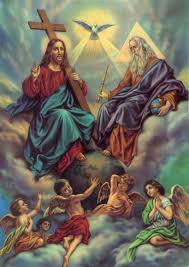
Saturday, 27 June 2015 : 12th Week of Ordinary Time, Memorial of St. Cyril of Alexandria, Bishop and Doctor of the Church (Psalm)

Liturgical Colour : Green or White (Bishops or Saturday Mass of our Lady)

Luke 1 : 46-47, 48-49, 50 and 53, 54-55

My soul proclaims the greatness of the Lord, my spirit exults in God my Saviour!

He has looked upon His servant in her lowliness, and people forever will call me blessed. The Mighty One has done great things for me, Holy is His Name!

From age to age His mercy extends to those who live in His presence. He has filled the hungry with good things, but has sent the rich away empty.

He held out His hand to Israel, His servant, for He remembered His mercy, even as He promised to our fathers, to Abraham and his descendants forever.

Saturday, 27 June 2015 : 12th Week of Ordinary Time, Memorial of St. Cyril of Alexandria, Bishop and Doctor of the Church (First Reading)

Liturgical Colour : Green or White (Bishops or Saturday Mass of our Lady)

Genesis 18 : 1-15

YHVH appeared to Abraham near the oak of Mamre. Abraham was sitting at the entrance to his tent, in the heat of the day, when he looked up and saw three men standing nearby. When he saw them he ran from the entrance of the tent to meet them.

He bowed to the ground and said, “My Lord, if I have found favour in Your sight, do not pass Your servant by. Let a little water be brought. Wash Your feet and then rest under the trees. I shall fetch some bread so that You can be refreshed and continue on Your way, since You have come to Your servant.”

They then said, “Do as you say.” Abraham hurried into the tent to Sarah and said to her, “Quick, take three measures of flour, knead it and make cakes.” Abraham then ran to the herd, took a fine, tender calf, gave it to the servant who hurried to prepare it. He took butter and milk and together with the calf he had prepared laid it all before Them.

And while he remained standing, They ate. They then asked, “Where is Sarah, your wife?” Abraham answered, “She is in the tent. And the visitor said, “At this same time next year I will return and Sarah by then will have a son.”

Now Sarah was behind Him, listening at the entrance to the tent. Abraham and Sarah were old, well on in years, and Sarah no longer had her monthly periods. Sarah laughed to herself saying, “Now that I am old and worn and my husband is an old man, am I to have this pleasure?”

YHVH said to Abraham, “Why did Sarah laugh, saying : ‘Am I really going to have a child now that I am old?’ Is there anything that is impossible for God? At this same time next year I will return and Sarah by then will have a son.”

Sarah denied saying, “I did not laugh,” for she was afraid. But He said, “You did laugh.”

Athanasian Creed : A Profession of the True Christian Faith

The Athanasian Creed by St. Athanasius of Alexandria, the courageous and zealous defender of the faith against the heretics who refused to see the truth in Christ, that He is fully divine and man, united in one person of Jesus Christ, who as the Son is equal with the Father and the Holy Spirit as the Most Holy Trinity, One God but Three Divine Persons.


Text of the Athanasian Creed:


Quicumque vult salvus esse, ante omnia opus est, ut teneat catholicam fidem: Quam nisi quisque integram inviolatamque servaverit, absque dubio in aeternum peribit.

Whosoever will be saved, before all things it is necessary that he hold the catholic faith. Which faith except every one do keep whole and undefiled; without doubt he shall perish everlastingly.


Fides autem catholica haec est: ut unum Deum in Trinitate, et Trinitatem in unitate veneremur. Neque confundentes personas, neque substantiam separantes.

And the Catholic faith is this: That we worship one God in Trinity, and Trinity in Unity; Neither confounding the Persons; nor dividing the Essence.


Alia est enim persona Patris alia Filii, alia Spiritus Sancti: Sed Patris, et Filii, et Spiritus Sancti una est divinitas, aequalis gloria, coeterna maiestas. Qualis Pater, talis Filius, talis et Spiritus Sanctus.

For there is one Person of the Father; another of the Son; and another of the Holy Ghost. But the Godhead of the Father, of the Son, and of the Holy Ghost, is all one; the Glory equal, the Majesty coeternal. Such as the Father is; such is the Son; and such is the Holy Ghost.


Increatus Pater, increatus Filius, increatus et Spiritus Sanctus. Immensus Pater, immensus Filius, immensus et Spiritus Sanctus. Aeternus Pater, aeternus Filius, aeternus et Spiritus Sanctus.

The Father uncreated; the Son uncreated; and the Holy Ghost uncreated. The Father unlimited; the Son unlimited; and the Holy Ghost unlimited. The Father eternal; the Son eternal; and the Holy Ghost eternal.


Et tamen non tres aeterni, sed unus aeternus. Sicut non tres increati, nec tres immensi, sed unus increatus, et unus immensus.

And yet they are not three eternals; but one eternal. As also there are not three uncreated; nor three infinites, but one uncreated; and one infinite.


Similiter omnipotens Pater, omnipotens Filius, omnipotens et Spiritus Sanctus. Et tamen non tres omnipotentes, sed unus omnipotens.

So likewise the Father is Almighty; the Son Almighty; and the Holy Ghost Almighty. And yet they are not three Almighties; but one Almighty.


Ita Deus Pater, Deus Filius, Deus et Spiritus Sanctus. Et tamen non tres dii, sed unus est Deus. Ita Dominus Pater, Dominus Filius, Dominus et Spiritus Sanctus. Et tamen non tres Domini, sed unus est Dominus.

So the Father is God; the Son is God; and the Holy Ghost is God. And yet they are not three Gods; but one God. So likewise the Father is Lord; the Son Lord; and the Holy Ghost Lord. And yet not three Lords; but one Lord.


Quia, sicut singillatim unamquamque personam Deum ac Dominum confiteri christiana veritate compellimur: Ita tres Deos aut tres Dominos dicere catholica religione prohibemur.

For like as we are compelled by the Christian verity; to acknowledge every Person by himself to be God and Lord; So are we forbidden by the catholic religion; to say, There are three Gods, or three Lords.


Pater a nullo est factus: nec creatus, nec genitus. Filius a Patre solo est: non factus, nec creatus, sed genitus. Spiritus Sanctus a Patre et Filio: non factus, nec creatus, nec genitus, sed procedens.

The Father is made of none; neither created, nor begotten. The Son is of the Father alone; not made, nor created; but begotten. The Holy Ghost is of the Father and of the Son; neither made, nor created, nor begotten; but proceeding.


Unus ergo Pater, non tres Patres: unus Filius, non tres Filii: unus Spiritus Sanctus, non tres Spiritus Sancti. Et in hac Trinitate nihil prius aut posterius, nihil maius aut minus: Sed totae tres personae coaeternae sibi sunt et coaequales.

So there is one Father, not three Fathers; one Son, not three Sons; one Holy Ghost, not three Holy Ghosts. And in this Trinity none is before, or after another; none is greater, or less than another. But the whole three Persons are coeternal, and coequal.


Ita, ut per omnia, sicut iam supra dictum est, et unitas in Trinitate, et Trinitas in unitate veneranda sit. Qui vult ergo salvus esse, ita de Trinitate sentiat.

So that in all things, as aforesaid; the Unity in Trinity, and the Trinity in Unity, is to be worshipped. He therefore that will be saved, let him thus think of the Trinity.


Sed necessarium est ad aeternam salutem, ut incarnationem quoque Domini nostri Iesu Christi fideliter credat. Est ergo fides recta ut credamus et confiteamur, quia Dominus noster Iesus Christus, Dei Filius, Deus pariter et homo est.

Furthermore it is necessary to everlasting salvation; that he also believe faithfully the Incarnation of our Lord Jesus Christ. For the right Faith is, that we believe and confess; that our Lord Jesus Christ, the Son of God, is God and Man.


Deus est ex substantia Patris ante saecula genitus: et homo est ex substantia matris in saeculo natus. Perfectus Deus, perfectus homo: ex anima rationali et humana carne subsistens. Aequalis Patri secundum divinitatem: minor Patre secundum humanitatem.

God, of the Essence of the Father; begotten before the worlds; and Man, of the Essence of his Mother, born in the world. Perfect God; and perfect Man, of a reasonable soul and human flesh subsisting. Equal to the Father, as touching his Godhead; and inferior to the Father as touching his Manhood.


Qui licet Deus sit et homo, non duo tamen, sed unus est Christus. Unus autem non conversione divinitatis in carnem, sed assumptione humanitatis in Deum. Unus omnino, non confusione substantiae, sed unitate personae.

Who although he is God and Man; yet he is not two, but one Christ. One; not by conversion of the Godhead into flesh; but by assumption of the Manhood by God. One altogether; not by confusion of Essence; but by unity of Person.


Nam sicut anima rationalis et caro unus est homo: ita Deus et homo unus est Christus. Qui passus est pro salute nostra: descendit ad inferos: tertia die resurrexit a mortuis.

For as the reasonable soul and flesh is one man; so God and Man is one Christ; Who suffered for our salvation; descended into hell; rose again the third day from the dead.


Ascendit ad in caelos, sedet ad dexteram Dei Patris omnipotentis. Inde venturus est judicare vivos et mortuos. Ad cujus adventum omnes homines resurgere habent cum corporibus suis; Et reddituri sunt de factis propriis rationem. Et qui bona egerunt, ibunt in vitam aeternam: qui vero mala, in ignem aeternum.

He ascended into heaven, he sitteth on the right hand of the God the Father Almighty, from whence he will come to judge the living and the dead. At whose coming all men will rise again with their bodies; And shall give account for their own works. And they that have done good shall go into life everlasting; and they that have done evil, into everlasting fire.


Haec est fides catholica, quam nisi quisque fideliter firmiterque crediderit, salvus esse non poterit.

This is the Catholic faith; which except a man believe truly and firmly, he cannot be saved.

Friday, 2 May 2014 : 2nd Week of Easter, Memorial of St. Athanasius, Bishop and Doctor of the Church (Scripture Reflections)

Liturgical Colour : White

Brothers and sisters in Christ, today we heard of the story of Jesus feeding the multitudes of five thousand people with five loaves of bread and two fishes, and in a great miracle, these few food items managed to satisfy all of them till full and with twelve baskets of leftovers just for the bread alone.

We also heard how the respected leader of the elders of Israel, the Rabbi Gamaliel, counseled patience and caution to the rest of the elders in dealing with the Apostles who were proclaiming the greatness of Christ and taught the teachings of Jesus to the people, and hence rivalling the authority of the Pharisees and the chief priests.

All that we heard today, testify to the one singular fact, that is, we have One Man who came upon us from heaven, sent with power, by the Power Himself, that is none other than Jesus, the Son of the Most High God. Today we celebrate the very nature of Christ who is Son, and who is sent by the Father and bear the power of the Holy Spirit with Him, truly the concept of a Godhead with Three distinct persons yet perfectly in unity, the Holy Trinity.

Today we celebrate also the feast of a saint, a great and holy man, whose life had been given in its entirety to defend this basic and holy truth, the fact that quite a few people of this saint’s time refuse to acknowledge and believe in, and instead they believed in the lies of Satan spread through the heretical teachings of a man called Arius, from whom the Arian heresy got its name from.

Arius and his followers denied the divinity of Christ, by teaching and speculating that the divine and human nature of Christ is separate, and that Jesus Christ who was in this world is merely human created and not equal with the Father, who is God Almighty and all-powerful. For them, it may be unthinkable that God should go through all the humiliating and not-so-good experiences that Jesus had encountered, culminating with the crucifixion and death of Jesus.

They claimed that Jesus is mere man and mere creation of God, albeit One that is special among all other creations. In essence, the view of those who adopted the Arian heresy is not much different from the views espoused by the Muslims who also stressed especially that Jesus is not God in their so-called ‘Scripture’. As such, there had been some people who deemed that the two might be related, and the two heresies might indeed had the same origin.

Nevertheless, all of them were mistaken greatly because they failed to understand the mystery and the sublime nature of God in our faith, that is so great that it begs a better understanding from us. And even with our limited wisdom and knowledge, we are not likely to be able to understand the fullness of God and His mysteries. And that is why our deposit of faith in the Sacred Tradition is so important.

For denying the divinity of Christ is in fact the same as denying the greatness of God Himself, no matter what these people do to justify their ideas and viewpoints born out of mistaken view of the Word of God. They denied the works of salvation carried out by Jesus, for they denied not just Jesus as divine, but also because of that, they denied the salvation that can be offered only by the worthy Lamb of God, Jesus Christ, whose blood made all of us pure and worthy.

If Jesus is not God as Arius and others have claimed, then we have no hope, because the blood of a man alone will not be able to atone for our sins. The blood of Christ saves us exactly because He is divine, both God and man at the same time, one divine person but having two natures, divine and man. This is what we are celebrating today’s saint for, that is in the defense of this truth about the faith, the hard work of St. Athanasius of Alexandria.

St. Athanasius of Alexandria was the Patriarch and leader of the See of Alexandria, which with Rome was the five most preeminent dioceses and centres of the Christian world at the time. St. Athanasius was a great defender of the faith, and despite the popular and provocative teachings of Arius, which brought many people to fall into heresy, he managed to hold on to the firm foundation of faith established since the Apostles, and despite opposition and ridicule by his enemies, St. Athanasius remained firm and faithful.

The hard works of St. Athanasius earned him the faith of the people and the perseverance of many in the face of heresy, and many stood strong for the Lord and did not turn towards the erroneous teachings of Arius. St. Athanasius stood strong for the Lord’s true divine and human nature, and championed the indivisibility of the Most Holy Trinity. He was truly a faithful servant, like that of the Apostles of old.

Remember, brethren, that if Jesus is not God, it will be precisely as what Gamaliel said in the first reading, that the endeavours of man will eventually perish and be gone, but if it is the endeavour of the Lord, not even the greatest force or opposition can make it go away. The Lord will triumph in glory in the end, and this is a fact that we know.

Brothers and sisters in Christ, hence, inspired by the life of St. Athanasius and his actions, shall we walk in the same way as he had walked? Shall we resolve to make a difference in the lives of our fellow men, in a way that we bring the truth of God to them? Shall we bring the light of God to our brethren who are still in darkness, and to those who have been trapped and lured in by the lies of the devil?

May God guide us in our endeavour and our actions, that in all the things that we do, we will always be faithful, strong and completely dedicated to the Lord in all of our days, and show it through our actions and deeds. God bless us all. Amen.

Friday, 2 May 2014 : 2nd Week of Easter, Memorial of St. Athanasius, Bishop and Doctor of the Church (Gospel Reading)

Liturgical Colour : White

John 6 : 1-15

After this Jesus went to the other side of the Sea of Galilee, near Tiberias, and large crowds followed Him, because of the miraculous signs they saw, when He healed the sick. So He went up into the hills and sat down there with His disciples. Now the Passover, the feast of the Jews, was at hand.

Then lifting up His eyes, Jesus saw the crowds that were coming to Him, and said to Philip, “Where shall we buy bread so that these people may eat?” He said this to test Philip, for He Himself knew what He was going to do. Philip answered Him, “Two hundred silver coins would not buy enough bread for each of them to have a piece.”

Then one of Jesus’ disciples, Andrew, Simon Peter’s brother, said, “There is a boy here who has five barley loaves and two fish; but what good are these for so many?”

Jesus said, “Make the people sit down.” There was plenty of grass there, so the people, about five thousand men, sat down. Jesus then took the loaves, gave thanks, and distributed them to those who were seated. He did the same with the fish, and gave them as much as they wanted. And when they had eaten enough, He told His disciples, “Gather up the pieces left over, that nothing may be lost.”

So they gathered them up and filled twelve baskets with bread, that is, pieces of the five barley loaves left over by those who had eaten. When the people saw the miracle which Jesus had performed, they said, “This is really the Prophet, the One who is to come into the world.”

Jesus realised that they would come and take Him by force to make Him King; so He fled to the hills by Himself.

Friday, 2 May 2014 : 2nd Week of Easter, Memorial of St. Athanasius, Bishop and Doctor of the Church (Psalm)

Liturgical Colour : White

Psalm 26 : 1, 4, 13-14

The Lord is my light and my salvation – whom shall I fear? The Lord is the rampart of my life; I will not be afraid.

One thing I ask of the Lord, one thing I seek – that I may dwell in His house all the days of my life, to gaze at His jewel and to visit His sanctuary.

I hope, I am sure, that I will see the goodness of the Lord in the land of the living. Trust in the Lord, be strong and courageous. Yes, put your hope in the Lord!

Friday, 2 May 2014 : 2nd Week of Easter, Memorial of St. Athanasius, Bishop and Doctor of the Church (First Reading)

Liturgical Colour : White

Acts 5 : 34-42

But one of the Council members, a Pharisee named Gamaliel, a teacher of the Law highly respected by the people, stood up in the Sanhedrin. He ordered the men to be taken outside for a few minutes and then he spoke to the assembly.

“Fellow Israelites, consider well what you intend to do to these men. For some time ago Theudas came forward, claiming to be somebody, and about four hundred men joined him. But he was killed and all his followers were dispersed or disappeared. After him, Judas the Galilean appeared at the time of the census and persuaded many people to follow him. But he too perished and his whole following was scattered.”

“So, in this present case, I advise you to have nothing to do with these men. Leave them alone. If their project or activity is of human origin, it will destroy itself. If, on the other hand, it is from God, you will not be able to destroy it and you may indeed find yourselves fighting against God.”

The Council let themselves be persuaded. They called in the Apostles and had them whipped, and ordered them not to speak again of Jesus Saviour. Then they set them free. The Apostles went out from the Council rejoicing that they were considered worthy to suffer disgrace for the sake of the Name.

Day after day, both in the Temple and in people’s homes, they continued to teach and to proclaim that Jesus was the Messiah.

19 Cardinals to be created at the Consistory of 22 February 2014

On Sunday, 12 January 2014, at the Angelus of the Feast of the Baptism of the Lord, Pope Francis announced that 19 new Cardinals will be created at the consistory planned to be held on the Feast of the Chair of St. Peter, 22 February 2014.


Here are the names of the new Cardinals or Cardinal-elects, and some short explanation on them :

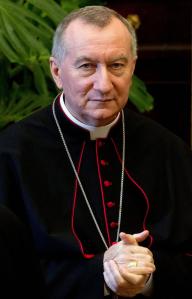
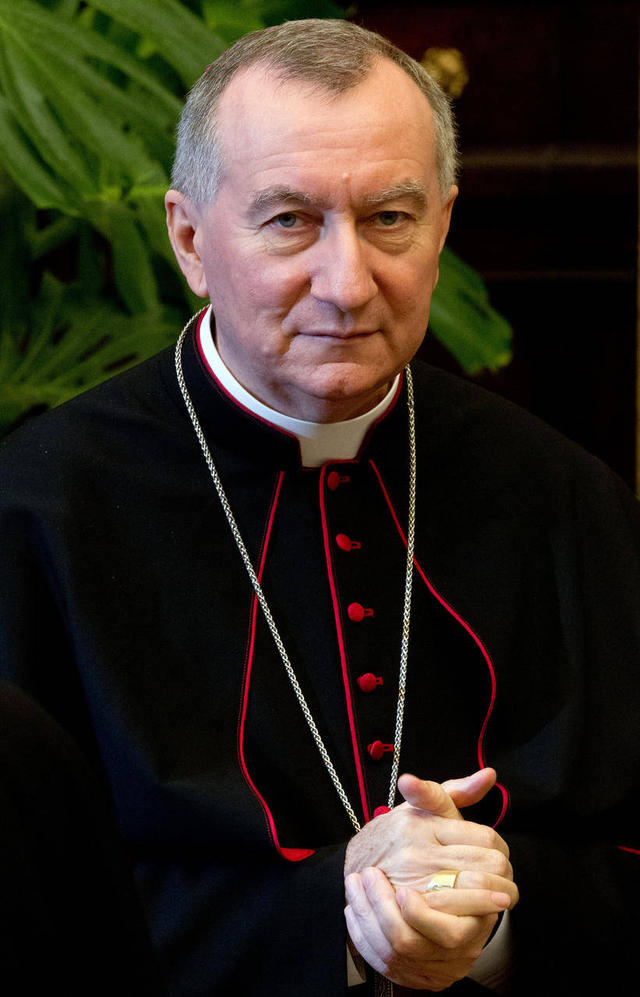
1. Archbishop Pietro Parolin, Secretary of the Secretariat of State – 58 (Age)
1272287

Being the highest position in the Church just below that of the Pope himself, Archbishop Parolin as the Secretariat of State is a certain candidate for the Cardinalate to be made at this consistory, and the position itself is explicitly stated to have to be held by a Cardinal (As Cardinal Secretary of State)


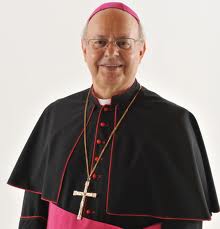
2. Archbishop Lorenzo Baldisseri, Secretary General of the Synod of Bishops – 73

images

Archbishop Lorenzo Baldisseri is also the Secretary of the College of Cardinals and therefore was the Secretary of the Conclave that elected Pope Francis on 13 March 2013.

It was reported and confirmed by sighting that the Pope had placed his own red zucchetto (skullcap) on the head of Archbishop Baldisseri, which by ancient custom (last used by Blessed Pope John XXIII on the Secretary of that time, Monsignor Alberto di Jorio in 1958) mark that the new Pope wants to bestow the red hat on the prelate. Hence, the elevation of Archbishop Baldisseri is pretty much certain.


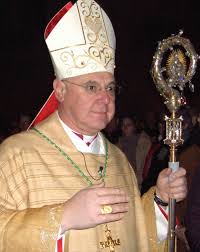
3. Archbishop Gerhard Ludwig Muller, Prefect of the Congregation for the Doctrine of the Faith – 66
Muller

As the Prefect of a Congregation, and one as important as the Congregation for the Doctrine of the Faith once held by Cardinal Joseph Ratzinger before he was elected Pope Benedict XVI in 2005, Archbishop Gerhard Ludwig Muller is a certain candidate for the Cardinalate, and sure enough, he is one of the 19 appointed.


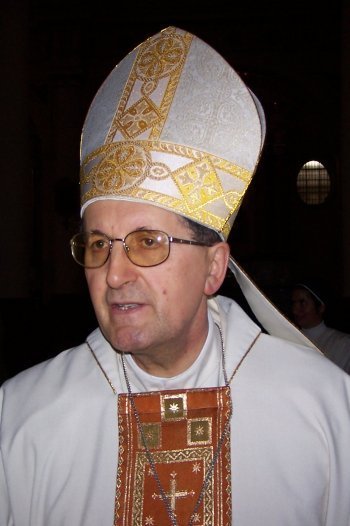
4. Archbishop Beniamino Stella, Prefect of the Congregation for Clergy – 72

Stella

Similar with Archbishop Muller, as the Prefect of an important Roman Curia Congregation, Archbishop Stella is a certain candidate for the Cardinalate, and as a recent appointee by Pope Francis, this made his elevation very certain indeed.


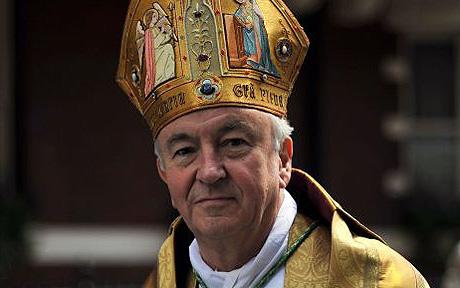
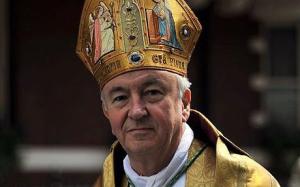
5. Archbishop Vincent Nichols, Metropolitan Archbishop of Westminster (United Kingdom) – 68
BRITAIN-RELIGION-ARCHISHOP-WESTMINSTER

With the problems that affected Cardinal Keith O’Brien early of last year and his retirement, the United Kingdom has no leading figure, which Archbishop Vincent Nichols, as the Archbishop of Westminster, the Primatial See of the United Kingdom as the obvious choice for the Cardinalate.


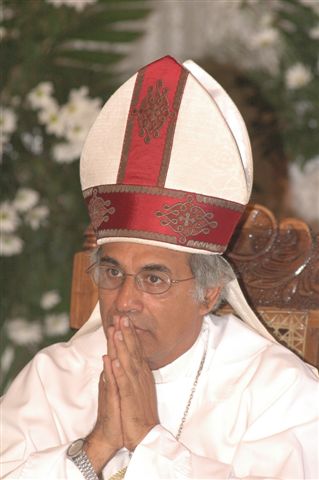
6. Archbishop Leopoldo Jose Brenes Solorzano, Metropolitan Archbishop of Managua (Nicaragua) – 64
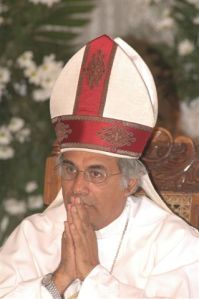
Solorzano

As his predecessor was made Cardinal in 1985, and had been 7 years as a non-elector, it was natural that Archbishop Solorzano is made a Cardinal, representing the Central American region.


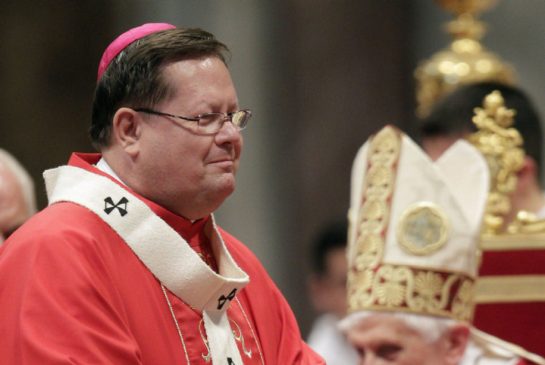
7. Archbishop Gerald Cyprien Lacroix, I.S.P.X., Metropolitan Archbishop of Quebec (Canada) – 56
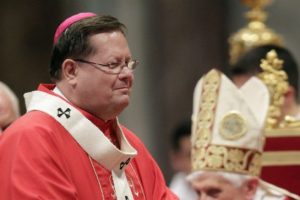
gerald_cyprien_lacroix.jpg.size.xxlarge.promo

The second youngest of the newly appointed Cardinals, as the Primate of Canada by virtue of being the Prelate of Quebec, it is natural for Archbishop Lacroix to be appointed Cardinal. His predecessor, Cardinal Marc Ouellet, is the current Prefect of the Congregation for Bishops and was a leading papabili of the 2013 Papal Conclave.


8. Archbishop Jean-Pierre Kutwa, Metropolitan Archbishop of Abidjan (Cote d’Ivoire / Ivory Coast) – 68
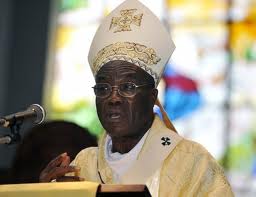
Jean-Pierre Kutwa

With two of his immediate predecessors made Cardinals in 1983 and 2001 respectively, Archbishop Kutwa had a high chance of being appointed Cardinal. His appointment is a nod to the Church in Africa, a growing community of the faithful, one with the Universal Church.


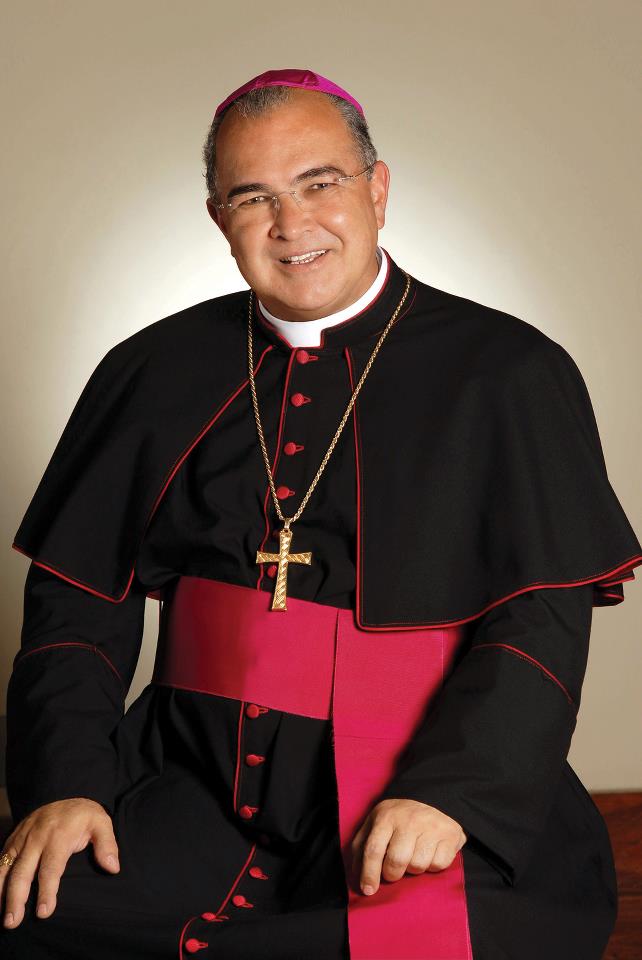
9. Archbishop Orani Joao Tempesta, O. Cist., Metropolitan Archbishop of Sao Sebastiao do Rio de Janeiro (Brazil) – 63
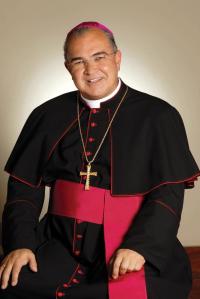
Dom Orani João Tempesta

As the head of a Cardinalatial see, with all five of his immediate predecessors made Cardinals, and with the limelight gained from the 2013 World Youth Day in Rio de Janeiro, Archbishop Tempesta is a certain candidate for the Cardinalate.


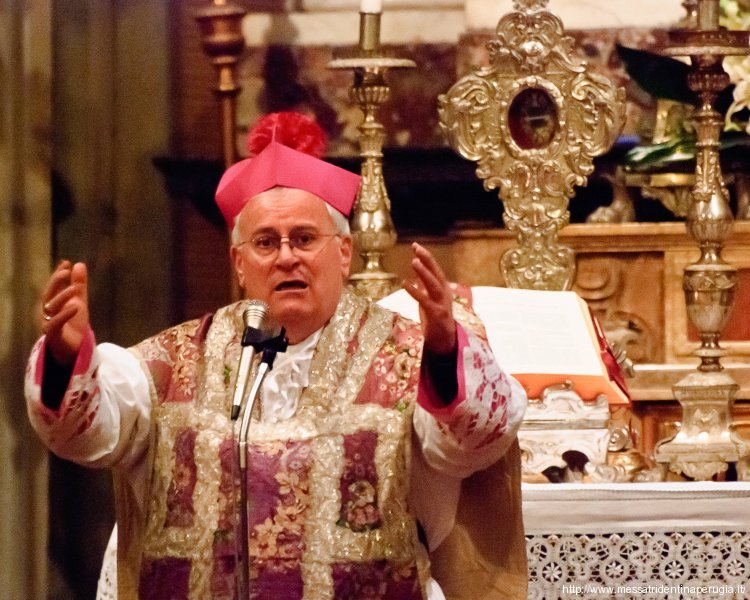
10. Archbishop Gualtiero Bassetti, Metropolitan Archbishop of Perugia-Citta della Pieve (Italy) – 71
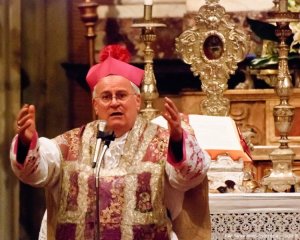
Bassetti

His long ago predecessor, Cardinal Vincenzo Gioacchino Pecci was elected Pope Leo XIII in 1878. Since then Perugia had had no Cardinal. This elevation of Archbishop Bassetti to the Cardinalate would honour the memory of Pope Leo XIII and give chance to other Italian Archdioceses to get the red hat besides the major, Cardinalate ones. Archbishop Bassetti is also known for his pastoral nature and hard work for his Archdiocese.


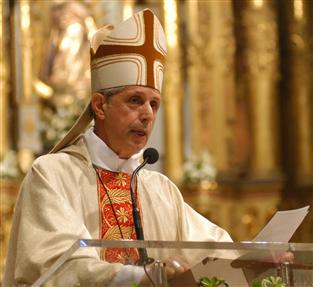
11. Archbishop Mario Aurelio Poli, Metropolitan Archbishop of Buenos Aires (Argentina) – 66
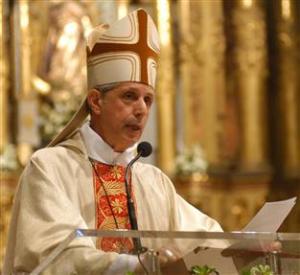
20130327134808

As the successor of Pope Francis as the Metropolitan Archbishop of Buenos Aires, Archbishop Poli is a natural and certain choice for the Cardinalate.


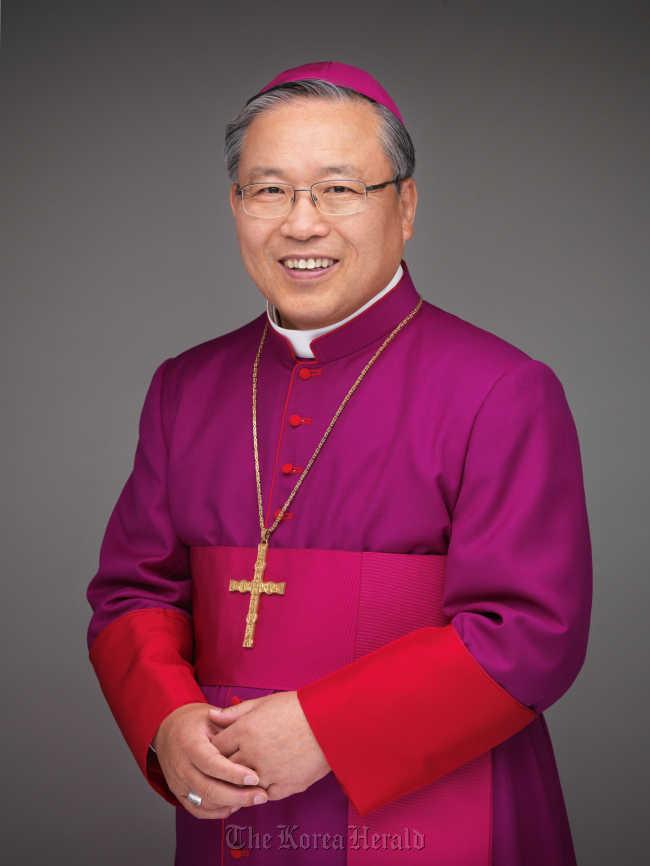
12. Archbishop Andrew Yeom Soo-jung, Metropolitan Archbishop of Seoul (South Korea) – 70
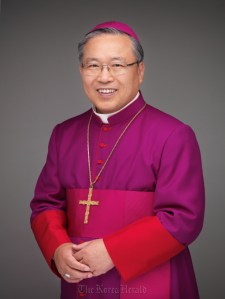
20120625000388_0

Among the three great Asian nations known for their Cardinals, namely Hong Kong (China), South Korea, and the Philippines, only South Korea at the moment has no Cardinal-elector. Hence, Archbishop Andrew Yeom is an almost confirmed choice for the Cardinalate, and indeed, he was chosen.


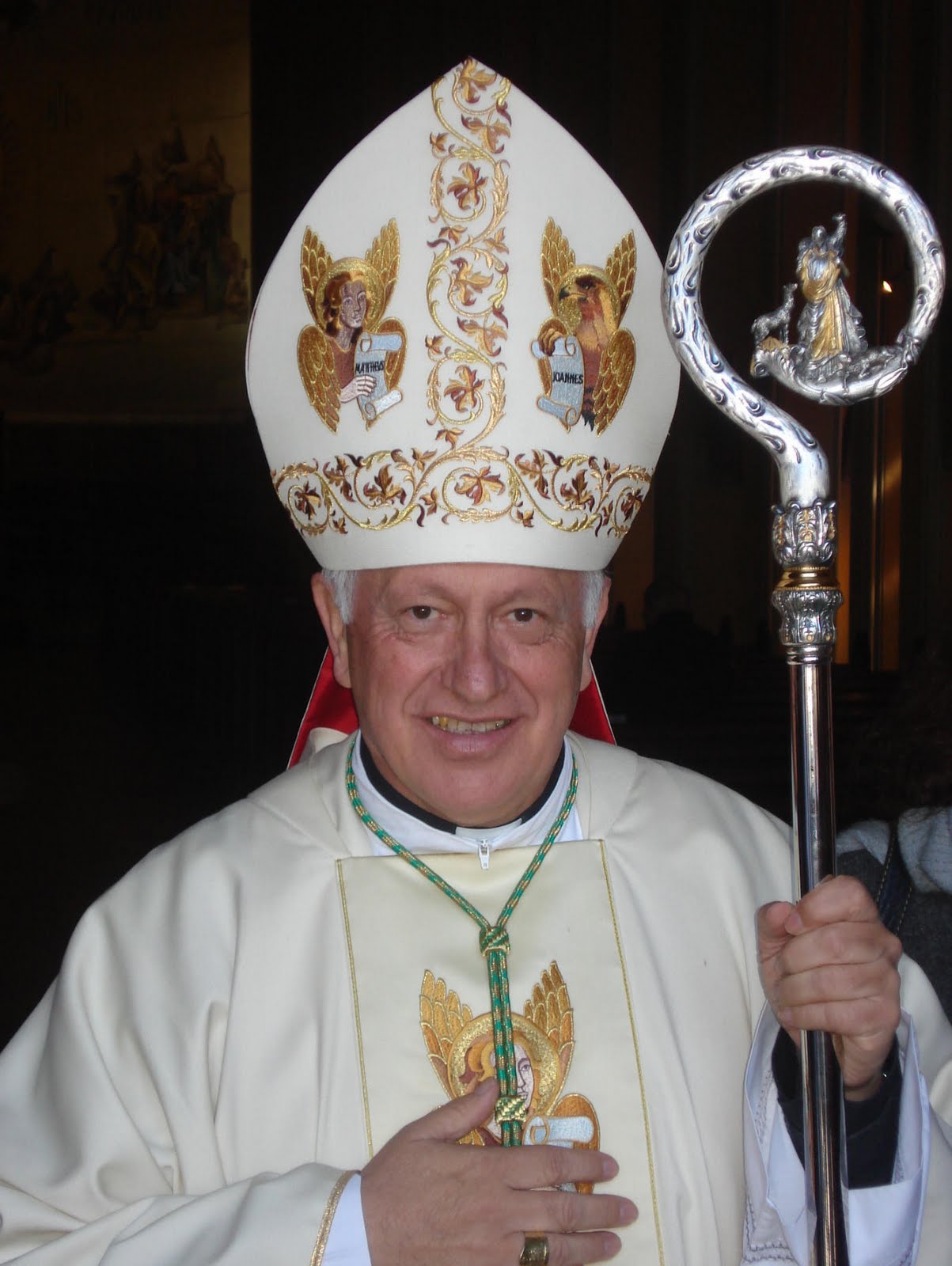
13. Archbishop Ricardo Ezzati Andrello, S.D.B., Metropolitan Archbishop of Santiago (Chile) – 72
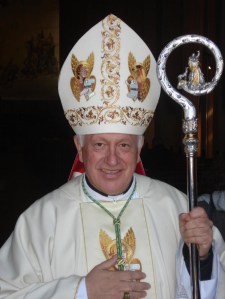
02

Another Cardinalatial see in the Latin Americas, and therefore, Archbishop Ezzati Andrello is one of the few possible choices for the Cardinalate. Another Cardinal to increase the proportion of Latin America in the Sacred College of Cardinals.


14. Archbishop Philippe Nakellentuba Ouedraogo, Metropolitan Archbishop of Ouagadougou (Burkina Faso) – 68
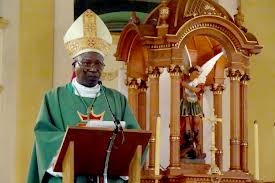
Oua

One of his predecessor was made Cardinal by Pope Paul VI in 1965, and therefore Archbishop Ouedraogo was a potential candidate for the Cardinalate for Africa region.


15. Archbishop Orlando Beltran Quevedo, O.M.I., Metropolitan Archbishop of Cotabato (Philippines) – 74
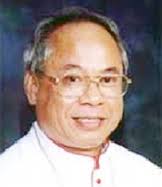
Quevedo

A rather suprising choice because Archbishop Quevedo is already 74 and therefore is just one year from the mandatory retirement age, although this may be extended towards 80, as was quite common in recent years among Asian Cardinals.

Geographically the choice made sense because the Philippines does deserve more Cardinals, and so far the Cardinalatial sees only cover the north (Manila) and central (Cebu) portions of the country. A Cardinal from the southern island of Mindanao is a good sign indeed.


16. Bishop Chibly Langlois, Bishop of Les Cayes (Haiti) – 55
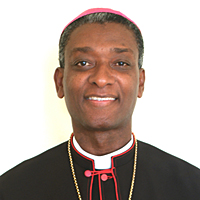
chibly_langlois

The youngest of the newly appointed Cardinals, from a relatively less important diocese in the Caribbean region. This choice is a nod both to the plight of the people of Haiti after the earthquake that happened a few years earlier, as well as the rising importance of the region to the Universal Church.


There are three Cardinal non-electors (over the age of 80) appointed in this Consistory, usually for their great and long contribution and dedication to the Church :


17. Archbishop Loris Francesco Capovilla, Archbishop-Prelate Emeritus of Loreto (Italy) – 98
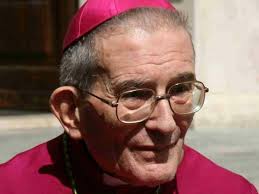
Capovilla

The oldest of the newly appointed Cardinals at 98, likely the oldest person ever appointed a Cardinal. Archbishop Capovilla was renowned for being the long-time private secretary to Blessed Pope John XXIII.

As the aforementioned Pope will be canonised this coming April, it is an obvious nod to his memory that Archbishop Capovilla, coupled with his long and dedicated service, that he is made a Cardinal.


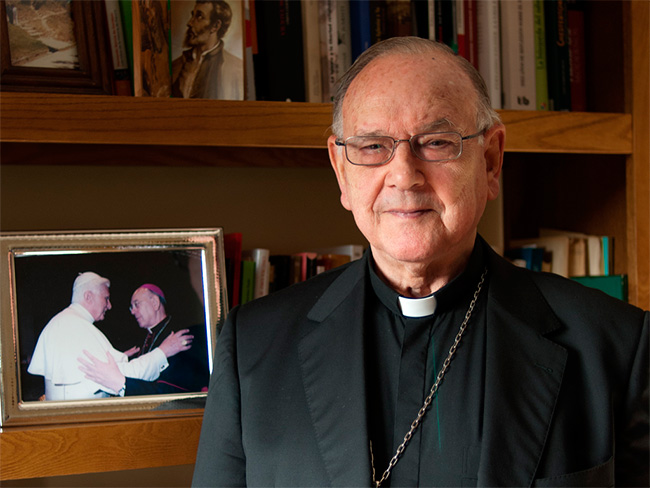
18. Archbishop Fernando Sebastian Aguilar, C.M.F., Metropolitan Archbishop Emeritus of Pamplona y Tudela (Spain) – 84

fernando-sebastian


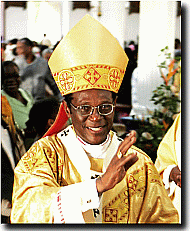
19. Archbishop Kelvin Edward Felix, Metropolitan Archbishop Emeritus of Castries (Saint Lucia) – 80
rev_felix

Another appointee for the Caribbean region, even though being over 80, it was rather honorary in nature, but nevertheless it was to highlight the importance of the New World in the Universal Church.

Cardinabili List for the Cardinal Consistory of 22 February 2014

Here is my own list of the potential candidates for the Cardinalate, to receive the red biretta in the Consistory next month.

The final list is not yet known, and while some in this list may not be chosen, it is possible all of them are chosen, and there may be even names outside this list I have compiled too. Pray for them!


Cardinal Consistory of 22 February 2014 (Feast of the Chair of St. Peter)


Almost Certain


Curia

1. Archbishop Pietro Parolin, Secretary of the Secretariat of State

2. Archbishop Beniamino Stella, Prefect of the Congregation for Clergy

3. Archbishop Gerhard Ludwig Muller, Prefect of the Congregation for the Doctrine of the Faith

4. Archbishop Lorenzo Baldisseri, Secretary General of the Synod of Bishops


Residential

5. Patriarch Francesco Moraglia, Patriarch of Venice (Italy)

6. Archbishop Mario Aurelio Poli, Metropolitan Archbishop of Buenos Aires (Argentina)


Very likely


Residential

6. Patriarch Manuel Jose Macario do Nascimento Clemente, Patriarch of Lisbon (Portugal)

7. Archbishop Vincent Nichols, Metropolitan Archbishop of Westminster (United Kingdom)

8. Archbishop Andre-Joseph Leonard, Metropolitan Archbishop of Mechelen-Brussels (Belgium)

9. Major Archbishop Sviatoslav Shevchuk, Major Archbishop of Kyiv-Halyc (Head of the Ukrainian Greek Catholic Church)

10. Archbishop Jose Serafio Palma, Metropolitan Archbishop of Cebu (Philippines)

11. Archbishop Andrew Yeom Soo-jung, Metropolitan Archbishop of Seoul (South Korea)

12. Archbishop Cyprian Kizito Lwanga, Metropolitan Archbishop of Kampala (Uganda)

13. Archbishop Odon Razanakolona, Metropolitan Archbishop of Antananarivo (Madagascar)

14. Archbishop Orani Joao Tempesta, Metropolitan Archbishop of Rio de Janeiro (Brazil)

15. Archbishop Ricardo Ezzati Andrello, S.D.B., Metropolitan Archbishop of Santiago (Chile)


Possible


Curial

16. Archbishop Jean-Louis Brugues, O.P., Head of the Vatican Secret Archives and the Vatican Apostolic Library

17. Archbishop Salvatore Fisichella, President of the Pontifical Council for the Promotion of the New Evangelisation

18. Archbishop Vincenzo Paglia, President of the Pontifical Council for the Family


Residential

19. Archbishop Charles Joseph Chaput, O.F.M. Cap., Metropolitan Archbishop of Philadelphia (USA)

20. Archbishop Rogelio Cabrera Lopez, Metropolitan Archbishop of Monterrey (Mexico)

21. Archbishop Peter Takeo Okada, Metropolitan Archbishop of Tokyo (Japan)

22. Archbishop Ignatius Suharyo Hardjoatmodjo, Metropolitan Archbishop of Jakarta (Indonesia)

23. Patriarch Ibrahim Isaac Sidrak, Patriarch of Alexandria (Head of the Coptic Catholic Church)

24. Archbishop Francis Xavier Kriengsak Kovithavanij, Metropolitan Archbishop of Bangkok (Thailand)

25. Archbishop Eustaqio Pastor Cuquejo Verga, Metropolitan Archbishop of Asuncion (Paraguay)

26. Archbishop Cesare Nosiglia, Metropolitan Archbishop of Turin (Italy)

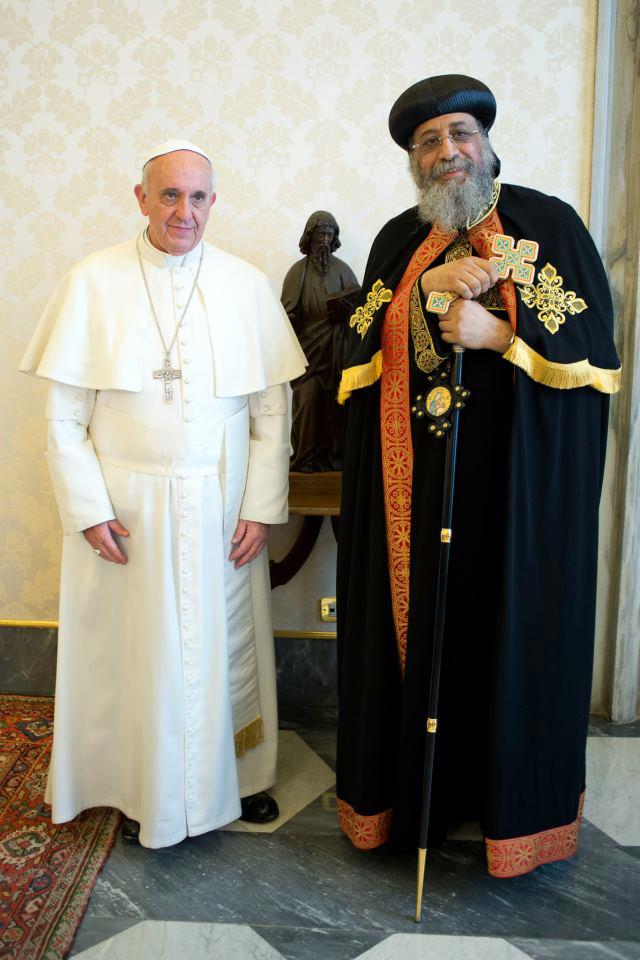
Historic visit by Pope and Patriarch of Alexandria, Pope Tawadros II to the Pope of the Church, Pope Francis

Image

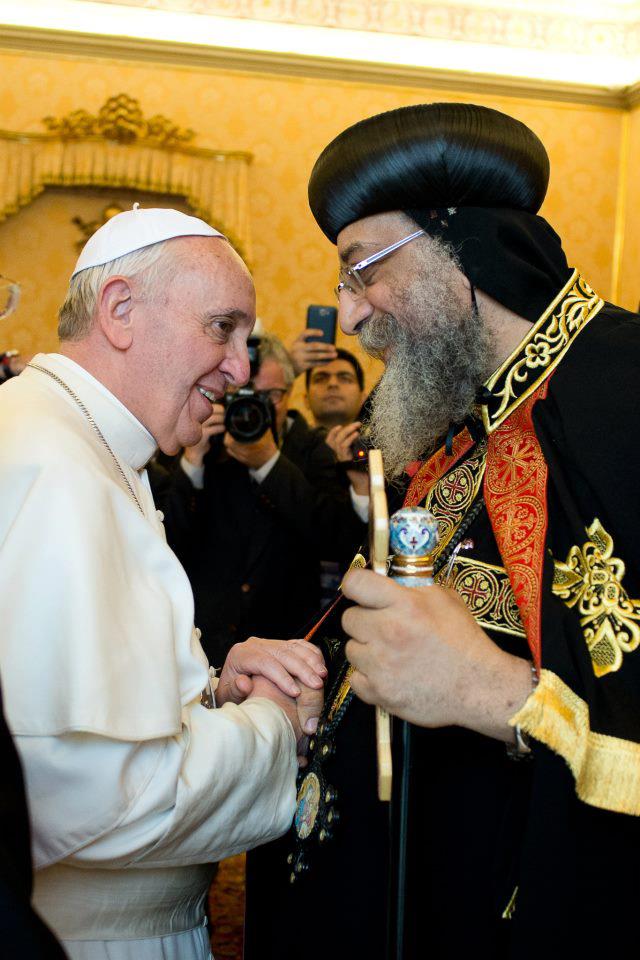
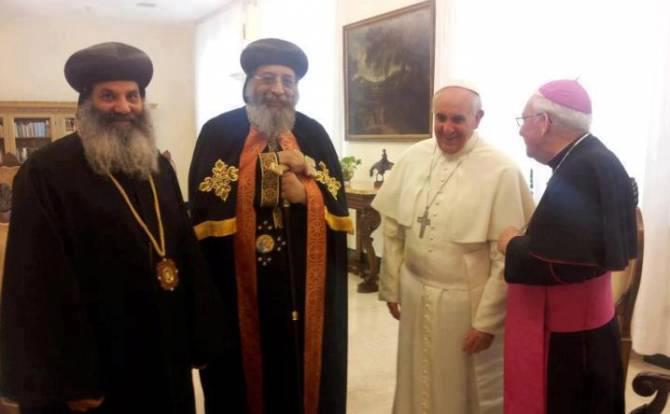
Pope Tawadros II (Theodore II) of Alexandria, the head of the Coptic Church, Successor of St. Mark the Evangelist, first Bishop of Alexandria, is visiting Rome to pay a visit to the Pope and Supreme leader of the Universal Church and Successor of St. Peter the Prince of the Apostles, Pope Francis.

Image

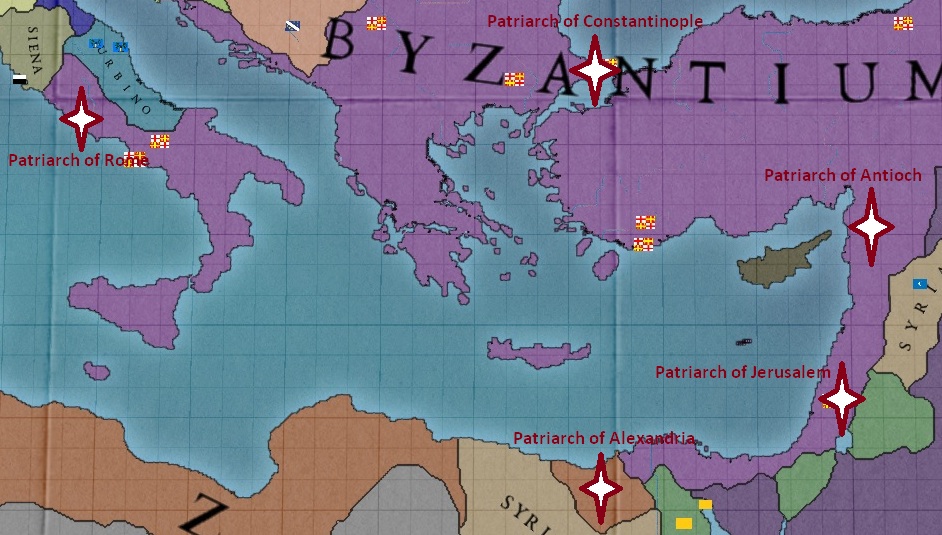
The Coptic Church is the direct descendant of the Patriarchate of Alexandria of the early Christian Pentarchy (Rome, Constantinople, Alexandria, Antioch, and Jerusalem), which broke apart from Rome and the Universal Church due to the disagreement in the Council of Chalcedon of 451, on the true nature of Christ.

Image

This disagreement is more due to misunderstanding in the nature of God, whether Christ’s human and divine persona is distinct or mixed. The initial term for non-Chalcedonians is monophysites, which is a heresy stating that both persona are mixed and indistinguishable. In fact, the Coptics and the other non-Chalcedonians in fact adopt miaphysitism, which while distinguishing the human and divine nature of Christ, but also acknowledge the mystery of the relationship between the two persona.

Image

Pope Tawadros II visits Rome in conjunction with the historic first meeting between the two Popes of Rome and Alexandria in 1973 by Pope Shenouda III, Pope Tawadros II’s predecessor, and Pope Paul VI. During that meeting a historic joint declaration of faith and friendship was announced and declared between the two Churches of God.

Image

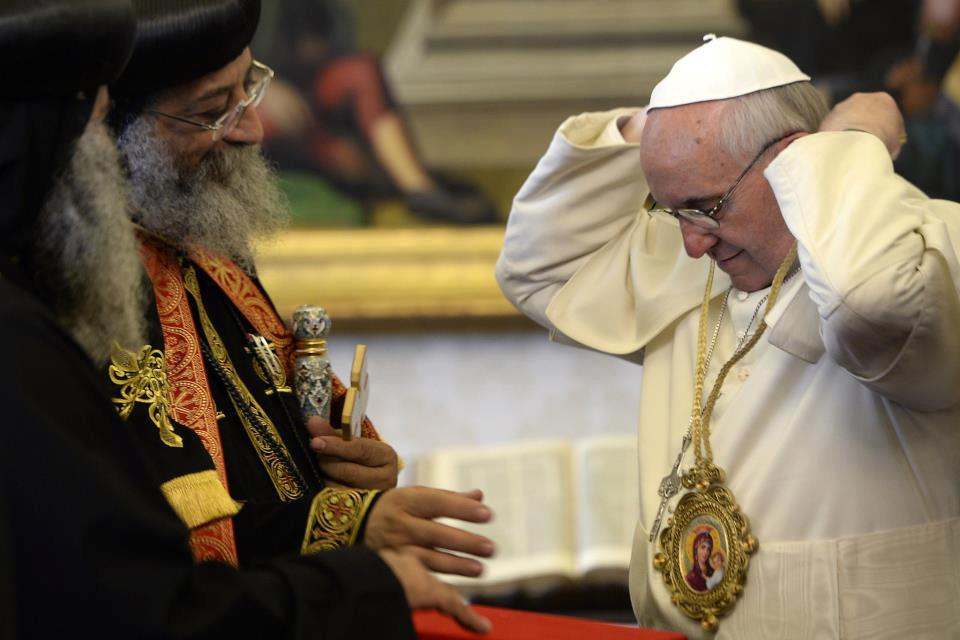
Pope Francis received a gift of an engolpion, which is a form of imagery in medallion, which is worn in the same way as pectoral cross, which are worn by the bishops of the Eastern Rite.

Image

We hope that all Christians, with the Copts and the Orthodox Churches can be reunited once again with the true and only Church, that is the Church of God, as one Body, indivisible by men and worldly ambitions, in the One, Holy, Roman, Catholic, and Apostolic Church.


Pray always for Christian Unity. That we are One, just as Christ our Lord and the Father in heaven are One.


Ut Omnes Unum Sint, ad Maiorem Dei Gloriam

(That they all may be One, for the greater glory of God)