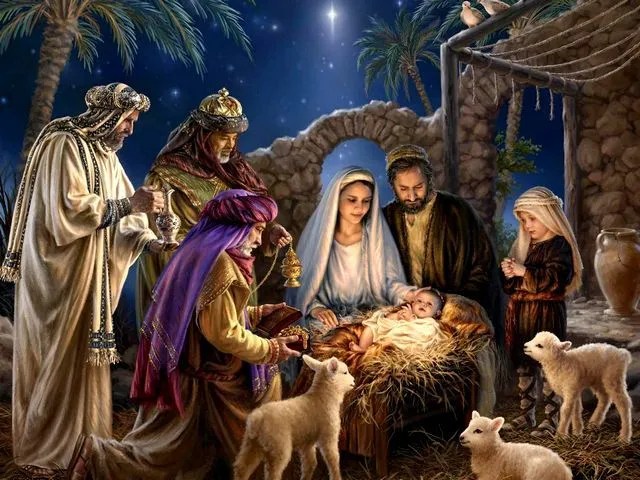
Sunday, 14 February 2021 : Sixth Sunday of Ordinary Time (Homily and Scripture Reflections)

Liturgical Colour : Green

Dear brothers and sisters in Christ, this Sunday all of us are called to focus our attention on the Lord and His love for us that He was willing to reach out to us and to rescue us from our deepest troubles and predicaments, to lead us out of the abyss and deliver us from the sufferings we experienced due to sin. And we are all called as Christians to reflect on what our faith truly means for us.

In our first reading today from the Book of Leviticus, Moses revealed to the people of Israel the laws and rules of the Lord, which he delivered to them and asked them to keep in their hearts and minds, and to pass them on from time to time, as they journeyed from the land of Egypt to the Promised Land of Canaan. And today we focus in particular on the laws regarding the treatment of those who suffered from leprosy, what to be done with them.

At that time, the cause for leprosy was not well known, and the disease was often misunderstood. Leprosy is actually caused by bacterial infection that can be spread through direct contact, either with the other person or with the items that the infected person has been using or wearing. Although leprosy was not particularly infectious and it was actually not easy to contract leprosy unless through frequent contact, but we must then understand the context of the circumstances of the Exodus.

During the Exodus, the Israelites journeyed through the desert and stayed together in a close-knit community due to the harsh desert conditions of the Sinai desert and the other places they journeyed through. As a result, the density of the population within the community was likely quite high and people lived in close contact with each other regularly. And as it was in the desert, where water was scarce and although the Lord did provide water for the people to drink, but it was likely that hygiene might have been a problem for the people then.

As a result, the Law was very strict with regards to leprosy, as an outbreak of leprosy could be dangerous at the time when the people were living in such close proximity. Since leprosy is also a slow-acting and chronic infection that slowly affected those who were infected, allowing the people who got leprosy to roam around freely in the close-knit community could be harmful to the greater community. Hence, those afflicted with leprosy, which showed its symptoms quite clearly, had to stay outside the community until they could prove that they were freed from the leprosy.

Now, brothers and sisters in Christ, what is the significance of this focus on leprosy that we have heard today? In our Gospel passage today we also heard the Lord healing a man who had been afflicted with leprosy. Until that time, over a thousand years after the Law was first revealed by Moses, the rules and traditions of the Law had been preserved and passed down for so long that the original meaning and intention, the context and appreciation of the reason of those rules had been forgotten.

That is why many of the rules and regulations enforced by the Pharisees and the teachers of the Law were often opposed by the Lord, Who came to straighten up the truth and to reveal the true meaning and intention of the Law. He wanted all of us to know that God was not some distant, angry and wrathful God Who demanded total obedience and submission from the people, but rather, a caring and compassionate, most loving and generous God Who will bless all of us and Who seeks to be reconciled with us.

And this is where we then look again at how leprosy had been dangerous for the people back then, and how it affected them, slowly ‘eating’ through their bodies and making them to lose their body parts in time unless they could get the leprosy cured. When the man who had leprosy came to the Lord asking for Him to heal him, certainly he had been suffering and had great predicaments and troubles, being excluded and shut out for his condition. The Lord healed the man and made him good and whole again.

This, brothers and sisters in Christ, is in fact very symbolic of what the Lord Himself would do for our sake, in healing us from another ‘leprosy’ which is far more dangerous than the worldly leprosy. What am I referring to, brothers and sisters in Christ, is the leprosy of the soul, which is sin. Yes, sin is like that of leprosy, a disease and corruption that is even far more dangerous than the bodily leprosy. Why is that? That is because while leprosy only affects the body, sin affects everything, our every aspects of life.

And while leprosy could still be cured, and like how it has been largely eradicated today due to the advance of modern medicine and better hygiene practices, but there is nothing that can be done with regards to sin. Only God alone can forgive us our sins and heal us from its corruptions. That is why, as the Lord came and approached the man suffering from leprosy, not only that He showed us His power to heal earthly diseases, but He also revealed to us how He would also forgive us our sins.

In another miraculous occasion, the Lord healed a paralytic man and said to the man, ‘Your sins are forgiven’, the Pharisees and the teachers of the Law immediately made issue with this statement. Yet, the Lord was speaking the truth, that He indeed had the authority to forgive us our sins, and therefore heal us from this leprosy that is eating up on all of us, afflicting us and leading us down the path of suffering.

Now, what matters is whether we are willing to let Him to touch us and heal us, as He did with the man suffering from the physical leprosy. The man who suffered from leprosy wanted to be healed and he also had faith in the Lord. Hence, he was healed and made whole, and happily he went to see the priest so that he could be readmitted into the greater community, no longer exiled and cast out due to his condition.

Sin has also made us to be exiled and cast out, brothers and sisters in Christ, and this is why again it is often referred to as the ‘leprosy of our souls’. It was due to sin that we have been cast out from the Gardens of Eden, separated from God and the fullness of His grace and blessings. Sin corrupted us and made us to be unworthy to stand in God’s presence. We should have fallen into eternal damnation and share the fate of the devil and all of his fellow fallen angels, condemned for eternity if not for the love that God has for us.

God sent us nothing less than the best gift of all, in Jesus Christ, Our Lord and Saviour, through Whom we have been given the sure promise of salvation and healing from our sins, which He alone can heal and forgive. And He generously showed us this forgiveness and compassion, as He gathered to Himself all of our sins, bearing them down upon Himself, on His Cross that He carried up to Calvary. And by dying for us on the Cross, He offered Himself as the perfect offering for our sins, to absolve us from all those combined sins we have committed.

Brothers and sisters in Christ, each and every one of us as Christians are called to reflect on how fortunate and blessed we are to have received God’s truth, and how fortunate we are to have been loved in such a way by the Lord, so generous with His love and so patient in always trying to reach out to us and to forgive us when we seek Him with a heart full of contrition and regret for our many committed sins, as well as the sins of omission that we have had with us.

Have we taken God’s love for granted, and ignored His great love and the great patience He had in dealing with us? Let us not disregard our loving Father’s call for us to Him anymore, and let us respond to Him with a genuine desire to commit ourselves to Him, rejecting all the temptations to sin and to disobey against His laws and commandments.

Let us realise that in God alone we can fully put our trust and be made whole, healed and liberated from all the sins that have held us down and kept us away from the true happiness that can be found with God and Him alone. And as Christians, we should be inspirations and examples to each other in the way we live our lives, filled with faith and virtue, trust in God and righteousness that all who see us and interact with us, may also come to know God through us.

May the Lord remind us always of His love and compassion, His care and dedication towards us that we too may grow in our faith and dedication towards Him, and that we may strive well against the many temptations and pressures that try to keep us away from God and His path. May the Lord be with us always, and may He guide us all into life everlasting in Him, and make us all His exemplary and faithful disciples before all the peoples of all the nations. God bless us all, now and always. Amen.

Sunday, 7 February 2021 : Fifth Sunday of Ordinary Time (Homily and Scripture Reflections)

Liturgical Colour : Green

Dear brothers and sisters in Christ, this Sunday all of us are called to focus on the love and merciful compassion by which the Lord has shown to each and every one of us, the healing and the wonders He has brought upon us, to our darkened world and wretched state of life. All of us have been so fortunate to have been so beloved by God, and we should really be thankful for all that He had done for us.

In our first reading today, we heard of the reading from the Book of Job in which Job, the servant of God well-known to us for his many unfortunate sufferings, lamented his fate and his misery, all that he had endured due to the test and attacks of the devil who wanted to show God that he could lure this faithful man of God through the many trials and sufferings that he had to endure, all the losses he had received, the humiliation he got.

Yet in the darkest of moments, Job remained faithful to God and did not blame God for all of his misfortunes. Instead, he blamed himself and the circumstances for having placed him in such a predicament, lamenting and wondering why he had to live on and persevere through amidst those difficult moments. But he still kept the faith and held fast to the assurance in God, and he did not fall completely into despair.

This is then we heard afterwards the Psalm used this Sunday, that certainly sounded like a great relief after all the sorrowful and despair-filled words of the Book of Job. The Psalm chosen for this Sunday is filled with messages of hope, of deliverance and salvation, of how God saved His people and restored them all from their fallen state. This was referred to when the Lord rebuilt Jerusalem and brought back the people from their exile, a reference to the Lord’s fulfilled promise that He would not abandon them to their enemies and suffering.

Contextually, the people of Israel had suffered humiliation and great suffering when they were banished from their lands, evicted and forced to endure bitter humiliation when the Assyrians and the Babylonians came over and crushed them, destroyed their cities and conquered their lands. The Temple of God, the centrepiece and heart of the people’s worship and God’s dwelling among His people was destroyed.

Yet, amidst all of that, the Lord promised and reassured His people, the remnants of those who were still faithful to Him, and He fulfilled that promise, restoring the people their lands and the Temple of God was rebuilt and reconsecrated to God. He renewed the Covenant He had made with them and blessed them once again. This was exactly the same as what He did to Job at the end of his sufferings.

God praised Job for his faith and for remaining in His side despite all the efforts the devil had placed in trying to subvert him and putting him against God, hoping that Job would blame God for all of his misfortunes. Job remained true to the Lord to the very end, and although God did chastise him for having doubts and for his despair, but God blessed Job wonderfully and restored all that he had once lost and even gave him double and more of what he had.

It was often said by biblical scholars and historians that Job might not have been a real person, but a metaphor and representation of the people of God. Nonetheless, whether Job was real or not, what was true is that God saved His people, freed them from their troubles and healed them from their sickness, imperfections and shortcomings, and led them into a new life and existence, blessed and filled with His wonderful grace.

God has always cared for all of us even when we have constantly and consistently been disobedient and difficult to handle, like those wayward children who preferred to do things their way and refused to obey their parents. Yet, the Lord was like a patient Father, Who indeed as our loving Father genuinely cared for us despite our rebellion and sins, and wished for us to be saved, to be free from our bondage to sin and to be healed from our corruptions due to those sins and disobedience.

That was why He has given us Jesus, His only Begotten and Most Beloved Son, to be our Saviour, just as we have heard the Lord Himself performing His wonders and miracles in our Gospel passage today, in how He had pity and mercy on all those who came to Him, seeking Him for consolation, healing and guidance. The Lord touched them all, their lives and their hearts and minds, and healed them in body and soul.

And as we heard in that same Gospel passage, the Lord did not allow Himself to be swayed by pride, ambition and desire, for glory or for renown, for wealth or for any other worldly causes. When the disciples came to Him saying that many people were looking for Him and were waiting for Him, He told all of them that they had to move on to other places, for He was sent into the world for all mankind. He would not dwell in a place for long and be tempted by ambition and glory.

The Lord instead devoted Himself and His ministry in reaching out to the marginalised and the poor, those who were often ignored and abandoned, overlooked and forgotten. Do not forget, brothers and sisters in Christ, that the Lord Himself has shown His love and compassion to us, when we were still sinners and He still shows the same compassion and love to us even now when we ourselves are still testing His patience, refusing to follow Him and believe in Him.

When we were in the worst of conditions like Job and the people of Israel were, He did not forget about us, but journeyed with us and showed us the way forward, even when that path forward may indeed be littered with many trials and challenges. God’s love has been made so apparent before us, in the person of Jesus Christ our Lord and Saviour, Who has made Himself available and approachable to all, bridging the gap between us and God, leading us down the path of reconciliation.

When St. Paul in his Epistle to the Corinthians, our second reading today, spoke of the phrase of ‘becoming all things to all people’ and in becoming the ‘slave of everyone else’ he was in fact following in the footsteps of the Lord Himself, Who has made Himself all things to all of us. He has given everything for us, even His life and suffered for us, willingly enduring the punishments meant for us, all so that we can be saved and will not perish due to our sins.

What can we all learn from these then, brothers and sisters in Christ? First of all, we must not allow despair, fear or doubt to cloud our judgment and vision of the path ahead. We need to have faith in God and wholeheartedly believe in Him just like what Job had done, and we need to have more faith and trust in Him, and be more hopeful no matter how difficult things may be for us. Of course, this is easier said than done, but we have to remember that no matter what, the Lord is always by our side, supporting us.

And then, we should also remember that as Christians all of us are called to be ‘all things to all people’ that is to make ourselves available to others, and to show our love to those who need it, those who are unloved and without hope. During this period of the pandemic, when the world are still reeling from its effects and from all the associated problems, it takes great courage for us as Christians to be the bearers of God’s light and hope, to inspire and to touch the lives of others positively. And even when we ourselves are suffering, we can still be happy and show that smile to others who have even lesser or no happiness at all.

Are we willing and able to do that, brothers and sisters in Christ? Are we willing to follow in the Lord’s example and the inspiration showed by His innumerable saints, our holy predecessors in faith? Let us all discern this carefully today, brothers and sisters, and see in what way that each and every one of us can contribute, in reaching out to our fellow men and women, especially those who may have been downtrodden, sorrowful and without hope.

Let us all be genuine witnesses of the Lord in our daily living and at every single moments of our lives, that our every actions, words and deeds will glorify God and reveal His love and truth to even more people, that more and more will be saved and share in the joy and the true happiness found in the Lord, our loving God alone. May God bless us all and our good efforts and endeavours, now and always. Amen.

Sunday, 31 January 2021 : Fourth Sunday of Ordinary Time (Homily and Scripture Reflections)

Liturgical Colour : Green

Dear brothers and sisters in Christ, this Sunday as we listened to the readings of the Sacred Scripture, we are all presented with the assurance from God that if we focus our attention on Him, put our faith in Him and entrust ourselves to Him, in the end we have nothing to worry about, and we should not allow worldly concerns and temptations to distract us, or worse still, drag us away from the path towards redemption.

In order to understand properly the readings of the Scripture today, which may not be so easily evident and understandable, we have to understand first the context of how they were written and recorded. First of all, regarding the first reading from the Book of Deuteronomy in which Moses addressed the people of Israel and promised them the coming of the great Prophet that would come from their midst, he was in fact speaking about the future coming of Christ.

Why is that so? That is because, Christ, our Lord and Saviour was born among the Israelites, as the Heir of king David no less, and He was the One promised by the Lord and prophesied by the many prophets, and that included even Moses and his proclamation, that even all those years ago, before the Israelites even reached the Promised Land and established themselves, God had begun to reveal His plan of salvation to them.

And most importantly, as we heard in our Psalm today as well, the mention of Massah and Meribah was significant as these two places were especially infamous in the history of the Exodus, as it was at Massah and Meribah that the people of God explicitly rebelled against the Lord and refused to obey Him, complaining that they did not have enough to eat and how their lives as slaves back in Egypt were better than when they were then at, in the desert.

All of these happened even though the Lord had generously taken very good care of them, providing them with food to eat, with the manna from heaven and the flocks of large birds daily along the entire journey, as well as water to drink in the middle of the mostly dry, barren and lifeless desert. The Lord had loved His people very much, and yet they had rejected Him and rose up against Him, again and again.

We also heard Moses mentioning about Mount Horeb, the place where the Israelites had come to gather and make a Covenant between them and God. That was also the place where God established His Law and gave them the Ten Commandments through Moses. However, I am sure we also remember how at that very moment, the Israelites had also distrusted the Lord yet another time, when they turned to a golden calf idol as they thought that the Lord had abandoned them when Moses went up the mountain for forty days to receive God’s Law.

We have seen how faithless the people of God had been, many times throughout their history, even through the relatively short period of the Exodus. Many of those were caused by their failure to resist the temptations and pressure to crave the desires of the world, the temptations of pleasures and money, the desires of the flesh among many other things. That was why they turned away from God.

Finally, in our Gospel passage today we heard the Lord Jesus, His works and preaching, as the fulfilment of God’s promises and the One Whom Moses and the other prophets had mentioned. And when men possessed by the evil spirits came to Him, the evil spirits even recognised the Lord and proclaimed Him as the Holy One of God, the Son of God and Saviour of the world. And the irony is how those evil spirits recognised and proclaimed the Lord when many among the people to whom the Lord had taught and performed miracles still refused to believe in Him and doubted Him.

Brothers and sisters in Christ, therefore today, as we listened through the Scripture passages, we are all called to reflect on the nature and importance of our faith in our daily lives. Have we been truly faithful to God and have we trusted Him wholly all these time? These are some things that we really should spend time pondering on, and we need to consider how we can grow ever more in our faith and commitment.

Brothers and sisters in Christ, as we continue to progress in life, let us all be exemplary in our actions and in how we reach out to one another, to share our faith with our fellow brothers and sisters. If we ourselves have not been truly faithful then how can we expect others to be faithful as well? The Lord is calling on all of us to turn towards Him with faith, and to be true and genuine witnesses of our Christian faith, our belief in Our Lord Jesus Christ, the Saviour of all.

Let us all be filled with God’s grace and love; and let us do our best in our every moments in life to lead one another towards the salvation in God. May the Lord give us the strength and the courage to continue walking ever more faithfully in His path from now on. May He bless all of our works and our interactions, that we may call ever more souls from the darkness of this world and into the eternal light and glory in God. Amen.

Sunday, 24 January 2021 : Third Sunday of Ordinary Time, Sunday of the Word of God, Week of Prayer for Christian Unity (Homily and Scripture Reflections)

Liturgical Colour : Green

Dear brothers and sisters in Christ, on this Sunday which is the Third Sunday of Ordinary Time we also mark the occasion of the Sunday of the Word of God, and this year we celebrate the second time this occasion of the Sunday of the Word of God, after our Holy Father, Pope Francis instituted it in his Apostolic Letter Aperuit Illis on 30 September 2019.

This institution of the Sunday of the Word of God is an important reminder for all of us that the Sacred Scriptures, in which is contained the very Word of God, and which is the Word of God itself, is very important and central in our Christian faith and living. We cannot be true Christians unless we appreciate, understand and internalise the Word of God into our hearts and live our lives according to it.

Why is it important then that we appreciate, understand and internalise the Word of God in our lives, brothers and sisters in Christ? That is because if we do not know what the Word of God is, then how can we say that we know about our Christian faith? Our faith is more than just attending the Mass and doing our various devotions. Unless we deepen our understanding of the Word of God, then it will be difficult for us to remain faithful to God.

What do I mean by this? It means that without the Word of God in our lives, then our faith will be just like a house built on weak foundation, just as the Lord’s parable on the two houses, one built on sand and the other built on a firm rock foundation had illustrated this. If we do not know of this parable, or any other parables, or any other words of the Lord, the sayings of the prophets and the Apostles, then it shows just how lacking our knowledge and understanding of the Scriptures are.

Many people have criticised and spoken about us as Catholics that have not enough or appreciable knowledge about the Scriptures. Regardless of the context and intention, the sad reality is that this is the truth for quite a few of us. However, this problem in fact also extends to all Christians, regardless of denomination, for knowing the Scriptures also often does not equate to understanding the Word of God.

Take for example the Pharisees and the teachers of the Law. These people were very knowledgeable about the Torah and could probably have memorised the entire verses of the Old Testament, the sayings of the prophets, and even learnt it all by heart. However, they did not understand fully the meaning of those words and the intention of those Word of God, and ended up making their own interpretations and following the flawed understanding of the Law, which made them to oppose much of the good works of God.

Therefore, in a similar way, unless we really make the effort to understand and internalise the Word of God into our lives, and learn of the true meaning, intention and purpose of God’s words, then it will be difficult for us to live a truly Christian way of life. And we cannot do this unless we make the effort to bring the Word of God, the Sacred Scriptures into our lives, by spending time to read and reflect on them.

We must appreciate the fact that the Word of God is now so easily and readily available to us because in the past, there was no such thing as a printed Bible available for every single Christians and for the multitudes of the people. The Bible is easily one of the most if not the most printed literary work out there, and it is all the more special because the Bible is itself, the Word of God contained through the revelations of the prophets, the authors and the Apostles inspired by the Holy Spirit.

However, we also have to keep in mind that while first of all of course we must make the effort to read the Scriptures and spend time to know more about the contents of the Bible, the Word of God, we must also understand it properly and meaningfully. Otherwise, we will end up like the Pharisees and the teachers of the Law, who misinterpreted the Word of God and the Law, and like the many people who had fallen into various heresies in the history of the Church.

It is very easy for us to misunderstand the true purpose and meaning of God’s words, just as Satan himself showed us during his temptation of the Lord Jesus, when he tried to use the verses of the Scripture and twisting its meaning and intention in order to try to persuade the Lord to fall into temptation and stop His works in saving us all mankind. But the Lord immediately rebuked the devil with other words of the Scriptures and defeated him, while revealing the wickedness of the devil’s intentions.

That is why, brothers and sisters in Christ, today as we celebrate the Sunday of the Word of God, we are reminded of the gravity of our responsibility as Christians, first of all to familiarise ourselves with the Word of God, and there is no better way to do that than to read the Scriptures and spend quality time in reading through the words written about the works of the Lord among His people, and the truth that He has revealed to us through Christ, Our Lord and Saviour.

However, we cannot just read the Scriptures separately on their own, or else, we may end up misinterpreting, misunderstanding and even worse still misusing the words of the Scriptures for the wrong purposes and intentions. Throughout history, that was how many different heretical sects had caused so much division within the Church and caused bitter struggle between the members of the faithful people of God.

That is why, all of us need to adhere closely to the teachings of the Church, the Magisterium of the Church, through which the Lord has preserved the truth that was contained within our Christian faith, as passed on to us through the Apostles and their successors. That was how the Church has persisted and persevered in maintaining the truth of God despite all the divisions and heresies that had happened throughout the past two millennia.

We must remember that the Sacred Scriptures and the Sacred Traditions of the Magisterium of the Church are the two important pillars of our faith, and they cannot be separated from each other. The Sacred Scriptures themselves came about by the authority of the Church and the Magisterium, who deliberated and decided on the list of the books and portions considered as ‘Canonical’, while rejecting many others of dubious origins and quality, or incoherent in its message.

At the same time, the Church and its Magisterium must remain true and faithful to the truth contained within the Word of God, the revelation of truth by Christ Himself, the Logos, the Divine Word Incarnate. Thus, both the Sacred Scriptures and the teachings of the Church together become the pillar and foundation of support for our genuine and authentic Christian faith and expression.

Now, brothers and sisters in Christ, through what we have heard in today’s Scripture readings we can clearly see how each and every one of us as Christians are called to follow the Lord and to be His true disciples and faithful witnesses in our respective communities, much as the prophet Jonah was sent to the people of Nineveh, calling on all to repent and turn back towards God.

All of us are the parts of the Church and therefore, we share in its mission to bring forth the truth and the Word of God to all the peoples of all the nations, following in the footsteps of the Apostles that the Lord had called and chosen. By our baptism, we too have been called and chosen to the same purpose and ministry. If we think then that we are unworthy or incapable of such deeds, then we need to realise that it is God Who makes us worthy, and as long as we trust in Him and put our faith in Him, then we have nothing to worry about.

And we do not need to do great and mighty things, as even the smallest and seemingly least significant of actions are what it takes for us to contribute to the cause of the Lord and His Church. Each and every one of us should therefore deepen our understanding and appreciation of the Word of God in the Scriptures, and make the effort to know more about the teachings of the Church, so that we will uphold the two pillars of our faith.

Through all these, we shall be true disciples and followers of the Lord, and by our actions and examples, we can inspire one another and so many other people, and through us, the Lord shall call many more to follow Him. Let us all therefore be the bearers and witnesses of God’s truth and be filled with the Word of God in all of our lives, in each and every one of our actions, now and always.

May God, the Divine Word Incarnate, Who has revealed to us His truth and love, continue to guide us and be with us always, and may He bless us all in our every good works and endeavours, in proclaiming His Word through our lives and actions. May God be with us all. Amen.

Sunday, 17 January 2021 : Second Sunday of Ordinary Time (Homily and Scripture Reflections)

Liturgical Colour : Green

Dear brothers and sisters in Christ, this Sunday as we celebrate the Second Sunday of Ordinary Time, all of us heard the words of the Lord through the Sacred Scriptures reminding us that all of us have been called and chosen by Him and we are all called to respond to His call for us to follow Him and to be His disciples. And this is in essence, what it truly means for us to be Christians, that we devote ourselves to the Lord and do what He has commanded us to do, His will and commandments.

In our first reading today we heard of the calling of the prophet Samuel when he was merely just a young boy in the care of Eli, the Judge and leader of Israel. The Lord called Samuel, who was sleeping and was still so young that he had not yet comprehend who the Lord truly was. He thought that Eli had called him and came to ask him again and again, only for Eli eventually to realise that the Lord had called Samuel. And Samuel answered the Lord call innocently and honestly, and God was with him through his life from then on.

Samuel would become a great leader over all of Israel succeeding Eli, as Judge and Leader, as well as a great Prophet and also a Priest of the Lord, for Jewish tradition stated that he belonged to the tribe of Levi. Samuel dedicated his life to the Lord, guiding and shepherding all of the Israelites through difficult moments, especially when they fell into sin and disobeyed the Lord. He gave Israel their first king when he anointed Saul as the king of Israel after the people complained and insisted to have a king over them. And even still he did not stop doing works for the sake of the people.

All the more in fact Samuel’s work grew as we should know how king Saul eventually disobeyed the Lord and became unfaithful. Samuel often stood up against Saul and rebuked him for his unfaithfulness, something that must have indeed required a lot of courage and faith, which Samuel had in his service to the Lord and His people. Samuel anointed David as king over Israel to replace Saul, and although he was to disappear from the records of the Scripture not long afterwards, likely as he was already very old at that time, but his contributions to the people of God cannot indeed be underestimated.

In our Gospel reading then we heard of the calling of the first disciples by the Lord, when He came to the River Jordan and was baptised by St. John the Baptist, and then the latter revealed to two of his own disciples Who Jesus really was, the Lamb of God and promised Messiah or Saviour of the world. Those disciples, one of whom was St. Andrew the Apostle, then decided to follow the Lord and asked Him firstly where He stayed.

The Lord then asked them to follow Him, and from then on, they were convinced by the Lord, and St. Andrew introduced Him to his brother Simon, as well as the other fishermen, the brothers St. James and St. John, the sons of Zebedee. St. Andrew introduced the Lord as the Messiah, the Saviour of the world. The Lord called them to follow Him as well, and they all followed the Lord as well, leaving behind their boats and professions, and walked with God from then on.

The Lord gave Simon a new name, that is Cephas, the Aramaic word for ‘stone’, which is Greek is Petros, and in Latin, Petrus, and thus, henceforth, he would be known as St. Peter the Apostle. They all followed the Lord, and with other followers and disciples, listened to the Lord, did what He asked them to do, and eventually, after His Passion, death and Resurrection, were commissioned and sent to the many peoples of the nations, establishing the Church of God.

In those two readings therefore we heard of the Lord calling His people to follow Him, with the example of Samuel, when he was but just a young boy, and then the poor fishermen of Galilee, the brothers Andrew and Simon Peter, James and John the sons of Zebedee. They all acted on the Lord’s call, responded, not just with words, but with action and eventually, a lifetime of dedication and commitment. Samuel dedicated his whole life to serve the Lord, and all the brothers-turned-Apostles mentioned suffered martyrdom for their faith and dedication.

How about us all then, brothers and sisters in Christ? The Lord has called us all as well, through our common baptism. As we become part of the Church through baptism, we have had a share in the same calling and mission entrusted by the Lord to His Apostles and followers, especially the Great Commission, to ‘go forth to the nations and be witnesses of the Lord and His Good News, and to baptise all in the Name of the Father, the Son and the Holy Spirit.’

All of us share in this same mission by our common baptism, and all of us are urged to be active in contributing ourselves to the works of the Church, and to live our lives as good and faithful Christians at all times and in all things. We cannot call ourselves as Christians unless we are active in living our faith, and doing whatever we can to commit ourselves to the good cause of the Lord. Otherwise, we are no better than hypocrites who believe one thing and then act in a different and even contradictory way.

Then, if we are all wondering if we are up to the task of doing what we have been called to do, we should look no further than those whom the Lord Himself had called. Samuel was just merely a boy when he was called, while the fishermen of Galilee were illiterate, poor, unknown and had no prior experience in the faith. They had little knowledge of the Scriptures and little wealth or means to support themselves. But that was where then they learnt to trust in the Lord, to allow the Lord to lead and guide them, to teach them and show them the way to go to.

That was also the contrast between them and the Pharisees and the teachers of the Law, who were highly educated and highly knowledgeable on the Scriptures and the teachings of the prophets and the elders. Many of them refused to believe in the Lord and follow Him because they presumed that they knew more and better than others. It was this ego and pride that became stumbling block in their way to the Lord. But some among them, like Nicodemus, Joseph of Arimathea and others, they were humble and willing to listen to the Lord, and thus, were counted among the Lord’s disciples themselves.

We can see that one does not have to be qualified and capable to follow the Lord. A poor man can be a disciple just as a rich man can, a man without education or much knowledge, intellect or abilities can be a follower of the Lord just as a smart or genius can, and a sinner, no matter how great, can also be a follower of the Lord, provided that the sinner is willing to abandon his or her sinful ways, turn their back against their past, wicked ways, and embrace the Lord fully and be His true disciple.

Aren’t all of us sinners too, brothers and sisters in Christ? Whether our sins be small or great, in some way or another, we have sinned against Him, and even after we have been baptised, we may end up falling again and again into sin through the many temptations present all around us. But this should not discourage us from embracing the Lord and responding to His call. Just as He has called His disciples from all sorts of origins, and some, like His own Apostles, were sinners, and committed sins and faults, like how St. Peter denied the Lord three times at His Passion, and how the others abandoned Him at the same time, no disciple of the Lord is perfect.

Instead, we must allow the Lord to take our imperfections, and allow Him to lead us down the path towards perfection in Him. For the Lord made worthy those whom He had chosen, and not we who make ourselves worthy for the Lord. If we think that we are more worthy than others, that is when we allow pride and ego, jealousy and ambition to cloud our thoughts and judgments, distracting us from our true intention and purpose of following God. Rather, we should focus on the Lord and our faith in Him, and discern in what way we can contribute for the work of the Church.

We should make use of this opportunity to make use of whatever God has given us to be the true witnesses of our Christian faith, by being exemplary in life and in all the things we do, in our every interactions and in even the smallest actions we carry out daily. In our second reading today, St. Paul reminded all of us that we are all the Temples of God’s Holy Presence, the Temples of the Holy Spirit. By our baptism, the Lord Himself has dwelled among us, and being present within us. Therefore, we should do our very best to uphold an exemplary Christian life, one that is filled with genuine action and righteousness.

Let us all not worry about how we are going to follow the Lord. Have faith in the Lord and entrust ourselves in His hands just as how the Apostles had done, and He will lead us down the right path. And the Lord will make us all worthy, strengthening and empowering us to do what He wants us to do, in glorifying His Name and proclaiming His truth in the world today. Let us all be the beacons of God’s light, living an honest and good Christian living that our lives will become genuine examples and inspiration for others to follow.

May the Lord Who calls us to be His disciples be with us always and bless us in our every good efforts and endeavours, that we may serve Him from now on, in leading more and more souls to the salvation in God, continuing the good works began by the Apostles and faithful servants of God, following Him faithfully like them and the prophet Samuel of old. Amen.

Sunday, 10 January 2021 : Feast of the Baptism of the Lord (Homily and Scripture Reflections)

Liturgical Colour : White

Dear brothers and sisters in Christ, this Sunday marks the last day of the liturgical season of Christmas as beginning tomorrow we will begin the Ordinary Time that will last up to the day before Ash Wednesday and the season of Lent. And today as mentioned, we recall the extraordinary occasion of the Lord’s baptism at the Jordan by St. John the Baptist, marking the beginning of His ministry in this world.

On this day, we remember that moment when the Lord came to the River Jordan, asking St. John the Baptist to do what he was supposed to do, in baptising Him so that by passing through the water of baptism, He may come to share in our baptism and show unto us the depths of God’s amazing love for each and every one of us. Through the Lord’s baptism, all of us are brought closer to experience the fullness of the truth about God’s love.

We may be wondering why is it that the Lord had to undergo His baptism at the Jordan, because the baptism of St. John was the baptism of repentance, of the desire of man to turn back against their sinful and wicked ways, and embrace God’s love and grace. But the Lord was without any sin, and sin has no place in Him, so how is it then that the Lord asked for baptism from St. John?

This was precisely also why St. John was completely taken by surprise when the Lord asked him to baptise Him, and in fact St. John told the Lord that it was Him Who was supposed to baptise him, a human and a sinner as he was, even though he was indeed the Herald of the Saviour. St. John the Baptist himself had said that he was unworthy to even untie the sandals of the Lord, Who would come after him.

And here we see the Lord instead humbling Himself and abasing Himself so lowly that He was willing to take the place and position of a servant and a sinner, by asking to be baptised by St. John. Through His baptism, the Lord showed us that He truly wants to reach out to us, and to rescue us from our sins. And by this baptism, the Lord revealed before all, what He would do in order to save us all.

We celebrate this Feast of the Baptism of the Lord just right after the Solemnity of the Epiphany of the Lord because traditionally together with the events of the Epiphany, as well as the Wedding at Cana, the Lord manifested and revealed Himself, His nature and the purpose of His coming into this world to all of us plainly, revealed before all of us that we may come to know of the infinite love of God.

The Lord at His Baptism was revealed by the Father Himself to be His Son, as the heavens were opened and the Lord’s voice was heard, ‘This is My Son, My Beloved, My favour rests on Him’. And a dove came down on the Lord, descending on Him from the Father, the symbol of the descent of the Holy Spirit. And therefore, at that very moment, the Lord did not just reveal His Son to be the Saviour of all, but also His nature as a God in the Holy Trinity of Father, Son and the Holy Spirit.

At Christmas, we have seen the salvation of our God coming down to us in the flesh, born as Man, through the will of the Father and by the power of the Holy Spirit through Mary, the Mother of God and our Saviour, Jesus Christ. In Our Lord, Jesus Christ, we have therefore seen the perfect manifestation of God’s love and His desire to save us all mankind, to make us whole again and to heal us from our predicaments and bondage to sin.

Now that we all know of how fortunate we are to have been beloved by God and how we have received this share in the glory and salvation in God through our own Christian baptism, sharing in the baptism of Christ, then we must reflect on just how important our baptism is to us, and what is meant for us to be Christians, having been brought into the Church through the holy water of baptism.

Through baptism, all of us have received a share in Christ, sharing in His humanity and in all that He had suffered, as He gathered all of our sins and their consequences to Himself, all nailed to the Cross as He suffered and eventually died. And through our baptism, we have been led through the waters, just as the Israelites of old passed through the Red Sea on their journey from slavery into freedom.

Thus, we have died to our old lives of sin and bondage to those sins, and brought through the power of God, via the holy waters of our Baptismal sacrament, and became new, free sons and daughters of mankind, and also becoming the children of God, by adoption because if Christ is the Son of God, then all of us who share in the humanity of Christ also become sons and daughters of God.

And as God’s beloved children and the people of the Light of God, today as we recall in the Lord’s baptism, marking the beginning of His ministry in this world, all of us are then reminded of the great commission that the Lord Himself has entrusted to us, to all baptised Christians and members of His Church. This commission is for us to go forth to the nations and baptise all in the Name of the Father, Son and the Holy Spirit.

What does this mean, brothers and sisters in Christ? It means that all of us must be the bearers of God’s truth and love to the nations, to all the people as members and parts of the Church. There are still so many people out there who have not yet received God’s truth and appreciate or know God’s love, unlike what we have ourselves received and experienced. And it is indeed up to us to share and reveal what we know to others.

How do we do this, brothers and sisters in Christ? It is not by loud words and proclamations, but rather through our every actions in life, no matter how small or insignificant they may seem to be. Even the smallest actions can either make people to come to believe in God through us, or to push people away from God and His salvation. It is by all these that we can either inspire or prevent people from coming to God.

We can become genuine and good witnesses of our Christian faith through our dedication and faithful actions, in showing love and kindness, compassion and empathy to others whenever we can, in showing care and concern for those who need them, in loving sincerely and generously just as the Lord has loved us. Or have we instead caused scandal for our faith by our immoral and wicked actions?

These are some things that we really need to think about and consider carefully as we proceed in life. That is why, as we end this season of Christmas and begin the season of Ordinary Time, are we going to make these next few weeks be truly ordinary, brothers and sisters in Christ? Although they are called the days and season of the Ordinary Time, by no means in fact that they should be ordinary.

Rather, it means that it is time for us to get our actions ready and to do something, to participate as we should in the good works of the Church, just as the Lord Himself began His ministry after His baptism. Baptism is not the end of our faith journey, brothers and sisters in Christ, but it is in fact the beginning of a new journey, a journey filled with God’s grace and blessed by Him.

Let us all therefore commit ourselves from now on, brothers and sisters in Christ, to be fully dedicated to the Lord at all times, and to do whatever we can with the time and the opportunities given to us. Let us all contribute to the good works of the Church, and be faithful and genuine witnesses of Christ through our lives, and through how we touch the lives of others positively, at all times. May God bless us always, now and forevermore. Amen.

Wednesday, 6 January 2021 : Solemnity of the Epiphany of the Lord (Homily and Scripture Reflections)

Liturgical Colour : White

Dear brothers and sisters in Christ, on this Sunday we celebrate the Solemnity of the Epiphany of the Lord, one of the most important celebrations of the Liturgical Year. This Solemnity of the Epiphany celebrates the revelation of the Messiah or the Saviour of the world to all the nations and the peoples of the world. The word Epiphany came from the Greek word ‘Epiphaneia’, which means revelation and manifestation.

That is why today, on this celebration of the Epiphany of the Lord, we focus our attention on the manifestation and revelation of the Lord Jesus Christ, Saviour of the whole world to all the nations, represented by the Holy Magi or the Wise Men. That is why the celebration of the Epiphany is closely tied to the Three Wise Men or Magi, and in the Gospel we heard of the account of their visit to the Lord at His manger in Bethlehem, guided by the bright Star of Bethlehem.

The Magi saw the Star of Bethlehem from afar as a very prominent and bright star, and as they were educated and intelligent people who perhaps dwelled in astrology and other studies, they knew that a very prominent event was about to happen, and in this case, it was the upcoming birth and arrival of the Saviour of the world as prophesied by the many prophets and wise men throughout the centuries and millennia past.

They undertook the very long and arduous journey from their respective lands, as was common at that time, travelling a long time and enduring difficult conditions to reach the place pointed at by the Star. Although their names were not recorded in the Scriptures, but according to the Church traditions, their names were Caspar or Gaspar, Melchior and Balthasar or Balthazar. Their places of origin were often given as India, Persia and Arabia or other relatively distant places.

We heard of how they came to king Herod, the ruler of the land, both to ask for advice and direction, as well as to courteously seek permission to find the One prophesied and shown by the Star, which happened to be in the land under the rule of the king. Herod however became immediately suspicious and fearful over the news of a rival King that would come into the world, fearing that this King would seize the power and authority from him and his family.

King Herod the Great himself was in fact not a Jew or descendant of the Israelites, but rather a Nabatean, one of the neighbouring people of the Israelites. He also seized power from the rightful rulers of the land, the Hasmoneans in a coup engineered and supported by the Romans, who then came to be overlords of the region. As such, king Herod the Great always felt very insecure in his reign, and this news of the coming of a new King certainly unsettled him a lot.

Nonetheless, the Magi managed to get his permission, regardless of the vicious plots that Herod would later on execute in trying to destroy this new threat to his reign as king. The Magi eventually came to Bethlehem after a long journey and saw the King of kings, the One shown to them by the Star and prophesied by the prophets, and they recognised Him and paid Him homage.

And now I want to bring all of our attentions to the gifts that each of the Magi brought before the Lord in homage and submission. Each of these gifts were precious on their own and had great symbolic meaning and importance. The gift of gold, frankincense and myrrh had greater symbolic meaning than what their earthly values might have shown, and it revealed to us all, Who the Lord that the Magi had paid homage to, truly is.

First of all, the gift of gold signifies royalty and kingship, as gold at that time symbolises glory and wealth just as it is still the case today. Therefore this gift of gold signifies that the Lord was truly a King, and indeed not just like any other kings of this world, but the one True King of all, the King of Kings and Lord of lords. He has come into this world as King but not behaving like other kings, for instead of seeking to be served, He came to serve His people, His beloved ones.

Then, the gift of frankincense has two important meaning, first being a symbol of Christ’s role as the High Priest of all, the one True and Eternal High Priest signifying how He would offer the perfect sacrifice and offering to redeem us from our sins, and be the worthy sacrifice and absolution from our shortcomings. Incense is usually used by the priests as the offering of prayers to the gods, and in this way, it emphasised Christ’s High Priest role.

Frankincense then is also a mark of Christ’s divinity, for when offered to Him in homage by the Magi, this offering of the finest quality incense signified the sanctity of God, that the Child born of Mary in Bethlehem was not just a mere Man or a mere Child. He is God Himself in the flesh, possessing two distinct but inseparable natures of Man and Divine concurrently in the person of Jesus Christ, Our Lord and Saviour.

Last of all, is the gift of myrrh from the Magi. On a hindsight, the gift of myrrh is truly a bewildering one given that while myrrh is an expensive commodity and spice highly sought after and rare, but it was also commonly used in the preservation and embalming of dead bodies, which is why given that this was presented to the Child Jesus, it might have been strange at a glance.

However, the myrrh is an important reminder and revelation of the role that the Lord would take up in fulfilling His ministry, as the precursor and sign to His Passion, suffering and death on the Cross. The myrrh therefore marked the great sacrifice and love of God for us all that He would even suffer and go through the most terrible pain and humiliation for our sake, unto death for us.

The gifts of the Magi, the gold, frankincense and myrrh therefore revealed the true nature of the Lord and Saviour, He Who is King over all and the Lord over all things, Who is also the Most High and Almighty God, and at the same time, also the Eternal High Priest of all creation, having been incarnate as Man, and through His humanity united to His divinity, He would suffer for our sake, bearing His Cross of love, that through His suffering and death, all are to be saved from their sins and from the eternal damnation.

The Lord has revealed Himself to the Jews, to His own people at the moment of His presentation and circumcision at the Temple of God, and then now, as celebrated in this Epiphany, He has also revealed Himself and His intentions to the non-Jewish people as well, showing that everything He has promised, He would do for everyone without bias or regard for their race or origin, their status or descent among others. All are equally beloved by God, and He is the Lord and Saviour of all.

On this Solemnity of the Epiphany, we are therefore brought to focus on the Lord’s ever present love for each and every one of us, and reminded of the same love that He has showered on us from the very beginning. Through Christ all of us have seen the salvation of God, and while once we were in the darkness, but through Him and our faith in Him, hope has been restored to us, and we have been strengthened and rejuvenated as God’s beloved children once again.

On this day as we focus on the revelation of the Lord to the nations, as He has shown Himself to the Magi, let us all remember the dedication and commitment of the Magi who answered the Lord’s call and sought for Him as they braved the dangers of the long journey just so that they might pay homage to Him and to worship Him. Their faith is an inspiration to all of us, just as according to the Church traditions, the Magi lived to old age and became Christians themselves, and took part in their respective ministry until their lives’ end.

Brothers and sisters in Christ, therefore, on this Solemnity of the Epiphany, are we willing and able to follow in the footsteps of the Magi and seek the Lord with renewed zeal and love for Him? Are we willing to renew our faith and commitment to the Lord, that we may ourselves be inspiration for our fellow brothers and sisters, and through us, we may inspire even more people and call more people to the Lord’s salvation and grace? This is our calling as Christians, brothers and sisters in Christ.

Let us all inspire each other to be ever more faithful to God in all things that we may truly be worthy to call ourselves as Christians and bear the Light of Christ within ourselves. May our actions and deeds, our words and interactions be like the bright Star of Bethlehem shining its bright light in the darkness of the world. Let us all bear faithful witness to our Lord and Saviour, for all the love and commitment He has shown us all these while.

May God, our Lord, King, High Priest and Saviour, revealed and manifested to the whole world, be our Light and Guide, and may He be our Strength as we continue to walk faithfully in His presence in this world bearing witness to His truth and love. May He bless us all in our every good endeavours and works, now and always. Amen.

Sunday, 3 January 2021 : Solemnity of the Epiphany of the Lord (Homily and Scripture Reflections)

Liturgical Colour : White

Dear brothers and sisters in Christ, on this Sunday we celebrate the Solemnity of the Epiphany of the Lord, one of the most important celebrations of the Liturgical Year. This Solemnity of the Epiphany celebrates the revelation of the Messiah or the Saviour of the world to all the nations and the peoples of the world. The word Epiphany came from the Greek word ‘Epiphaneia’, which means revelation and manifestation.

That is why today, on this celebration of the Epiphany of the Lord, we focus our attention on the manifestation and revelation of the Lord Jesus Christ, Saviour of the whole world to all the nations, represented by the Holy Magi or the Wise Men. That is why the celebration of the Epiphany is closely tied to the Three Wise Men or Magi, and in the Gospel we heard of the account of their visit to the Lord at His manger in Bethlehem, guided by the bright Star of Bethlehem.

The Magi saw the Star of Bethlehem from afar as a very prominent and bright star, and as they were educated and intelligent people who perhaps dwelled in astrology and other studies, they knew that a very prominent event was about to happen, and in this case, it was the upcoming birth and arrival of the Saviour of the world as prophesied by the many prophets and wise men throughout the centuries and millennia past.

They undertook the very long and arduous journey from their respective lands, as was common at that time, travelling a long time and enduring difficult conditions to reach the place pointed at by the Star. Although their names were not recorded in the Scriptures, but according to the Church traditions, their names were Caspar or Gaspar, Melchior and Balthasar or Balthazar. Their places of origin were often given as India, Persia and Arabia or other relatively distant places.

We heard of how they came to king Herod, the ruler of the land, both to ask for advice and direction, as well as to courteously seek permission to find the One prophesied and shown by the Star, which happened to be in the land under the rule of the king. Herod however became immediately suspicious and fearful over the news of a rival King that would come into the world, fearing that this King would seize the power and authority from him and his family.

King Herod the Great himself was in fact not a Jew or descendant of the Israelites, but rather a Nabatean, one of the neighbouring people of the Israelites. He also seized power from the rightful rulers of the land, the Hasmoneans in a coup engineered and supported by the Romans, who then came to be overlords of the region. As such, king Herod the Great always felt very insecure in his reign, and this news of the coming of a new King certainly unsettled him a lot.

Nonetheless, the Magi managed to get his permission, regardless of the vicious plots that Herod would later on execute in trying to destroy this new threat to his reign as king. The Magi eventually came to Bethlehem after a long journey and saw the King of kings, the One shown to them by the Star and prophesied by the prophets, and they recognised Him and paid Him homage.

And now I want to bring all of our attentions to the gifts that each of the Magi brought before the Lord in homage and submission. Each of these gifts were precious on their own and had great symbolic meaning and importance. The gift of gold, frankincense and myrrh had greater symbolic meaning than what their earthly values might have shown, and it revealed to us all, Who the Lord that the Magi had paid homage to, truly is.

First of all, the gift of gold signifies royalty and kingship, as gold at that time symbolises glory and wealth just as it is still the case today. Therefore this gift of gold signifies that the Lord was truly a King, and indeed not just like any other kings of this world, but the one True King of all, the King of Kings and Lord of lords. He has come into this world as King but not behaving like other kings, for instead of seeking to be served, He came to serve His people, His beloved ones.

Then, the gift of frankincense has two important meaning, first being a symbol of Christ’s role as the High Priest of all, the one True and Eternal High Priest signifying how He would offer the perfect sacrifice and offering to redeem us from our sins, and be the worthy sacrifice and absolution from our shortcomings. Incense is usually used by the priests as the offering of prayers to the gods, and in this way, it emphasised Christ’s High Priest role.

Frankincense then is also a mark of Christ’s divinity, for when offered to Him in homage by the Magi, this offering of the finest quality incense signified the sanctity of God, that the Child born of Mary in Bethlehem was not just a mere Man or a mere Child. He is God Himself in the flesh, possessing two distinct but inseparable natures of Man and Divine concurrently in the person of Jesus Christ, Our Lord and Saviour.

Last of all, is the gift of myrrh from the Magi. On a hindsight, the gift of myrrh is truly a bewildering one given that while myrrh is an expensive commodity and spice highly sought after and rare, but it was also commonly used in the preservation and embalming of dead bodies, which is why given that this was presented to the Child Jesus, it might have been strange at a glance.

However, the myrrh is an important reminder and revelation of the role that the Lord would take up in fulfilling His ministry, as the precursor and sign to His Passion, suffering and death on the Cross. The myrrh therefore marked the great sacrifice and love of God for us all that He would even suffer and go through the most terrible pain and humiliation for our sake, unto death for us.

The gifts of the Magi, the gold, frankincense and myrrh therefore revealed the true nature of the Lord and Saviour, He Who is King over all and the Lord over all things, Who is also the Most High and Almighty God, and at the same time, also the Eternal High Priest of all creation, having been incarnate as Man, and through His humanity united to His divinity, He would suffer for our sake, bearing His Cross of love, that through His suffering and death, all are to be saved from their sins and from the eternal damnation.

The Lord has revealed Himself to the Jews, to His own people at the moment of His presentation and circumcision at the Temple of God, and then now, as celebrated in this Epiphany, He has also revealed Himself and His intentions to the non-Jewish people as well, showing that everything He has promised, He would do for everyone without bias or regard for their race or origin, their status or descent among others. All are equally beloved by God, and He is the Lord and Saviour of all.

On this Solemnity of the Epiphany, we are therefore brought to focus on the Lord’s ever present love for each and every one of us, and reminded of the same love that He has showered on us from the very beginning. Through Christ all of us have seen the salvation of God, and while once we were in the darkness, but through Him and our faith in Him, hope has been restored to us, and we have been strengthened and rejuvenated as God’s beloved children once again.

On this day as we focus on the revelation of the Lord to the nations, as He has shown Himself to the Magi, let us all remember the dedication and commitment of the Magi who answered the Lord’s call and sought for Him as they braved the dangers of the long journey just so that they might pay homage to Him and to worship Him. Their faith is an inspiration to all of us, just as according to the Church traditions, the Magi lived to old age and became Christians themselves, and took part in their respective ministry until their lives’ end.

Brothers and sisters in Christ, therefore, on this Solemnity of the Epiphany, are we willing and able to follow in the footsteps of the Magi and seek the Lord with renewed zeal and love for Him? Are we willing to renew our faith and commitment to the Lord, that we may ourselves be inspiration for our fellow brothers and sisters, and through us, we may inspire even more people and call more people to the Lord’s salvation and grace? This is our calling as Christians, brothers and sisters in Christ.

Let us all inspire each other to be ever more faithful to God in all things that we may truly be worthy to call ourselves as Christians and bear the Light of Christ within ourselves. May our actions and deeds, our words and interactions be like the bright Star of Bethlehem shining its bright light in the darkness of the world. Let us all bear faithful witness to our Lord and Saviour, for all the love and commitment He has shown us all these while.

May God, our Lord, King, High Priest and Saviour, revealed and manifested to the whole world, be our Light and Guide, and may He be our Strength as we continue to walk faithfully in His presence in this world bearing witness to His truth and love. May He bless us all in our every good endeavours and works, now and always. Amen.

Sunday, 3 January 2021 : Second Sunday after Christmas (Homily and Scripture Reflections)

Liturgical Colour : White

Dear brothers and sisters in Christ, this Sunday, the second Sunday in the season of Christmas, we are reminded yet again of the reason why we celebrate this Christmas. We do not rejoice and celebrate because we seek pleasures and joys of this world, or satisfaction for our needs and desires. We rejoice because of the love that God has shown us so wonderfully and generously through His Son, Our Lord and Saviour Jesus Christ.

So great was His love that since the very beginning, He has given us His compassion and love, showering us with mercy and patience throughout the journey. Despite our rebelliousness and sins, He has always continued to love us, even to the greatest of sinners. When Adam and Eve sinned against God, He could easily have annihilated them or condemned them to eternal suffering, but He did not do so.

While He forced them to wander the earth and suffer the consequences of their sins, but at that very same moment He also reassured them that salvation would eventually come for all of them, when He spoke of the Woman through whom the Lord would bring His salvation, crushing the devil, his power and dominion over the world and all the evil and wicked plots he had created against us.

When Cain murdered Abel out of jealousy, the Lord still showed Him mercy and helped him to get away from his predicament, and He rescued Noah and his family on the great Ark when all of the whole world had completely turned against God and dwelled in their wickedness and evil. Then, throughout many years, decades and centuries, again and again He helped His people, making Covenant with His servant Abraham and his descendants.

Throughout the history of mankind, God has always remained faithful to the Covenant He had made with us since the beginning. He has always guided and attempted to lead us to Himself. He has never abandoned us no matter what. Sadly, it was us and our predecessors that had abandoned the Lord and betrayed Him for the temptations and allures of the world. We sought quick satisfaction and comfort, which is why we turned to everything in the world and not to God.

Nonetheless, God remained faithful, and He rescued His people from their troubles, from their slavery in Egypt, guiding them through the Red Sea and destroying their enemies, establishing them in the lands of Promise, and made them prosper. Again and again, when the people disobeyed Him and were stubborn in rebelling against Him, He showed patience and tried to bring them back to His truth and love.

Throughout more and more centuries God continued to take care of His people, and He sent His deliverance to us, fulfilling all the promises He had made from the very beginning. The Lord Himself became Man, assuming our human nature and the existence of our flesh, became fully Man just as He is also fully Divine. In the person of Jesus Christ, exists inseparably two distinct natures, Divine and Man.

This is what the Lord has shown all of us, His enduring love for every single one of us, without exception. The Son of Man and Son of God born in Bethlehem to Mary is the perfect manifestation of this Love. We are celebrating this Christmas because of this, the generosity and wonders of God’s love that never ends, His faithful love and commitment to the Covenant which He had made with all of us.

Brothers and sisters in Christ, as St. Paul said in his Epistle to the Ephesians as our second reading today, the Lord has revealed His truth to us through Christ, Our Saviour and Lord. He has brought freedom to us through His Son, and most importantly through His most loving and selfless sacrifice on the Cross, by which He established a new and everlasting Covenant with all of us. By His own Blood, He has paid the price of sin and liberated us from eternal death.

Now, what is important is that, each and every one of us as Christians are His followers and believers, that is we believe in all that He has revealed to us, and we believe that He is our Lord and Saviour, our most loving Father and Creator. And now that we have received this truth from Him, our calling and purpose in life is to bear witness to this truth, and to the same hope and love that He has shown us through Christ.

How are we making our Christmas celebrations meaningful and worthwhile, brothers and sisters in Christ? It is not by spending a lot of money and lavish celebrations that we truly rejoice and celebrate this Christmas. Rather, it is by devoting our effort, time and attention to show the love of God in this world, by reaching out with love to all our brethren in need, especially those who are in need of love and compassion.

Brothers and sisters in Christ, let us all make our Christmas celebrations truly meaningful and worthwhile, devoting ourselves to follow the Lord’s calling and do our very best to touch the lives of others, being generous in giving and in loving one another. May the Lord be our Guide, our Strength and our Hope. May He bless each and every one of us and strengthen us with the courage to live virtuously and filled with His love from now on. Amen.

Sunday, 27 December 2020 : Feast of the Holy Family of Jesus, Mary and Joseph (Homily and Scripture Reflections)

Liturgical Colour : White

Dear brothers and sisters in Christ, on this Sunday after Christmas, we celebrate the Feast of the Holy Family, the Holy Family of Jesus, Mary and Joseph, the Holy Family of Nazareth and Bethlehem, consisting of the Lord Himself as the centre focus of the Holy Family, the Lord, Divine Word Incarnate born as the Son of Mary, the Mother of God, and the foster-son of St. Joseph, who became the legal father of the Lord.

As described in the Scriptures, the story of the Holy Family is truly one that is filled with many wonders for its exemplary nature as a family as well as the challenges and trials that the Holy Family had to endure together against the difficult opposition and the troubles that were facing them, through which the Lord’s opponents wanted to stop the works of God at its infancy.

We heard of how the Holy Family travelled from the small town of Nazareth in Galilee to the city of David, Bethlehem in the land of Judea due to the demands of the census that had been ordered by the Roman Emperor Augustus at that time. St. Joseph had to lead the way and take care of the heavily pregnant Mary on the long journey to Bethlehem, and braved the difficult journey in a largely inhospitable condition along the way. When they reached Bethlehem, there was no inn or lodging available for them and Mary’s delivery time was already due.

They had to take refuge in a cramped and dirty stable outside of Bethlehem, amidst animals and their shepherds. That was where the Lord was born, a King born not in a great palace but in a lowly stable. St. Joseph took good care of Mary and her Child during this period of time, and brought them all to the Temple of God to offer Jesus to the Lord as prescribed by the Law as the firstborn son offered to God. That is how we have our Gospel passage account today of how Jesus was met by Simeon and the prophetess Anna.

Through what Simeon and the prophetess Anna told Mary and St. Joseph, certainly they knew that their family was not going to be a regular or ordinary one, just as the Angel of God had revealed earlier to each one of them of their mission in Mary as the Mother of Messiah and the Son of God, and in St. Joseph the Protector and Patron of the Holy Family respectively. The words of Simeon and Anna again emphasised the gravity and importance of the role that Christ would play in the world, and by extension, the Holy Family along with it.

And not even long after Christ was born, He already had to face a lot of trials and even hatred, from the king of Judea and Galilee, Herod the Great who was threatened by the coming of a new King in the midst of his kingdom and thus wanted Jesus eliminated and destroyed. In his desperation and unwillingness to let go of his pride and greed, Herod ordered the whole infant population of Bethlehem below the age of two to be slaughtered. But God rescued Jesus and the Holy Family, and through St. Joseph’s leadership, went into Egypt until king Herod was dead.

The Holy Family was indeed an exemplary family, with St. Joseph as its head and patron, as a father figure to Our Lord and as the protector of both Mary and the Child Jesus especially during those crucial early years. Mary is the matron of the Holy Family, the mother figure as the Mother of Our Lord and also as the wife to St. Joseph, in a loving marriage blessed by God.

And of course the Lord Himself was the Son in the family, brought up by Mary and St. Joseph in Nazareth after they all returned from Egypt. The Lord listened to both of them and learnt from them many things, from St. Joseph He likely learnt the many crafts and tools, the working of the world, while from Mary, His mother He learnt more about the ethics and the other relations of the world.

The members of the Holy Family loved each other and dedicated themselves for one another, going to the Temple of God to pray and to worship, in which occasion when the Lord was twelve, He purposefully stayed behind at the Temple, and both Mary and St. Joseph were shocked to find that He was not among their return companion. They went back all the way to Jerusalem to find Jesus, and found Him in the Temple.

Again, in that occasion, although the Lord told both Mary and St. Joseph that His place was at His Father’s house, but He listened to them and obeyed them, following them back to Nazareth, and as the Scripture said, continued to grow in wisdom and strength in the sight of the world, until the coming of the days of His ministry, in which, Mary, His mother, followed faithfully along, even all the way to the Cross, and was there by the side of her Son when He died.

Brothers and sisters in Christ, today as we progress through the Christmas season, we should see how important the family is to our Christian faith. As the Child Jesus Himself was born into a loving family and grew up with them together and grew in the faith and wisdom, thus, all of us should also model our families along the examples of the Holy Family, building up a faithful family and a strong family bonded in genuine love.

The Holy Family shows us all that it is indeed possible for us all to have a loving family and a family dedicated to God, anchored in faith and prayer, in love and compassionate care for each other. But are we modelling and living our families like that of the Holy Family? Or have we rather neglected our families and our family members, and treat each other with contempt and lacking in love?

Now let us ask ourselves, how have we been celebrating Christmas as a family? Have we been mainly focused on the material aspects, focusing on the glamour, festivities and all the gifts, the monetary and wealth we have gained and received? Or have we instead been focusing more on the time we spend together as a family? We must all realise that no matter what, nothing can replace the love and time spent together as a family, not even money.

It is indeed sad to see families nowadays that do not even exist coherently or in love, which members were divided against each other, having disputes and bitter disagreements, having conflicts and even causing suffering and to the point of murder and killing the members of your own family. And all these are caused by our weakening family foundation and our lack of faith, as our families have increasingly become more and more corrupted by worldly values and become less centred on Christ and the Holy Family.

The family is indeed the foundation of the faith and the Church, as we must all remember that the house and the family is the domestic church that all the young experience through and that is also where our young ones learn the important values of our faith, through our own actions and implementation of what we have believed as Christians. But many of us often do not do and act in the way that we have professed and believed. As a result therefore, we ended up alienating many of those who became skeptical and doubtful due to our actions.

To many, their first impression of our faith and our life comes from the family, and if our families are functional and good, faithful and committed to God and to one another, then naturally this will lead to better relationships between the members of the family with one another as well as with their Christian faith. On the contrary, if our families never sit together and pray together, and never even talk to each other and are locked with each other in struggles and disagreements, then each of the members of our families will quickly drift apart from our faith, as well as from one another.

The devil knows this well, brothers and sisters in Christ, and that is why, in order to bring about our downfall, he is leading a lot of attacks and assault on the institution of our families. We should not allow him to have a free reign over us and our families, and the best way is by making sure that our families are modelled after the Holy Family. This means that our families should first of all be centred on God, to be Christ-centric in all the things we do.

And then, we should look up to the harmony shown in the Holy Family, of the value of care and love, obedience and care among its members. We should strive to make our families to be like the Holy Family too. If we have been selfish and arrogant, stubborn and easily angered, then let us all learn to be more selfless, be more willing to listen to each other, be more gentle and loving so that as each of the members of the family, we may come together and be more united, blessed and strengthened by the love of God in the face of many trials and challenges we may have to face as faithful Christian families in our world today.

Brothers and sisters in Christ, let us all deepen our relationship with one another, especially with our family members, and let us all draw ever closer from the example of the Holy Family so that each and every one of us may live our lives as ever faithful and dedicated father, mother, husband, wife, children, brothers or sisters, as one united family and one community of the faithful in glorifying God by our lives. May God bless us all and our families, our family members wherever they may be, and may He strengthen the bond of unity and love between us, always. Amen.