Saturday, 22 March 2014 : 2nd Week of Lent (First Reading)

Liturgical Colour : Purple/Violet

Micah 7 : 14-15, 18-20

Shepherd you people with your staff, shepherd the flock of your inheritance that dwells alone in the scrub, in the midst of a fertile land. Let them feed in Bashan and Gilead as in the days of old, in the days when You went out of Egypt. Show us Your wonders.

Who is a God like You, who takes away guilt and pardons crime for the remnant of His inheritance? Who is like You whose anger does not last? For You delight in merciful forgiveness. Once again You will show us Your loving kindness and trample on our wrongs, casting all our sins into the depths of the sea.

Show faithfulness to Jacob, mercy to Abraham, as You have sworn to our ancestors from the days of old.

19 Cardinals to be created at the Consistory of 22 February 2014

On Sunday, 12 January 2014, at the Angelus of the Feast of the Baptism of the Lord, Pope Francis announced that 19 new Cardinals will be created at the consistory planned to be held on the Feast of the Chair of St. Peter, 22 February 2014.


Here are the names of the new Cardinals or Cardinal-elects, and some short explanation on them :

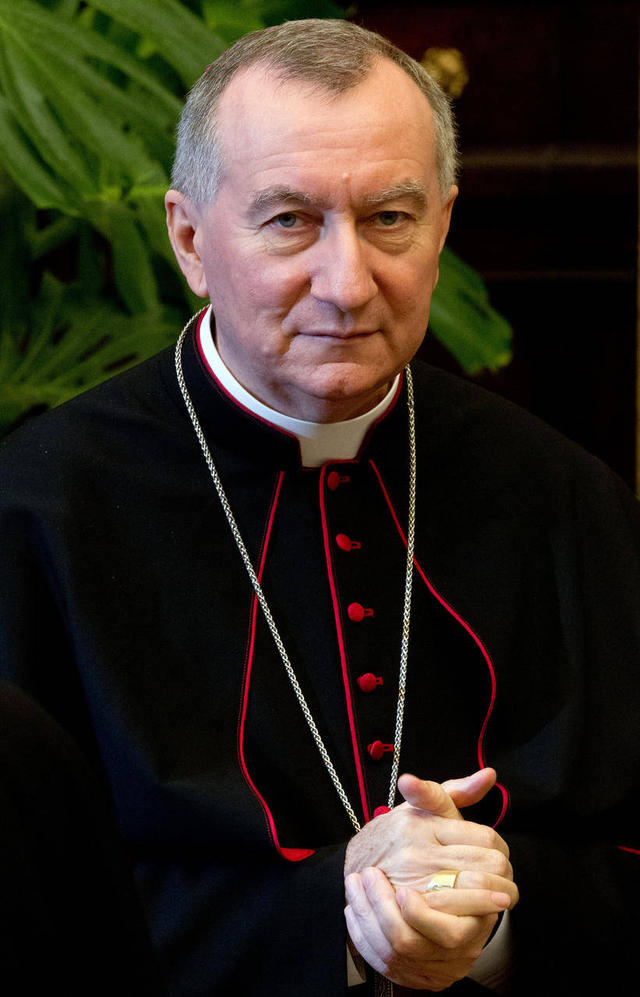
1. Archbishop Pietro Parolin, Secretary of the Secretariat of State – 58 (Age)
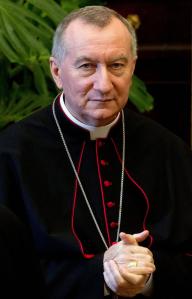
1272287

Being the highest position in the Church just below that of the Pope himself, Archbishop Parolin as the Secretariat of State is a certain candidate for the Cardinalate to be made at this consistory, and the position itself is explicitly stated to have to be held by a Cardinal (As Cardinal Secretary of State)


2. Archbishop Lorenzo Baldisseri, Secretary General of the Synod of Bishops – 73

images

Archbishop Lorenzo Baldisseri is also the Secretary of the College of Cardinals and therefore was the Secretary of the Conclave that elected Pope Francis on 13 March 2013.

It was reported and confirmed by sighting that the Pope had placed his own red zucchetto (skullcap) on the head of Archbishop Baldisseri, which by ancient custom (last used by Blessed Pope John XXIII on the Secretary of that time, Monsignor Alberto di Jorio in 1958) mark that the new Pope wants to bestow the red hat on the prelate. Hence, the elevation of Archbishop Baldisseri is pretty much certain.


3. Archbishop Gerhard Ludwig Muller, Prefect of the Congregation for the Doctrine of the Faith – 66
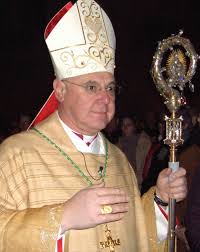
Muller

As the Prefect of a Congregation, and one as important as the Congregation for the Doctrine of the Faith once held by Cardinal Joseph Ratzinger before he was elected Pope Benedict XVI in 2005, Archbishop Gerhard Ludwig Muller is a certain candidate for the Cardinalate, and sure enough, he is one of the 19 appointed.


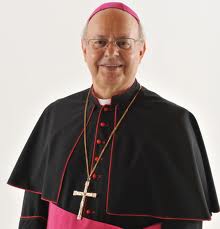
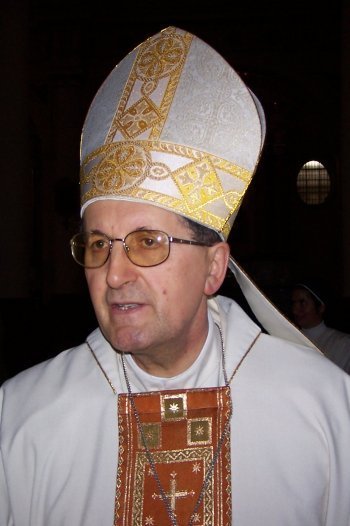
4. Archbishop Beniamino Stella, Prefect of the Congregation for Clergy – 72

Stella

Similar with Archbishop Muller, as the Prefect of an important Roman Curia Congregation, Archbishop Stella is a certain candidate for the Cardinalate, and as a recent appointee by Pope Francis, this made his elevation very certain indeed.


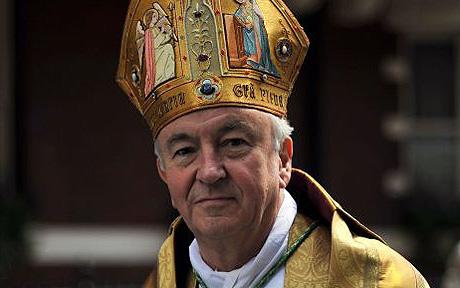
5. Archbishop Vincent Nichols, Metropolitan Archbishop of Westminster (United Kingdom) – 68
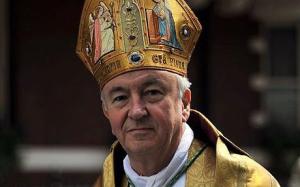
BRITAIN-RELIGION-ARCHISHOP-WESTMINSTER

With the problems that affected Cardinal Keith O’Brien early of last year and his retirement, the United Kingdom has no leading figure, which Archbishop Vincent Nichols, as the Archbishop of Westminster, the Primatial See of the United Kingdom as the obvious choice for the Cardinalate.


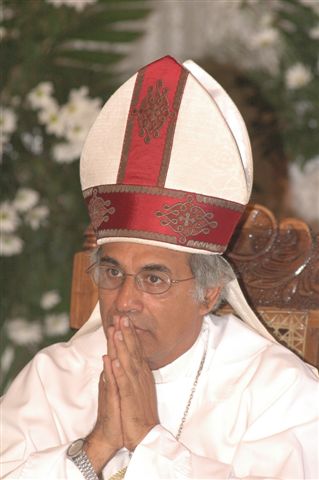
6. Archbishop Leopoldo Jose Brenes Solorzano, Metropolitan Archbishop of Managua (Nicaragua) – 64
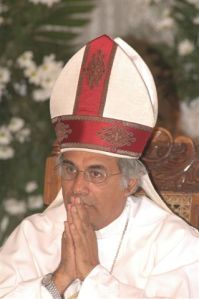
Solorzano

As his predecessor was made Cardinal in 1985, and had been 7 years as a non-elector, it was natural that Archbishop Solorzano is made a Cardinal, representing the Central American region.


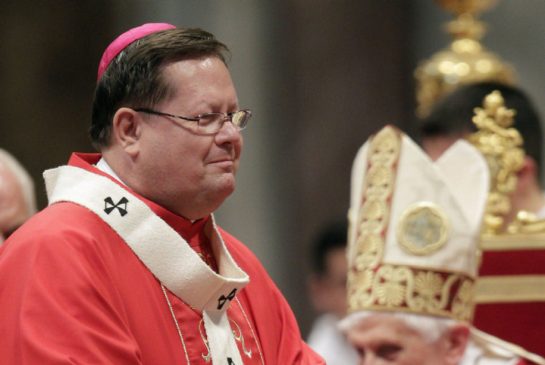
7. Archbishop Gerald Cyprien Lacroix, I.S.P.X., Metropolitan Archbishop of Quebec (Canada) – 56
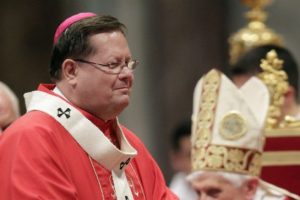
gerald_cyprien_lacroix.jpg.size.xxlarge.promo

The second youngest of the newly appointed Cardinals, as the Primate of Canada by virtue of being the Prelate of Quebec, it is natural for Archbishop Lacroix to be appointed Cardinal. His predecessor, Cardinal Marc Ouellet, is the current Prefect of the Congregation for Bishops and was a leading papabili of the 2013 Papal Conclave.


8. Archbishop Jean-Pierre Kutwa, Metropolitan Archbishop of Abidjan (Cote d’Ivoire / Ivory Coast) – 68
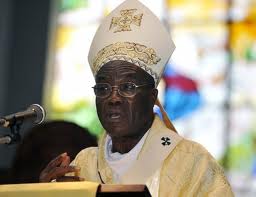
Jean-Pierre Kutwa

With two of his immediate predecessors made Cardinals in 1983 and 2001 respectively, Archbishop Kutwa had a high chance of being appointed Cardinal. His appointment is a nod to the Church in Africa, a growing community of the faithful, one with the Universal Church.


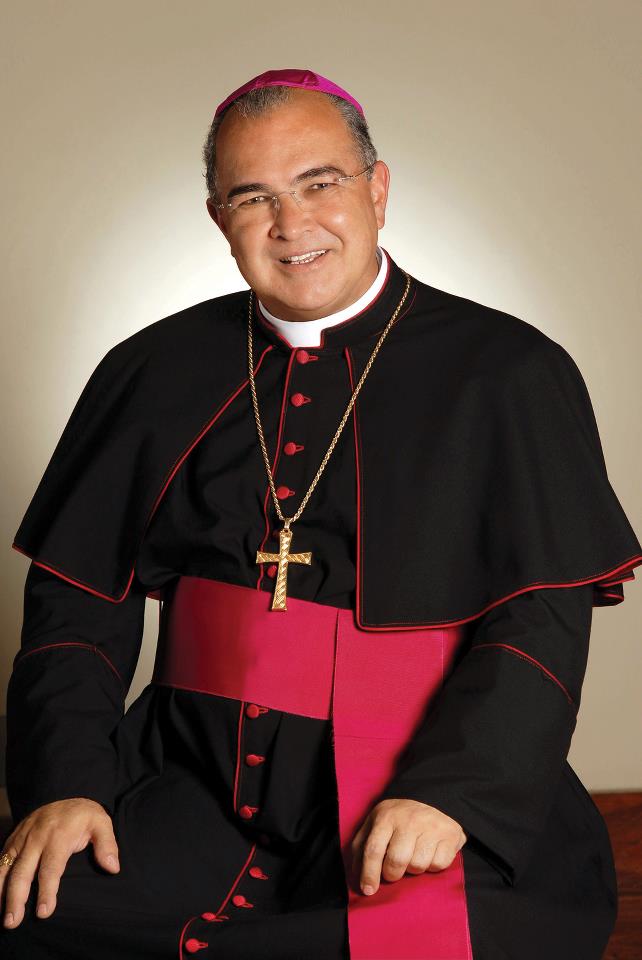
9. Archbishop Orani Joao Tempesta, O. Cist., Metropolitan Archbishop of Sao Sebastiao do Rio de Janeiro (Brazil) – 63
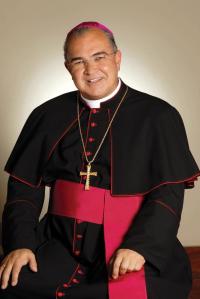
Dom Orani João Tempesta

As the head of a Cardinalatial see, with all five of his immediate predecessors made Cardinals, and with the limelight gained from the 2013 World Youth Day in Rio de Janeiro, Archbishop Tempesta is a certain candidate for the Cardinalate.


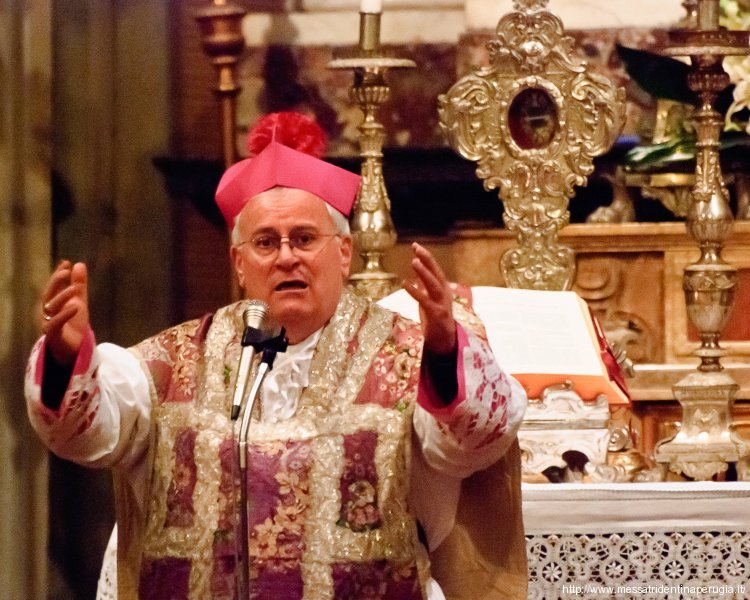
10. Archbishop Gualtiero Bassetti, Metropolitan Archbishop of Perugia-Citta della Pieve (Italy) – 71
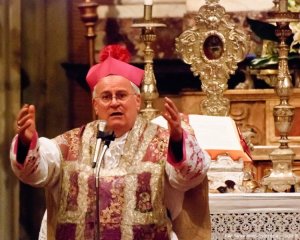
Bassetti

His long ago predecessor, Cardinal Vincenzo Gioacchino Pecci was elected Pope Leo XIII in 1878. Since then Perugia had had no Cardinal. This elevation of Archbishop Bassetti to the Cardinalate would honour the memory of Pope Leo XIII and give chance to other Italian Archdioceses to get the red hat besides the major, Cardinalate ones. Archbishop Bassetti is also known for his pastoral nature and hard work for his Archdiocese.


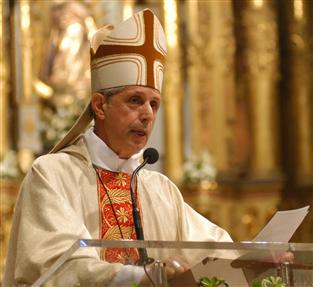
11. Archbishop Mario Aurelio Poli, Metropolitan Archbishop of Buenos Aires (Argentina) – 66
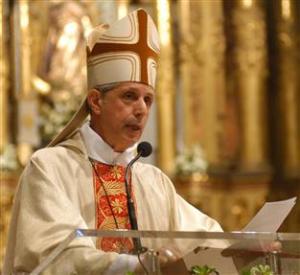
20130327134808

As the successor of Pope Francis as the Metropolitan Archbishop of Buenos Aires, Archbishop Poli is a natural and certain choice for the Cardinalate.


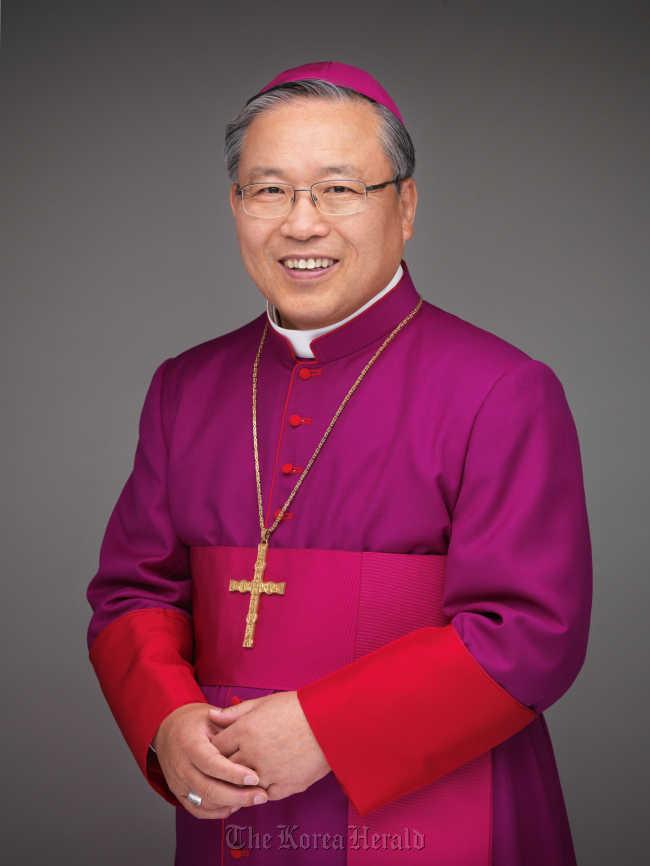
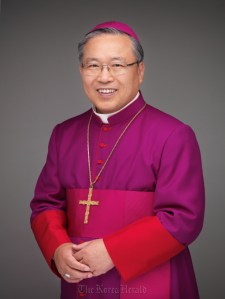
12. Archbishop Andrew Yeom Soo-jung, Metropolitan Archbishop of Seoul (South Korea) – 70
20120625000388_0

Among the three great Asian nations known for their Cardinals, namely Hong Kong (China), South Korea, and the Philippines, only South Korea at the moment has no Cardinal-elector. Hence, Archbishop Andrew Yeom is an almost confirmed choice for the Cardinalate, and indeed, he was chosen.


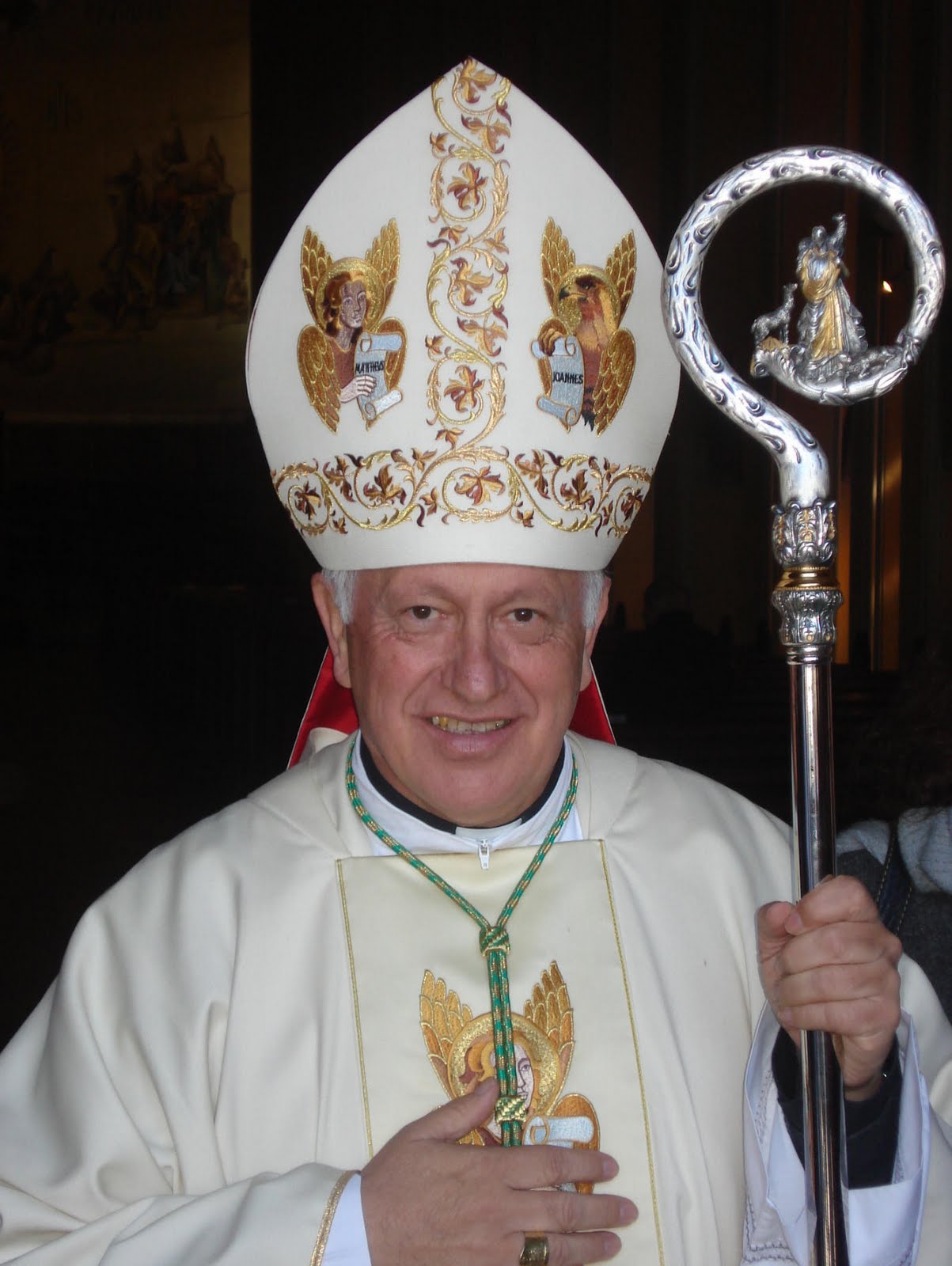
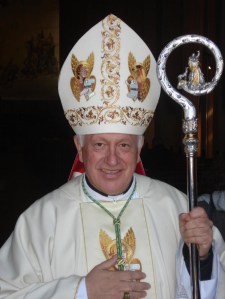
13. Archbishop Ricardo Ezzati Andrello, S.D.B., Metropolitan Archbishop of Santiago (Chile) – 72
02

Another Cardinalatial see in the Latin Americas, and therefore, Archbishop Ezzati Andrello is one of the few possible choices for the Cardinalate. Another Cardinal to increase the proportion of Latin America in the Sacred College of Cardinals.


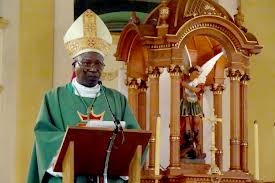
14. Archbishop Philippe Nakellentuba Ouedraogo, Metropolitan Archbishop of Ouagadougou (Burkina Faso) – 68
Oua

One of his predecessor was made Cardinal by Pope Paul VI in 1965, and therefore Archbishop Ouedraogo was a potential candidate for the Cardinalate for Africa region.


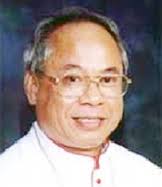
15. Archbishop Orlando Beltran Quevedo, O.M.I., Metropolitan Archbishop of Cotabato (Philippines) – 74
Quevedo

A rather suprising choice because Archbishop Quevedo is already 74 and therefore is just one year from the mandatory retirement age, although this may be extended towards 80, as was quite common in recent years among Asian Cardinals.

Geographically the choice made sense because the Philippines does deserve more Cardinals, and so far the Cardinalatial sees only cover the north (Manila) and central (Cebu) portions of the country. A Cardinal from the southern island of Mindanao is a good sign indeed.


16. Bishop Chibly Langlois, Bishop of Les Cayes (Haiti) – 55
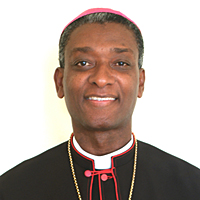
chibly_langlois

The youngest of the newly appointed Cardinals, from a relatively less important diocese in the Caribbean region. This choice is a nod both to the plight of the people of Haiti after the earthquake that happened a few years earlier, as well as the rising importance of the region to the Universal Church.


There are three Cardinal non-electors (over the age of 80) appointed in this Consistory, usually for their great and long contribution and dedication to the Church :


17. Archbishop Loris Francesco Capovilla, Archbishop-Prelate Emeritus of Loreto (Italy) – 98
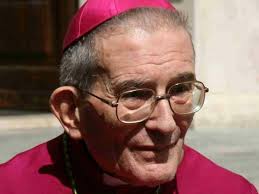
Capovilla

The oldest of the newly appointed Cardinals at 98, likely the oldest person ever appointed a Cardinal. Archbishop Capovilla was renowned for being the long-time private secretary to Blessed Pope John XXIII.

As the aforementioned Pope will be canonised this coming April, it is an obvious nod to his memory that Archbishop Capovilla, coupled with his long and dedicated service, that he is made a Cardinal.


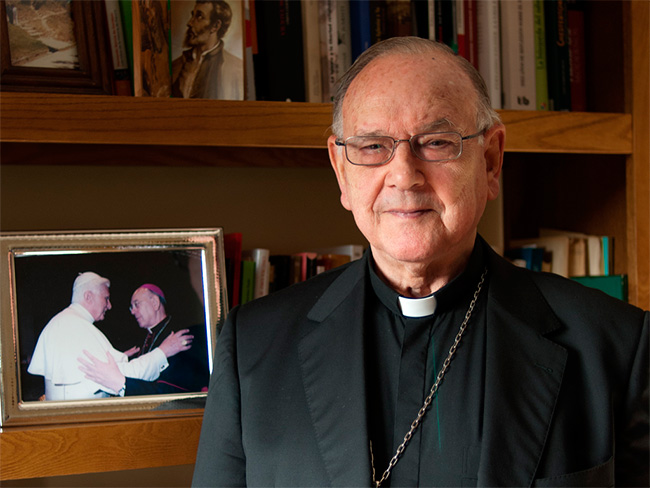
18. Archbishop Fernando Sebastian Aguilar, C.M.F., Metropolitan Archbishop Emeritus of Pamplona y Tudela (Spain) – 84

fernando-sebastian


19. Archbishop Kelvin Edward Felix, Metropolitan Archbishop Emeritus of Castries (Saint Lucia) – 80
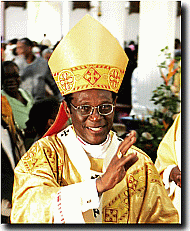
rev_felix

Another appointee for the Caribbean region, even though being over 80, it was rather honorary in nature, but nevertheless it was to highlight the importance of the New World in the Universal Church.

Cardinabili List for the Cardinal Consistory of 22 February 2014

Here is my own list of the potential candidates for the Cardinalate, to receive the red biretta in the Consistory next month.

The final list is not yet known, and while some in this list may not be chosen, it is possible all of them are chosen, and there may be even names outside this list I have compiled too. Pray for them!


Cardinal Consistory of 22 February 2014 (Feast of the Chair of St. Peter)


Almost Certain


Curia

1. Archbishop Pietro Parolin, Secretary of the Secretariat of State

2. Archbishop Beniamino Stella, Prefect of the Congregation for Clergy

3. Archbishop Gerhard Ludwig Muller, Prefect of the Congregation for the Doctrine of the Faith

4. Archbishop Lorenzo Baldisseri, Secretary General of the Synod of Bishops


Residential

5. Patriarch Francesco Moraglia, Patriarch of Venice (Italy)

6. Archbishop Mario Aurelio Poli, Metropolitan Archbishop of Buenos Aires (Argentina)


Very likely


Residential

6. Patriarch Manuel Jose Macario do Nascimento Clemente, Patriarch of Lisbon (Portugal)

7. Archbishop Vincent Nichols, Metropolitan Archbishop of Westminster (United Kingdom)

8. Archbishop Andre-Joseph Leonard, Metropolitan Archbishop of Mechelen-Brussels (Belgium)

9. Major Archbishop Sviatoslav Shevchuk, Major Archbishop of Kyiv-Halyc (Head of the Ukrainian Greek Catholic Church)

10. Archbishop Jose Serafio Palma, Metropolitan Archbishop of Cebu (Philippines)

11. Archbishop Andrew Yeom Soo-jung, Metropolitan Archbishop of Seoul (South Korea)

12. Archbishop Cyprian Kizito Lwanga, Metropolitan Archbishop of Kampala (Uganda)

13. Archbishop Odon Razanakolona, Metropolitan Archbishop of Antananarivo (Madagascar)

14. Archbishop Orani Joao Tempesta, Metropolitan Archbishop of Rio de Janeiro (Brazil)

15. Archbishop Ricardo Ezzati Andrello, S.D.B., Metropolitan Archbishop of Santiago (Chile)


Possible


Curial

16. Archbishop Jean-Louis Brugues, O.P., Head of the Vatican Secret Archives and the Vatican Apostolic Library

17. Archbishop Salvatore Fisichella, President of the Pontifical Council for the Promotion of the New Evangelisation

18. Archbishop Vincenzo Paglia, President of the Pontifical Council for the Family


Residential

19. Archbishop Charles Joseph Chaput, O.F.M. Cap., Metropolitan Archbishop of Philadelphia (USA)

20. Archbishop Rogelio Cabrera Lopez, Metropolitan Archbishop of Monterrey (Mexico)

21. Archbishop Peter Takeo Okada, Metropolitan Archbishop of Tokyo (Japan)

22. Archbishop Ignatius Suharyo Hardjoatmodjo, Metropolitan Archbishop of Jakarta (Indonesia)

23. Patriarch Ibrahim Isaac Sidrak, Patriarch of Alexandria (Head of the Coptic Catholic Church)

24. Archbishop Francis Xavier Kriengsak Kovithavanij, Metropolitan Archbishop of Bangkok (Thailand)

25. Archbishop Eustaqio Pastor Cuquejo Verga, Metropolitan Archbishop of Asuncion (Paraguay)

26. Archbishop Cesare Nosiglia, Metropolitan Archbishop of Turin (Italy)

Tuesday, 17 December 2013 : 3rd Week of Advent (Scripture Reflections)

Liturgical Colour : Purple/Violet

Brothers and sisters in Christ, we approach closer and closer to Christmas. It is just another week before we once again celebrate the first coming of our Lord Jesus Christ, who was born in the city of David, in Bethlehem over two millenia ago. The coming of the Lord as the Messiah, or the Saviour of all had been foretold long before His birth, through the revelations made through the prophets and the numerous messengers sent by God to His people, to tell them of the great joy of that Good News.

God is faithful to His promises and sought their fulfillment in the coming of the Messiah, born of the family of David, as a fulfillment of His promise to Israel, to those who had remained faithful to Him. He promised David, that his descendant will rule forever in a kingdom that is without end, and the same He had promised to Abraham, that his descendants would be innumerable and great. And not least of all, God promised even our first ancestors, from the very beginning, that He would not abandon them to the works of the evil one.

Mankind had indeed erred ever since the beginning, when they first tasted the fruits of sin, in contempt of the love of God for them, trusting more in the sweet but poisonous words of Satan rather than the loving words of God. Adam and Eve were lured into the trap of the devil, who promised them knowledge, greatness, and glory, by disobeying God. Indeed, the Lord loved them and gave them all the blessings He had intended for them, but He also set specific rules for them, to keep them away from sinfulness and thus, destruction.

Mankind were created pure, without knowing even an ounce of sin and evil. Evil was unknown to them, and all creations were created good and perfect. Yet, you may indeed ask then, why did God even plant such a dangerous tree, the tree of knowledge of good and evil, so that our ancestors might eat from them? Would it not be better for that tree to be not present at all?

Well, brethren, indeed, although all creations were created good and perfect, it was the devil himself who first ruined the order of the universe, through his own pride, jealousy, and vanity, desiring none other than the throne of God and to supersede God in his pride. Evil therefore was made to exist in the world, and that was why, God contained that evil and prevented our ancestors from knowing them, that they would not be corrupted as the devil had been.

After mankind fell to the temptations of the evil one, God could easily have obliterated them and destroyed them, for they have followed in the path of rebellion of Satan. Yet, He did not do so, and although He punished them for their disobedience, banishing them from the bliss and joy of Eden, to labour and work hard on barren earth, but deep inside, the Lord loved us still, and loved us deeply He did.

We have known good and evil, and therefore, we have the capacity for good or for evil. And that was exactly what mankind had done all these while. We had done much good, but also much evil. And evil and sin are the thongs that prevented us from reuniting ourselves with God, for God is good and perfect, and sin has no place before Him. As long as we remained sinful and rebellious, we cannot be with God.

That was why, for a long while, ever since the beginning, God had prepared a comprehensive plan of salvation. One that He first told our ancestors and the devil himself, as a premonition of what will happen. He chose those who were righteous and just, who disdained sin and rejected the sinful temptations of the devil, beginning with Noah, whom He called and rescued from among all mankind and their wickedness in the Ark, and then to Abraham and his descendants, the chosen ones of God.

And He chose David, a faithful servant, through whom the long planned salvation plan would continue, and although both his ancestors and descendants did not remain faithful to Him, sometimes even committing things very evil in the eyes of God, the Lord continued on, as He certainly knew what will eventually happen. And He revealed part by part His plan to the numerous prophets and messengers He had sent to His people, to call them to repent from their sinfulness.

And while some did heed His call, many continued to defy Him and turned deaf ears against His words delivered through the prophets. In fact, they persecuted and rejected these prophets and messengers, and even slaughtering them. Even John the Baptist, who prepared the way for the coming of Christ, they rejected, ridiculed, and eventually brought to death.

After a long while, in Jesus, the salvation itself finally arrived. God Himself incarnate into man, to be one of us. He did this for no other reason than that first He might reveal to His beloved children, of what He had intended for them, in all its fullness, and most importantly, to be a sacrificial victim, a worthy sin offering to take away from us, all the taints of sin that separated us from God. He became the way, and the only way between us and God our Father.

After hearing what the Lord had done and what He had planned, and what He had done through Jesus, as we all know from the Holy Scriptures, now it is our time to think, and to reflect on our own actions, and on the reality of our own sinfulness.

Yes, brethren, we have received the word of God and His revelations, as part of our faith, and we have indeed accepted Jesus as our Lord and Saviour. But have we truly lived in the way that Christ had taught us? Have we all remained faithful to His laws and commandments of love? Just as it was in the past, our world and our surroundings presented to us many tempting challenges and offers, those that many of us and those before us had taken up.

We professed our faith in God, and yet many of our actions still did not reflect this faith we have in Him. We are no better than those Pharisees and the chief priests who outwardly professed their faith and yet had no love for the Lord in them.

As we approach ever closer to the celebration of Christmas, let us all renew and strengthen our love for God, that we will be able to commit fully to the Lord and walk faithfully in His path. Let us all renew our faith in Him and profess it through not just our words, but also our actions. Let us all be courageous to proclaim our faith in God, that we truly believe in our Saviour, Jesus Christ, the long awaited Messiah.

May this Advent season be a fruitful one for all of us, that we make best use of the time to prepare ourselves for the celebration of Christ’s coming into this world. Let us all prepare ourselves, that we rid ourselves of sin and wickedness, that we all be pure and ready to welcome our Saviour, that when He comes again, we will be found worthy for the eternal joy and rewards He had promised us. God bless us all. Amen.

Sunday, 1 December 2013 : First Sunday of Advent (Gospel Reading)

Liturgical Colour : Purple/Violet

Matthew 24 : 37-44

At the coming of the Son of Man, it will be just as it was in the time of Noah. In those days before the Flood, people were eating and drinking, and marrying, until that day when Noah went into the Ark. Yet they did not know what would happen, until the flood came and swept them away.

So will it be at the coming of the Son of Man : of two men in the field, one will be taken and the other left; of two women, grinding wheat together at the mill, one will be taken and the other left.

Stay awake then, for you do not know on what day your Lord will come. Obviously, if the owner of the house knew at what time the thief was coming, he would certainly stay up and not allow his house to be broken into. So be alert, for the Son of Man will come at the hour you least expect.

Tuesday, 5 November 2013 : 31st Week of Ordinary Time (Scripture Reflections)

Liturgical Colour : Green

Brethren in Christ, the Lord loves us all, without exception. He gave us all many gifts and graces, and yet, many of us are not aware of this, or even reject these gifts He had given us, all for free. All that the Lord asks from us is in fact just that we should love Him back and dedicate ourselves and our hearts to Him alone. After all, He had given us so much, including this very life that sustains us in this world, that He does deserve our love.

However, the true fact is that many of us do not appreciate His love and kindness to us. We spurned His love and turned away from His mercy. We were not grateful at what He had done for our sake. He had given Himself up to be condemned to death, and suffer grievously in our place, as a punishment for all our sins. Yet in that suffering, He invited all of us to a great banquet, that is the banquet and feast of salvation.

Why so? That is because He offered His own flesh and blood, that is His Most Precious Body and Blood, His own Essence, to us, that all who receive them worthily and believe in Him, will receive the reward of life eternal in heaven. This is the reality of our faith. Yes, the centrepiece of our faith, that the Lord crucified, the Lamb of sacrifice, offered His own flesh and blood, just as the immaculate lambs were sacrificed at the first Jewish Passover, marking them from death.

And just as the blood of the lambs marked the house of the people of Israel, to distinguish them from their Egyptian slave masters, and therefore the angel of death passed over them, so had Jesus, the Lamb of God, with His Blood, marked all of us who believe, that death will not have dominion nor authority over us. We have been marked that we belong to God and God alone.

Even so, even many among us who had been marked, likened to the guests invited by the master of the house to his banquet, still go astray from our path, and erred. We were still easily swayed by the forces of this world, belonging to the evil one, the devil, that is the forces of darkness. And just like the guests, who made excuses not to come to the event, we too like to make excuses to God, numerous excuses to excuse us from coming closer to God and His love.

Indeed, it is often that this world and the world of material offer us so much and in a way so enticing, that it is hard for us to gaze away from them. This is what happened exactly, as the Lord showed it through the reluctant and unfaithful guests, who preferred their own personal matter and preoccupied with their own dealings, to break the promise they had made in God, and to ignore His calling.

That is also what happened, when the voice of God speaking softly in our hearts was drowned by the noise of this world, by the noise of our surroundings. We cannot focus on the Lord simply because the world around us is too attractive, and too distractive, that we often end up busying ourselves with this world’s dealings rather than spending time with our Lord who loves us.

That is why, the Lord highlighted the type of people He wants, that is, those who are humble and loving, and those who truly seek the Lord, those who truly have God in their hearts. That is what is expected from us all, brethren! We must find time for our Lord, and open our hearts to Him. Do not neglect our Lord by turning away from Him or ignoring Him. Do not be like those ungrateful guests who turned away the invitation of the Lord.

Yes, brothers and sisters in Christ, from now on, let us resolve to be closer to God, to be open to His love, and to open the doors of our hearts and ears to His words and wisdom. We can do this by devoting ourselves to Him in prayer. Pray hard and pray devoutly, and talk to God often, and at the same time, allowing Him to speak within our heart. May the Lord our God then grant us His blessing, that all of us will remain always and ever in His love. Amen.

Saturday, 2 November 2013 : Solemnity of All Souls (Psalm)

Liturgical Colour : Violet or Black

Psalm 22 : 1-3a, 3b-4, 5, 6

The Lord is my shepherd, I shall not want. He makes me lie down in green pastures. He leads me beside the still waters, He restores my soul.

He guides me through the right paths for His Name’s sake. Although i walk through the valley of the shadow of death, I fear no evil, for You are beside me : Your rod and Your staff comfort me.

You spread a table before me in the presence of my foes. You anoint my head with oil; my cup is overflowing.

Goodness and kindness will follow me all the days of my life, I shall dwell in the house of the Lord as long as I live.

Friday, 1 November 2013 : Solemnity of All Saints (First Reading)

Liturgical Colour : White

Revelations 7 : 2-4, 9-14

I saw another angel ascending from the sunrise, carrying the seal of the living God, and he cried out with a loud voice to the four angels empowered to harm the earth and the sea, “Do not harm the earth or the sea or the trees until we have sealed the servants of our God upon their foreheads.”

After this I saw a great crowd, impossible to count, from every nation, race, people, and tongue, standing before the throne and the Lamb, clothed in white, with palm branches in their hands, and they cried out with a loud voice, “Who saves but our God who sits on the throne and the Lamb?”

All the angels were around the throne, the elders and the four living creatures; they then bowed before the throne with their faces to the ground to worship God. They said, “Amen. Praise, glory, wisdom, thanks, honour, power, and strength to our God forever and ever. Amen!”

At that moment, one of the elders spoke up and said to me, “Who are these people clothed in white, and where did they come from?” I answered, “Sir, it is you who know this.”

The elder replied, “They are those who have come out of the great persecution; they have washed and made their clothes white in the Blood of the Lamb.

Thursday, 19 September 2013 : 24th Week of Ordinary Time, Memorial of St. Januarius, Bishop and Martyr (First Reading)

Liturgical Colour : Green or Red

1 Timothy 4 : 12-16

Let no one reproach you on account of your youth. Be a model to the believers in the way you speak and act, in your love, your faith and purity of life. Devote yourself to reading, preaching, and teaching, until I come.

Do not neglect the spiritual gift conferred on you with prophetic words when the elders laid their hands upon you. Think about it and practice it so that your progress may be seen by all. Take heed of yourself and attend to your teaching. Be steadfast in doing this and you will save both yourself and your hearers.

Tuesday, 10 September 2013 : 23rd Week of Ordinary Time (Gospel Reading)

Liturgical Colour : Green

Luke 6 : 12-19

At this time Jesus went out into the hills to pray, spending the whole night in prayer with God. When day came, He called His disciples to Him, and chose twelve of them, whom He called ‘apostles’ : Simon, whom He named Peter, and his brother Andrew, James and John; Philip and Bartholomew; Matthew and Thomas; James son of Alpheus and Simon called the Zealot; Judas son of James, and Judas Iscariot, who would be the traitor.

Coming down the hill with them, Jesus stood in an open plain. Many of His disciples were there and a large crowd of people, who had come from all parts of Judea and Jerusalem, and from the coastal cities of Tyre and Sidon. They gathered to hear Him and to be healed of their diseases. And people troubled by unclean spirits were cured. The entire crowd tried to touch Him, because of the power that went out from Him and healed them all.