Sunday, 20 February 2022 : Seventh Sunday of Ordinary Time (Homily and Scripture Reflections)

Liturgical Colour : Green

Dear brothers and sisters in Christ, this Sunday we listened to the words of the Lord speaking to us clearly through the passages of the Sacred Scriptures, regarding the need for all of us to show love in our lives, to be full of love and to be loving in all things, for the essence of being Christians is truly that of love. We cannot be Christians and we cannot call ourselves as such unless we truly have love in us, and show that same love in our actions and interactions, in all situations and to everyone, without exception. To be genuine Christians and to be filled with true Christian love is not something that is easily done.

That is why today we are reminded by the Scriptures to be loving to one another without exception, to be genuine in loving and caring for others, even to our enemies and those who hate us. That is what is so different about genuine, Christian way of love, the love that transcends even hatred and animosities. To be Christians means that we have to learn to love how the Lord Himself has loved us and how He had taught His disciples how to love, and model ourselves based on His servants, such as the example of King David mentioned in our first reading today, in him still loving and forgiving King Saul despite all the efforts by the latter to harm and kill him.

In our first reading from the Book of the prophet Samuel, we heard of the time when David was pursued by Saul and his men, as the former was a fugitive fleeing the court of the king after Saul tried to have David killed. Contextually, David had been chosen by God to be Saul’s successor as King over all of Israel. The prophet Samuel himself, who anointed Saul as King of Israel, had anointed David in the same way to be King of Israel. Then, David had also defeated the champion of the Philistines, Goliath, and was hailed by the people in an even greater salutation than Saul had received.

Therefore, Saul had likely been overcome by jealousy, by fear and insecurity, as he feared losing the kingdom, the wealth, prestige and power that he had gained as king. Thus, he also allowed the devil to enter into his heart and tempt him, and as he brooded in fear, he ended up contemplating to kill David, so that he could get rid once and for all the threat to his rule and kingship. Saul’s son Jonathan, who was David’s close friend warned him, and David managed to escape, and he and his band of men became a band of adventurers roaming around the land while evading Saul and his men.

Therefore, as we heard in our first reading today, when David finally encountered a very vulnerable Saul in the desert of Ziph, his men led by Abishai, one of his closest advisors and confidants wanted David to seize the initiative, kill the king and seize the throne for himself. After all, David had been chosen by God to be the rightful king of Israel to replace Saul. David had every right to kill Saul, especially after all that he had done to harm him and to persecute him, forcing him to live as an outcast away from the people of Israel.

Yet, as we heard, David would have none of it. He rebuked his fellow men and told them that they could not touch Saul or his men, and particularly Saul because although he might have fallen from grace and sinned against God, but he was anointed by God through the prophet Samuel, and it was not right and just to kill God’s anointed one regardless of the circumstances. Instead, David spared Saul with great magnanimity, and when later on he showed Saul just how close he was to kill him and seized his throne there and then, and yet sparing him, David showed not just Saul but all of us as well what being a follower of God should be like.

In our Gospel passage today, the Lord Jesus spoke of this to His disciples as well, as He highlighted how His way and that of His followers must truly be unlike anything that the world had ever known before, as others would have told that we must love those who love us and give us happiness, and hate those who have made our lives difficult, persecuted us and made us humiliated and to suffer many things in life. Many would have said that we have no need to spare our enemies and we should hate them and get our revenge against them.

But the Lord Jesus revealed His message and truth, His teachings and way that was so revolutionary and different that all who had heard Him then must have been stunned, surprised, amazed and taken aback by what they had heard from the Lord. The Lord told them not only to love those whom they love and those who have benefitted them, but He told them to love even their enemies, all those who have hurt and persecuted them. He told them not to bear grudges or seeking revenge, and instead, they should even pray for them and continue to love them regardless. This is in essence, what true Christian love is all about.

And the Lord Himself has shown us the best example, when He forgave all those who persecuted Him and cried out for His death, namely many of the members of the Sanhedrin or the Jewish High Council, the chief priests and many among the Pharisees, the teachers of the Law and the Sadducees. The Lord forgave all of them from His Cross, as He was hung between the Heaven and the earth, praying and asking His heavenly Father not to hold their sins against them because of their ignorance and as they did not know fully what they had done and why they were doing so. To the very end, the Lord wanted us to know that His love for us is truly great, pure and unconditional.

Not to forget that He has forgiven all of us, we all who are sinners, regardless whether our sins be great or small, many or few. All of us have bountifully received from God Himself the assurance of salvation and eternal life through Christ, Our Lord and Saviour. The Lord has forgiven us despite our many sins and shortcomings, our constant refusal and stubbornness to listen to Him and the difficulties to get us to obey Him and His Law and commandments. He still patiently loved us and tried to help us in every possible opportunities, from generation to generation, again and again, loving us even when many of us rejected Him.

As St. Paul in his Epistle to the Corinthians, in our second reading today, Christ has become the New Adam, as compared to the old, first Adam, the progenitor of the entire human race. The disobedience and sins that the old, first Adam had brought into this world had been overcome by Christ, the New Adam, Whose coming into this world brought forth the long promised salvation that God had intended ever since the time when mankind first fell into sin, and yes, that was during the time of the old Adam. Through Christ, all of us have been brought into a new existence in God, a life of sanctity and purity, filled with love for God and for one another.

Now, brothers and sisters in Christ, the question is, are we willing and able to follow the Lord and His examples, the examples of His many servants and disciples, such as what was shown by King David of Israel when he spared King Saul, his predecessor, and acted with great honour and virtue then, as well as in various other occasions? All of us have received the love of God, and we have witnessed the love of God made manifest, and now we are all reminded that we have the obligation to show that same love in our daily living, in all of our words, actions and deeds, in our every works and interactions.

Let us all make good use of the time, the opportunities, the many blessings and wonders that God had granted to us, all that He has provided for us so that we may find our way to Him, by leading a most faithful and dedicated, loving Christian life in our respective communities, in our families, among our relatives and friends, and even among strangers and even, as the Lord mentioned, amidst all those who despised us and in the plain sight of all those who have hated us and made our lives difficult. We are all challenged to be ever better Christians, first of all in loving God and then in loving our fellow men, even our enemies, genuinely from our hearts.

May the Lord, our most loving, compassionate and forgiving God show us the way to be ever more loving, more filled with genuine and warm love, so that we no longer be selfish and be self-indulgent, in only caring for ourselves, but also be filled with strong love for our fellow men, especially for those who have been unloved. May all of us be great witnesses and bearers of the love of God in our communities, now and always. Amen.

Sunday, 13 February 2022 : Sixth Sunday of Ordinary Time (Homily and Scripture Reflections)

Liturgical Colour : Green

Dear brothers and sisters in Christ, this Sunday as we listened to the words of the Scripture, we are all called to have faith in the Lord, to trust in Him and to walk ever more faithfully in His path. As Christians, all of us have to follow the Lord and His Law, His commandments, all of His precepts and ways, or otherwise we are no better than hypocrites and unbelievers. As Christians we are called to be exemplary in our way of life, in our actions, words and deeds so that we may inspire others to follow in our footsteps and be faithful to God as well.

In our first reading today, taken from the Book of the prophet Jeremiah, we heard the Lord speaking to His people regarding those who refused to believe in Him and instead depending on human power and might, in worldly things rather than believing in the providence of the Almighty. The Lord also encouraged all those who have kept their faith in Him, that they would be blessed and God would always remain with them no matter what, and they had no need to be afraid because in the end, they will triumph with God and receive true joy and glory with Him.

Contextually, we have to understand that the prophet Jeremiah brought God’s words and message to the people in the kingdom of Judah, which was then on its last days, but they still refused to believe in God despite everything that God had done for them and despite all the messengers and prophets He had sent to them to remind them of His love and of what would happen if they continued walking down the path of sin. Instead of believing in God, many of them believed in the falsehoods of the false prophets, some of whom contested against Jeremiah in as written in another part of the record of the prophet’s life, and deluded the king and the people of Judah to trust in them instead of God’s words.

To that extent, the king and the people of Judah chose to depend on their more powerful neighbours, entrusting themselves to the protection of Egypt, which was one of the major powers alongside the then rising Neo-Babylonian Empire under King Nebuchadnezzar. Jeremiah was one of the few who spoke against doing such a foolish act, depending on one power against another, and he was the only one who dared to speak up against the king and those false prophets, which led to him being persecuted for his faith and dedication to his work. He was almost killed if not for the help from some of his few remaining friends and allies.

The Lord therefore wanted to reassure those remaining few faithful ones who still kept their faith in God, that they had no need to be worried or afraid of their fate. Whatever things that would happen to them, as long as they were faithful, God would take care of them, protect them and guide them. As proven later on, with the downfall of Jerusalem and the kingdom of Judah, and even though many of the people were carried off into exile in Babylon and other lands, but God always remembered them.

And even though they had to endure hardships and humiliation, but in the end, they and their descendants would rejoice with great happiness when He led them back to return to their own land as it happened under the reign of King Cyrus the Great of Persia. The King of Persia would allow the people of God to return to their homeland in triumph, to rebuild their cities and to restore their lost glory and rebuild the Temple and House of God in their midst, supported by the King of Persia and his kingdom.

In our second reading today, then we heard from St. Paul the Apostle in his Epistle and letter to the Church and the faithful in the city of Corinth, as he spoke of regarding the matter of Christ’s resurrection from the dead to the Christians in Corinth. St. Paul reminded all of them that their faith was all about believing in the Risen Lord, their Lord and Master Who had risen from the dead and was triumphant. And because of this, all of them could be assured of the ultimate victory and joy, the true happiness that will come from God because of His victory over death through the Cross.

For the Lord has sent His Son, Our Lord and Saviour, into this world, appearing in the flesh, and through Him, God has made clear His promises and reassured all of us that our faith in Him are well placed and we will never be disappointed. The Lord reassured His people that if they had suffered and endured challenges and trials in this world all these while especially because of their faith in Him, they shall not be disappointed because the Lord would remember them and give them their due in its time, in the time that God Himself deems appropriate.

The Lord will provide for His faithful ones just as He had provided for their ancestors during the time of the prophet Jeremiah and beyond. He has given His own Son as the proof of all that, and through Him all of us have received the sure hope of eternal life, because by His Cross, bearing the multitudes of our sins and the punishments due to those sins, we have shared in His suffering and death, as He bore all of our faults upon His own shoulders, and through that, He shared with us His own glorious Resurrection, triumphant over death and sin. He showed us all that sin and death no longer have the final say over us.

Brothers and sisters in Christ, as we listened to the Scripture passages and recall these words of the Lord, let us all therefore seek to trust more in the Lord and believe in Him and His love. Let us all no longer doubt Him and strive to resist all the temptations in this world, all trying to mislead us down the path of sin and evil. Let us do our best to persevere through the challenges and trials that we may encounter in life, and try to be inspiration to one another in how we remain faithful to the Lord despite all the difficulties and obstacles we may have to face in the midst of our journey towards the Lord.

All of us are called to be witnesses of His truth and love, to be the bearers of His compassionate mercy and the Good News, to reveal Him, Our Risen Lord and Saviour, to all the people of all the nations just as He had commended this mission to the Apostles. All of us are part of this effort and work, which He has entrusted to His Church. The Lord gave us the gifts, talents and abilities to do what we can in giving ourselves and our time, our opportunities and efforts to spread the truth of His salvation and Good News to more people, to the far ends of the earth.

That is our calling as Christians, brothers and sisters in Christ. And we cannot truly commit ourselves to the cause of the Lord unless we have truly embraced the Lord and His ways, resisting the temptations to sin, striving to be faithful in all things, in our every actions and deeds. All of us are called to do God’s will, to practice our faith sincerely and with conviction, at all times. We are all given the many opportunities to touch the lives of our fellow brothers and sisters around us, in these opportunities afforded to us.

Now, are we going to remain idle? Are we going to ignore the Lord’s call and keep our own gifts and abilities hidden, or to misuse them for our own selfish purposes? We are all given the freedom to choose our path, and we have to make a clear choice whether we want to follow the Lord wholeheartedly or to allow our path to be swayed by the many worldly temptations that lead us down the path of sin and destruction. Let us recall the love that God has shown us, His reassurance and encouragement to us. Let us not be discouraged if we meet hardships and hurdles, and instead help one another to endure them together as one united people by faith, in the Church of God.

May the Lord continue to be with us and guide us in our respective journey of faith through life, that we may always grow ever stronger in faith in Him, and do our best to be good role models for our fellow brothers and sisters whenever we can, bringing hope and encouragement to a world shrouded in darkness, and bearing God’s light and love with us as we carry on living our lives in this world. May God bless our actions and every endeavours, all for the greater glory of His Name. Amen.

Sunday, 6 February 2022 : Fifth Sunday of Ordinary Time (Homily and Scripture Reflections)

Liturgical Colour : Green

Dear brothers and sisters in Christ, this Sunday all of us are called to realise our calling and mission in life as Christians, as those whom God has called and chosen, to be the ones to carry out His will and to be the witnesses of His truth and love to all the people. As we heard from today’s Scripture readings, we are all called to follow in the footsteps of our courageous and faithful predecessors, those who have dedicated themselves and their lives to serve the Lord, to follow Him and to do their best for the greater glory of God.

In our first reading today, we heard the calling of the prophet Isaiah in a vision which he received, and in that vision he saw the Lord Himself seated on His Throne in Heaven, attended by the great Angels of God, the Seraphim who served the Lord at His presence. He saw all the great glory and majesty of God and was terrified at what he had seen. He was struck with great fear because not only that one ought not to look at the great glory of God, and as a sinner, Isaiah feared God’s wrath and retribution. He humbled himself and abased himself before the Lord.

But God reassured Isaiah and sent His Seraphim to bring the hot coal from the Altar of the heavenly Temple and touched that coal onto Isaiah’s mouth, his lips and tongue. Through that symbolic act, God sanctified and purified Isaiah, considering him worthy of seeing His glory and being there, and through that, God also reassured him and sent him to be the one that He had chosen to be the bearer of His truth and message, His Good News to the people of Israel. Isaiah answered firmly with faith, and henceforth, he did the works of the Lord wonderfully among His people.

In our Gospel passage today, we kind of see a similar story in which the Lord Jesus came to the Lake of Galilee and encountered the fishermen there who were busy with their works and among them were the brothers Simon and Andrew, as well as the two sons of Zebedee, James and John. It was this moment, which is also mentioned in the other Gospels, that the Lord called His first disciples, and those four would become four of His closest confidants, the Twelve Apostles. At that time, they were just simple fishermen at the Lake of Galilee.

Having gathered little or no fish despite a great effort over the night, they would not have hoped to gain much and they must have been disappointed. But the Lord Who was then teaching the people told them all to go again and gather the fishes, this time to put their nets just as He told them to. Simon was hesitant at first saying how their efforts all night long had borne little results, but he obeyed nonetheless, going forth into the deeper waters just as the Lord had told him to, and true enough, immediately they caught so many fishes that it almost sank the two boats they were on.

We heard how Simon and the other fishermen all bowed down before the Lord and especially Simon uttered how unworthy he was before the Lord, and how he was a sinner that was unworthy and not deserving of the Lord’s presence. But this did not stop the Lord from calling them to be His disciples, and in fact to be the closest ones to Him. He called them all to become the fishers of men, as those whom the Lord had chosen to be the ones to gather all the people to Himself. Through them, God would establish His Church and build the many Christian communities all around the world.

We can see the parallel in these two stories, and also in our second reading today taken from the Epistle of St. Paul to the Corinthians. In that occasion, St. Paul mentioned to the faithful in Corinth how he himself had received the faith, as he received it through the Holy Spirit that he had been given, and through the hands of the Apostles, those same Apostles that God had called, and from them, St. Paul, who as Saul was once the greatest enemy of all Christians, gained great insight of the faith and of what he had been called to do, as fellow disciples of the Lord.

Therefore, today’s Scripture readings serve as very important reminders for each and every one of us that all of us have been called to follow the Lord and to be His disciples. All of us as Christians who have received and shared in the baptism, and having been initiated in the faith, all of us have a share in the mission that the Lord Himself has entrusted to His Church, to all of His Apostles and disciples. And yes, the same mission that God has given to His Church, we too have a part to play in that as well.

And what is this mission, brothers and sisters in Christ? If we recall in the Gospels, we will remember the Lord’s Great Commission to all the whole Church. He entrusted it to all of us to make disciples of all the nations and to baptise all in the Name of the Father, the Son and the Holy Spirit. This is the mission that God has given and entrusted to us, and we should embrace this mission wholeheartedly and be inspired by the examples set by our holy predecessors, those whom God had called and chosen, and whom He had made worthy for that purpose.

It means that we should not be hesitant or worried that we are not qualified, capable or worthy of doing what the Lord had called us to do. We have to remember first and foremost that it is not us who decide whether we are worthy of God’s calling and works or not. It is God Himself Who will decide that, and He had frequently chosen His disciples and servants from among those whom many of us may consider or deem to be less than worthy. The four fishermen, Simon, Andrew, James and John for example, they were likely poor, illiterate and uneducated, and yet, God called them to do His great works.

Through many occasions in the history of the Church and the world, God had chosen those who were considered to be unworthy. He made them worthy and sent them forth, reassuring them of His guidance and strength, much as how He had sent out Isaiah to His people Israel. The same went for the Apostles themselves as mentioned, as well as for St. Paul mentioned in our second reading today, who was a great persecutor of Christians, as someone most unlikely to become a follower of Christ, and yet, in the end, became among the Lord’s greatest champion.

Brothers and sisters in Christ, today we are all called to ponder carefully on our lives, and discern what we are going to do with our lives to come. God has called on us to follow Him and to do His will, to be part of the efforts and works of His Church in proclaiming His Good News and salvation, His truth and love to more and more people all around the world. This is what we have been called to do, and we really should ask ourselves if we are willing and able to do what we can to serve the Lord to the best of our abilities.

We do not need to be afraid or to worry whether we are worthy of such a task. The Apostles themselves as I mentioned were simple, ordinary people, who were most likely even less educated and less worthy than us in the eyes of the world. And yet, we all know of the great deeds that they had done, of the great courage and faith that they had shown, in doing their best to serve the Lord, even to the point of laying down their lives for the Lord, in the midst of their ministry. Many of them suffered greatly for the Lord, but they took all those sufferings with fullness of faith and love for the Lord.

Let us all therefore be inspired by their examples, brothers and sisters in Christ, that we too may walk in their footsteps and doing whatever we can to glorify the Lord by our lives. Let our every actions, words and deeds be guided by our love for the Lord and let our every breath proclaim the glory of God from now on. May the Lord be with us all, and may all of us walk in His path with ever greater zeal and commitment, now and always. Amen.

Sunday, 30 January 2022 : Fourth Sunday of Ordinary Time (Homily and Scripture Reflections)

Liturgical Colour : Green

Dear brothers and sisters in Christ, this Sunday as we listened to the words of the Sacred Scriptures we are called to reflect on our calling as Christians, to be the followers and disciples of Our Lord, to do what God has taught us to do in following His commandments and His own examples. As Christians, all of us share in the same mission that God has entrusted to us, to His Church from its very foundation and beginning. This is what we have been called to do, to show our genuine love both for God and for our fellow men, our brothers and sisters.

In our first reading today, taken from the beginning of the Book of the prophet Jeremiah, we heard of the Lord and His calling to the prophet Jeremiah, as He called him to become His servant and mouthpiece, to become the one chosen by God before he even knew it, to speak of God’s will and truth before the people of God. At that time, the prophet Jeremiah lived during the last years of the southern kingdom of Judah, at the time when the remaining people of God were beset by troubles and the threat of the destruction of their kingdom were looming large at them.

All of that were caused by their own disobedience against God, their refusal to listen to Him and in hardening their hearts and closing them from His love and mercy. They would rather remain in the state of sin and living in darkness than to follow the Lord, their God. Yet, God still patiently reached out to them and sent them His prophets, including that of Jeremiah to His people reminding them of His love and urging them to repent and turn away from their sins. He never gave up on them and still cared for them, because we are truly precious and beloved to Him.

That is the exact same sentiment shown in our Gospel passage today when we heard of the moment when the Lord Jesus was in Nazareth, in His own hometown and how He was rejected by the people whom He had known from earlier in His life, from His childhood. At that time, the Lord returned to Nazareth after beginning His ministry and gathering some of His disciples, and He proclaimed the Word of God in the local synagogue, only for the people to doubt Him and slander Him just because they knew St. Joseph, His foster father and thought that it was impossible for a Man of such stature to gain such wisdom and power.

The Lord told all of them that it was because of this that in the past God had sent His servants like the prophet Elijah to minister to the people neighbouring the Israelites, who had more faith in the Lord than the people of Israel themselves. He used the example of the widow of Zarephath who welcomed Elijah during the years of the great famine and how she took care of him even though she herself and her son were themselves in great distress. God showed His providence and cared for them, and they showed us what it truly means to be those who believe in God. The same goes with the example of Naaman the Syrian as well, who humbled himself before the Lord and was healed by his faith, even though he initially had his reservations and doubts.

Through what we have heard from these examples we can clearly see that there are many opportunities for us to respond to God’s love, to all that God had given to us, His attention and care, His compassion and kindness, all that He had done to us even though we have often disobeyed Him, disregarded and even betrayed Him. So pure is God’s love for each one of us that even though He despises our sins, He did not despise us sinners, but wants us to be freed from the bonds of those sins and then be reconciled with Him.

That is why He has sent us His Son, Jesus Christ, the One rejected by His own townspeople and neighbours, to be our Saviour, to be the source of our renewed Hope and as the Light to lead us out from the darkness of sin. In Christ, we have seen the perfect manifestation of God’s ultimate and enduring love in the flesh, Love that never ends and Love that persists to the end of time. From the very beginning when He created us all out love, His love has endured, and through Jesus Christ, Our Lord and Saviour, we have seen how God wants to share this love with us.

St. Paul reminds us in our second reading today, taken from the Epistle that he wrote to the Church and the faithful in Corinth of what love and true Christian love means. Love is patient, kind and without envy. It is not boastful or arrogant. St. Paul revealed to us that this is what true Christian love is all about, love that first and foremost God Himself has shown us unconditionally, as He patiently loved us from the beginning even though He had to constantly endure our betrayals and ignorance, and the pain of seeing so many of the sons and daughters of mankind falling into eternal damnation, eternally separated from Him.

St. Paul also mentioned that no matter whatever power, gifts, talents, abilities, blessings and all that we have received and are endowed with, but if we have no love in us, then all these are meaningless and useless. Without love, then whatever we do are only for ourselves and have no merit whatsoever. As Christians, this is not what we have been taught to do. Instead, as Christians, love must be our second nature, and not only just loving ourselves, but more importantly, to love God and our fellow brothers and sisters just as much if not more than we have loved ourselves.

That is essentially we have been called to do, to remember how fortunate we are to have been beloved by God despite our past mistakes and transgressions. God has patiently guided us through our journey of life all these while, and He has always reached out to us whenever we are in need. He has never abandoned us even though we have often abandoned and ignored Him. For all that love, often we respond to His love with disobedience and sins, with immorality and lack of faith.

That is why this Sunday, brothers and sisters in Christ, all of us are reminded of the obligation for us all to love, as something that as Christians we have to do in our lives. Just as God Himself has shown us His pure and perfect love, thus we should also love Him in the same way, giving an unconditional love and one that is genuine from our hearts. Many of us loved God conditionally, loving Him and seeking Him only when we need Him, but the moment we have no need for Him, we easily and quickly forgot about Him.

Then, in the same way, we must also love our fellow brothers and sisters, by caring for everyone we encounter in life regardless who they are. Yes, certainly we will love some people more than others, especially those who are precious and known to us, those in our families and among our close circle of friends. However, we must still also love even those who are strangers to us, those whom we encounter daily, and this includes even those who hate us and persecute us.

Remember what the Lord told His disciples in another occasion in the Gospels? He said that we must love our enemies and forgive them, and we have to pray for them, just as He Himself has prayed for them. Not least, Our Lord has forgiven and prayed for those who persecuted Him and condemned Him to death right from the Cross upon which He was hung during the time of His Passion and death. That is the proof of God’s ever present love for us, and just how unconditional and beautiful His love for us is. And if God has loved us in such a manner, should we not then love Him in the same way too?

Let us all realise that we have been given many opportunities to express our love for God and for one another, and we have to practice that love in our lives, as genuine Christians that are filled with God’s love and grace. Let us all love the Lord with all of our hearts and show the same love to our brethren especially those who are most in need of them, during these difficult and challenging times when what some people need are just more care and attention, and some consolation for their sufferings and troubles. Let us all share God’s love with one another, following in the examples that Our Lord Himself has shown us. Amen.

Sunday, 23 January 2022 : Third Sunday of Ordinary Time, Sunday of the Word of God, Week of Prayer for Christian Unity (Homily and Scripture Reflections)

Liturgical Colour : Green

Dear brothers and sisters in Christ, this Sunday we mark the special occasion of the Sunday of the Word of God, on which we recall the importance of the Word of God in our lives, the central role of the Sacred Scriptures in our life as Christians, which cannot be separated from our daily life. The Word of God is central as part of our Christian way of life and we have to put it as the centre and focus of our whole existence. That is the great importance and significance of the Word for us.

Our Holy Father, Pope Francis instituted this Sunday of the Word of God just recently a few years ago to remind us of this importance, so that as Christians we do not end up sidelining the centrality of the Scriptures. We cannot be true Christians unless we have appreciated and understood the Scriptures, spent the time to read them and to put them into our hearts and minds. Each and every Christian families, all of us must put our effort to read and study the Scriptures together. We must always strive to help one another to understand the Scripture better.

However, too many of us sidelined the Scriptures, not spending the time to even read the Bible at all. Many of us always find excuses trying to justify why we couldn’t do so. We were either too busy with our work and career, or with whatever it was that fancied our thoughts and minds, not being able to focus ourselves on the Lord and His words. And we also find excuses saying that reading the Bible is boring and not interesting at all, because we prefer to read other things that excite us more.

That is what happened when we do not have the genuine faith and desire to love God. We put other things instead of God as the focus of our lives then easily we will end up forgetting about Him and His truth, and His words have no place inside of us. It is time for us to reflect on this before it is too late for us and since each and every one of us are called today this Sunday to reflect on the importance of this Word of God, we should make the effort to read the Scriptures more, spending the time to deepen our understanding of God’s words and truth, and also how He has done so much throughout our history of salvation.

Let us now also look through our Scripture readings today, as we first recall the words of the prophet Ezra to the people of Israel in the Book of Nehemiah. At that time, the people of Israel had just returned from their exile in the land of the Babylonians, as they were allowed to return to their homeland by King Cyrus the Great of the Persians. The Lord had touched the king’s heart to allow His people to return to their homeland. Therefore, they took the journey to return to their homeland, and they went back to the ruins of Jerusalem and their cities to begin rebuilding their homeland in earnest.

The priest and prophet Ezra led the people in the reading of the Law of God, the Law, commandments and the rules which God had laid down to His people through Moses. Those Law and commandments had long been neglected, and through the years of the kingdom of Israel and Judah they had often been ignored and disregarded. The Lord’s people had abandoned Him and persecuted His prophets and messengers, and as a result, they had to suffer the consequences of their infidelity, to be humiliated among the nations.

But God still had mercy and compassion and them, and He still loved them no matter what. That was why He sent Ezra to the people, and assisted by Nehemiah, the servant and scribe of the Persian King, to remind the people to know the Law and the commandments. For all those time when their ancestors had neglected the Law, it was even possible that they did not bother to get to know the Law and the truth of God more. They did not make the effort to know the Lord more even though the Law and the words of the Lord had always been available to them. To all of us, we have also received these same Law and commandments in the Scriptures. The same Law that Ezra spoke of that day, is the same one that is contained in our Sacred Scriptures.

Today, all of us also heard in our Gospel passage today, the words of the Lord Jesus as He proclaimed the scroll of the prophet Isaiah in the synagogue of His own hometown. The people there were astonished when they heard how He spoke with such great Wisdom and authority, as He revealed the truth of God to all, how everything that the prophets had spoken would be fulfilled through Him. He was the One Whom the prophets had revealed, and all these were written in the Scriptures. But, the people often refused to believe in Him as they could not accept how He could be the Messiah of God.

And ironically it was the Pharisees and the teachers of the Law who were often up against Him and His works, doubting Him and trying hard to undermine His credibility at every possible opportunities. Those were the ones who supposedly should have known the best about the Scriptures and the Law, and they should have been the first to recognise the Saviour of God when He came into this world. Yet, they were the ones who rejected Him and made His works difficult as they refused to believe that He was truly the One promised by God.

That was despite the fact that they had seen all that the Lord had performed before them, in healing the sick people and opening the eyes of the blind, releasing the tongues of the mute and opening the ears of the deaf, and in casting out demons among many other miracles He had performed, all of which were the words of the Scriptures, the prophets and messengers of God all coming to perfect fulfilment in Him. Why is that so, brothers and sisters in Christ? That is because they were too proud to admit that there could be One Who could be superior to them.

They might have known the letter of the Law and the contents of the Word of God, but they did not truly appreciate and understand its meaning and significance, and as a result that was why they ended up doing all sorts of things that were unbecoming of them as the guardians of the faith of the people. This is in fact a reminder for us that we ourselves can also fall to the same pitfall unless we are careful not to lose our vigilance and guard against our pride and ego, and all the worldly temptations and desires.

Then lastly in our second reading today, we heard how St. Paul mentioned in his Epistle and letter to the Church and the faithful in Corinth that the Church of God is truly the one united and indivisible Body of Christ formed from the unity of all the faithful people of God. That Church was founded by the Lord Himself, established in this world with Himself as its Foundation and Focus. The Church of God was founded upon this very Word of God made Flesh, the Divine Word Incarnate. The Church is founded on the base of the Sacred Scriptures, the Sacred Tradition and the Magisterium of the Church as the One, Holy, Catholic and Apostolic Church.

Therefore, as we also celebrate the Week of Prayer for Christian Unity this week, we have to spend some time to reflect on what we can do to foster unity within the Church. But we cannot do this if we ourselves are weak and ignorant of the truth of God as contained within His Word in the Sacred Scriptures. We have to deepen our relationship with God first and our understanding of His words and His truth as contained within the Scriptures, if we are to seek true unity in the Church among all Christians everywhere. We are all called and challenged to seek the Word of God in every available opportunity and share it with others.

Brothers and sisters in Christ, let us all therefore make good use of this opportunity on the Sunday of the Word of God to renew our commitment to place the Word at the centre of our Christian lives and amidst our respective families. We are all called to be the bearers of the Word of God and be His witnesses in our respective communities and in the various places we are living in. Are we able to live virtuously and in obedience of the Lord’s commandments and Law as He has entrusted them to us?

These are the things that we have to consider as we reflect and discern on our path forward in life. Are we going to continue down the same path towards ruin as what those Israelites and the ones who had ignored the Word of God and His truth had done? Or shall we instead do our very best to live our lives in accordance with the Word of truth, and strive to be exemplary each day and every moments in life to be most committed in all things? Let us all strive towards true Christian Unity by solidifying our foundation of faith through the frequent study and appreciation of the Scriptures, the Word of God.

Let us all make good use of these opportunities that God has given to us, to be His most dedicated followers and disciples, now and always, that more and more may come to believe in God and His salvation. May God bless us all and our every good efforts and endeavours, now and always. Amen.

Sunday, 16 January 2022 : Second Sunday of Ordinary Time (Homily and Scripture Reflections)

Liturgical Colour : Green

Dear brothers and sisters in Christ, this Sunday as we listened to the words of the Scriptures, we are called to remember the most wonderful and generous gifts from God to us. God has given us His love and kindness and it is up to us to treasure these gifts from God. He has revealed Himself to us out of love, and revealed the salvation for the whole world through His Saviour, Jesus Christ, Our Lord, the Son of God and Son of Man.

In our first reading today, taken from the Book of the prophet Isaiah, we heard the words of hope that the Lord presented to His people, the revelation of what God would do to save all those whom He loved and had called and chosen. At that time, during the life and ministry of the prophet Isaiah, the people of God has faced a lot of trials and tribulations as they suffered the consequences of their disobedience and sins. Their waywardness and refusal to budge from their sinfulness became their undoing, as they faced humiliation one after another.

By the time of the prophet Isaiah, the northern kingdom of Israel had been destroyed and conquered by the Assyrians, who destroyed their cities, razed their capital and brought many of their people into exile in faraway lands of Assyria, Mesopotamia and beyond. And there were many peoples from other countries and places that were brought in to dwell in their place in the land of the ancestors of God’s people, the promised land of Israel. The same fate would eventually fall upon the people of the southern kingdom of Judah as well, after the time of the prophet Isaiah.

That was why, understanding this context, we can see just how significant God’s words of encouragement to His people was. Those words were clear reminders for all of them that God never forgot about them, and although they had often betrayed and abandoned Him, but He still always thought about them and sought them out at every possible opportunities. And while they had to endure the consequences of their disobedience and sins, God wanted them to learn from their mistakes and embrace the forgiveness that He freely offered to them.

In that same passage we then also heard a peculiar reference at the end regarding how the Lord Himself will come to gather His people, and how they will one day again be blessed and be honoured, to be the crown of glory for all to see. And it was also mentioned how the Builder will marry the people, metaphorically represented as the bride. This Builder is a reference to God Himself as the Creator of all, and this symbolised the new union between God and mankind that became a reality in Jesus Christ, the Saviour Who has been prophesied by Isaiah and the other prophets.

For through our Lord Jesus, as He symbolically showed it at the Wedding at Cana in out Gospel passage today, God’s love and salvation for His people has become manifested in the flesh and dwelled among us. He came to us in our moment of need, and as He has shown in the miracle that He performed in the Wedding at Cana, He showed us that through Him everything is possible and that the days of our shame will be behind us if only we trust Him and listen to Him, obeying God’s will and the Law and commandments He has given to us.

At that well-known Wedding at Cana, as many of us would have known, the wedding couple was encountering a particularly difficult and potentially very humiliating problem as they somehow ran out of wine. Regardless of the reason for this shortage, running out of wine at such a happy and great occasion of a wedding is something that would have brought great shame on both the groom and bride, as well as their families, as they were the ones responsible in hosting and preparing for the celebrations.

It was at that moment, that Mary, the Lord’s Mother, who have come to know of the couple’s predicament, came to see Jesus and asked Him to do something to help them. The Lord initially showed His intention not to help as it was not yet His time to do so, and yet, as Mary did not yet give up on trying to help the couple, she told the servants to follow whatever her Son told them to do. That was thus how the Lord performed His first miracle, in a hidden and unknown way, as the servants themselves might not have fully realised what were actually happening.

The wedding couple was saved because they had the Lord by their side, and the celebrations could proceed without any further issues. And it is yet another reminder for us that the Lord always provides, and only if we trust in Him and His love and providence. Sometimes we are too impatient or blinded by our own desires and by the many temptations all around us to be able to see His loving presence in our midst. The Lord has always reached out to us through many people, through others whom we encounter in our daily lives.

Then, as mentioned by St. Paul in our second reading today, in his Epistle to the Church and the faithful in Corinth, that there are many gifts that God had given to us, the gift of intelligence, of speech and of other means to bring happiness to others and joy to many more people. He has given us various talents, gifts and abilities that are unique to each and every one of us. Because of that, all of us are called to reflect on these gifts that we have received and reflect how we can make better use of them in our lives.

All of us have been called by God to be involved in making good use of our various gifts and talents, all the blessings that we have received from the Lord. We should listen to the Lord speaking to us, asking us to do His will and telling us what we ought to do with our lives. We should do our best to live up to our Christian faith and dedicate ourselves in each and every moments to be faithful to God, to be loving to others and to be concerned with the needs of those who are less fortunate than us.

After all, that is what the Lord had done for us, loving us when we have done so many wicked things towards Him, in refusing to listen to Him and in shutting Him out of our hearts and minds. He still patiently reached out to us and offered us His hands, pulling us out of the darkness of our sins, just as He has promised. By His coming into this world, He revealed not just His love but He also took everything upon Himself, gathering all His scattered children from the world, and calling them to Himself.

Brothers and sisters in Christ, through our baptism we have become a part and member of the Church, the Body of Christ, becoming united to God and to our fellow brothers and sisters, and share in the salvation that the Lord Himself has brought us through His Son. And by the virtue of our baptism too, we have been made sharers in the love and the inheritance that God has promised to us. What remains for us to do is, for us to commit ourselves wholeheartedly to Him, and do our best to walk in His path, at all times.

Let us all seek the Lord with a renewed heart and mind, brothers and sisters, knowing that God has loved us so much, and how beloved we are, that He gave us His Son to be our Saviour. And now, let us listen to Him and obey Him, sin no more and do whatever we can, making use of the talents and opportunities for the good of others and for the greater glory of God. Let us all ask the Lord for the strength and guidance to walk in His path, now and always, and that we ourselves may become great role models for one another. May our lives be fruitful in God and may we always be blessed in all things. Amen.

Sunday, 9 January 2022 : Feast of the Baptism of the Lord (Homily and Scripture Reflections)

Liturgical Colour : White

Dear brothers and sisters in Christ, today on this Sunday we mark the occasion of the Feast of the Baptism of the Lord. This marks the liturgical end for the season of Christmas as we begin the first part of the Ordinary Time tomorrow. Traditionally, the Christmas season of course still continues for an entire season length of forty days up to the second day of February, on which day we celebrate the Feast of the Presentation of the Lord or Candlemas.

But today as we celebrate this Feast of the Baptism of the Lord, we remember that moment when the earlier, more obscure years of Our Lord’s life came to a conclusion, and He began His ministry openly after His baptism by St. John the Baptist at the River Jordan. The earlier years of His life, His infancy, childhood and earlier days that we remembered and celebrated in Christmas has now moved on to the reflection of the works and ministry of Our Lord that was begun on His baptism, which we are celebrating on this very day.

First of all, as we heard from our first reading today, from the Book of the prophet Isaiah, we heard of the words of the Lord’s salvation spoken through the prophet, the promise of His salvation and the coming of the One through Whom God would redeem all of His people. In that revelation through the prophet, the Lord mentioned how He would send a servant to come before Him and to prepare His way, as the voice that would cry out in the wilderness, calling on all the people to prepare themselves for the coming of the Lord.

This was the prophecy of the coming of St. John the Baptist, the Herald of the Messiah or the Saviour, as St. John the Baptist did exactly as the prophecy had foretold, as the one who cried out in the wilderness, spending his time living in those wilderness, calling on the people to repent from their sins and to prepare themselves for the coming of the Lord. The Lord has sent him to make ready the people to welcome the One and True Saviour of the world, Jesus Christ, the Son of God.

St. John the Baptist gathered a large following, as many people from throughout Judea and even beyond came to him in the River Jordan, and gave themselves to be baptised, to be immersed in the water of the Jordan. The site of this baptism was significant, as it was also the same site where the Israelites once came to the Promised Land under the leadership of Joshua, who succeeded Moses. It was a reminder of God’s love and providence for His people, and how He had guided them all throughout their journey and life.

The Lord opened the River Jordan and allowed the people of Israel to pass by the dry riverbed, just as He had once done at the Red Sea, when He rescued them from the Pharaoh and the Egyptians. And through the symbolic act of baptism at the River Jordan, the people whom St. John the Baptist had called and then responded to his call, committed themselves to a new life, away from the slavery of sin and stating their desire to seek the Lord and the promise of eternal life, much as their ancestors going away from their old slavery in Egypt to the Promised Land of Canaan.

Then, we all know that today we celebrate the Feast of the Baptism of the Lord, marking the moment when the Lord Jesus Himself, the very Saviour Whom St. John the Baptist was sent to this world to prepare for His coming, was baptised. We might find it confusing or perplexed on why the Lord need to be baptised, just as St. John the Baptist himself had felt exactly the same thing. In fact, he said to the Lord that he was the one needed baptising. But the Lord told him that everything was to be done as decreed.

Through baptism, Our Lord shared fully in our humanity, not because He needed that forgiveness for sin or because He needed any form of cleansing, as He is the One without any sin. Yet, through His baptism, He united all of us sinners to Himself, and sanctifying the waters of baptism, that from then on, through the New Covenant that He would make with us all, He would redeem us and cleanse us through the blessed waters, passing on from death and sin into a new life blessed by God.

At the Easter Vigil, during the time when all the catechumens are to be baptised by the holy water blessed that night, the Paschal or Easter Candle made from pure beeswax is immersed into the water three times, much like how baptism is done through the thrice immersion into the sacred waters. This represents that same moment when Our Lord was baptised, as the Paschal Candle represents the Body of Christ, united to His divinity as the One Saviour of the world, Son of God and Son of Man Who had willingly taken up His Cross to suffer for us and die for us, so that by His death we may all have a new life through Him.

Therefore, today this Sunday as we rejoice and celebrate Our Lord’s baptism at the River Jordan, let us all remember the moment of our baptism, whether it is as an adult through conversion, or if we had been baptised as infants and were too young to remember, let us all ask about that moment through our parents and godparents if we have no idea of what had happened back then. It is important for us to remember the moment of our baptism, as it was the moment marking our entry into the Church and in sharing the Lord’s promised salvation, becoming a member of the Church of God.

Through baptism, all of us have resolved to leave behind our past existence filled with sin and evil, and embark on a new journey of faith, in a new life blessed by God. No longer should we allow ourselves to be dictated by the whims of our human desires and worldly temptations all around us. That is why it is so important that we remember our baptism that we remember our commitment and also everything that we need to do as Christians, as those whom God had called and chosen to be His own.

And now, brothers and sisters in Christ, as we enter into this season of the Ordinary Time, our lives are by no means supposed to be ordinary, as how many of us will often misunderstand the meaning of the ‘Ordinary’ in the Ordinary Time. The meaning of ordinary there is truly not just being ordinary, usual or mundane, but rather is a reminder for us of the actions we must all do, in giving our lives over to the service of God. Just as the Lord began His ministry after His baptism, thus we are also called to embark on this journey of faith.

Brothers and sisters in Christ, let us all therefore do our best to commit ourselves to the Lord from now, especially if we have not done so. May the Lord be with us always, and may He continue to bless us and empower us to to live our lives with good Christian outlook, and do whatever we can to glorify God’s Holy Name and serve Him wholeheartedly. May God bless us in our every good works and endeavours, now and always. Amen.

Thursday, 6 January 2022 : Solemnity of the Epiphany of the Lord (Homily and Scripture Reflections)

Liturgical Colour : White

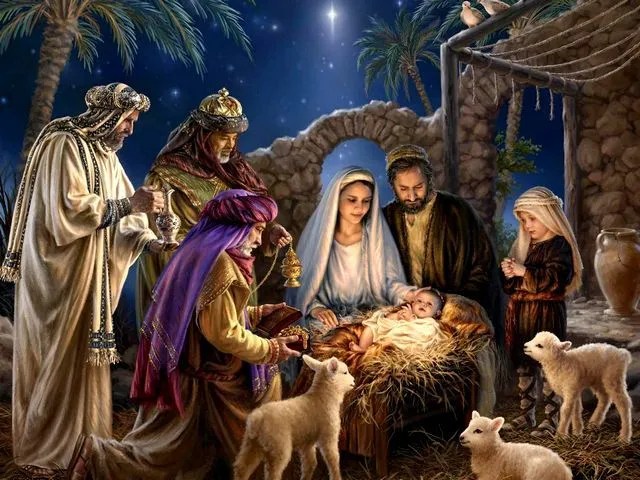
Dear brothers and sisters in Christ, this Sunday we celebrate the great Solemnity of the Epiphany of the Lord, marking the important moment when Our Lord and Saviour, Jesus Christ, was revealed to the nations, to the Gentiles or the non-Jewish peoples, as represented by the Magi, also known as the Three Wise Men or even Three Kings, who came from afar, following the bright star, the Star of Bethlehem, in trying to find the Saviour promised by God to His people, the Israelites.

This great Solemnity of the Epiphany of the Lord got its name from the word Epiphaneia, which is the Greek word for ‘manifestation’ and it can be interpreted with the meaning of God having revealed and manifested Himself before the peoples of all the nations, coming to seek Him and worship Him. No longer that He is just a King and Saviour for the Jewish people alone, as He has revealed before through His prophets in the past, that all the nations and the peoples from those nations will come together seeking the Lord, worshipping and praising Him.

As we all heard from our first reading today taken from the Book of the prophet Isaiah, the prophet mentioned how the Lord has shown His Light and Salvation to the people of Israel, and how not just the Israelites but all the peoples of all the nations will become God’s beloved people, and follow Him through the Light of His salvation, that is in Jesus Christ, Our Lord and Saviour. It was in Christ that God’s love has been manifested in the flesh, appearing before all of us, Emmanuel, God Who is with us, dwelling in our midst, all of His people.

Through Him, the world that has been in darkness, the darkness of evil and sin has seen a great new Light, the Light that pierces through the darkness of those evils and wickedness. God’s Light and Hope triumphed even over the power of sin and death, and by His coming, Christ brought unto us the assurance of God’s everlasting and enduring love for each one of us. He came to us to reach out to our hearts and minds, calling on us to follow Him and to turn away from our past evils, wickedness and sins. God has given us the way out of the darkness and into His new light.

I am certain that all of us are familiar with the story of the Magi and how they came after having travelled a great distance from their respective home countries, witnessing the great Star of Bethlehem that became their guide and hope, as they endured the long and arduous journey to come to seek the Lord. They finally found Him there in Bethlehem of Judea, a small town where the Lord and Saviour of all was born, placed in a manger in a place that was small and simple, possibly in a stable or any other similar place that was unworthy of proper human habitation, and less still for a King.

Nonetheless, He came into our world, to show His love for us, and through the Magi and their gifts, He revealed Himself to us and the gifts of the Magi also showed us Who the Lord truly is, that Child born in Bethlehem, as the Son of God, the Divine Word Incarnate and not just merely a little Child as how others would have perceived Him to be. The Magi, who are traditionally three in number, corresponding to their three gifts, and named Caspar, Melchior and Balthasar, offered the gifts of gold, frankincense and myrrh to the Lord, paid homage to Him and worshipped Him.

Let us all go through the gifts one by one, beginning with the gift of gold. All of us know that gold is a precious metal that has been used for millennia in the making of precious items and ornaments, of crowns and other expensive items, particularly with regards to royalty and power. For gold is a great symbol of wealth, and it also represents the Kingship of Christ. This is because it was often that the use of gold was often restricted to royalty and only the kings in the past usually had the ability to display his riches and power in gold. It has therefore been a mark and symbol of majesty and power since time immemorial.

Then, gold has also been used in the making of idols, as many pagan idols and gods were made with the liberal use and ornamentations from gold. In the history of the Israelites themselves, I am sure all of us are familiar with how the people of Israel forced Aaron to make for them the golden calf idol when they thought that Moses had died or abandoned them on Mount Sinai. They worshipped that golden calf idol and abandoned their God Who had just liberated them from the hands of the Egyptians and their Pharaoh not long ago. Yet, the gold itself has no fault, as it was how the gold was used that made it to be tainted by evil.

How so? The Ark of the Covenant, the most sacred artefact of the people of Israel, containing the two tablets of stone with the Ten Commandments, the staff of Aaron and the manna, placed in the Holy of Holies and symbolising the presence of God is made almost entirely from gold, and even the Holy of Holies itself were also constructed with ample use of gold. Gold therefore is both a symbol of royal authority, power and divinity, highlighting how the Child Jesus was no mere child but in truth is the King of Kings, Lord of Lords and Master of all the whole Universe.

Then, for the gift of frankincense, we all know how incense has been used for a very long time to offer worship to the divine, to various gods and idols. People from various cultures and origins always associate the pleasant aroma of the various incense blends with the aroma pleasing to their deities, and offered them on their altars. Frankincense itself has an even more significant meaning, as it is the highest quality incense, just as frankincense itself meant high quality incense. It is the purest incense of the highest quality and is reserved for the most solemn occasions.

Its offering to the Child Jesus served as a revelation to all of us that Jesus is not just a mere Man, but He is the Divine Son of God at the same time. He is the one Person with two distinct yet inseparable natures, of Divine and Human natures distinct but perfectly united in his one Person, in the same Child Jesus that the Magi had paid homage to. This offering of frankincense highlighted that divinity of Christ, which at that time was not yet visible behind the veil of His humanity. It is a reminder that Christ, Our Lord and Saviour, is the Divine Word Incarnate, the Son of God Who willingly embraced our human existence, to be born into this world and to make God’s love tangible and approachable to us.

And in another explanation, frankincense is also representative of the Christ’s role as the High Priest of all, a foreshadowing of His own actions later when He would be standing between us and death, offering on our behalf on the Altar of Calvary, the Altar of His Cross, both as our High Priest and as the Paschal Lamb of sacrifice. This frankincense is the symbol of His office and role as the High Priest to deliver us all the redemption and forgiveness through His one act of supreme love by the self-sacrifice on the Cross. It is a prefigurement of the great work of His salvation for us.

Then, the last gift of myrrh by the Magi is a most peculiar and strange one, as myrrh is a kind of spice used in the embalming of the dead, and it was not meant to be offered to a living person and less still to be offered to a Child. Yet, it was a very powerful symbol of the Lord and what He would do in His ministry, again related to His Passion, His suffering and death on the Cross. Although no one could have known it back then, but this was a prefigurement of Christ’s death, and how He would have to go through death in order to accomplish His mission.

Myrrh is also significant because in the various cultures, the embalming of the dead, particularly that of royalty and the nobility was symbolic of their desire to seek eternal life and way out of death. People had always feared death from time immemorial as the end of our earthly life, and because of that, people had always tried to seek ways to prolong their lives without success. And in some cultures in fact, the people believed that they could transcend death and became like the gods.

This highlighted how the Lord our God is so unique among all other beliefs and schools of thoughts out there, from all different faiths and religious beliefs, as when everyone else desired to transcend their mortality to become divine, Our Lord alone willingly humbled Himself to embrace our humanity and take up our human nature, to make His infinite and vast glory into the small and perceivable form of a small Child lying in a manger in Bethlehem. And not only that, as He also willingly later on embraced the worst of sufferings and pain, the scourges and the piercing of nails, as He was condemned to death on the most humiliating punishment on the Cross, for our sake.

As we have just heard and discussed, all the three gifts of the Magi, the gifts of gold, frankincense and myrrh are all very symbolic and serve to reveal to us all, to the people of all the nations Who this Child Jesus really was. He is the Almighty God and Ruler of all, the King of Kings and the Lord over all creation, the High Priest of all of us mankind, Who has offered on our behalf the most worthy offering, the offering of His own Most Precious Body and Blood on the Altar of the Cross, Who endured suffering and death for our salvation.

The Magi who came from the very far country to seek the Lord bearing the gifts actually represent all of us mankind, all the peoples who have the desire to seek the Lord and to find Him as their Light and salvation. It is a reminder that God came to us not only to save a certain group of people and to gather the children of Israel only, unlike what some among the Pharisees and the teachers of the Law would have asserted. Instead, God is calling all the peoples to follow Him, to embrace His truth and love, the same truth and love that His Son, Our Lord Jesus Christ has brought unto us.

The Magi followed the bright light of the Star that pointed them towards the Saviour. And this is a reminder for each and every one of us as Christians as we gather to remember the importance of the Epiphany to us. Through the gifts of the Magi, the gold, the frankincense and myrrh, we have been reminded of the nature of Our Lord’s Incarnation and coming into this world, all that He had done for our sake. Through His suffering and death, and by His glorious Resurrection, He has restored us back to life. And yet, are we following Him as the Star and the Light of our lives as well?

How many of us have disregarded the generous love that God has given us and rejected the kindness and mercy that He has shown us? This Christmas season we are constantly being reminded of all that God has done for our sake, and we should do our very best to focus our attention to Him and to glorify Him through our actions and service. Let us do whatever we can, even in the smallest things we say and do, so that our lives become a reflection of God’s Light, truth, hope and love in our respective communities.

In our world today, with so much suffering and difficulties encountered by us and many of our brothers and sisters, let us bring hope and encouragement to each other, and be each others’ pillar of support that we may endure the challenges that we may face together as one Church and one community of the faithful. We are all called to be the bearers of our Christmas joy and hope to all others, that God and His wonderful love and deeds may be known to all through us.

Let us all proclaim our great Lord and Saviour, the One Who has manifested and revealed Himself to the nations through the Magi, the Almighty God, Incarnate in the flesh and born of the Blessed Virgin Mary, His mother. Let us all proclaim Him before all the peoples with true faith and sincerity, so that more and more people may come to believe in the Lord through us. May the glory of Our Lord, He Who has manifested Himself and dwelled among us be with us, and may He bless us all in our every good efforts, works and endeavours. Amen.

Sunday, 2 January 2022 : Solemnity of the Epiphany of the Lord (Homily and Scripture Reflections)

Liturgical Colour : White

Dear brothers and sisters in Christ, this Sunday we celebrate the great Solemnity of the Epiphany of the Lord, marking the important moment when Our Lord and Saviour, Jesus Christ, was revealed to the nations, to the Gentiles or the non-Jewish peoples, as represented by the Magi, also known as the Three Wise Men or even Three Kings, who came from afar, following the bright star, the Star of Bethlehem, in trying to find the Saviour promised by God to His people, the Israelites.

This great Solemnity of the Epiphany of the Lord got its name from the word Epiphaneia, which is the Greek word for ‘manifestation’ and it can be interpreted with the meaning of God having revealed and manifested Himself before the peoples of all the nations, coming to seek Him and worship Him. No longer that He is just a King and Saviour for the Jewish people alone, as He has revealed before through His prophets in the past, that all the nations and the peoples from those nations will come together seeking the Lord, worshipping and praising Him.

As we all heard from our first reading today taken from the Book of the prophet Isaiah, the prophet mentioned how the Lord has shown His Light and Salvation to the people of Israel, and how not just the Israelites but all the peoples of all the nations will become God’s beloved people, and follow Him through the Light of His salvation, that is in Jesus Christ, Our Lord and Saviour. It was in Christ that God’s love has been manifested in the flesh, appearing before all of us, Emmanuel, God Who is with us, dwelling in our midst, all of His people.

Through Him, the world that has been in darkness, the darkness of evil and sin has seen a great new Light, the Light that pierces through the darkness of those evils and wickedness. God’s Light and Hope triumphed even over the power of sin and death, and by His coming, Christ brought unto us the assurance of God’s everlasting and enduring love for each one of us. He came to us to reach out to our hearts and minds, calling on us to follow Him and to turn away from our past evils, wickedness and sins. God has given us the way out of the darkness and into His new light.

I am certain that all of us are familiar with the story of the Magi and how they came after having travelled a great distance from their respective home countries, witnessing the great Star of Bethlehem that became their guide and hope, as they endured the long and arduous journey to come to seek the Lord. They finally found Him there in Bethlehem of Judea, a small town where the Lord and Saviour of all was born, placed in a manger in a place that was small and simple, possibly in a stable or any other similar place that was unworthy of proper human habitation, and less still for a King.

Nonetheless, He came into our world, to show His love for us, and through the Magi and their gifts, He revealed Himself to us and the gifts of the Magi also showed us Who the Lord truly is, that Child born in Bethlehem, as the Son of God, the Divine Word Incarnate and not just merely a little Child as how others would have perceived Him to be. The Magi, who are traditionally three in number, corresponding to their three gifts, and named Caspar, Melchior and Balthasar, offered the gifts of gold, frankincense and myrrh to the Lord, paid homage to Him and worshipped Him.

Let us all go through the gifts one by one, beginning with the gift of gold. All of us know that gold is a precious metal that has been used for millennia in the making of precious items and ornaments, of crowns and other expensive items, particularly with regards to royalty and power. For gold is a great symbol of wealth, and it also represents the Kingship of Christ. This is because it was often that the use of gold was often restricted to royalty and only the kings in the past usually had the ability to display his riches and power in gold. It has therefore been a mark and symbol of majesty and power since time immemorial.

Then, gold has also been used in the making of idols, as many pagan idols and gods were made with the liberal use and ornamentations from gold. In the history of the Israelites themselves, I am sure all of us are familiar with how the people of Israel forced Aaron to make for them the golden calf idol when they thought that Moses had died or abandoned them on Mount Sinai. They worshipped that golden calf idol and abandoned their God Who had just liberated them from the hands of the Egyptians and their Pharaoh not long ago. Yet, the gold itself has no fault, as it was how the gold was used that made it to be tainted by evil.

How so? The Ark of the Covenant, the most sacred artefact of the people of Israel, containing the two tablets of stone with the Ten Commandments, the staff of Aaron and the manna, placed in the Holy of Holies and symbolising the presence of God is made almost entirely from gold, and even the Holy of Holies itself were also constructed with ample use of gold. Gold therefore is both a symbol of royal authority, power and divinity, highlighting how the Child Jesus was no mere child but in truth is the King of Kings, Lord of Lords and Master of all the whole Universe.

Then, for the gift of frankincense, we all know how incense has been used for a very long time to offer worship to the divine, to various gods and idols. People from various cultures and origins always associate the pleasant aroma of the various incense blends with the aroma pleasing to their deities, and offered them on their altars. Frankincense itself has an even more significant meaning, as it is the highest quality incense, just as frankincense itself meant high quality incense. It is the purest incense of the highest quality and is reserved for the most solemn occasions.

Its offering to the Child Jesus served as a revelation to all of us that Jesus is not just a mere Man, but He is the Divine Son of God at the same time. He is the one Person with two distinct yet inseparable natures, of Divine and Human natures distinct but perfectly united in his one Person, in the same Child Jesus that the Magi had paid homage to. This offering of frankincense highlighted that divinity of Christ, which at that time was not yet visible behind the veil of His humanity. It is a reminder that Christ, Our Lord and Saviour, is the Divine Word Incarnate, the Son of God Who willingly embraced our human existence, to be born into this world and to make God’s love tangible and approachable to us.

And in another explanation, frankincense is also representative of the Christ’s role as the High Priest of all, a foreshadowing of His own actions later when He would be standing between us and death, offering on our behalf on the Altar of Calvary, the Altar of His Cross, both as our High Priest and as the Paschal Lamb of sacrifice. This frankincense is the symbol of His office and role as the High Priest to deliver us all the redemption and forgiveness through His one act of supreme love by the self-sacrifice on the Cross. It is a prefigurement of the great work of His salvation for us.

Then, the last gift of myrrh by the Magi is a most peculiar and strange one, as myrrh is a kind of spice used in the embalming of the dead, and it was not meant to be offered to a living person and less still to be offered to a Child. Yet, it was a very powerful symbol of the Lord and what He would do in His ministry, again related to His Passion, His suffering and death on the Cross. Although no one could have known it back then, but this was a prefigurement of Christ’s death, and how He would have to go through death in order to accomplish His mission.

Myrrh is also significant because in the various cultures, the embalming of the dead, particularly that of royalty and the nobility was symbolic of their desire to seek eternal life and way out of death. People had always feared death from time immemorial as the end of our earthly life, and because of that, people had always tried to seek ways to prolong their lives without success. And in some cultures in fact, the people believed that they could transcend death and became like the gods.

This highlighted how the Lord our God is so unique among all other beliefs and schools of thoughts out there, from all different faiths and religious beliefs, as when everyone else desired to transcend their mortality to become divine, Our Lord alone willingly humbled Himself to embrace our humanity and take up our human nature, to make His infinite and vast glory into the small and perceivable form of a small Child lying in a manger in Bethlehem. And not only that, as He also willingly later on embraced the worst of sufferings and pain, the scourges and the piercing of nails, as He was condemned to death on the most humiliating punishment on the Cross, for our sake.

As we have just heard and discussed, all the three gifts of the Magi, the gifts of gold, frankincense and myrrh are all very symbolic and serve to reveal to us all, to the people of all the nations Who this Child Jesus really was. He is the Almighty God and Ruler of all, the King of Kings and the Lord over all creation, the High Priest of all of us mankind, Who has offered on our behalf the most worthy offering, the offering of His own Most Precious Body and Blood on the Altar of the Cross, Who endured suffering and death for our salvation.

The Magi who came from the very far country to seek the Lord bearing the gifts actually represent all of us mankind, all the peoples who have the desire to seek the Lord and to find Him as their Light and salvation. It is a reminder that God came to us not only to save a certain group of people and to gather the children of Israel only, unlike what some among the Pharisees and the teachers of the Law would have asserted. Instead, God is calling all the peoples to follow Him, to embrace His truth and love, the same truth and love that His Son, Our Lord Jesus Christ has brought unto us.

The Magi followed the bright light of the Star that pointed them towards the Saviour. And this is a reminder for each and every one of us as Christians as we gather to remember the importance of the Epiphany to us. Through the gifts of the Magi, the gold, the frankincense and myrrh, we have been reminded of the nature of Our Lord’s Incarnation and coming into this world, all that He had done for our sake. Through His suffering and death, and by His glorious Resurrection, He has restored us back to life. And yet, are we following Him as the Star and the Light of our lives as well?

How many of us have disregarded the generous love that God has given us and rejected the kindness and mercy that He has shown us? This Christmas season we are constantly being reminded of all that God has done for our sake, and we should do our very best to focus our attention to Him and to glorify Him through our actions and service. Let us do whatever we can, even in the smallest things we say and do, so that our lives become a reflection of God’s Light, truth, hope and love in our respective communities.

In our world today, with so much suffering and difficulties encountered by us and many of our brothers and sisters, let us bring hope and encouragement to each other, and be each others’ pillar of support that we may endure the challenges that we may face together as one Church and one community of the faithful. We are all called to be the bearers of our Christmas joy and hope to all others, that God and His wonderful love and deeds may be known to all through us.

Let us all proclaim our great Lord and Saviour, the One Who has manifested and revealed Himself to the nations through the Magi, the Almighty God, Incarnate in the flesh and born of the Blessed Virgin Mary, His mother. Let us all proclaim Him before all the peoples with true faith and sincerity, so that more and more people may come to believe in the Lord through us. May the glory of Our Lord, He Who has manifested Himself and dwelled among us be with us, and may He bless us all in our every good efforts, works and endeavours. Amen.

Sunday, 2 January 2022 : Second Sunday after Christmas (Homily and Scripture Reflections)

Liturgical Colour : White

Dear brothers and sisters in Christ, this Sunday we celebrate the second Sunday in the Christmas season, for all of us who are celebrating the Solemnity of the Epiphany of the Lord on its traditional date of the sixth of January. This Sunday as we have heard in the Scripture passages, we are again constantly being reminded of what we are celebrating in this Christmas season, that is celebrating the great appearing of Our Lord and Saviour in the flesh, Jesus Christ, the One Whom God has sent into our midst to be our Hope and the Light of our salvation, the Divine Word Incarnate.

In our first reading today, taken from the Book of the prophet Jeremiah, we heard of the words of God’s salvation and promise of redemption being proclaimed and spoken before the people. At the time of the prophet Jeremiah, the fortunes of the people of God, the Israelites and their descendants had been at an all-time low, as they were facing great distress, humiliations, defeat and a lot of trials and troubles from different sources, one after another. All those things were caused by their own lack of faith in God and by their constant disobedience against God, preferring to walk in their own path than to walk in the path that God had set before them.

As a result, not only that the Assyrians had destroyed the northern kingdom and carried most of the northern ten Israelite tribes into exile and destroyed their cities, but even the southern kingdom of Judah was soon to face its own twilight and end as well. The enemies of the people of God rose against them and due to their continued disobedience and rebellion against God, even to the persecution of the faithful prophets and servants of God like Jeremiah, the kingdom of Judah was bound to be destroyed as well, which would later happen at the hands of the Babylonians.

But all the while God and the prophet Jeremiah proclaimed how the destruction of Judah and Jerusalem would become because of the evil deeds and the wickedness of the people, their kings’ bad influences and all of their infidelities, in worshipping pagan idols and demons, but God still in truth loved His people and did not abandon them. Why is that so, brothers and sisters in Christ? That is because just as what we ourselves often experienced, it is the people who had consciously chosen to abandon God and His truth and love instead, and chose to walk the path of evil and sin.

That is why, through what the Lord has spoken and done for His people, He wants to show them that He still loves us despite all that we have done to hurt Him, in betraying and abandoning Him. He revealed how all of them would be gathered back from being scattered amongst all the nations. The Lord has shown His commitment and dedication to the Covenant He had made with us even when we have repeatedly disobeyed Him and betrayed Him. He still tried very hard to reach out to us and to help us to find the path to redemption.

To this extent, He has shown us His salvation through none other than Jesus Christ, His most beloved Son, Whom He had sent into the world, incarnate in the flesh, the Divine Word Incarnate as we heard in our Gospel passage today. In his Gospel, St. John the Apostle began his account with the most beautiful and detailed exposition of the truth and reality of the Lord God, the Word of God, Who was with the Father and is God, coming down into this world by the power of the Holy Spirit, indwelling in the womb of Mary, His mother, and became the Son of Man, born and revealed to all in Christmas.

Through Christ, the love of God has been manifested perfectly in the flesh and His love is no longer intangible. Through Jesus Christ our Lord, God’s love takes form and is approachable to us, and He came to us as He had promised, through the prophet Jeremiah and many others, to gather all of us back to Himself and to show us the path to eternal life with Him. God has not abandoned us and He has embraced us, through His Son, Emmanuel, God Who is with us. His coming into this world as we celebrate at Christmas is a truly significant event in our human history, and in the history of our redemption.

For through Him, we are no longer without hope and we have no more need to fear because while once we have been destined for destruction and damnation because of our sins, God’s love triumphs even over those sins and all the wickedness we have committed, and through His Son, Whose sacrifice on the Cross became the worthy offering for the atonement of all of our sins, God has shown us the path out of the darkness and into eternal life. He is indeed the Light for the people who are still living in the darkness, that is all of us sinners.

Yet, how many of us actually realise this truth, brothers and sisters in Christ? How many of us actually remember God’s love and see His love in the coming of His Son into this world? We do not have to look far beyond our own actions in life. How many of us celebrated Christmas without Christ Our Lord as the centre and focus of all of our celebrations? And how many of us spent our Christmas mostly in merrymaking, revelry and celebrations and forgetting all that God has done for us out of His enduring love? We cannot truly celebrate Christmas without Christ, brothers and sisters in Christ.

Therefore this Sunday, as we continue to go through the Christmas season and as we continue our celebrations of the Christmas joy and exultation, we are called to remember the reason for all of our rejoicing and happiness. It is because of Our Lord and Saviour, Jesus Christ, born in Bethlehem into this world that we have seen God’s light and salvation, tangible and approachable, and no longer just something that we cannot understand or grasp. This Sunday we should remind one another of God’s love made Man, in His ever generous love poured down to us in Christ His Son.

And because God has loved us so much, and given us the reason to rejoice much as the Israelites of old had received those glad tidings and hope amidst the darkness of their state then, let us all be the bearers of Christ’s light and hope in our communities today, spreading the joy that has come with Our Lord and which we celebrate this day and this season. Let our actions bring hope and encouragement to our fellow brothers and sisters, especially those who are sorrowful and without hope. Let us share our joy and celebrations with those who have little or no joy at all in their lives.

May the Lord, our Saviour and King, our loving God and Creator, Who has willingly come down to us in the flesh, be with us all and bless us in all things, so that our year ahead may be most blessed and wonderful. And may all of us draw ever closer to the Lord, as we commit our every living moments to serve and glorify Him, now and always. May God bless all of our works, efforts and endeavours, and may we have a truly blessed Christmas celebrations. Amen.