On Priests and Smartphones

http://www.ucanews.com/news/forget-the-smart-phones-pope-tells-seminarians/68712

With reference to Pope Francis’ comment on smartphones and with due deference, smartphones can be very useful for priests and even religious, for use in evangelisation and reach out especially to youths. Because we are at a time when the communication system has grown so rapidly that if priests and the Church does not adapt to it, or even reject it, may bring catastrophic consequences in the future.

I can understand that old people tend to be uncomfortable with new gadgets and technologies, as we can see in old people around us, but some of them are indeed eager to embrace them and learn so that they can be more in touch with the youths, their own grandchildren and other youths in general.

Telling priests not to have smartphones is like a ‘technological suicide’ because smartphones are no luxury! In the near future, many people will have smartphones in one way or another, even many among the poor. The smartphones will be a great help, because priests are ever given greater and greater responsibilities, first because of the decrease in priest : laity ratio, and the general increase in demands and responsibilities expected of a priest.

Smartphone can allow priests, especially the new generation of priests to react quickly to any situation. Imagine that one priest can rapidly react to any issues relating to parishioners through a well established connection system in a parish, not unlike what I have observed in classes, with the teacher contacting several students whom are entrusted with ‘continuing the chain’ down to the last student.

The same could be used with great efficiency, from the priest, parish priest in particular, to the parish groups, and rapidly to the people. Whatsapp and other applications like BlackBerry Messenger after all can reach many more people and much faster than traditional phone.

And ultimately, smartphones does help priests to organise themselves and are great help, especially for priests who are always bombarded with so many responsibilities that they may forget to attend an appointment, just because they do not have a smartphone to aid them.

So once again, while I agree with the luxury cars, that they should not be bought by priests, but to categorise smartphones with them is simply self-defeating.

The key is self-control. If you are a priest, and you are obsessed with getting every latest smartphones, a.k.a. getting the next model barely months after you bought the previous one, then it is wrong.

But if you are a priest and you have a decent smartphone that is potentially very useful. I would say : “Why not?” Indeed, one should say : “Well done! Use it as a great tool for new evangelisation! Especially for the youths in the Church!”

Saturday, 29 June 2013 : Solemnity of Saints Peter and Paul, Apostles, Great Feast Day of the Church of Rome (Psalm)

Psalm 33 : 2-3, 4-5, 6-7, 8-9

I will bless the Lord all my days; His praise will be ever on my lips. My soul makes its boast in the Lord; let the lowly hear and rejoice.

Oh, let us magnify the Lord, together let us glorify His Name! I sought the Lord, and He answered me; from all my fears He delivered me.

They who look to Him are radiant with joy, their faces never clouded with shame. When the poor cry out, the Lord hears and saves them from distress.

The Lord’s angel encamps and patrols to keep safe those who fear Him. Oh, see and taste the goodness of the Lord! Blessed is the one who finds shelter in Him!

Tuesday, 18 June 2013 : 11th Week of Ordinary Time (First Reading)

2 Corinthians 8 : 1-9

Now I want you to know about a gift of divine grace among the churches of Macedonia. While they were so afflicted and persecuted, their joy overflowed and their extreme poverty turned into a wealth of generosity. According to their means – even beyond their means – they wanted to share in helping the saints.

They asked us for this favour spontaneously and with much insistence and, far beyond anything we expected, they put themselves at the disposal of the Lord and of us by the will of God. Accordingly, I urged Titus to complete among you this work of grace since he began it with you.

You excel in everything : in the gifts of faith, speech and knowledge : you feel concern for every cause, and besides, you are first in my heart. Excel also in this generous service. This is not a command; I make known to you the determination of others to check the sincerity of your fraternal concern.

You know well the generosity of Christ Jesus, our Lord. Although He was rich, He made Himself poor to make you rich through His poverty.

Wednesday, 13 March 2013 : 4th Week of Lent (Scripture Reflection)

Jesus Christ, the Son of God, is closely linked and intertwined with God the Father, our Creator. Together with the Holy Spirit, the third part of the Trinity, they form the Holy Trinity of the Father, the Son, and the Holy Spirit. Many would misinterpret this, including the Jews at the time, that it means there are 3 Gods at the same time, and that Christians worship 3 Gods, and therefore polytheistic.

No, this is simply not the case, for The Three members of the Holy Trinity are indeed three distinct members, not the same from each other, and distinctively different between the three of them, but yet, at the same time, are also One, and indivisible. This is the mystery of the Holy Trinity, that God who is present in 3 Godheads of the Father Creator, the Son who is the Messiah and the Word of God, and the Holy Spirit the Advocate, are at the same time distinct as they are one. They are one because they are bound by the link that is immemorial and infinite in nature, that is perfect and divine love.

For Jesus Christ as the Son loves the Father perfectly, and so does the Father loves the Son in the same way, and the nature of this relationship to the Holy Spirit is none other but the same as well. And the Son does the will of the Father, because He obeys the Father, and even unto death, as our Lord Jesus Christ died for us on Calvary, on the cross, that we all can be saved, from death, and from sin.

Jesus Christ our Saviour, is the Word of God, which the Father had sent down to us, to be like us, sinful man, that he can teach all of us, as the Word, the Words of God, the love of God, and the true meanings of God’s commandments, that is love, and the very nature of God Himself, that is love, mercy, and compassion. He showed God’s teachings through His own examples, and through His ultimate dedication to the cause of the Lord. That is to die on the cross on Calvary, to give Himself up as the worthy sacrifice for all our sins. For He brought into Himself the sins of all men, and the contrite hearts of all those who believed in God, and became the worthy sacrifice, saving mankind from being doomed due to their rebellion against God.

Christ had suffered, and He had died on the Cross, and then he too had risen from the dead, and in glory He returned to the Father and left this world at the hands of His disciples, who continued to propagate His mission and His words, throughout generations, throughout many centuries and millennia, through good and hard times, through bountiful harvests of faith and persecution of the martyrs and the faithful in God, to all of us today who belong in God’s Church, which He established through Peter.

The Church today is the last and only bastion of truth, love, and light in this world increasingly eaten up by evil forces of consumerism, hedonism, secularism, and atheism. Many had abandoned God in search of temporary and worldly pleasures and temptations, and left God for their own reasons and their own ideas, and even thinking that they need no God, even though it’s the very God who had come down to us, in order to build a bridge between us and the Lord who created us, that we are finally able to return to God, through Christ’s death on the cross, His ultimate sacrifice, for all of us.

Our Church had been the greatest charitable body in the world, and had done much to help the poor and the suffering, and there are of course still much more that we can do to help, even every one of us, we can all contribute more to help those least and the weakest in our society. Let us all help the Church in its mission, help all who are involved in serving the weak, the poor, the ostracised, and the persecuted ones. Let us also of course strive to spread God’s Good News and message of love to all, especially those who had rejected Him, and those who even persecuted God’s holy people.

For Christ, the Son of God, will come to judge His people again at the end of time, at His Second Coming, which time and place we do not know about. But He always reminds us to be vigilant, and to be awake, lest we are caught unawares. He will judge those who had done acts of love, for one another, and for God, worthy, and worthy to join Him in eternal bliss of heaven. And to those whom had failed to love, those who failed to forgive and those who had forsaken Him, He will reject and drive away from His presence.

Let us not worry, since if we do what is good, God is on our side. Continue doing acts of love, mercy, and compassion, and begin to do charitable acts starting from small, little things we can help, like not refusing to help a beggar, and tried to spare a coin for them, and also to help one another in the society, and to be aware of the plight of our fellow brothers and sisters, that we will all remain strong, in God’s love.

Help one another to grow in faith, hope, and love, the three cardinal virtues of life. Let us pray that our faith in God will remain strong, that our hope in Him and mankind will be ever present, and be light to those who despair, and let our love burn within us, filled with God’s love, to show God’s love to all mankind, and to all the nations, that those who have yet bend their knees before the God who loves them and gave His life for them, will follow. Amen.

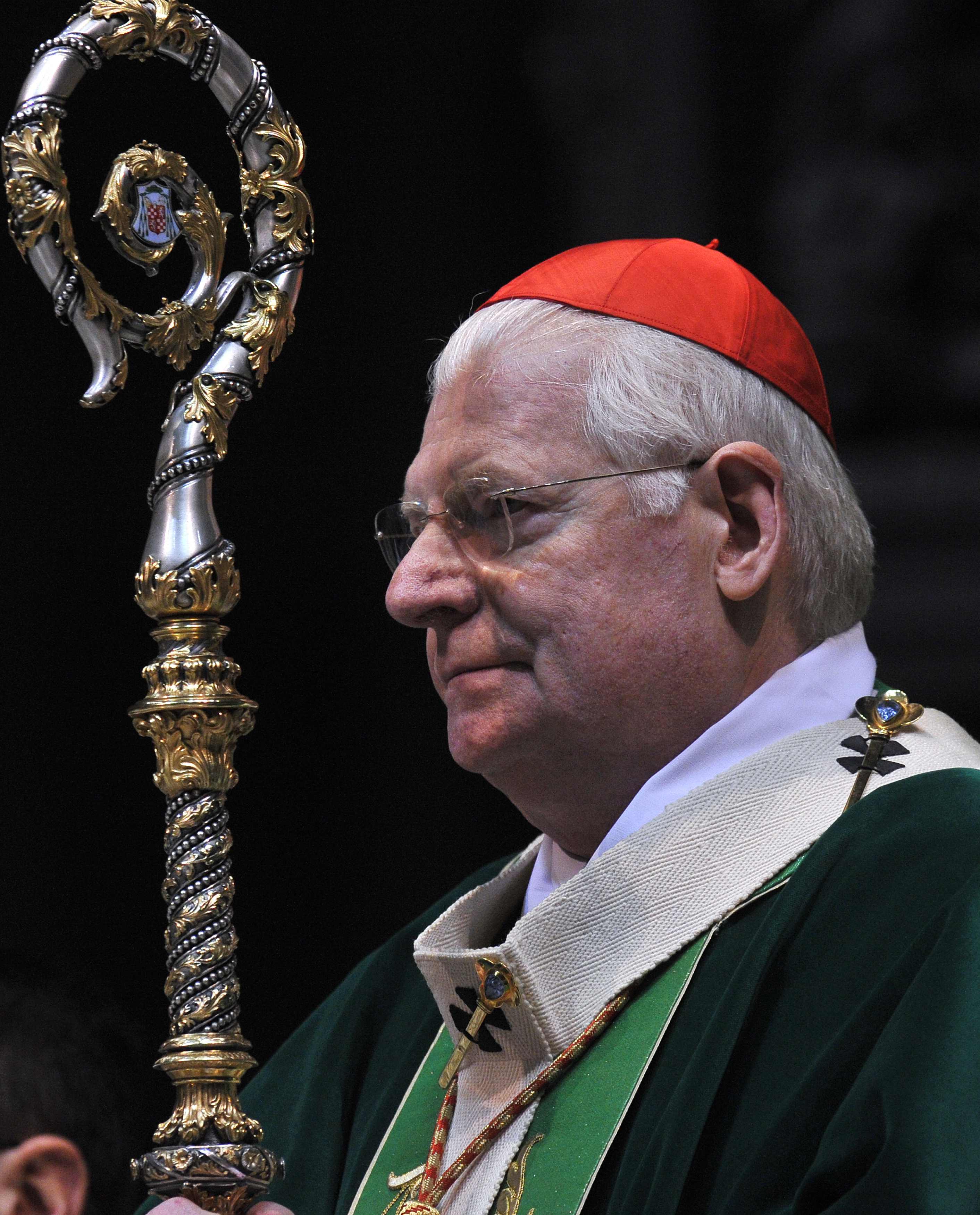
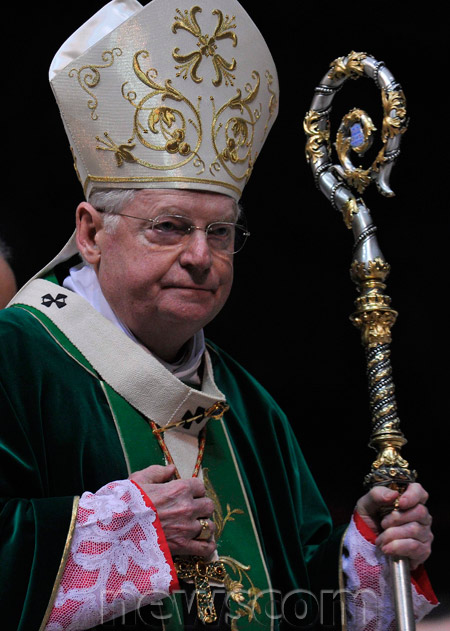
Cardinal Angelo Scola, Archbishop of Milan, the Papabile

http://www.eitb.com/en/news/world/detail/1282802/candidates-new-pope–profile-cardinal-angelo-scola/

From the article (My commentary at the end) :


Election of new pope

Profile of Cardinal Angelo Scola, Archbishop of Milan

APTN

03/11/2013

A conservative, and theologically close to both Pope Benedict and his predecessor John Paul II, Cardinal Scola is regarded as one of the leading European candidates to become Pope.

Cardinal Angelo Scola, the archbishop of Milan.

Cardinal Angelo Scola, the archbishop of Milan, shot to the top of a list of possible successors to Pope Benedict XVI almost immediately the resignation was announced.

A conservative, and theologically close to both Pope Benedict and his predecessor John Paul II, Cardinal Scola is regarded as one of the leading European candidates to become Pope.

Some observers tipped him to succeed after the death of John Paul II in 2005, but the conclave instead chose Cardinal Joseph Ratzinger who became Benedict XVI, the 265th pope.

But if there was rivalry between the candidates in 2005, it had little effect on their close relationship, and Scola remained a favourite of Pope Benedict’s, who appointed the Cardinal archbishop of the Milan Diocese in June 2011.

In the small town of Malgrate on Lake Como in northern Italy, many of the 5,000 residents are backing their hometown boy to become Pope. Scola was born in Malgrate on 7 November 1941 to a truck driver and a homemaker.

He entered the priesthood in 1970, became a Cardinal in 2003, serving first as Patriarch of Milan until he was elevated to his current post of archbishop.

Scola’s cousin, Angelo Colombo, remembers that during World War II he would spend time at his cousin’s home because Scola’s father was a truck driver and could get access to flour and bread.

Colombo said he would go to Scola’s family home, and his aunt and the future Cardinal would always share their food. When he asked if he thought his cousin would make a good Pope, Colombo laughed and responded: “he was a tough boy”.

Scola spent the early years of his life in a small home on Malgrate’s Salita Sant’Antonio. Alfredo Cagliandi was a classmate of Cardinal Scola and lived in the apartment below him.

“We would invite Angelo to come and play and he would repeatedly respond ‘I am sorry, but I don’t have time.’  He was too busy because was already involved in something religious,” said Cagliandi, who still lives in Malgrate.

Scola spent the first two decades after his 1970 ordination in the lecture halls and libraries of renowned Catholic universities and theological training grounds, notably in Fribourg, Switzerland, and the Lateran Pontifical University in Rome.

While pursuing theological studies, Scola was involved in Communion and Liberation, a conservative Italian Catholic group which blends political activism with faith-based fervour as it seeks to make its weight felt in the country’s decision-making.

Back in Scola’s home town, the local priest Father Andrea Lotterio proudly showed off the baptismal font where he says the town’s babies are still baptised today, noting that Scola was baptised there in 1941.

Father Lotterio said Scola has pleased the residents of Malgrate by never losing his strong ties to his hometown. “He has maintained his relationships with many local citizens, with his friends, with his relatives,” Lotterio said. “So much so that in this town he is called Don Angelo, instead of Cardinal or Patriarch of Venice.”

Pope Benedict resigned as leader of the Catholic Church on Thursday, becoming the first pope in 600 years to resign. For the time being, the governance of the Catholic Church shifts to Cardinal Tarcisio Bertone, the camerlengo, or chamberlain. Bertone, along with the College of Cardinals will guide the church and make plans for the conclave to elect the 266th leader within the next few weeks.


Commentary and additions:

Indeed, Cardinal Angelo Scola has many strengths and characteristics that we need as the new Pope to lead the Roman Catholic Church, the one and Universal Church. He does have his weaknesses, but his strengths more than made up for him. After all, it is human to have weaknesses and to make mistakes.

Cardinal Scola is media-savvy, able to reach out into the hearts of many, including youths and those in the world, who are longing for the Lord to come to them. Being media-savvy, and also internet-savvy, Cardinal Scola is not shy of using modern media tools, such as the internet, twitter, YouTube, his own site, and many other means to evangelise to the world, and to reach out, especially to youths.

Cardinal Scola also has a positive outlook and optimism in the Church, and indeed, instead of being pessimistic on the Church, and instead of looking at a Church in trouble, he dismissed all this, and all the lies that the media had brought about the Church, that the Church instead of being in chaos and trouble, is in fact growing, and filled with vibrant and strong faith and love in God, and Cardinal Scola has the capacity to tap into all these energies.

Cardinal Scola also came from a poorer family background, and he understood the plight of the poor and the less fortunate. His hometown people has often remembered him as someone who not only did not forget about where he came from, and where he was born, but also someone who constantly gives them his care and his love, in imitation of Christ and His care for the poor.

Cardinal Scola speaks Italian, English, French, and Spanish, and although his English is not that good, but he has quite a strong command of these languages, which are essential in the Pope’s ministry as the leader of the Universal Church.

Cardinal Scola’s initiatives to reach out to the Christians in the Holy Land and in other areas where Christians are minorities, and his involvement in interreligious dialogue and cooperation, and even with atheists, had been fruitful and crucial in strengthening Christians in the areas where they had been persecuted, and where persecutions are ongoing.

His experience in the Archdiocese of Milan, Patriarchate of Venice, and Diocese of Grosseto clearly showed that he is a pastoral leader with a humble and yet intellectual mind, that matches that of our beloved Pope Emeritus Benedict XVI. Yet, his experiences in the Roman Curia too were many, with works as leader of Pontifical Institute of Marriage and the Family, which he also took a strong stand with the Church in the sanctity of both marriage and the family.

His intellect, knowledge, and publications especially in topics like bioethics, in the midst of the attacks against Church’s stand on bioethics, cloning, and contraceptions will be essential for the future leader of the Church, and his ability to connect and reach out to people, more than Pope Emeritus Benedict XVI, will be valuable asset to have in the new Pope.

Nevertheless, now that the Conclave will begin soon, we continue to pray that God will pour His Holy Spirit on all the Cardinal-electors, that they can make a wise and inspired decision, to elect someone whom the Lord has chosen, as the best possible person to succeed His Apostle, Peter, and lead the whole Universal Church, that God Himself built in this world, to be the manifestation of His love, justice, and presence.

Saturday, 9 March 2013 : 3rd Week of Lent, Memorial of St. Frances of Rome, Religious (Scripture Reflection)

Brothers and sisters in Christ, today we hear once again, God’s call to us to return to Him in full sincerity. Not to depend on things that are temporary, and not to depend on vanity and self-preservation, and pride, like what the Pharisee did in glorifying himself before God, and did not humble himself, like the sinful tax collector did. Yes, the tax collector is sinful, but at the same time he is also humble, and not only humble, but also sincere in his repentance for his sins, and in his desire to return to God and to love Him back just as God loves him.

The path to God is not easy, and it is not through constant prayers the way that the Pharisee did, but rather, when we pray, we should humble ourselves before God, because first, we are sinners and unworthy of God, and yet He had sent His only Son to die on the cross for our salvation. He had been rejected, but yet return in glory so that all who believes in Him has the hope of reconciliation with God, and eternal life through Him.

We have often rebelled against the Lord in various ways, in many moments in our life in this world, just as our forefathers did, and like what the people of Israel had done, in the time when they still were as kingdoms in Judah and Israel, that they turned a deaf ear on God’s prophets, abandoned God for false gods, and massacred His prophets.

Of course, we did not do such things as killing God’s prophets and abandoning Him for idols that are false gods, but in our modern world today, we too have our own ‘false gods’ that had detracted us from God and His path. Worldly temptations, money, and allures of worldly pleasures, consumerism, and excessive capitalism, are just a few examples of the world’s new false gods that can detract us from our path towards the Lord, and turn our hearts towards Him.

Many people in our world today lack the love and faith they once had in the Lord, because that space in their heart that should have been reserved for the Lord, had been taken over by vices and corruption, by things that are not of the love and not of God. Many have also lost their ways, in their seeking of alternatives besides God.

Let us, brothers and sisters in Christ, first, not to fall in the same way as they are, and let us help one another that all of us will remain strong in our faith and our love for God, and not only that, let us help those who have already lost their way and have already turned their heart away from God, that they too may once again listen to the words of God, and be healed from their afflictions.

Today, we commemorate the feast of St. Frances of Rome, also known as Francesca of Rome, who was a pious wife of a wealthy commander of the Pope’s troops in the early 15th century, and she had considerable wealth and therefore, expected to be able to lead a happy life, without having to worry at all. Yet, she inspired many others, especially women at her time, to do plenty of works of charity, to help the poor and the marginalised, through her own works of charity, and she also founded a confraternity of pious women like herself, called the Olivetan Oblates of Mary, and thus helping to spread further the works of God and the love of God in her society, through prayer, and through service.

Let us imitate St. Frances of Rome, to do as what she had done, and in our life, not to be detracted by wealth and other temptations as St. Frances successfully did, and rather than letting ourselves getting enamoured by them, let us use them for good use in our works and services for the poor and the less fortunate around us.

St. Frances of Rome, pray for us.

Friday, 8 March 2013 : 3rd Week of Lent, Memorial of St. John of God, Religious (Scripture Reflection)

Today we hear again about love, and about compassion, these two most wonderful things in the world that came to us from God Himself. For God is love, and God is compassion. He loves all things, and especially all mankind, the last and greatest of all of His creations. Of course God hates all forms of evil and sin, but even greater is His love is for us sinners, if only that we too show Him our sincere and pure love for Him.

That is why the greatest commandments of all is to love, and even the base and heart of all the ten commandments in the Ten Commandments given to Moses, in all the prohibitions and the wordings are basically about love, and the commands given by God not to spurn the love between God and man, and the love between mankind themselves, who are fellow brothers and sisters in God. That is why love is very important, especially in our world today, when love is increasingly marginalised and misinterpreted.

For love is not just a commercial kind of love, and love is not desire and lust. Contrary to what popular perception is, love is not just limited to the love between a love-struck male and a love-struck female. That is just one form of love, and there are many kinds of love, and true love is definitely much more difficult than just to say “I love you” or giving presents and expensive gifts to show our ‘love’.

For to love means to have the profound and concrete change in our heart, and our being, and in some cases even to give ourselves in its entirety, to the other person, especially in the case of our love to God, to love Him with all our hearts, our minds, and our souls, and of course love between man and woman who have been made one by God, and no man should divide and separate such a divine union.

The reason why the institution of love, marriage, and the family had been under attack and had been subjected to much destruction in recent years is because of the growing absence of love in our world today, either between spouses, within the family itself, between the parents and the children, and between man and God, and between man and their fellow neighbours. Many of our world’s troubles today are because of the lack of this love, that man began to turn their back against God, abandoning Him for other pursuits, either for material goods or for the fame among men.

Violence in our world today has also arisen because of this growing lack of love, where brothers and sisters would not hesitate to attack one another physically or verbally, totally disregarding the commandments that God had given us, that is to love one another as we love ourselves. In too many cases today, we love ourselves too much, and we think too highly of ourselves. We are increasingly becoming less communal and more individualistic, and began to isolate ourselves from others, either in our busy career, in our busy commitments, or in our material properties and wealth, and at the same time also isolating ourselves from God and His love.

That is exactly the kind of love that St. John of God, whose feast we celebrate today, want to get away from. For St. John of God was a holy and pious man of God, and often strived for his personal piety and salvation through prayers and faith in God. However, one day, a great enlightenment came for St. John of God, through another saint, St. John of Avila, who advised him to put his personal piety and salvation behind an even more important matter, that is love for others, and service for the poor, the needy, and the less fortunate.

Since then, the light of love within St. John of God, which was previously confined within him, was released and he did plenty of good works for the sake of the poor, the abandoned, and the weak in the society of his time. This is the kind of love that God wants us to have, to care for our brethren, our fellow mankind without any hesitation, qualms, or ulterior motives, and to die first in ourselves, that we can be born anew as caring persons that place the well-being of others before our own.

It is not easy to cast away our selfishness and our strong love for ourselves, but brothers and sisters, if we help one another, and keep a strong prayer life, God will show us how to love others. It is not enough just to love God or to love ourselves alone, but to love others unconditionally is the final piece in the puzzle, that allow us to become truly beings of love that God desires, for when we love others in this way, and give ourselves to them, our own love for God will only become more perfect and more profound.

Let us pray brothers and sisters in Christ, that our life will be filled more fully with love, and that our actions too will be based on love and compassion. That we can do more things as God wanted us to do, to help one another, especially those least among us. Forgive one another’s sins and faults too. For if we do not forgive, we can never fully love one another, with the grudge and faults being in the way for that perfection of love. Let us imitate St. John of God, and also experience his moment of epiphany, when he understood that love can be more perfect, and faith can be more perfect, when it is shared and used for the good of others around us, rather than just kept within ourselves.

St. John of God, pray for us sinners, that we may follow your footsteps and grow in love for one another, and love for God our Father. Amen.

12 reasons why Cardinal Angelo Scola may be the next Pope : My chosen Papabile

Cardinal Angelo Scola attends a mass in Duomo Cathedral in Milan

Cardinal Angelo Scola (12 reasons why I think he is the best of all the other Candidates, a frontrunner, and should be elected Pope) :

1. Strong in faith and theology : Yes, an intellectual disciple of Pope Benedict XVI, and is as strong as our Pope Emeritus on theology and his deep knowledge of the faith and the Church

2. Close and capable to work with youths : Yes, will be Pope for the youths indeed, and have been working closely with youths in many occasions, especially in his pastoral ministry in Venice and now Milan.

3. Twitter : Already had, and had actively tweeted in the past! Will be no problem to continue to @Pontifex!

4. Italian and other languages : Yes, and Bishop of Rome definitely must speak fluent Italian! Also fluent in several other languages, including English.

5. Interreligious dialogue : Yes, and knowledgeable about Islam in particular, and have been active in reaching out to Christian minorities in the Middle East and the Muslim world.

6. Tradition : Strong in liturgy and tradition, a tradition-based Pope just like Pope Benedict XVI, we need a strong anchor of faith! A close and personal understanding of the liturgy through its beauty can only serve to strengthen the faith of the faithful and the Church.

angelo-scola
7. Charisma : Yes, strong charisma and outreach, and also has a global persona and able to connect with youths and other sections of the society.

8. Poverty and charity of the Church : Being born into low-middle income family, made him to have a close connection and personal connection to the poor and the less fortunate in the Church and the world.

9. Age : At 71, is at the prime age for Pope. Not too old (Pope Benedict XVI was elected at 78 and yet managed to lead an almost 8 year Pontificate), and therefore he will be expected to lead for 15-20 years, and relatively healthy, which is what the Cardinals seek. Not too young, and very experienced.

10. Experience (Curia) : Significant term as the Rector Magnificus of Pontifical University, and then as the President of the Pontifical Institute of John Paul II for Studies of Marriage and Family.

11. Experience (Pastoral) : Experience as Bishop of Grosetto, and long experience as the Patriarch of Venice, and also a great job as the Archbishop of Milan. Hence, being accorded the extremely rare honour of having headed to of Italy’s and the world’s most influential dioceses.

12. Bioethics and Family : Knowledgeable and had published books in bioethics (and also many other topics, totalling more than 120 volumes in total), and very supportive of marriage and family, and definitely strong in the matter, being the former President in the Pontifical Institute on the Family (see number 10). It is necessary to have a strong leader in the issue at the time when the institution of marriage and the family is under constant and increasingly serious attacks.

Monday, 18 February 2013 : 1st Week of Lent (Scripture Reflection)

God told us today, to be active in our faith, to live our faith, and to act out our faith. For indeed, faith without any act of love and justice is simply dead. Faith alone cannot guarantee us salvation. The Lord indeed said that if you have faith in Me, you will be saved, but He did not mean that we just have faith, staring at Him and just concern ourselves with Him all the time, ignoring all the sufferings that are around us, ignoring the plea for help made by our less fortunate brothers and sisters,

No, the Lord wants us to believe in Him and have faith in Him, but mainly through concrete action. How else to prove our faith to the Lord who is love and compassion, by doing what He is doing, that is to love and to be just to our neighbours, to our fellow men, and more so to those who are considered least and lowest in our respective societies. To God, we are all equal, but sadly, in our human society, more often than not, social hierarchy threw down many people who are poor, sick, and rejected into the bottom of the society, shunned and reviled by the people.

What God taught us, through Christ, is that the commandments that He has given through Moses to the people of Israel, had been perfected into the commandments of love. For all the commandments and rules He gave to Moses in the first reading today, it is clear that all of them are based on love. Love of our fellow men, and of course love for God. To love is to reach out to them with love, to reflect love in all things we do, and to make love the centre of our being, that through our actions, the love of God is made manifest in our world. For God’s love reaches all, but very often, this love becomes concrete and real through us, especially when we take on works of charity, approach those who are lonely and rejected, comfort those who sorrow and those who face tribulations and trials in their lives.

For God loves everyone so much, and equally, even to the least among us. Therefore, if we turn a blind eye to them, or even to join in persecuting them, the Lord will not be pleased. For to God, even those who are least, will also be worthy of His Kingdom, and sometimes it is true indeed, that those who have nothing, like those who are poorest and weakest, who loves God the most.

The failure to help and do good for our less fortunate brethren is what is called the sin of omission, just as we sin by doing something bad and evil, something displeasing before the Lord, so is the failure to do what is good and what will be able to alleviate the suffering of others, if we are fully capable to do it, but choose not to do so. Such is the sin of omission, which we are always repeatedly reminded in the Penitential Act we do in the Mass, “…what I have done, and what I have failed to do…” Let us therefore, not only make these declarations emptily, and let us from this moment onward, mean what we say.

Begin with those immediately around you, and those that you met along the way. If someone is asking you for help, even a simple one, do not outrightly reject them or shoo them away. If it is within your ability to help, why not lift a hand to give aid to those in need? But remember, not to do so in order to be praised ourselves like hypocrites, who show their acts of charity to make their fame increase, by trumpeting what they do in the streets. Do acts of charity with true sincerity and humility and out of love for our fellow brothers and sisters in Christ.

Let us pray today, that God will give us a heart of love and compassion, to be moved by the plight of those suffering around us, and those who lack love in their heart, that we may bring love to them as well. May God bless us all, always. Amen.

Sunday, 17 February 2013 : 1st Sunday of Lent (Scripture Reflection)

Today, again we listened to the Word of God, and found that if we stay faithful to God, despite all the temptations and the challenges facing us in our journey towards Him, God will reward us greatly, and in heaven our reward is great indeed. God loves us, and He does listen to us when we call on Him, and if we keep Him in our heart, we will not lose Him, for He is faithful.

Our modern world is filled with many things, tempting indeed for us, and many of these are so attractive that they divert our attention away from God, and into them. Worse still, these temptations made us forget about the love God has on us, how He died for us on the cross to save us from death and sin. Instead, we sin even more, and cause the Lord to grief over our continued rebellions against His ever-gracious mercy. For today, we learn indeed that there are three main forms of obstacles against us, against us in our journey towards the Lord. These are greed, power, and pride. These also translate as the three sources of temptations that affect us terribly, namely, commercialism, the world, and ourselves, our sinful beings.

First of all, when the devil tempted Jesus to turn the stone into bread, in order to fulfill His hunger, the devil tapped into our own weakness to greed and for more. For hunger is a natural occurrence in our lives when we do not intake any food for a while, but many of us who are in great abundance, not only fail to resist the temptation of the devil, and place our stomach above all the rest. Just look at all the greed in all the excessive eating habits, the high rates of obesity in many developed nations, where people eat without abandon, and eat like as if there is no tomorrow.

Not only in the matter of food, but also in fact with regards to possessions and wealth, where there are many who dedicate their whole lives solely for the pursuit of wealth, and more wealth, and affluence, and then more affluence. These people may even stop at nothing to gain what they want, including hurting others in the process, especially those they see as competitors to their goal. This is how sin and evil permeate into the hearts of all the people, including even among the faithful today. Jesus told us the way to overcome this, that is to focus on the Word of God, for we do not live from bread alone, but indeed what is most important is the spiritual food that we have, that is the Scripture. Read the Scripture, reflect on it, share it, and understand it, and you will find that you will find fulfillment greater than food, wealth, and affluence can offer.

For food, wealth, possessions, and affluence will pass away, and they will not be with us after we die. There are many out there in the world who suffer from hunger and poverty, and yet many of the rich and even those who are in the middle class who are too busy with their worldly pursuits, to offer a helping hand. The Church, which is also the world’s largest humanitarian agency, had done much to help these people, the least among the least, the last, the shunned, and the weakest.

However, there is only so much the Church can do, and ultimately it depends on us to also extend our helping hand. After all, through the word of God in the Scripture, we now know that when we give aid to these least among us, to those shunned and rejected by the society, we have done it for Christ. For Christ too is rejected by many, and hated by the world. But we, who believe in Him, if we cling strongly to Him, we will gain our due reward when the time comes.

Then the second obstacle, which is power and the offer of worldly power indeed. The very well-known phrase of “power corrupts, but absolute power corrupts absolutely” is the perfect illustrator of this condition, in which power can corrupt us and twist us into a power-hungry beings seeking to gain more power or preserve our own power or control over others. This does not mean that power cannot be handled responsibly, but again, who do we then base that power on? Is it based on the Lord? or is it based on the evil one?

For indeed, a power that is of the Lord is also humble, and is also loving, for those wielding power responsibly, and belonging to the Lord will also know justice and love, and will not wield that power to cause suffering for others. Yet many use power and misuse that for their own purposes, and often cause suffering in others. The world offer a great temptation for many who has power, to always seek more and more in power and others, which is linked to that of the first obstacle, greed.

The quest for power has brought many destruction in the past, although also many constructive ones. Many people have died in wars and conflicts, especially those brought up by personal ambitions of certain people who seek ultimate power. They achieved it but for what? For power too does not last, and it is only temporary, either they are overthrown or they lose that power upon their death. Power is something that God entrusted to us, and therefore let us seek to use that authority responsibly, and not to misuse them for our own personal benefits and the detriment for others.

Then again, Jesus fought the devil and taught us that we should focus ourselves on the Lord and give the devil no attention, and base our own authority and power indeed in God and His teachings, that we can truly become wise, responsible, and just stewards of this power God has bestowed on us, for the good of others around us.

Then the last one, is the most difficult obstacle of all, that is the pride within our own being, and ourselves. We who are weak in flesh, are constantly tempted, and though our spirit is strong, but temptation of the flesh can indeed lead us astray from the path towards the Lord, but nothing is more difficult to conquer than that of pride. We humans are prideful in our nature, and pride is what has become the downfall of many. For pride prevented us from seeing in ourselves the defects that we have, and in pride too, we grow to seek more for ourselves, and hence greed, and also the quest for more power, that hunger also began from pride, pride in ourselves and our own abilities.

It is perfectly fine to be proud of our achievements if we also give what is due to the Lord, since it is with the Lord’s help that we can accomplish many things that we otherwise cannot accomplish on our own. Pride, undue pride in particular, is the main obstacle blocking us from giving what is due to God, to thank Him for His great blessing and kindness. Remember, the devil himself was the greatest, brightest, and most brilliant angels in all heaven, who was Lucifer, the light-bringer. But in pride, he has allowed himself to indulge in his own vanity, in his beauty and might, that he aspires to ascend and become God himself, challenging God the creator who created all including him. In his pride, he fell, and became the devil. We too, in our pride, can fall, and from the beautiful ones we are upon our creation by the Lord, we can fall to become nothing better than the servants of the devil in our pride and our hubris.

For pride prevents us from bowing down before the Lord, from acknowledging our sins and faults, and from approaching the Lord most merciful with a humble and contrite heart. Jesus taught us to be humble, and to not challenge the Lord our God in our pride, but to rather open ourselves to God’s love and mercy. Read the Scripture, understand the Word of God, and share our faith with one another, that we can learn more on the values and virtues of humility, simplicity, responsibility, and love itself.

Let us therefore, brothers and sisters in Christ, in this Lenten season, strive to make this time a fruitful one, where we learn to wield power and authority we have responsibly, and to extend our hands to help those needy around us, those who hunger for food, those who hunger for love, and those who hunger for God. Bring to them what they need, and show God’s enduring love for all of them. Then let us also approach God with great humility, acknowledging our sins and weaknesses, and ask the Lord for His forgiveness, which He will be happy to do so, if only we approach Him with broken, humble, and contrite heart. A heart that longs for God and His love alone.

Let us like Jesus, confidently reject Satan, devil, Lucifer, the fallen angel out of pride, with a solid commitment to God, rejecting all his temptations and all his offer of corrupting goods and powers, and rather put ourselves completely in God’s hands and entrust ourselves to Him with all our hearts, our minds, and our souls. May all of us have a blessed Lent, and be prepared to commemorate our Lord’s Passion this coming Holy Week. Amen.