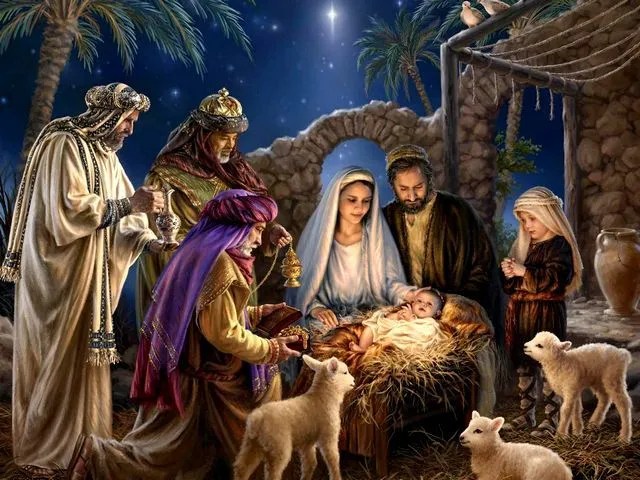
Sunday, 25 April 2021 : Fourth Sunday of Easter, Good Shepherd Sunday and Vocation Sunday, and Feast of St. Mark, Evangelist (Homily and Scripture Reflections)

Liturgical Colour : White

Dear brothers and sisters in Christ, this Sunday we mark the fourth Sunday in the season of Easter, and which is also known as the Good Shepherd Sunday or the Vocation Sunday. That is because on this Fourth Sunday of Easter the Gospel passage focused on the Lord as the Good Shepherd, referring Himself as that Good Shepherd Who leads the flock of the Lord, all of God’s people to the path of salvation, to gather them all into the embrace of God’s love.

Through today’s Scripture readings, we are reminded of the ever present and ever wonderful God’s love in our midst, the love which God has for each and every one of us. God has Himself become our Shepherd just as He is also our King. But through His identity as the Good Shepherd, it shows that not only He is symbolically represented as the One Who leads the way for us, but also that He cares for each one of us in a very personal way. He is not God that is distant or One Who did not know us.

On the contrary, He knows each and every one of us on a very deep and personal level, as He knows everything about us, through His omniscience. He Who created us also knows everything about us, often even things that we ourselves are perhaps not aware of. He knows us all like a true shepherd knows his sheep well, and a true and good shepherd truly knows them all and dedicates himself to all of the sheep, just as the sheep are also dedicated to the shepherd and stay by his side.

The Lord Jesus used this comparison to a shepherd for various reasons, one of which is that many Israelites at that time make their living as shepherds, herding herds of sheep or goats, or other animals. The Lord often made use of allegories and comparisons to the common trade of the people such as shepherding, fishing, farming and others, through His parables and teachings to help the people to understand better the context and the content of what He was delivering to them.

Then, what we cannot ignore is the fact that the beloved king of Israel, King David himself was a shepherd in his youth, who was recorded as having wrested with a great lion who was harming and threatening the flock that David was taking care of. David placed his life at stake in order to protect his sheep, and managed to win over the lion, saving his sheep. Thus, as the Good Shepherd, the Lord Jesus He would lay down His life, putting Himself between His sheep and the ‘lion’ of death.

That is in fact a revelation of what the Lord would be doing, in accepting humbly and willingly to be the Sacrifice, bearing His Cross and enduring all of the weight of our sins and the punishments due for all those sins. This is what St. Peter spoke of courageously and passionately before the assembly of the people and their elders, many of whom still refused to believe in Christ. As the Good Shepherd, He willingly received the punishments and die in our stead, that through Him and His selfless sacrifice, He could save us all from certain annihilation.

And lastly, a small detail which we may easily miss from today’s Gospel passage also showed what the Lord intended to do for us. As He spoke of the sheep of His flock, He said that there are also other sheep that are not of this fold, which refers to the Gentiles, or the non-Jewish people. When the Lord spoke this teaching of the Good Shepherd, He was speaking to His disciples and followers, which were mainly and mostly Jewish in origin.

Therefore, this shows that the Lord wants all of His children, all the people He had created to be saved, gathered and rescued from the darkness of the world. He came not only for the descendants of the people of Israel but for all mankind. And that was why after He has risen from the dead, He gave the commandment to His disciples, commissioning them all to go forth and make disciples of all the peoples of all the nations. He has sent His disciples to seek out the lost sheep from the whole world and to gather them back in the Lord’s loving embrace.

This is what St. John spoke of in our second reading passage today from his Epistle, speaking of the great love which the Lord has for each and every one of us, as the children of God. We are so beloved and truly blessed as such, to be called God’s own children. This is in line with what the Lord had told us that as our Shepherd, loving each and every one of us as His sheep, we are truly precious and beloved, and as alluded in another one of the Lord’s parables, the one on the lost sheep, so beloved is the sheep that even if one were to be lost, the shepherd would go and seek out that one lost sheep until it can be found.

Brothers and sisters in Christ, therefore today as we celebrate this occasion of the Good Shepherd Sunday or Vocation Sunday, we are called first of all to remember the love which God, Our Good Shepherd, through His Son, Jesus Christ, Our Lord, has shown us, that He willingly suffer and die for us, and by His Incarnation in the flesh, He has also entered into our lives and touched us, just as the shepherds come to be physically present in the midst of his flock. He Himself has endeavoured to guide us and to be our focal point in life, that through Him, and that we may truly feel and know His presence among us.

Sheep can be owned and yet without a shepherd. In the same manner thus, the Lord could have chosen to remain distant and act through intermediaries as He had done in the time of the Old Testament. But this is not to be the case, as by being our Good Shepherd, being in our midst and truly present among us, He has restored the bond of unity that was once broken and lost by the disobedience of our ancestors. When our ancestors Adam and Eve were in the Gardens of Eden, God was in their midst and was with them. After their fall into sin, they were cast out and had to endure exile.

As I said, sheep can be owned and yet without a shepherd. The sins of mankind had led them all away from the Lord, indulging in sin and darkness of the world. They have become lost sheep that ran away from their shepherd, lost in the darkness of the world. Are they still owned by the Lord? We sinners, are we still belonging to the Lord? Of course we are, but without the Lord as our Shepherd and Guide, we are lost and we cannot find our way home, unless we seek our Shepherd and Guide, Who is the Lord Himself.

Fortunately, our Lord, the Good Shepherd is looking for us, and He tirelessly seeks us out just as the shepherd in His parable out looking for his sheep. That was why He had put so much effort, reaching out to us throughout time, and then through His Church, as mentioned earlier, how He sent out His disciples, commissioning them to reach out and make disciples of all the peoples of all the nations.

That is why today on this Sunday we are also celebrating the Vocation Sunday. The Lord has called His Apostles to continue His good works, and to be shepherds in the same mould as He is, as the Good Shepherd. They and their successors, the bishops right to the very present day, with all the priests are the shepherds of the faithful flock of the Lord, and they have been called and chosen, and also chose to respond to the call of the Lord, to lead the people of God faithfully and guide them to the Good Shepherd.

That is why this Sunday we ought to pray for all of our priests, who are our spiritual fathers and shepherds, all the bishops and the Pope, as well as those whom God had called into the religious life and priesthood. They have all given themselves to the Lord to be the shepherds following the example of the one true Good Shepherd. They have a lot of work to do and a lot of challenges to be overcome in their ministry and journey as shepherds of the Lord’s faithful, and they need our support and prayers.

We also pray for the many seminarians currently in seminary formation, during the various stages of their seminary life, all those whom God had called and had responded with the genuine desire to follow Him and to be shepherds like Him. And not forgetting also all those who aspire to the priesthood and are discerning on their vocation in life. We also pray for them and give them our support, that they may make the right decision, and commit themselves to whatever the Lord has called them into.

Lastly, for all of us who are members of the laity, it does not mean that we have no calling or vocation in life. God has blessed us with many graces and blessings, with many talents and abilities, and we are all called to contribute in whatever way we can, in our respective fields and capacity, as members of Christian families and communities, to be holy and faithful, to be exemplary in how we live our lives, so that by our own lives and examples, we may also be ‘shepherds’ to one another, and to be role models in inspiring many to follow the Lord.

Brothers and sisters in Christ, let us all renew our commitment to the Lord therefore on this Good Shepherd and Vocation Sunday, that each and every one of us as members and parts of the same Body of Christ, the Church, we may do our very best to contribute to the efforts of the Church, in fulfilling our calling to be the Lord’s faithful witnesses, in reaching out to many people of all the nations, in our everyday living so that not only we can encourage and inspire one another to live faithfully and stay close to the Lord’s ways, but we may also inspire others who have not yet known or accepted the Lord, that they too may accept the Lord Jesus Christ, our Good Shepherd, as their Lord and Saviour.

May the Lord, our Good Shepherd, be with us always, and may He strengthen each and every one of us, His beloved flock and sheep, that all of us may remain in His love, and will continue to love Him, our most beloved Shepherd and Guide, at all times. May God bless our every good works, efforts and endeavours, now and always. Amen.

Sunday, 18 April 2021 : Third Sunday of Easter (Homily and Scripture Reflections)

Liturgical Colour : White

Dear brothers and sisters in Christ, this Sunday, the third Sunday in the season of Easter, we are all called to speak of God’s salvation that has come down into our midst through Christ, the Son of God, Who has willingly taken up on Himself all of our sins and all of the punishments due for those sins. He has endured all those sufferings, humiliations and trials for our sake, out of love for us. God has planned everything for our salvation, and we have been blessed because of that.

In our first reading today, taken from the Acts of the Apostles, the Jewish people in Antioch in Pisidia called upon St. Paul to speak to the Jewish diaspora in the synagogue on the Sabbath, to give them encouragement and strength. They were open and willing to listen to what St. Paul was to say to them about the Lord Jesus and His teachings. And thus, St. Paul spoke to them about how God rescued the ancestors of the Israelites from Egypt, how He led them out of the land of Egypt, and brought them to the Promised Land and guided them through the desert against their enemies.

Through this, St. Paul wanted to remind the people of God, the Jewish people of his time and also all of us Christians throughout the generations of the salvation promised by God, the love which He has held for all of us since the very beginning, and which He has faithfully kept as part of the Covenant that He has established with each and every one of us. And God will never abandon us to the darkness, to sin, evil and death, as He has shown how He broke the bonds of slavery from the Israelites by the Egyptians, and which He later on then showed even more wondrously by breaking the chains of sin and death from all of us.

As we heard our Gospel passage today, which was centred on the Resurrection of the Lord, we heard of how He appeared to the assembled disciples just after He appeared to the two disciples who were on their way to the village of Emmaus. At that time, the disciples hid themselves in fear in Jerusalem, because their Lord and Master had just been condemned and crucified to death by the Sanhedrin and the Romans, and they were left leaderless and lost.

When the Lord appeared before them, in all of His Risen glory, the disciples were astonished and stunned, unable to believe all that they had seen. Many would likely have thought that they had seen a ghost, and they were truly scared, as they could not believe that the Lord had truly returned to life, as death was truly something not only feared but also a certainty, from which no one could escape from. This is the fact, even when the disciples themselves had seen on few occasions how the Lord raised Lazarus and some others, including the daughter of a synagogue official from the dead.

Hence, the Lord showed them all that He was truly alive, returned from the dead, not merely a ghost or a spirit. Truly, He was risen from the dead in the Body and Spirit, having overcome death itself and destroyed the bondage of sin. As He ate before all of them, He proved to them all that He has overcome death, as no spirit or ghost could have done so. Eating is something that only the living could have done, and the Risen Lord was truly alive, in all of His risen glory.

Brothers and sisters in Christ, that is what we believe in, at the very core of our Christian faith, that we call ourselves as Christians because we believe in Jesus Christ, the One Whom God had sent into the world, His own only begotten Son. And through Christ, all of us have received the promise and assurance of eternal life by the Covenant which He has established with us and sealed with His own Precious Blood. We believe that the same Lord Jesus Christ has triumphed over death, and through His death and resurrection, He has shown us the proof of the saving power of God.

The Lord’s suffering, death and resurrection are fulfilment of what the prophets had been speaking about in the previous centuries before His coming. However, many of the ones who were supposed to know about the truth, such as the intellectual and wise Pharisees and the teachers of the Law, who were educated about the Law, the Scriptures and the words of the prophets, refused to believe in the truth and opposed the works of the Lord and His efforts, as they viewed Him as a rival to their power and influence within the community.

What prevented them from believing in God, in His Son, Jesus Christ, Our Lord and Saviour? It was their pride and desire, their attachment to the privileges, prestige and power they possessed, and their desire for fame and glory, for praise and acknowledgment that they wanted, and they feared to lose all of those things, and they did not want to be parted from the attachments they had to worldly glory and power. As such, these became great obstacles in their path towards believing in God.

Now, brothers and sisters in Christ, we are therefore called to live our lives from now on as a true testimony of our faith in Him, learning from the experiences of those who have been held back by their many attachments and distractions in life. We are called to live our lives each day with genuine and sincere faith that in our every actions, words and deeds we shall always live up to what the Lord had called us to do, and embrace fully the path that He has shown us.

If we truly believe in the Lord, then we should indeed make the effort to live our lives according to the way that He has shown us, and dedicate ourselves each day to be true to our respective calling and vocation in life as Christians, as those who believe in Christ and His truth. As St. John made it clear in our second reading today, in the Epistle he wrote to the faithful, that if we truly believe in Him then we ought to walk in His path and be genuine witnesses for the Lord through our lives and actions that become good inspirations for others.

Otherwise, if we do not do so, then we may end up being no better than the Pharisees and the teachers of the Law, many of whom outwardly expressed their faith, and yet their faith were rather empty and superficial. Their love and attachments towards their worldly power and fame ruined them and misguided them down the wrong path. That was why the Lord criticised them as hypocrites who were outwardly faithful and yet, as per St. John’s words, were liars as they did not truly have the faith for God in them.

As Christians we are all called to be genuine and true disciples of Our Lord, at all times. And as such, we should truly put our trust and faith in Him, and should not allow fear and doubt to distract us or prevent us from seeking God and doing His will. We have all been entrusted with the most important mission and commandment from the Lord, to be His witnesses in our respective communities, in all of our actions and outreach, in our every interactions with one another.

The Apostles and the disciples have seen the Risen Lord and truly witnessed the truth about His resurrection. They have also received the wisdom and truth through the Holy Spirit that they had been given at Pentecost, which they passed on to their successors and the faithful through the Church. We are inheritors of this truth, and therefore the responsibility is also passed on to us, to be faithful and committed witnesses of our Christian faith and truth, our belief in the Risen Lord and His teachings.

That is why, having received the assurance of freedom and liberation from the bondage of sin and the chains of death, all of us should share the joy of the resurrection with others, by living our lives in a genuine, most Christian manner. For it is by our lives and actions that people shall come to believe in God through us, and not through mere words alone. Worse still if our actions do not compare or even contradict what we say, how can we then expect others to believe in us? We may end up leading people further away from the Lord, and their loss will be weighed down on us on the Day of Judgment.

As we gather together on this Third Sunday of Easter, let us all discern carefully our path forward in life, that we may consider well how we are to live our lives that we may indeed be inspiration and good role models for one another, in testifying for the Christian faith and truth. We cannot be idle or act in manner that is contrary to our faith, as doing so is hypocrisy and we will end up being no better than the Pharisees and the teachers of the Law who once had made the same mistakes.

Instead, especially during the dark and difficult times that the world and many of our communities are enduring these past few months and throughout the past one year, due to the terrible impact of the global pandemic and other associated troubles, we should be the beacons of light and hope in our communities, among our families, our relatives and friends, our co-workers and all those whom we encounter in life, even acquaintances and strangers.

That means, when there is despair and darkness in the midst of our communities, we should bring hope and encouragement, and we should show care, concern and love for those who are needy, suffering and are struggling to make ends meet. After all, the Lord’s most important commandments are to love the Lord our God, with all of our hearts and strength, and then also to love our fellow brothers and sisters in the same way that we love God and ourselves.

Are we willing and able to commit ourselves to be charitable, caring and loving, brothers and sisters in Christ? Are we willing to make our lives truly worthy of God by our contributions and faithful commitments, no matter how small they may seem to be? We are all called to be a holy people, a people filled with the Easter hope and light, the hope and light brought by the Lord’s Resurrection. If we are not able to show that through our life, then how can we expect others to follow our examples to believe in the Lord and in His Resurrection?

Let us all therefore be the beacons of God’s light in the darkness of our world today, that through our every words, actions and deeds, we may bring the light of God into the midst of our communities, restore the hope to the downtrodden and those who are despairing, filling with love those who have been unloved and abandoned, and bringing therefore more and more people ever closer to God and His salvation. May God, our Risen Lord and Saviour, bless us all in our every good efforts and endeavours, for His greater glory. Amen.

Sunday, 11 April 2021 : Second Sunday of Easter, Divine Mercy Sunday (Homily and Scripture Reflections)

Liturgical Colour : White

Dear brothers and sisters in Christ, today marks the last day of the Easter Octave and also the Second Sunday in the season of Easter. According to the declaration of Pope St. John Paul II at the canonisation of St. Faustina Kowalska in the Jubilee Year of 2000, the Second Sunday of Easter ever since has also been known as the Divine Mercy Sunday. The devotion to the Divine Mercy continues to spread in popularity ever since it was made known by St. Faustina Kowalska herself, in the visions she received of the Lord in His Aspect as the Divine Mercy.

On this Sunday, as we celebrate this Feast of the Divine Mercy of God and the Second Sunday of Easter, we are brought to attention through the Scripture readings of the wonderful graces that God has given us through His Church, all that He had done for us and what it is we then ought to do as Christians, as those who truly believe in God, in Him as Our Lord and Saviour. We have seen the Light of God’s salvation through Christ, Our Saviour, and through Him we have received the assurance of eternal life and glory, if we held on to our faith firmly in Him.

In our first reading today, taken from the Acts of the Apostles, we heard the way that the early Christian communities had lived, in how they showed great care and concern for one another, in how they lived in communal living, sharing their blessings and possessions with one another, in being selfless in their actions and in helping sincerely those who were in need within their communities. Through those examples, we are shown that indeed it is possible for us to live our lives entrusting ourselves to the Lord and resisting the temptations of worldly desires.

And all of them believed in the Lord, their Saviour, Whom St. John in his Epistle to the faithful today spoke of, as the One Who had conquered death and triumphed over the darkness and evil. Christ has overcome death through His Resurrection and by His love for us, for each and every one of us He has endured the worst of punishments and humiliations for the sake of our salvation, our liberation from the tyranny and bondage of evil and death. Through Him, we have received the assurance of a blessed new existence, if we are to seek Him with all of our hearts and strength.

But as we heard in our Gospel passage today, many of us still hesitate to believe in the Lord wholeheartedly or to entrust ourselves to His love and care, and we still have doubts in our hearts, like what St. Thomas the Apostle showed us. We all know what happened as described in today’s Gospel, as St. Thomas publicly doubted the Resurrection and refused to believe that the Lord has risen from the dead. He has always been the most skeptical among the disciples, and happened to be absent during the time when the Lord appeared before His disciples for the first time after His resurrection.

St. Thomas doubted the Lord and said that he would only believe if he could prove that the Lord was indeed risen from the dead, only to be humbled when the Lord Himself appeared right before him and told him to prove everything just as he had said. St. Thomas believed and said to the Lord, ‘You are my Lord and my God’. He and all the other Apostles and many of the disciples of the Lord witnessed the Risen Lord in person, and from then on, became courageous and faithful witnesses of His truth.

Now, brothers and sisters in Christ, we may be thinking that St. Thomas was lacking in faith and was a doubtful person, but before we make any judgment on his actions, we ought to remember very well that it is perhaps and likely what we ourselves had done as well. Have we not doubted the Lord at some point in time in our lives? Have we not placed Him to the sidelines and forgotten about Him, prioritising more on other things in life, or treating Him as One Who is not significant and does not really exist?

St. Thomas in fact represent all of us, the people of God. There are many of us with different experiences and varying levels of faith and devotion. And at some point, we may have grown weak in our commitment to the Lord and begin to doubt Him, based on our own experiences, or when we were distracted and tempted by the many worldly temptations and concerns that we turned away from the Lord and began to idolise other things like money and material possessions, fame and prestige. At times, we have fallen in our path and lose our way like St. Thomas had experienced.

As we can see, the Lord did not choose perfect people to be His disciples, and rather, He called and chosen people who would have otherwise be overlooked by the society. He called the uneducated, those who were deemed as sinners and unworthy, people of no renown and those who were ordinary, to be His disciples and followers. But what was amazing is that He transformed them all from their ordinary existence into a new extraordinary existence through faith. That was how all the Apostles and the disciples of the Lord could courageously stand up for their faith and endure the bitter persecutions of those days.

And the words of St. Thomas as he came to witness the Lord, Risen and alive in the flesh, is the same words that we also utter at the moment of the Transubstantiation, when the bread and wine offered in the Holy Mass, by the power of God through His priests are transformed in reality, matter and essence to the very Precious Body and Blood of Our Lord Himself. And when we see Him lifted up before us, we say, ‘My Lord and My God’ just as St. Thomas did. It is of us that the Lord had spoken, that even though we have not seen Him in person, but we believe, and we are blessed because of that.

We believe that the Lord is truly present in the Eucharist, really present in His Body and Blood, and which we receive and partake together as one Church. And we believe that He has given us all these so that through His sacrifice on the Cross, we may be saved and be freed from the tyranny of sin. In the words of St. Faustina Kowalska, the visionary of the Divine Mercy, and which is mentioned in every recitation of the Divine Mercy prayer, ‘Eternal Father, I offer you, the Body and Blood, Soul and Divinity, of Your only beloved Son, Our Lord Jesus Christ, for the atonement of our sins and those of the whole world’

In tandem with what we heard from St. John, this is our Christian faith, brothers and sisters in Christ, in God Who is so loving and merciful towards us, that even as we have sinned and disobeyed Him, and doubted Him again and again as St. Thomas had done, and abandoned Him like the other disciples, denied Him like St. Peter, not once but thrice, but God’s love and mercy are still greater than all those, and if He forgave all of them, and made them to be worthy disciples and Apostles, then certainly He will forgive us all our sins as well.

This is the power of forgiveness from Our Lord, the Divine Mercy of God, the healing and reconciliation that have come through the loving sacrifice of Our Lord on the Cross at Calvary. This is the power of God’s compassionate mercy through which He assured us of victory and triumph over sin and death, over the chains that had kept us trapped and enslaved all these while. However, are we willing to embrace God’s mercy and forgiveness, brothers and sisters? Are we willing to be reconciled with Him?

We often do not realise what God’s mercy and forgiveness really mean. And many of us think wrongly that the Lord in His mercy and as the Divine Mercy will forgive us all of our sins and allow us to continue committing those sims again and again, essentially condoning our sinful way of life and our state of sin. No, brothers and sisters in Christ, the Lord indeed forgives us freely and generously, but if we are to be fully forgiven, then we have to embrace His forgiveness, and this requires for us to repent, turn away from our sins and seek to walk in the path of the Lord.

Do we all remember the Lord speaking to the woman who was caught in the act of adultery, that He did not condemn her, but also telling her at the same time, ‘Go and sin no more’? This is what the Lord wants from us, a heart that yearns for Him, that is filled with the desire to love Him, and full of faith and believing wholeheartedly in His Resurrection and the salvation which He has therefore brought unto us, through His Passion, suffering and death, and glorious Resurrection.

Brothers and sisters in Christ, let us all entrust ourselves to the Divine Mercy of God, Our Lord and Saviour Jesus Christ. Let us all put our trust in Him, knowing that He has loved us so dearly and so patiently, and let us be filled with genuine regret and the desire to repent from our many sins, the sins which have been purchased and forgiven through the shedding of the Body and Blood of Our Lord on the Cross, the perfect sign of His eternal love for us.

Let us all not be stubborn and doubtful anymore, but acknowledge the Lord just as St. Thomas had once done, and humble ourselves before Him, allowing Him to lead us in our way, so that we may truly serve Him faithfully as Christians, and contribute in whatever way we can, to move forward with the many works of the Church of God in our world today, for the greater glory of His Name. May God be with us all, and may He, the Divine Mercy, forgive us all our sins, and embrace us all sinners, who desire to return to Him and be reconciled with Him. Amen.

Sunday, 4 April 2021 : Easter Sunday of the Lord’s Resurrection (Homily and Scripture Reflections)

Liturgical Colour : White

Dear brothers and sisters in Christ, Alleluia, Alleluia, Alleluia! The Lord is Risen! This Sunday we have finally come to the culmination of the Holy Week and the conclusion of the season of Lent, entering into the Blessed time of Easter, as we commemorate the glorious Resurrection of Our Lord and Saviour, Jesus Christ, on the third day after He suffered and died, descending into hell. Through His glorious Resurrection that we celebrate, all mankind and all creation receive a new hope and light, the light of Our Lord’s saving grace.

Today, we mark the time when the light of Christ our Saviour triumphed over the darkness of sin and death. He has broken definitively the chains of sin and the bondage of evil, the power of death and the dominion of Satan and his fallen angels over us. By His Resurrection, He showed us that sin and death no longer hold any dominion over us. As He offered Himself on the Cross and died for us, the Lord truly suffered and died, not just being a superficial or for appearance. Hence, by His humanity truly united to His divinity, though distinct, God Himself had died for us.

And because we share in His humanity, we have therefore shared in His death, and through His Resurrection, we are sharing in the new life that He is bringing upon us, the promise of eternal life after, in the world to come, when we shall rise again with the Lord, and in body and soul, in our complete existence, glorify the Lord in perfect bliss and true joy for eternity. Through the Resurrection, God has broken the chains of sin and death that had held us down, and He has unbarred and opened the doors of Heaven to us.

Without the Crucifixion, there can be no Resurrection, and this is what we all need to remember as we come to celebrate this great Solemnity of Easter. The Lord truly suffered for us, and endured all the sufferings that were supposed to be for us. Thus, as we rejoice in the Lord’s Resurrection, we are all called to appreciate everything that He had done for us, all that He has endured for us, all that He had borne for us, the things that He did for us out of love.

This is the day of joy and happiness because after the long period of penitence and observance of fasting, abstinence and other practices throughout Lent, we finally enter into the time of Easter, just as how the Israelites must have been so joyful to enter into the Promised Land after having journeyed for so long in the desert, for forty years. After mankind had suffered for so long under the tyranny of sin and bondage of death and evil, we have finally seen the light of God’s salvation in the Resurrection.

We renew our baptismal promises today, and as we do so, we should remind ourselves well that those promises are not just mere formality or process to go through. Instead, when we make our solemn promises, and renew them, we should be as resolute as we are as on the day of our baptism. We must not make empty promises or only pay lip service to the Lord. On the contrary, as we begin this blessed time and season of Easter, we are constantly being reminded again and again what being a Christian is truly all about.

As those whom God had called and chosen to be His own people, and as we have willingly accepted Him as our Lord and Saviour, we are all called to be truly faithful in all things, and dedicate ourselves wholeheartedly to His cause. We should not be complacent or lax in how we live our lives, but instead strive to do our best to be good examples to our fellow brothers and sisters, that we may truly be good Christian role models and inspire others to live their lives in the same way that we do, in obeying God and His will.

Brothers and sisters in Christ, as we all gather together to celebrate this most amazing moment, when Our Lord, Risen from the dead, have led us to freedom and new graceful existence in Him, let us all discern well what we are to do in the coming days, weeks, months and even years, to be more faithful and dedicated to God. As those who have received the faith, and called to be the Lord’s disciples, we have been entrusted with the same truth that the Apostles had received, to be witnesses of the Lord’s truth and Resurrection to the world.

And we do not have to do magnificent and great things. We can begin all these from ourselves, from whatever little things that we can do in our respective lives, in our interactions with one another, in our commitment to walk the path of faith together. And we should also be filled with the same strength, courage and enthusiasm as those disciples of the Lord had, in proclaiming the Lord’s truth, like the two disciples who met the Risen Lord on their way to Emmaus, who went back all the way to Jerusalem after a long journey that they might proclaim the Risen Lord to the other disciples.

Brothers and sisters in Christ, just as the Lord has brought His light into this world, overcoming the darkness of sin and death, let us all be wonderful reflections of His light, and bear that same light into this darkened world, that we may be the beacons of hope and light through which many others who have been despairing, downtrodden and lost hope, suffering and in sorrow, may see the same light of hope in Christ through us. Are we willing and able to commit ourselves to be these beacons of God’s hope and light especially in this past year when there had been so much suffering and trials for so many people?

In our every words, actions and deeds, let us be an Easter people, a people of hope, faith and enthusiasm, of the hope we have in the Lord and the belief and trust in our Lord’s providence and in His salvation, which He has brought upon us through Jesus Christ, His Son. Let us all reach out to our fellow brothers and sisters, and be exemplary in everything, even in our little actions in life, to be guide and helper to those who are in need of the Lord’s light and strength in their lives.

May God, our Risen Lord and Saviour be with us all, as we continue to walk down this path of faith, and may He bless our Easter journey and celebration, that each and every one of us may be ever more faithful, and be ever firmer in our conviction to love and serve Him in our daily lives. May God bless us all, and may He strengthen us all, to be faithful as Christians, an Easter people, at all times. Amen.

Sunday, 28 March 2021 : Palm Sunday of the Passion of the Lord (Homily and Scripture Reflections)

Liturgical Colour : Red

Dear brothers and sisters in Christ, this Sunday we mark the occasion of the Palm Sunday of the Passion of the Lord, and on this day we begin the solemn celebrations of the Holy Week. This marks the last week in which the culmination of the Lord’s mission in this world. Throughout this season of Lent, we have been preparing ourselves physically and spiritually to celebrate this most important moment in the history of the world and all mankind, the moment when God Himself came to save us.

This day we remember the moment when the Lord came down to Jerusalem hailed as a King, cheered on and praised by many who were there to welcome Him, just as prophesied in the Scriptures by the prophets of the Lord, as the King riding on a donkey entering into His city mentioned by the prophet Zechariah, ‘See Jerusalem, your King is coming to you, righteous and bringing salvation, riding on a humble donkey.’

This was not Jesus’ first time entering Jerusalem, as evidenced from the Gospels that He had been in Jerusalem a few times before, not least when He was consecrated to God at His circumcision and presentation to God, and when He was just twelve years old and was left at the Temple, and on other occasions during His ministry when He came and taught the people at the Temple and other places throughout Jerusalem and Judea.

However, that time, the Lord came to Jerusalem for the one last and final time, when He would embark on the final part of His mission in fulfilling what the Lord had promised us all mankind, His beloved ones, to save us and to rescue us from the bondage of sin and death, from the tyranny and the enslavement of the devil, which He had done by His Passion, that is His suffering and His death on the Cross.

The word Passion itself came from the Latin ‘passus sum’, which means to endure and persevere through something, and in this case, it is the sufferings, the trials and pain that the Lord has suffered and endured, all the humiliation and horrible treatment He experienced at the hands of His enemies and tormentors. All of these He had willingly done, because of the great love that He has, for each and every single one of us, without exception.

We remember that the Lord so loved the world, all of us mankind, that He sent us His only begotten Son, according to the Gospel of St. John, that through Him we are to find salvation and not perish, and through Christ, God’s own Son, we have been brought to the hope of a new and graceful existence, a way to eternal life, and to be reconciled with God, our loving Father, Lord and Creator.

In this we have seen the most wonderful love of God, presented to us through Christ, the One proclaimed as King and Holy One of God by the crowd of people in Jerusalem, welcomed with much festivities and with palm branches, the Son and Heir of David Who has come to claim the kingdom of His forefather David, king of all Israel. Yet, do we all realise that the same crowd who hailed Jesus as King and praised Him wonderfully with palm branches in hand were perhaps the same ones who then cried out, ‘Crucify Him! Crucify Him!’ in just a few days afterwards?

For those who followed the Lord Jesus, like His disciples and others, it might seem that the moment of the entry to Jerusalem was indeed a triumphant moment as the Lord was hailed as King and many saw Him as someone who could liberate them from the rule of the Romans. But, the moment that they saw the Lord being accused of blasphemy and of sin against God and nation, they turned against Him and became His accusers instead. Those who remained faithful, like the Apostles, hid themselves in fear and were scattered.

The Lord knew exactly what would happen to Him, and He had already mentioned it on several occasions, how He would be betrayed even by those close to Him, one of His own Twelve would be the one to hand Him over to the Sanhedrin, be arrested and then condemned to death, suffering a most painful and humiliating death on the Cross. Knowing all these, the Lord Himself did agonise over it at the Gardens of Gethsemane just prior to His arrest, the weight of the whole responsibility that He was to bear, and yet, He obeyed completely to the will of His heavenly Father.

It is St. Paul spoke of in his Epistle to the Church and the faithful in Philippi, the Epistle to the Philippians, when he spoke of Christ, obedient unto death on the Cross, humbling Himself and emptying Himself of His divinity and glory, allowing Himself to be scourged, punished and to endure the greatest of pain, sorrow and suffering, bearing all the consequences and punishments that we should have suffered instead because of our many sins.

Christ, Our Lord, is the New Adam, the New Man, Who obeyed God so completely and dedicated Himself so thoroughly, in contrast with the old Adam, and thus, won for us all the victory against sin. While Adam fell into sin and corruption from that sin because he was unable to resist the temptations to sin, and thus fell by his disobedience, it was Christ’s obedience, emptying Himself of all glory, that led to our salvation.

For He offered Himself, as a worthy and perfect sacrifice, both as the High Priest of all, and as the Paschal Lamb to be sacrificed Himself, on the Altar of the Cross. And indeed, the Cross is also the Throne of our King, just as the title placed on the Cross, Jesus of Nazareth, King of the Jews, and also thus, King of all of us, King of Kings. There He is, on the Cross, suffering and dying for us, for as our King, He desires nothing less than our happiness and freedom from the tyranny of sin.

It was this that brings us to the Passion of Our Lord, as this Passion, the sufferings Christ suffered for us, shows us all His compassionate love. The word compassion itself again came from the root word of Passion, cum passus sum, meaning to endure and persevere together with us, to be with us through our sufferings, to sympathise with us not just through words but also through concrete action, as He was there up on the Cross, bloody and bruised, shedding His Blood and rending His Body for us all.

Through Christ’s obedience, and by bearing all of our sins to Himself, by uniting us all in our humanity to His own humanity, Christ suffered and died, so that by His death, we may gain access to new and everlasting life. And thus, today this Palm Sunday we mark the beginning of this intense culmination of the Lord’s ministry, the beginning of this great Passion of Our Lord, as we witness and are reminded yet again of all that the Lord had done for our sake, out of enduring love for us.

Brothers and sisters in Christ, as we now enter into this Holy Week proper, are we going to celebrate it solemnly and properly, with clear understanding and appreciation? Or are we going to treat it just like any other week without any distinction? Let us think of how we can make our Holy Week meaningful and good, that we may benefit as much as possible, and become ever closer to God, being more faithful and dedicated to Him.

Let us all focus our attention on the Christ Crucified, and remind ourselves of what a wonderful grace and privilege we have received, to be beloved by God so much that He was willing to do all these for our sake. As we look on our Lord crucified, let us remember that His every wounds are our sins, our transgressions, our wickedness, and all that we have done which were in contradiction to the way of the Lord.

Christ endured all that pain and suffering, brothers and sisters in Christ. Are we still insisting on following the wrong path in life, in doing what is against God, and inflicting those wounds that we have seen on our Lord? The Lord did indeed suffer, in His humanity, and He did indeed die, suffering all these so that we may live. Let us all appreciate everything that He had done for us, and strive to do our best in life to be more and more committed, to be closer to God and to love Him more.

Let us all enter into this most solemn time of the Holy Week with clear focus on the Lord, on His Passion and suffering, His love and the great compassion He has shown to each and every one of us. Let us all be exemplary in our faith and be good role model to one another so that we may help our fellow brothers and sisters to find our way together to the salvation and eternal life in God. May God, our Crucified Christ, Our most loving Saviour, be with us all as we journey through this Holy Week, that we may come to share ever more deeply in the mysteries of His Passion, His suffering, death and Resurrection. Amen.

Sunday, 21 March 2021 : Fifth Sunday of Lent (Homily and Scripture Reflections)

Liturgical Colour : Purple/Violet

Dear brothers and sisters in Christ, this Sunday, the fifth one in the season of Lent we mark the beginning of the Passiontide, the period marking the time remembering the Passion or the suffering and death of Our Lord which will culminate in the celebrations of the Holy Week and the Easter Triduum. As such this Sunday is also known as the Passion Sunday, serving as an important reminder to all of us that we are approaching the end of Lent and are entering the most solemn period in our entire liturgical year.

In our first reading today, we heard of the Lord speaking to His people through His prophet Jeremiah, promising them of a New Covenant that He would establish with them, and how He would reconcile them all to Himself, and that He would forgive them their sins and take them back to His embrace. The New Covenant that He would establish with them would not be like the old Covenant that He had once made, but much more perfect and complete.

At that time, the people of Israel had long disobeyed the Lord and fallen into vile and wicked ways, worshipping the pagan idols and gods, refusing to listen to the prophets and messengers that had been sent to them and remaining defiant in sin. They rebelled against God and were stubborn in challenging God’s authority, and thus, they should have been crushed and destroyed. God could have condemned mankind, but He did not do so because of the love that He has for each and every one of us.

He has always been patient in reaching out to us and in loving us, showing us all His care and compassionate love. And although He might seem to be stern and fierce at times, that was because He loved us sincerely and with the genuine desire to see us grow and become better. He is our loving Father, Who wants us all, His children to learn His ways and to be righteous and good, just as He is good. That is why He sent messengers after messengers, prophets after prophets to reach out to us.

He then sent us the fulfilment of that promise, the promises He had made to all of His beloved ones, through His prophets and messengers, including the one made through Jeremiah. That fulfilment came through Jesus Christ, the Son of God and the Saviour of all. That God did not even hesitate to give to us His own beloved and only begotten Son is a testament of His enduring love and the dedication He has to the Covenant that He had made with us.

The Lord Jesus in our Gospel passage today proclaimed to His disciples and to all the people gathered, of the truth of God that has been revealed through Him, and how He would glorify His Father’s Name through His actions, where He mentioned how He would suffer and eventually die for the sake of our salvation, taking up upon Himself the sins of the whole world and placed them on His own shoulders, enduring all those for our sake, because of the love He has for us.

And just as shown in our Gospel passage today, how there were some Greeks, the non-Jews or the Gentiles who came and wanted to speak with the Lord and know more about Him, today as we heard that passage, we can see the symbolic nature of such an encounter, as God’s voice was heard just like how it was during the time of the baptism of Jesus, proclaiming that ‘I have glorified My Name, and I shall glorify it again’, as a reference to what the Lord Jesus would do to proclaim the glory of God and reveal the fullness of His truth to all.

These were meant therefore for both the Jews and the non-Jews or Gentiles alike, God has called all of them to follow Him and to walk in His path. God wants every single one of us, children of mankind, to come to know Him, to embrace Him and be reconciled with Him. Once we may have been separated from Him by sin, but God wants to show us all that no sin is great enough to come between us and Him, and His grace alone is enough to bridge that gap between us and Him.

In our second reading, the author of the Epistle to the Hebrews spoke more of all that the Lord Jesus, Our Saviour had done in order to bring us out of our predicament and enslavement by sin, that by obeying the will of His heavenly Father, He willingly took up His Cross, and by becoming both the High Priest for all of us and also the Lamb of sacrifice, the Paschal Lamb, He became for us the source of salvation and eternal life, the reconciliation with God, our loving Father and Creator.

It was by that action, the perfect and most loving sacrifice offered by Christ, our one and true Eternal High Priest, has offered on the Cross, the Altar of His sacrifice at Calvary that He has both become the High Priest offering on our behalf the sacrificial offering worthy of the forgiveness for our sins and our redemption. And not only that but He is also the Lamb to be sacrificed, the only One perfect and worthy enough, Son of God, incarnate in the Flesh, shedding His Body and Blood on the Altar of the Cross, in atonement for our sins.

This, brothers and sisters in Christ, is the Passion of Our Lord, the word Passion having the meaning of enduring, suffering and persevering with patience, from the Latin words, ‘passus sum’, referring to all the hardships, trials, and grievous wounds and pains that Our Lord had to endure as He ascended the way of the Cross, the path of suffering from Jerusalem where He was condemned to death by crucifixion, up to the hill of Calvary outside the city, stripped and humiliated, nailed to the Cross, and finally suffered death at the end of all His sufferings.

That is also why we celebrate during this upcoming Holy Week, committing ourselves to the memory of the Lord Who has loved us so much that He has sent us deliverance, hope and salvation through Christ, His beloved Son, Who had to endure all the struggles and pains so that through His suffering and death, we may be freed from the tyranny of sin and death, and by sharing in the same death, we may enter into the glorious Resurrection just as the Lord Himself had risen in glory.

Through His suffering on the Cross, Christ shed His own Most Precious Body and Blood, with the Cross as His Altar, offering Himself freely and establish for us a New Covenant between us and God, with Him as the Mediator of this New Covenant. Christ being both the Son of God and Son of Man, having two distinct natures, human and Divine, united inseparably in His one Person, is perfect for this role of Mediator, bringing the gap that existed between us and God, reconciling us from the rebellion of our sins and wickedness.

According to St. Paul, Christ is the New Adam, which as compared to the old Adam, our first forefather, is perfect and the exemplary Man, that while Adam and Eve once disobeyed the Lord and ate of the fruits of the forbidden tree of knowledge of good and evil, but Christ obeyed His Father’s will so perfectly, that He endured all the sufferings and drank the cup of persecution, bitterness, rejection and humiliation for our sake. Through His obedience, we have been healed and are reconciled with God, establishing a New Covenant, one that is lasting and never-ending, a New and Eternal Covenant.

Brothers and sisters in Christ, as we enter into the time of Passiontide beginning today on this Fifth Sunday of Lent, the Passion Sunday, let us all therefore deepen our relationship with God and rediscover that faith that we ought to have in Him if we have not already done so yet. The Lord has shown us so much love and patience, enduring the worst of persecutions and challenges, trials and sorrows so that by His suffering we may gain our freedom from the bondage of sin and the tyranny of death.

How are we then responding to God’s love, that is ever present and ever enduring in our midst? Are we going to continue to ignore Him, to reject Him and to harden our hearts and close our minds against Him? Or are we going to allow Him to touch our lives and to make us whole once again, healing us from the afflictions of our sins? As we enter into this time of deeper preparation for the upcoming Holy Week and Easter, let us therefore make best use of the time and the opportunities we have received, so that we may come to seek the Lord with a contrite heart, filled with repentance and regret for our sins.

May the Lord, our loving Father and Creator, continue to love us all as He has always done, and remain patient with us as we continue to navigate our way through this world. Let us all strive to turn away from sinful ways, and reject all forms of worldly temptations and evils, remembering just what He has gone through in order to save us and in establishing the New Covenant with us. Let us seek to be ever closer to the Lord in all things, and grow ever stronger in our faith and commitment to Him. Let our remaining observances of Lent be fruitful and help us to be more attuned to God and His will. May God bless us all and our good efforts and endeavours. Amen.

Sunday, 14 March 2021 : Fourth Sunday of Lent, Laetare Sunday (Homily and Scripture Reflections)

Liturgical Colour : Rose or Purple/Violet

Dear brothers and sisters in Christ, this Sunday marks the Fourth Sunday in the season of Lent, which means that we are already more than halfway through this blessed time of preparation for the coming of the most important celebrations of our faith during the Holy Week and the season of Easter. And this Sunday particularly, as we may have seen from the distinctive rose vestments, used only twice in the entire liturgical year, we mark the occasion of Laetare Sunday.

Together with Gaudete Sunday in the Advent season, Laetare Sunday and the rose vestments used today mark the more joyful focus of our Lenten commemoration, a slight departure from the usually more sombre and penitential nature of the rest of the Lenten season. Just as Gaudete Sunday marks the joyful aspect of our Advent preparation for the coming of our joy in Christmas, in the coming of the Lord and Saviour of the world, thus this Laetare Sunday marks the joyful aspect of our preparation for the true joy of Easter.

This word Laetare comes from the Introit of today’s celebration of the Holy Mass, ‘Laetare Jerusalem, et conventum facite omnes qui diligitis eam, gaudete cum laetitia, qui in tristitia fuistis’ which means ‘Rejoice, o Jerusalem, and gather round all you who love her, rejoice in gladness after having been in sorrow’. Therefore today’s celebration, together with the readings from the Scripture that we have heard just earlier on, we are reminded that while during this season of Lent we lament, regret and are sorrowful over our sins, and desiring to repent from those sins, we also have the joyful hope of the Lord’s salvation and assurance of His love, for through His mercy and compassion, He has willingly forgiven us all.

In our first reading today, we heard of the account from the Second Book of Chronicles, detailing what had happened at the end of the southern kingdom of Judah, the last remnant of the old kingdom of Israel, of David and Solomon. That kingdom was destroyed by the Babylonians who came and overpowered the people of Judah, whose sins and disobedience against God made them to suffer and endure humiliation, as they witnessed the destruction of their city, of Jerusalem and its Temple, the House of God and the loss of the Ark of the Covenant and not only that, but also their exile to Babylon.

They had been cast out from their own homeland and forced to wander as exiles in foreign lands, forced to endure shame and humiliation as those who had ignored the Lord’s constant reminders and love, and ended up being humbled and torn apart from their own lands and livelihood. They had to endure the exile and shame for many decades under the reign of the Babylonians, and some like Daniel and his friends had to contend with those who did not worship God and they had to worship in secret, but all was not lost for them, as God, Who had called and chosen them to be His first chosen ones, still loved them and wanted to be reconciled with them.

Thus, we heard in the same reading of the return of the exiles of Israel to their homeland under the emancipation of king Cyrus of Persia, the great king who was often hailed as liberator and God’s servant in allowing the people of Israel to return to their homeland and to worship the Lord as they had once previously done. Eventually the city of Jerusalem and the Temple itself would be rebuilt by the guidance of the prophet Ezra and Nehemiah, God’s servants who renewed His Covenant with the people of Israel and their descendants.

Truly, this is a most joyful event, and we can just imagine the joy of those people who came to see their homeland again after many decades in exile, and those who saw the Temple of Jerusalem being rebuilt once again after it had been left as piles of rubble for quite some time. God has reached out to His people and showed them His love and compassionate mercy, and as long as they were willing to turn away from their sinful ways and repent, He would bless them and gather them in once again, to enjoy the blessed fruits of His grace.

But God did not just stop there, for He has also promised all of us, the sons and daughters of mankind, the salvation and liberation from all of our sins, from the tyranny of death and evil. He has promised us all from the beginning that He shall not abandon us and will always be with us to the end. And in our Gospel passage today we heard the Lord, Our Saviour Himself proclaiming this truth and the fulfilment of God’s promises through Him. When the Lord Jesus spoke of the coming of the Saviour of the world, the Son of God sent into this world for ‘God so loved the world’ He was referring to Himself.

Let us recall what has happened, brothers and sisters in Christ, that just how the people of Israel had disobeyed and refused to listen to the words of the Lord and those of His prophets and messengers, thus we have also been disobedient and defiant, refusing to follow the way of the Lord ever since sin entered into our hearts and minds, into our midst by the disobedience of Adam and Eve, our ancestors. And thus, just like the Babylonians conquering the kingdom and the people of Judah, sending the survivors into exile, thus sin has conquered us, and the devil and all of his agents had gained dominion over us.

That was why we have been struck out and cast out of Eden, where we ought to have dwelled and where we should have enjoyed the most wonderful fruits of God’s grace. Yet, we fell and were cast out of Eden to wander this world in exile, to suffer the consequences of our sins, just as the people of Judah and the rest of Israel having to endure shame, humiliation and persecution from others. By our sins we have been made outcasts and derided by those who see us.

Yet, God did not give up on us. He could have crushed, annihilated and destroyed us from the very beginning if He had wanted it to be that way. He could have just erased us all from existence, as we are after all unworthy, having been corrupted and defiled by the taints of our sins. God’s love for us however is greater even than all these, and He Who created us all out of love as the pinnacle of His creation certainly does not want to see us destroyed.

To that extent, He listened to our cries for mercy and desire to seek forgiveness, just as once Moses and the people pleaded before Him to spare them the destruction. At that time, during the Exodus, the Israelites disobeyed the Lord and sinned against Him, which resulted in fiery serpents sent into their midst, and killed many among them. The people begged Moses to intercede for them before the Lord, and thus, they sought forgiveness for their sins.

God told Moses to craft a great standard of a bronze serpent on a pole, and to put it in a prominent place for everyone to see it. All those who were bitten by the serpents and then saw the bronze serpent of Moses would not perish and die, but live. Through this comparison, the Lord told Nicodemus the Pharisee in our Gospel passage today, highlighting how He Himself would show all the people, all of mankind, the same salvation in God, by being lifted up Himself on the Cross for all to see.

Those fiery serpents and their deadly stings represent the sting of sin which is death, and a reminder that the consequence of our disobedience against God is nothing less than death, and because of sin, we have consciously rejected God’s love and favour, and therefore should have deserved eternal damnation and suffering. Yet, the Lord Who loved us His people wanted to show us the way out, and to save us just as He has saved the Israelites in the past.

That is why, out of His great and enduring love for each and every one of us, God sent us all His ultimate gift and the perfect manifestation and proof of His love, by giving us all His only Begotten Son, Jesus Christ Our Lord, to be our Lord and Saviour. He came into this world to heal us and to save us from the tyranny of sin, and He did so by taking upon Himself all the burdens of our sins, all the multitudes of those sins, and bore them on His own shoulders. He did not want death to reign over us, and He wants us to live with Him, to be reconciled to God.

And it is for this reason that while we prepare ourselves in this season of Lent, repentant and sorrowful over our sins, we are also joyful because thanks to the Lord, we now have hope once again, the hope of the everlasting life and eternal joy that He has promised us through His Cross, His suffering and death, and finally through His Resurrection. We rejoice because we have seen the light of God’s salvation and are happy because of the love that He has for us.

Through Christ, all of us have been guaranteed a freedom from the tyranny of sin and death. But, what we need to realise is that, unless we commit ourselves to the Lord and follow Him, we cannot fully embrace all of these. We have to put our faith in the Lord and believe that it is through Him that we can be freed from the bondage of sin, and seek Him for forgiveness, to ask for forgiveness from our many sins, which He shall gladly grant to us, if we are willing to repent and turn away from those sinful ways.

Brothers and sisters in Christ, we are about to enter into the most holy and wonderful mysteries of the Holy Week and Our Lord’s Passion very soon. Are we able and willing to make good use of the remaining time in Lent to prepare ourselves well so that we can remind ourselves of the need for us to be faithful to God and to remain focused on Him? We are called to turn away from our rebelliousness and our wayward path, to be genuine and faithful Christians once again, as God’s worthy children and as His beloved people.

Let us make good use of this time and opportunity given to us by the Lord so that we may come to realise the folly of our ways and our stubbornness, and be humble and willing to seek God’s ever loving presence, asking to be forgiven from our many sins, and that we may sin no more and turn away from all the corruptions of those sins. May all of us be courageous in resisting the allures and the temptations of sin, and help one another in our daily struggles, by being good role models in our Christian faith and living.

Therefore, let this joy we celebrate today in this Laetare Sunday be the prelude to the true joy that we are to have in the Lord, through the full and genuine reconciliation between us and Him, as we commit ourselves wholeheartedly to Him, to be freed from the tyranny of sin and death, be freed from evil and wicked deeds and thoughts, and be ever more faithful as Christians in our daily lives. May God bless us always, now and forevermore. Amen.

Sunday, 7 March 2021 : Third Sunday of Lent (Homily and Scripture Reflections)

Liturgical Colour : Purple/Violet

Dear brothers and sisters in Christ, this Sunday, the third Sunday in the season of Lent we are all called to prepare ourselves for the celebration of Easter, that now as we are already halfway through this season of Lent, we should make good use of the time and opportunities given to us so that we can be ready not just to celebrate the occasion of Holy Week and Easter, but even more importantly, we may become better and more faithful disciples of the Lord.

In our first reading today from the Book of Exodus, we heard of the Lord revealing His Law and commandments to His people through Moses, His servant and the leader of the Israelites during their time journeying out of the land of Egypt in the Exodus. The Lord revealed His Ten Commandments, which I am sure we are all familiar with, as well as many other laws and rules that were recorded in the Books of Leviticus, Numbers and Deuteronomy, especially in the Book of Leviticus.

All of this happened as the Lord renewed and established the Covenant between Himself and the people of Israel, those whom He had called and chosen to be His own people, at Mount Sinai. The Lord specified each one of the most important Ten Commandments, beginning with the first and most important Law and Commandment of all, that is to love the Lord and honour Him with all of our heart, our might and strength, and with all of our whole being.

The first three of the Ten Commandments specified the Law that is focused on our reverence and love for God, stipulating that as those whom God had called to be His people, we are all bound to love the Lord and worship Him alone, glorifying and honouring His Name, and honouring the day and time that He had set aside for us to spend with Him, the Holy Day of the Lord, which used to be called as Sabbath and which we now keep on Sundays as our Holy Day for the celebration of the Sunday Mass.

Then, the other seven Commandments beginning with the commandment to honour our father and mother, are focused on our relationship with one another, and how we are supposed to love our fellow men, just as much as we love God. And as a whole, the entire Ten Commandments had to be honoured and obeyed as a whole, which means that we cannot truly love God unless we also show the same love to our fellow brothers and sisters, and neither can we truly love one another unless we have that genuine love for God.

Then we heard in our Gospel passage today of the account of the moment when the Lord Jesus came to the Temple of Jerusalem and cleared it from all the corrupt merchants and money changers who were doing their business in the courtyard of the Temple. The Lord was furious that all of those merchants and money changers were openly doing their business and cheating the people of their hard-earned money right at the very place where God Himself placed His dwelling in this world.

While business itself by its nature is a profit-seeking action, but it was likely given the context of the time, that the merchants and the money changers had been charging the people unfairly for their services, meaning that they gained extra profits from what they sold and through what they did in the selling and money changing efforts. It is this unfairness in the actions those people took which led to the Lord striking them out of the Temple for their vices and injustice.

The merchants were the ones who sold the animals and the goods for the ritual sacrifices in the Temple, while the money changers were essential because at that time the Jewish diaspora was truly large and extensive, with many Jewish people living in far-off foreign lands and therefore had currencies of various origins that needed to be changed first into the ones recognised by the Temple. Otherwise, those foreign coins and money could not have been used for getting a proper sacrificial offering, and the offering would be unclean and unworthy.

With this context, we can see how not only that they unfairly did their work and business on the disadvantage or loss to the customers who came to them, many of whom had come from distant lands, but since many of them required the services of both money changers and the merchants, then they were unjustly treated not just once but twice of their hard-earned money. And this is in fact in direct violation of the Ten Commandments as mentioned earlier in our first reading today.

When those merchants and the money changers cheated their customers, it was a violation of the Commandment of the Lord, ‘Do not steal’ and ‘Do not covet what belongs to your neighbours’ among others. And not only that it showed contempt on one’s fellow brothers and sisters, a disregard of the commandments regarding our relationship with our fellow men, but even more so, by what had happened, they had disobeyed the Lord, tarnished His Name and the holiness of His Name and sanctuary.

Why is that so? By committing all these heinous deeds in the courtyard of the House of the Lord, they disrespected the sanctity of God and His holy Presence. They had also put their love of money and worldly pleasures above their love of God and they had idolised money and material wealth, and turned away from the Lord and His Law. And the chief priests and the teachers of the Law, by their approval of such actions blatantly taking place for so long, likely driven by business and greed, by worldly considerations, also had a share in the blame.

As the Lord cast out all the merchants and the money changers from the Temple courtyard, He also told the chief priests and the elders who challenged Him and questioned His authority of doing all those things that He would destroy the Temple and then raise it up again in three days. While those who listened to Him really thought that Jesus was referring to the physical Temple of Jerusalem, He was in fact referring to Himself as the Temple of God, as He is the Son of God and Son of Man, where the Divine Word has been incarnate in the flesh, and born as Man.

And it is a prefigurement of the crucifixion, when the Lord would lay down His life and therefore destroyed in that physical self through death, the destruction of the Temple as mentioned, and which was also symbolically represented by the tearing of the veil of the Holy of Holies when the Lord died on Good Friday. All of these served to show that the Temple is no longer just the physical Temple in Jerusalem, but in fact is referring to the Lord Himself, present in the Church and in all of us.

How is that so, brothers and sisters in Christ? The Lord reminds all of us that as we are all part of the Church, the same Body of Christ, partaking in the Eucharist which is Our Lord’s own Most Precious Body and Blood, we have ourselves become the Holy Temple of God’s Presence. St. Paul spoke of our bodies being the Temple of the Holy Spirit and how we should keep it immaculate and clean, pure and free from the corruption of sin through our genuine faith and dedication to God.

There we have the Temples far better from the Temples of Solomon and Herod, for while the latter were built by the hands of man from stone, wood, silver and gold, our bodies as the Temple of the Lord were crafted and made by God Himself. Yet, unfortunately, through sin we have allowed its corruption to make these Temple of our bodies to be corrupted and filthy, unworthy and unbecoming of the dwelling place of Our Lord and God.

Brothers and sisters in Christ, that is why during this season of Lent, and through the reminders of our Scripture passages today, we are all called to return to the Lord and obey His Law once again. Just as the Lord cleared the corruption of the Temple, the wicked merchants and money changers, we are also called to clear our own Temple, our body, mind, heart and soul from the corruption of sin. We have been given this reminder and the opportunities to seek God’s forgiveness and mercy because the Lord truly loves each and every one of us.

What shall we do then, brothers and sisters in Christ? Shall we be like those chief priests and the teachers of the Law who only obeyed the Law superficially and not with genuine intention and commitment? Shall we be like those who were only concerned about the external and superficial faith? Or shall we be genuine in our faith and commitment to God, in our love for Him and our desire to serve Him, brothers and sisters in Christ?

Let us all discern carefully our path forward in life that we will not lose our way easily amidst all the temptations present in this world. Let us all make good use of this season of Lent to rediscover our faith in God and our love for Him, purifying ourselves from all the corruptions of our sins, from the temptations and the allures of worldly desires and ambitions among other things.

May the Lord help us and strengthen us in this journey, that we may indeed be faithful to Him and be genuinely committed to the Commandments and Law that He has bestowed on us. The Lord has given us the guidance and the path for us to follow through the Law, and therefore, let us all endeavour ourselves to be good and even better Christians from now on. May God bless us all, now and forevermore. Amen.

Sunday, 28 February 2021 : Second Sunday of Lent (Homily and Scripture Reflections)

Liturgical Colour : Purple/Violet

Dear brothers and sisters in Christ, this Sunday is the Second Sunday in the season of Lent, and we heard from our Scripture readings today about the Covenant that God has made with us all, His beloved people, and the connection between the story in the first reading today from the Book of Genesis of the action of Abraham obeying God in offering his own son Isaac to Him at Mount Moriah, with the story of the Transfiguration of the Lord Jesus Christ, the Son of God, at Mount Tabor before three of His disciples.

First of all, the story of the first reading today showed how Abraham, who after receiving joyfully the fulfilment of the prophecy of the promised son, in the form of Isaac, was asked by the Lord to offer that very son for a sacrificial offering on the Mount Moriah, as an offering for the Lord. Contextually, Isaac was the long awaited son and heir to Abraham, who had waited for a very long time but failed to have any children with his wife Sarah. But God promised Abraham and made a Covenant with him, that he would be the father and progenitor of many nations through the son that he would have with Sarah.

Thus, we can just imagine what must be in Abraham’s mind the moment he heard of the Lord asking him to do what could be considered as impossible for him, to sacrifice the very son whom he had been longing for, to offer him as a burnt offering for the Lord when the Lord had promised this son to him. Yet, as we heard from the story, Abraham obeyed unconditionally and trusted in the Lord, and told the same to Isaac, that ‘The Lord shall provide’ when Isaac was wondering why there was no sacrificial animal brought with them as they went up Mount Moriah.

Abraham obeyed God wholeheartedly although he might indeed be wondering why God would ask him to do something like that. As St. Paul later on would comment on this matter in his Epistle to the Galatians, that Abraham had such trust and faith in God that even if he were to offer Isaac, God would provide and He would do what was impossible, and that His Covenant would last no matter what, and it was this unshaken faith that was rewarded by God when He told Abraham not to harm Isaac, as He had seen how truly faithful Abraham was, even to give his most beloved son to Him without hesitation.

Now, brothers and sisters in Christ, how is it then that this story of the offering of Isaac at Mount Moriah can be related to what we heard in our Gospel passage today, of the Transfiguration of the Lord Jesus Christ? On a quick glance, the two stories may not seem to be related, but in truth, the parallel between the two go on truly much deeper than just what is evident on the surface. The offering of Isaac on Mount Moriah was in fact a prefigurement of what the Lord Himself would do to show His faith and commitment to the Covenant that He has made with all of us.

First of all, the Transfiguration takes place at Mount Tabor, one of the renowned mountains of Israel, just like Mount Moriah. At that time, as it was throughout the history and tradition of the people of Israel, mountains are sacred places of worship of the Divine, and the Lord was worshipped in those mountains. Just as Moses ascended up Mount Horeb when he first met the Lord in the burning bush, and later on, ascending Mount Sinai when he received the Ten Commandments and renewed the Covenant of God with Israel, and as the prophet Elijah also travelled to the same mountain to meet with God, thus appreciating the symbolism of Mount Moriah and Mount Tabor is very important for us to understand today’s Scripture passages.

When Abraham went up Mount Moriah, it was to offer Isaac to the Lord just as how the others at his time offer sacrifices on the mountains to the Divine. Now, when the Lord Jesus and His three disciples went up to Mount Tabor, none of those disciples could have predicted what they would witness at that mountain, when the Lord revealed the full truth about Himself as He unveiled His divinity before them, appearing in the fullness of His heavenly glory together with Moses and the prophet Elijah.

As the Lord appeared in His glory as the Son of God, Divine Word Incarnate before Moses and the prophet Elijah in the full sight of the three disciples, St. Peter, St. James and St. John, He was in fact revealing before all of them that He truly is not just a mere Son of Man, but also the Son of God Most High, the salvation of Israel and the Holy One of God, sent into the world in the flesh, God’s own Son given to us as the perfect gift of love, to redeem us and save us from the tyranny of sin and death, and to reconcile us all to Himself.

Here is where the connection between the sacrifice at Mount Moriah and the Lord Jesus came full circle, as later on, we know how the Lord would go on to pick up His Cross and go up the Mount Calvary just outside of Jerusalem during His Passion and suffering. This is significant because Mount Moriah was according to the tradition, located at where Jerusalem now stands, and therefore the offering of Isaac on Mount Moriah can indeed be compared directly to the offering of Jesus Christ, the Son of God, on Calvary in Jerusalem.

There we see the Lord Jesus, the Promised Saviour of Israel, the Son of God, Who just like Isaac, the promised son of Abraham, was tied and brought up to the mountain, bearing the wood of sacrifice, to build up the altar of the sacrifice, and for the Lord’s case, the Wood of the Cross is His Altar, the Altar of His sacrificial offering of love, where He, as the High Priest of all, offered Himself as the worthy offering for every single one of us, on the Altar of the Cross that day, when He suffered and died for us.

And that is the ultimate proof of God’s enduring love for us, His commitment to the Covenant that He has made with all of us, that has been renewed and made anew through His Son, Who offered Himself as the Mediator of this New Covenant and as the perfect and unblemished Paschal Lamb of sacrifice, offered for the atonement of all of our sins. His Most Precious Blood was spilled on the Altar of the Cross and hence, purified us who believe in Him from our sins and all the corruptions of those wickedness that have been enslaving us all these while.

What is also significant is how God saved Isaac from being sacrificed at Mount Moriah by telling Abraham to stop and provided a ram to replace Isaac for the sacrifice. This is an allusion to how Christ has become the Lamb of sacrifice Who went through the suffering and death instead of us, that He died on the Cross so that we may live and not perish because of all those sins. The Lord truly loves each and every one of us and wants nothing less than for us to be reconciled to Him.

Brothers and sisters in Christ, what do we need to do then? First of all, as we heard in our Gospel passage today, when the three disciples of the Lord did not want to go away and down the mountain from the blissful experience they had on Mount Tabor, even suggesting to the Lord that three tents be made for Him, Moses and the prophet Elijah, the Lord reminded His disciples that it was not meant to be that way. He had to go through the suffering and the crucifixion in order to save all mankind. And the voice of the Father could be heard, telling the disciples to listen to His Son.

This means that all of us as Christians have also been called by God, called to listen to Him and to obey Him. We are called to follow the Lord and as He Himself said, to be His followers, we have to pick up our crosses and follow Him, which means that we should dedicate our lives and our actions, to serve Him and to do what He has willed for us and what He has called us all to do. And just as the Lord Himself has not held back giving us His own Son to be Our Saviour, to suffer and die for us on the Cross, then we should not hold back either on giving ourselves to Him.

Let us all be inspired by the faith that Abraham, our father in faith had in obeying God and in putting his full trust in the Lord, the Covenant that God had made with him and in the providence of His love. Let us all be ever more faithful to the Lord in this season of Lent, spending more time with God through prayer, listening to Him and understanding His will, dedicating ourselves ever more to His cause day by day through our own actions in life.

Are we willing to make the sacrifices and the commitment to follow the Lord wholeheartedly, brothers and sisters in Christ? The Lord has called us all to follow Him, and if He Himself has not held back in giving His all for us by giving us Christ to be our Redeemer, and if our forefather Abraham had not hesitated in giving even Isaac, his promised son and heir to the Lord when asked, then how about us? Are we willing to give our hundred percent to the Lord, beginning from now if we have not yet done so?

In this season of Lent therefore we are all called to be better Christians, not just in name but also in deed. This means that just as much as we dedicate ourselves to the Lord and be obedient to Him, we must then show love to our fellow brothers and sisters, our fellow neighbours and all those whom we encounter in life. We are all called to be more generous in giving, not just in giving of money and material help, but even more importantly in giving more of our time and attention to others, our generosity in love, care and compassion to those who need them.

We have to remember that whatever we do to the least of our brethren, to those who are in need, we are doing it for the love of God and for our love for our fellow men. This is the kind of faith that God wants from us, and this is the kind of fasting that the Lord also seeks from us, that we do not just fast from food or abstain from meat only, but even more importantly, fast from selfishness and greed, from self-importance and vanity, and abstain from all wickedness in thoughts and deeds, in exchange for true and genuine faith in the Lord.

Brothers and sisters in Christ, let us all thus seek the Lord with all of our heart, with all of our might and redirect our attention back towards Him, with contrite heart and with regret for all of our many sins. Let us all be thankful that He has loved us all these while, caring for us and blessing us, being patient with us even as we continue to sin against us. He even sent us His own Son to be our Saviour, dying for us that by sharing in His death through our common humanity, we may share in His resurrection and enter into a new life and existence free from sin and filled with His grace.

May the Lord continue to guide us and help us, and may He empower us all to walk faithfully in His presence always. May all of us have a blessed and most fruitful time and season of Lent, that we may draw ever closer to God and find the path to His salvation and be worthy of Him. May God be with us all, now and forevermore. Amen.

Sunday, 21 February 2021 : First Sunday of Lent (Homily and Scripture Reflections)

Liturgical Colour : Purple/Violet

Dear brothers and sisters in Christ, this Sunday we are all celebrating the first Sunday in the season of Lent, in which we are brought to focus our attention to the great love which the Lord has lavished on us, the love and compassionate mercy by which He willingly reached out to us in order to gather us in and to be reconciled with us, so that we will not perish due to our sinful ways but instead receive justification and grace from the Lord.

In our first reading today, we heard from the Book of Genesis the account of the Covenant made by God with Noah and his descendants at the time when the whole earth had been subjected to the Great Flood or the Great Deluge in which the entire world was covered in the great flood after forty days of continuous rain and flooding. All of the sons and daughters of mankind were wiped out save for Noah and his immediate family who were rescued on the great Ark that God had commanded Noah to build earlier on.

God promised Noah and his descendants, who alone were righteous among the children of men, then corrupted greatly by their sins, that He would never destroy the world ever again with the Great Flood the like that Noah and his family had experienced, putting the rainbow in the clouds as a reminder of that promise. Through that act, the Lord also in fact reaffirmed the fundamental truth that God truly loved each and every one of us mankind, no matter how terrible and wicked we may have been. He has given us opportunities, again and again, one after another to repent and to turn back towards Him.

Although the details were scarce in the Book of Genesis, it was documented that the Ark took many decades to be completed, and throughout all those times, it was likely that God had kept on calling on the sons and daughters of man to turn back towards Him, not least through Noah himself and his building of the great Ark. But no one could be turned, and no one wanted to change themselves and way of life, to embrace God and His forgiveness and be saved. They rejected God’s mercy and as a result, by their own conscience choice and actions, received condemnation and destruction.

This means that as St. Peter mentioned in our second reading today, that ‘God, in His great patience, delayed punishing the world, while Noah was building the Ark, in which a small group of eight persons escaped, through water’, God truly has loved us deeply, and He never intended for us to be destroyed. But it was our own sins and our own conscious rejection of God’s forgiveness that dragged many of us and our predecessors down the slippery path towards eternal damnation and suffering.

And the symbolism of the Ark could not have been more powerful and apt given that the Church of God today, is like a great Ark that manoeuvres through the stormy and most difficult challenges of the world, carrying within it, those whom the Lord had called and chosen. Those eight people, the family members of Noah, kept their faith in the Lord and despite the great Flood and all the storm and waves raging all around them, they did not abandon the Ark or give in to their despair. They held on to their faith, and in the end, God rescued them and made a Covenant with them.

St. Peter mentioned in the same passage of his Epistle that there is the type of baptism that has saved the faithful through Jesus Christ, and this refers to the Sacrament of Baptism that countless people had received from the very beginning of the Church, that through the waters of baptism, many had been called and gathered into the Ark of God, the One, Holy, Catholic and Apostolic Church, becoming the members of the Body of Christ, with Christ Himself as the Head and as the Guide and Navigator through the stormy ‘seas’ of this world.

Now, brothers and sisters in Christ, having established the link between the old Ark of Noah and the new Ark of the Church, in which we are all members and part of, traversing the great darkness of this world, we are all called to keep our faith in the Lord strong and firm, and not to be easily swayed by the many temptations and pressures by which those who want and seek our destruction are certainly trying to drag us into annihilation with them. That is why we have this season of Lent in order to remind us to be faithful and to persevere amidst all these challenges of life that we may encounter throughout our journey as Christians in life.

The Lord Jesus Himself was tempted by Satan in the desert just right after His baptism at the Jordan, as the devil wanted to stop Him from continuing His ministry and the works that the His heavenly Father has entrusted to Him as the One to be the Saviour of the whole world. Satan struck hard with his efforts in trying to tempt the Lord with the desire of His body, for food and sustenance, and to test God for His providence and help, by jumping down the parapet of the Temple, and lastly by tempting Him with all of the wealth and glory of the world if He would only worship him, Satan, the prince of lies and the false guide.

Through this, we are reminded yet again that temptations are real and that we will likely be hard pressed to conform and to submit to the pressures of those temptations and the expectations of others, or of any other things that lure us closer and closer to the downfall to sin. This is why, during this season of Lent, all of us are called to control our desires and restrain our flesh and body, that we may not be so easily swayed to the lies and false promises of the devil, and instead can remain ever faithful to the Lord.

As St. Peter stressed in our second reading today again, that Christ our Lord has suffered and died for our sake, in the atonement for our many sins, we have received this promise of salvation through Him. It is thanks to Him that we now have hope once again, that just as Noah and his family entered into a new world purified and cleansed from the taints of those corruptions, we too are promised the eternal bliss and true happiness of heavenly glory with God. And this we shall gain through our faith in Jesus Christ, Our Lord and Saviour alone.

But we also need to realise that our faith must not be stagnant or dead, as St. James said that faith without actions and good works are dead. This means that our faith must also be shown through real and concrete actions, through our daily living and all that we say and do, which truly exemplify our faith. Otherwise, if we profess to have faith in God and yet we do not act in the manner that is faithful to God, will it not then be a scandal of our faith, an embarrassment for our Lord and for His Church?

That is why, brothers and sisters in Christ, during this season of Lent, which has just recently begun, we are all called to remember our Christian faith and calling in life, to be genuine followers and disciples of the Lord, so that in all things we are truly faithful, not just in words or as merely a formality. We are all called to follow the Lord with a renewed faith and conviction from now on, and be genuinely Christian in our way of life, in how we interact with one another.

Therefore, are we willing to make this commitment to follow the Lord more wholeheartedly from now on? Are we willing and able to do what is needed for us to be true disciples and followers of the Lord? And we can begin this from ourselves, by rejecting the vanities and excesses of life, adopting a more humble lifestyle, one that is not driven by ego, desire, greed, ambition and others.

And we are also called to be more Christ-like in our actions, and hence, this Lent, we should be more loving and compassionate towards others, in giving not just material or financial help, but even more importantly, our attention, affection, time and company, especially for those who had none to love and care for them. This is our Christian charity and love, through our almsgiving, care and concern for others.

Let us all make this season of Lent meaningful and fruitful, brothers and sisters in Christ, that we may truly appreciate fully God’s love for us by sharing that same love with each other, to remind ourselves that God Himself is dwelling among us, and we, the members of His Church, in His great Ark, the Church, are safe and will always be well provided for, and He will guide us and not abandon us to the darkness of this world.

May the Lord continue to bless us and guide us, and may He strengthen us all during our Lenten journey and observance, so that hopefully we may come to share eventually, the eternal joy and glory with Him just as He has promised us in the Covenant He made with us and renewed through His Son, Our Lord Jesus Christ, by His sacrifice on the Cross. Let us all look forward to worthily celebrate this love of God at Holy Week and Easter, and make best use of this time of Lent. Amen.