Thursday, 4 December 2014 : First Week of Advent, Memorial of St. John Damascene, Priest and Doctor of the Church (Homily and Scripture Reflections)

Liturgical Colour : Purple/Violet or White (Priests)

Dear brothers and sisters in Christ, today as we heard the readings of the Holy Scriptures, it is very clear that is a very strong message which those passages can show us and lead us in how we live out our faith. Today’s readings are about our foundations of faith and the foundations of our lives. It is our choice to have either a strong foundation and security, or to have a weak and shaky foundation and thus risking our own faith and our lives.

And it was also mentioned that, our foundation truly should be in the Lord, who is the Rock of salvation and the Rock of all. He is the strong and unbending Rock who will not be moved by anything, and He is the perfect foundation for us all. No one who put their complete trust and faith in God will be disappointed, for their Lord will secure them and care for them such that, none of them will be lost, no matter how strong the storms of this life can be.

Yes, this world of ours, and all of our lives in this world, no matter how different they are, are filled with many storms. These storms represent the difficulties and challenges which we will encounter on our path, and some of them are serious while some others are less serious but yet still a challenge for us all. In order for us to get to our ultimate destination, we have to go through these storms and endure them to reach safety in God.

What are some of these challenges and difficulties in life, brothers and sisters in Christ? They are the temptations of this world, the many temptations and offerings, which although not all of them may be necessarily bad and evil, but many of these can steer us away from our devotion to God and mislead us into following the evil one and our own human desire and selfishness.

It is in our nature to be selfish and thinking about our own good and benefits, as well as seeking for the pleasures of life. This is our human nature, brethren, and it is easy for us to be trapped in it, if we are not careful. If we allow them to take over us and conquer us, it is indeed then just the same as what the Lord mentioned as the house which was built on the foundation of sand, as when the storm comes, it will wreck the house as its foundation is weak.

This is what will happen, if we place our trust in ourselves, in our own power, in our own possessions and in the things and ways of this world. We are mere humans, brethren, and we are truly fragile. When things that are unexpected come our way, it is very often that we succumb and fall prey to the situation, and this is also the cause of much of the sorrows in this world.

Let me ask you, brothers and sisters in Christ, how many times is it in our world, that mankind had committed violence and acts of hatred, out of their fear and worry about themselves, out of their insecurities and problems? Many of this world’s tyrants and dictators were so worried of losing their power and control, and all that they had attained, their wealth and possessions, that they did all they could to preserve those, and the result is hardships, oppressions and wars.

How many of us lose our friendships or loved ones because of our fear, our worries, and especially our jealousy? It is very often for many of us to covet others’s things and privileges, because we fear and we think that in these things lie our strength and our hope. Then we are sorely mistaken, brethren. For all the things of this world are temporary in nature. Imagine, if someone is to store all his riches and treasures, all the rich cloths and goods in a storehouse and it suddenly burst into fire one day. And imagine if someone stores all of his or her wealth and possessions in a bank, or trusted them to the stock market, and one day the bank goes bankrupt or the stock market crashes.

All these show that while we mankind think that we are mighty and powerful, and if we think that we can put our trust in ourselves only, then we have to rethink it through. Trusting in mankind’s power is risky and fragile, just like a house built on sand. The wealth and possessions, fame and power that we built up in this world is not going to be carried over to the world that is to come.

Remember that Jesus said, build up our wealth in God and not in this world? This means that rather than worrying and fearing about what we need and what we have in this world, we should rather trust everything to God, knowing that He will care for us and provide for us everything that we need. Use our energy and strength instead on giving others the love, care and help which they deserved! And let me share with you the life of a saint whose feast day we celebrate today, and whose actions may inspire us to live deeper in trust to our God.

Today we celebrate the feast of St. John of Damascus, or St. John Damascene, a philosopher and teacher of the Faith, who lived in a difficult time, as during his lifetime, the place where he stayed had been overrun and under the reign of the unbelievers. Yet, regardless of all these and all the difficulties he faced, he continued to serve the Lord in various ways and became a great source of inspiration for many in the matter of the Faith.

Through his writings he revealed the great wonders of the Lord to the people, and they became rich sources of the Tradition of our Faith. And when there were heretics among the faithful who sought the destruction of holy images and icons, in contravention to the true beliefs of the Faith, St. John of Damascus was not fearful to oppose such heresy, even if that means opposing the rulers of the world, the Roman Emperor of the East, who happened to support the heretics’ faith.

The actions and perseverance of St. John Damascene is an inspiration for all of us in how we ought to live our faith. More often than not, our lives in this world will be difficult and filled with many challenges, but if we put our complete trust in the Lord rather than in our own power and judgment, then we are bound to receive the great graces and favours of our Lord, who will guard us and protect us.

Yes, therefore, following the examples of St. John Damascene, the way of a Christian is to be true brothers and sisters to one another, showing mercy and love to those who need them, to be forgiving and loving in all things, and to be completely and fully devoted to our Lord. If we put our trust in the Lord, we shall never be disappointed, for the Lord is the Rock of our salvation, and if troubles come our way, and we anchor ourselves strongly in Him, nothing can harm us, for He will guard and protect us. God, be with us all and bless us all the days of our lives. Amen.


First Reading :

https://petercanisiusmichaeldavidkang.com/2014/12/03/thursday-4-december-2014-first-week-of-advent-memorial-of-st-john-damascene-priest-and-doctor-of-the-church-first-reading/


Psalm :

https://petercanisiusmichaeldavidkang.com/2014/12/03/thursday-4-december-2014-first-week-of-advent-memorial-of-st-john-damascene-priest-and-doctor-of-the-church-psalm/


Gospel Reading :

https://petercanisiusmichaeldavidkang.com/2014/12/03/thursday-4-december-2014-first-week-of-advent-memorial-of-st-john-damascene-priest-and-doctor-of-the-church-gospel-reading/

Thursday, 4 December 2014 : First Week of Advent, Memorial of St. John Damascene, Priest and Doctor of the Church (Gospel Reading)

Liturgical Colour : Purple/Violet or White (Priests)

Matthew 7 : 21, 24-27

At that time, Jesus said, “Not everyone who says to Me, ‘Lord! Lord!’ will enter the kingdom of heaven, but the one who does the will of My heavenly Father.”

“So then, anyone who hears these words of Mine, and acts accordingly, is like a wise man, who built his house on rock. The rain poured, the rivers flooded, and the wind blew and struck that house, but it did not collapse because it was built on rock.”

“But anyone who hears these words of Mine, and does not act accordingly, is like a fool who built his house on sand. The rain poured, the rivers flooded, and the wind blew and struck that house; it collapsed, and what a terrible fall that was!”


Homily and Reflection :

https://petercanisiusmichaeldavidkang.com/2014/12/03/thursday-4-december-2014-first-week-of-advent-memorial-of-st-john-damascene-priest-and-doctor-of-the-church-homily-and-scripture-reflections/

Thursday, 4 December 2014 : First Week of Advent, Memorial of St. John Damascene, Priest and Doctor of the Church (Psalm)

Liturgical Colour : Purple/Violet or White (Priests)

Psalm 117 : 1 and 8-9, 19-21, 25-27a

Alleluia! Give thanks to the Lord, for He is good, His loving kindness endures forever. It is better to take refuge in the Lord than to trust in the help of humans. It is better to take refuge in the Lord than to trust in the might of princes.

Open to me the gates of the Just, and let me enter to give thanks. “This is the Lord’s gate, through which the upright enter.” I thank You for having answered me, for having rescued me.

Save us, o Lord, deliver us, o Lord! Blessed is He who comes in the Lord’s Name! We bless You from the house of the Lord. The Lord is God; may His light shine upon us.


Homily and Reflection :

https://petercanisiusmichaeldavidkang.com/2014/12/03/thursday-4-december-2014-first-week-of-advent-memorial-of-st-john-damascene-priest-and-doctor-of-the-church-homily-and-scripture-reflections/

Thursday, 4 December 2014 : First Week of Advent, Memorial of St. John Damascene, Priest and Doctor of the Church (First Reading)

Liturgical Colour : Purple/Violet or White (Priests)

Isaiah 26 : 1-6

On that day this song will be sung in the land of Judah : ‘We have a strong city, He Himself has set up, walls and fortifications to protect us. Open the gates! Let the righteous nation enter, she who is firm in faithfulness. You keep in perfect peace the one of steadfast mind, the one who trusts in You.’

‘Trust in YHVH forever, for YHVH is an everlasting Rock. He brought down those who dwell on high, He laid low the lofty city, He razed it to the ground, levelled it to the dust. Now it is trampled, the poor and the lowly tread upon it.


Homily and Reflection :

https://petercanisiusmichaeldavidkang.com/2014/12/03/thursday-4-december-2014-first-week-of-advent-memorial-of-st-john-damascene-priest-and-doctor-of-the-church-homily-and-scripture-reflections/

Saturday, 15 November 2014 : 32nd Week of Ordinary Time, Memorial of St. Albert the Great, Bishop and Doctor of the Church (Homily and Scripture Reflections)

Liturgical Colour : Green or White (Bishops or Saturday Mass of our Lady)

Dear brothers and sisters in Christ, today we heard in the Gospel the parable mentioned by Jesus on an evil and proud judge, and a persistent old woman who continued to pester that particular judge to stand up for her case. And that judge, even though he did not fear God nor man, and did not listen or submit to anyone, eventually gave in to the old woman who continued to pester him and plead with him to advance her case.

This parable is a clear message to all of us, that we cannot be complacent in our faith. Besides that we need to act with concrete and genuine love, and live our faith fully through our deeds and actions, we also have to have a good and healthy prayer life. Prayer is for us a connection and a highway that links us to our Lord. It is a two-way conversation between Him and us, through which we can listen to Him and He too can listen to us speaking directly towards Him.

What our Lord Jesus mentioned to us today in the parable is that, if that evil judge, despicable, wicked and irresponsible as he was, not fearing God nor men, could eventually succumb to the pressures of the old woman, just so that she would no longer pester him, how much more will our loving God then harken and listen to our prayers and petitions?

However, be reminded, brothers and sisters, that our prayers and petitions do not equate with what demands we have in this life, and they do not equate with our desires and wants, that means, these do not include our desires for many things, from material wealth to other things. God is loving and He will listen to us, but He also knows our needs and our greatest details till the greatest secrets we keep in the depths of our hearts.

Therefore, our Lord is not held hostage to our wishes and demands, and He is not obliged to fulfill all of our wishes, and neither is He subordinate to us and our will. And He does what seems to fit His will. But this does not mean that He is a heartless God who does not care about us, as if we are in genuine need, He will know it, and He will want to help us.

On our part therefore, we have to act like the old woman who persistently pursued the evil judge in order to have her wishes fulfilled. But did she ask for her own selfish wish? No, it is so that she can have justice shown to her, for she had been wronged. It is the same therefore for all or us, that we have to take out two things from this day’s Scripture readings.

First, we have to persist in our prayers, to pray without cease, on regular basis, constantly contacting and talking with the Lord our God, like the old woman pestering the evil judge for his attention and help. But the difference is that, if the evil judge hated the woman’s persistence and pleas, our Lord who is loving and kind to us, will never be tired of listening to our constant pleas and prayers. Instead, He will listen to them and then act as it is right according to Him and His own will for us.

And then second, all of us must realise that God loves us all and He wants us to be righteous and just in all things. He wants us to have love and faith in ourselves, so that in all of our actions we will no longer put forward our desires or greed, but instead to submit to the greater will of the Lord. And therefore, in that, in our prayer life too, we have to realise that our prayers are not merely just list of petitions and demands against the Lord.

Prayer is all about keeping in contact with our Lord, from heart to heart, an intimate and personal relationship we must have and nourish between us and our God. In prayer, we should air our concerns and wishes, but at the same time, we must also open our ears wide in order to be able to listen to the word of God which He spoke softly deep in our hearts.

Therefore, we ought to learn to listen and to listen well, so that our hearts be cleared from all forms of hubris and pride, of desire and greed that we may truly be transformed from creatures of sin and darkness, into the children of the light, of our Lord who is Love. This is what we need to do, and there is today a saint, whose feast day we celebrate this day, and whose life examples may be an inspiration to all of us.

Today we celebrate the feast of St. Albert of Cologne, also more famously known by his epithet ‘the Great’ as St. Albertus Magnus or St. Albert the Great. He was a Dominican friar and then bishop in the High Middle Ages era Germany, who was renowned particularly for his faith, for his zeal, for his numerous works and writings, as well as for his great contributions to the growth of the spiritual aspect in many of the faithful, both whom he directly and indirectly touched.

St. Albert the Great is honoured with the title of the Doctor of the Church, to be among the few so honoured as such. His works in both philosophy and theology were of great importance to the Church and to the faithful. His dedication to the advancement of the Lord’s teaching and cause was truly remarkable and commendable, and he was also devoted to helping the people of God, both through his works and through his writings.

Through the examples of St. Albert the Great, we can see how if we devoted ourselves in deep prayer and develop our spirituality in the way of St. Albert the Great, we can truly be like him. St. Albert the Great spent much of his time in prayer and devotion to God, and through that devotion, he produced many good works that benefit not just himself, but countless others around him.

And in the first reading, St. John the Apostle and Evangelist advised us all how we should live out our lives, to be righteous and just before God, by loving one another sincerely and genuinely, and most especially, to show our love and care to our brothers and sisters around us, who needs our love the most. Thus these are the two pillars of our faith, namely our loving actions to one another, and our strong and devoted prayer life.

Brothers and sisters in Christ, let us therefore from now on, renew our commitment to the Lord and ask for the intercession of St. Albert the Great, that our faith too may be strengthened by God just as his was strengthened. May we all grow stronger and more devoted in our prayer life, so that we may not be lost but remain in close and intimate contact with the Lord our loving God, at all the moments of our lives. God bless us all. Amen.


First Reading :

https://petercanisiusmichaeldavidkang.com/2014/11/13/saturday-15-november-2014-32nd-week-of-ordinary-time-memorial-of-st-albert-the-great-bishop-and-doctor-of-the-church-first-reading/

Psalm :

https://petercanisiusmichaeldavidkang.com/2014/11/13/saturday-15-november-2014-32nd-week-of-ordinary-time-memorial-of-st-albert-the-great-bishop-and-doctor-of-the-church-psalm/

Gospel Reading :

https://petercanisiusmichaeldavidkang.com/2014/11/13/saturday-15-november-2014-32nd-week-of-ordinary-time-memorial-of-st-albert-the-great-bishop-and-doctor-of-the-church-gospel-reading/

Tuesday, 28 January 2014 : 3rd Week of Ordinary Time, Memorial of St. Thomas Aquinas, Priest and Doctor of the Church (Scripture Reflections)

Liturgical Colour : White

Brothers and sisters in Christ, today you may think that Jesus was being uncharacteristically rude towards His own family, and His own mother in particular. After all, how could such a great Teacher of the faith disown and ridicule His own mother in front of the public He was teaching? Such are the thoughts that may circulate among many of us.

But in fact, Jesus was praising His own mother, Mary, with what He said, because  Mary as the obedient and faithful servant of the Lord, His handmaiden, was the perfect example of what Jesus referred to, as those who were considered part of His family. It is indeed her example of devotion to God that we all should follow.

We are all indeed one big family in Christ, for through baptism, on the day when we were sealed with the Sacrament of Baptism, that we were made to be children, the sons and daughters of God who is our Father. And therefore, Christ His Son, the Divine Word of God, also made us to be His brothers and sisters, to be part of the community of the faithful, which is called the Church, symbolised as the unity of the Body of Christ, as the body of all the faithful ones in God.

Today’s first reading also told us about King David of Israel, when he brought in the Ark of God into the city of Jerusalem. In king David’s example, much like that of Mary, he devoted himself to the Lord, so devoutly that he went straight to praise the Lord with dance and song ahead of the Ark of God, showcasing and representing the joy of the people in the coming of the Lord to them in the Ark.

God did not ask much from us, brothers and sisters in Christ. What is referred to by our Lord Jesus when He told the people about obedience to the will of God, is all about love. Yes, the love that we should have for our brothers and sisters, and the love we have to have for God our Lord and Father. It is pure, genuine, and undivided love and attention that God desires from us, and this is true faith.

What this highlights is that, as mentioned, that we were made sons and daughters of God our Father when we were welcomed into the Church upon our baptism. However, we cannot then just remain at that stage and do nothing. Our faith cannot be just a one-off thing, as our faith must keep growing and must be alive and vibrant.

That means our faith cannot be stagnant or mere lip-service, but like what David and Mary in their actions had shown, faith in God must be made through concrete action and real devotion. God wants from us our love and our devotion, in the same way that had been shown by David and Mary, as well as many other forms of love. Love for God must be genuine and pure, and not be mere incantation of prayers and rituals. Those are important, but they must be done with true understanding and genuine love for God.

Today we celebrate the feast of one of the greatest and well-known saints of Christendom, that is St. Thomas Aquinas, the renowned theologian and avid writer of the faith, in the many volumes of his works, he had inspired countless faithfuls, and inspire them to grow deeper in their faith and devotion to God.

St. Thomas Aquinas wanted to join the religious life from an early age, but was faced with strong opposition from his family. Nevertheless he managed his way to become a devotee in the end despite many attempts from his family to bar his way. St. Thomas Aquinas became a Dominican, the order of Preachers, and yet he was known to be a quiet man.

Nonetheless, as another saint was to announce prophetically about St. Thomas Aquinas, his quiet nature hides the true wisdom and greatness that is inside of him. St. Thomas Aquinas was a well educated person and helped to bring the faith to a clearer light through his various writings and works, as well as through his various evangelisation works as part of the Dominican order.

Of course, St. Thomas Aquinas did not have things going his way all the time. There were numerous oppositions from different sources as he went about doing his works. His teachings were even condemned at times and he was harassed at times too. But he did not budge, and St. Thomas Aquinas continued with his works for the sake of the Lord and His people.

His wisdom was eventually recognised and his piety became an encouragement and a model to everyone. And therefore, brethren, let us follow the examples of St. Thomas Aquinas and that of the other saints, that we may truly shine in our faith, through greater understanding of the faith itself, and that is why it is important for us to read great works of the faith, including that of St. Thomas Aquinas. And also to put that faith into practice, by loving one another, practising the same love that God had shown us through Jesus.

May our loving God continue to be with us and guide us, and bless us that we may continue to be faithful and loving till the end of our days. God be with us all, brethren, and may He bless you richly. Amen.

12 reasons why Cardinal Angelo Scola may be the next Pope : My chosen Papabile

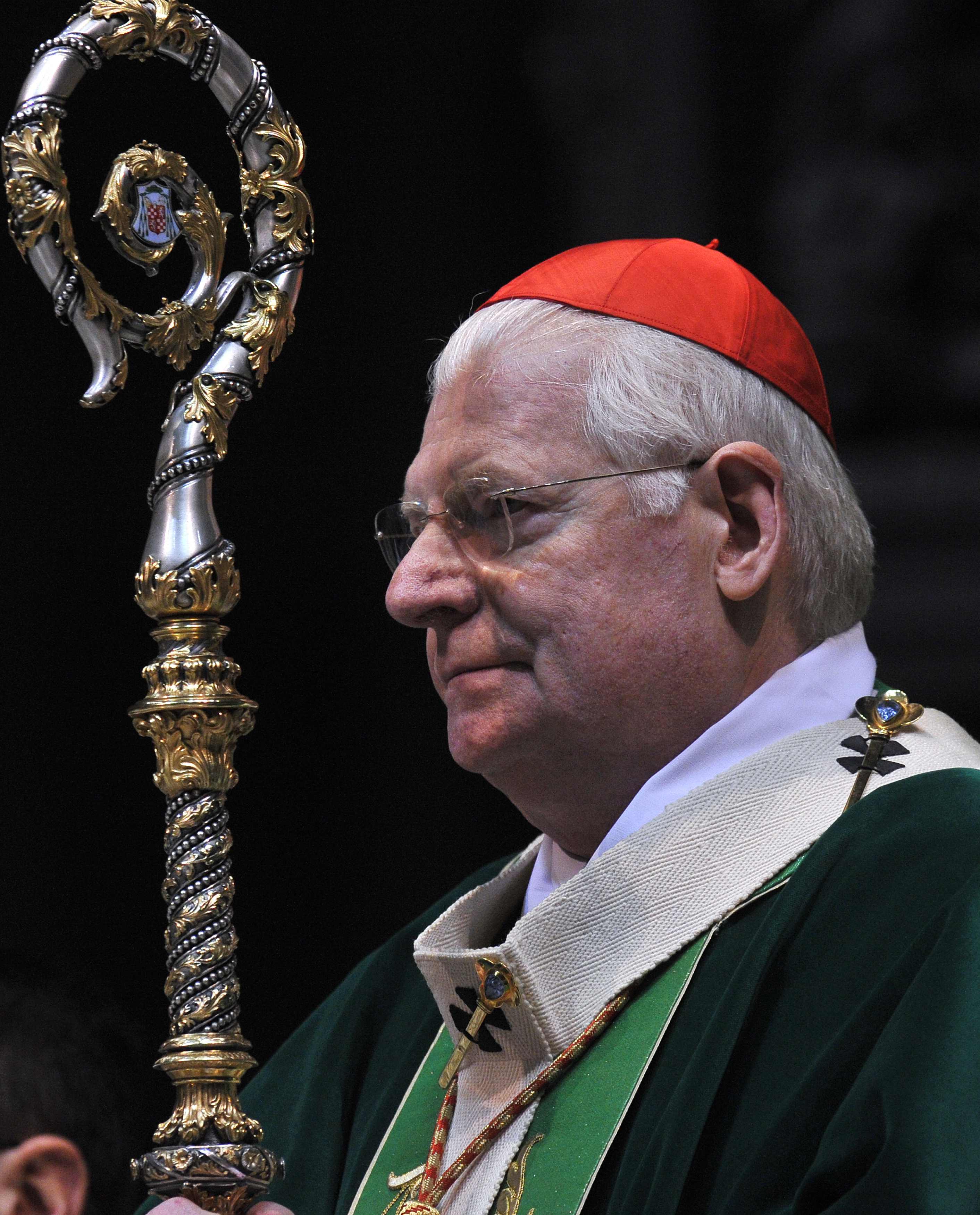
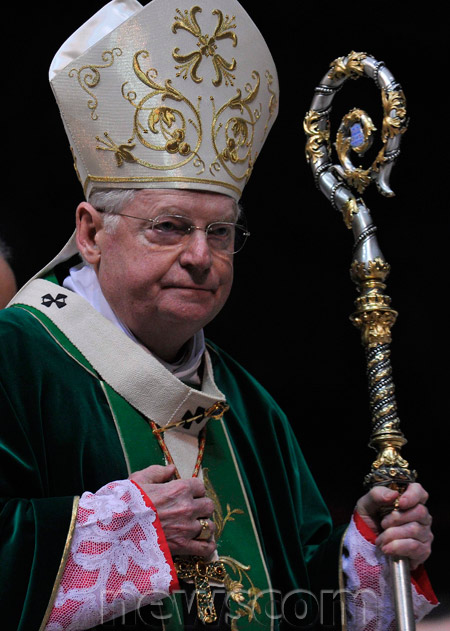
Cardinal Angelo Scola attends a mass in Duomo Cathedral in Milan

Cardinal Angelo Scola (12 reasons why I think he is the best of all the other Candidates, a frontrunner, and should be elected Pope) :

1. Strong in faith and theology : Yes, an intellectual disciple of Pope Benedict XVI, and is as strong as our Pope Emeritus on theology and his deep knowledge of the faith and the Church

2. Close and capable to work with youths : Yes, will be Pope for the youths indeed, and have been working closely with youths in many occasions, especially in his pastoral ministry in Venice and now Milan.

3. Twitter : Already had, and had actively tweeted in the past! Will be no problem to continue to @Pontifex!

4. Italian and other languages : Yes, and Bishop of Rome definitely must speak fluent Italian! Also fluent in several other languages, including English.

5. Interreligious dialogue : Yes, and knowledgeable about Islam in particular, and have been active in reaching out to Christian minorities in the Middle East and the Muslim world.

6. Tradition : Strong in liturgy and tradition, a tradition-based Pope just like Pope Benedict XVI, we need a strong anchor of faith! A close and personal understanding of the liturgy through its beauty can only serve to strengthen the faith of the faithful and the Church.

angelo-scola
7. Charisma : Yes, strong charisma and outreach, and also has a global persona and able to connect with youths and other sections of the society.

8. Poverty and charity of the Church : Being born into low-middle income family, made him to have a close connection and personal connection to the poor and the less fortunate in the Church and the world.

9. Age : At 71, is at the prime age for Pope. Not too old (Pope Benedict XVI was elected at 78 and yet managed to lead an almost 8 year Pontificate), and therefore he will be expected to lead for 15-20 years, and relatively healthy, which is what the Cardinals seek. Not too young, and very experienced.

10. Experience (Curia) : Significant term as the Rector Magnificus of Pontifical University, and then as the President of the Pontifical Institute of John Paul II for Studies of Marriage and Family.

11. Experience (Pastoral) : Experience as Bishop of Grosetto, and long experience as the Patriarch of Venice, and also a great job as the Archbishop of Milan. Hence, being accorded the extremely rare honour of having headed to of Italy’s and the world’s most influential dioceses.

12. Bioethics and Family : Knowledgeable and had published books in bioethics (and also many other topics, totalling more than 120 volumes in total), and very supportive of marriage and family, and definitely strong in the matter, being the former President in the Pontifical Institute on the Family (see number 10). It is necessary to have a strong leader in the issue at the time when the institution of marriage and the family is under constant and increasingly serious attacks.