Cardinal deaths update: Passing of Cardinal Francesco Marchisano (Italy) and Cardinal Edward Bede Clancy (Australia)

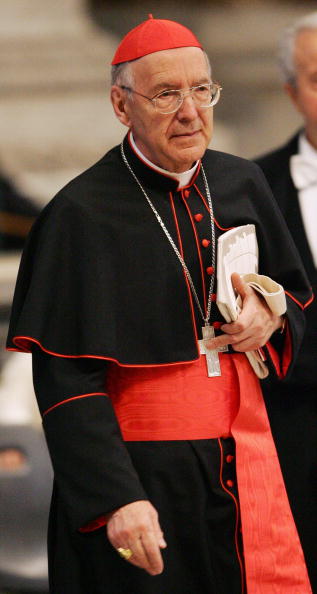
Cardinal Francesco Marchisano, Cardinal-Priest of S. Lucia del Gonfalone pro hac vice Title passed away on Monday, 27 July 2014 at the age of 85. He was the President Emeritus of the Labour Office of the Apostolic See and the Permanent Commission for the Protection of Historical and Artistic Monuments of the Holy See. He was also the Vicar General Emeritus of the Diocese of Rome, a position which he occupied during the years 2002 to 2005.

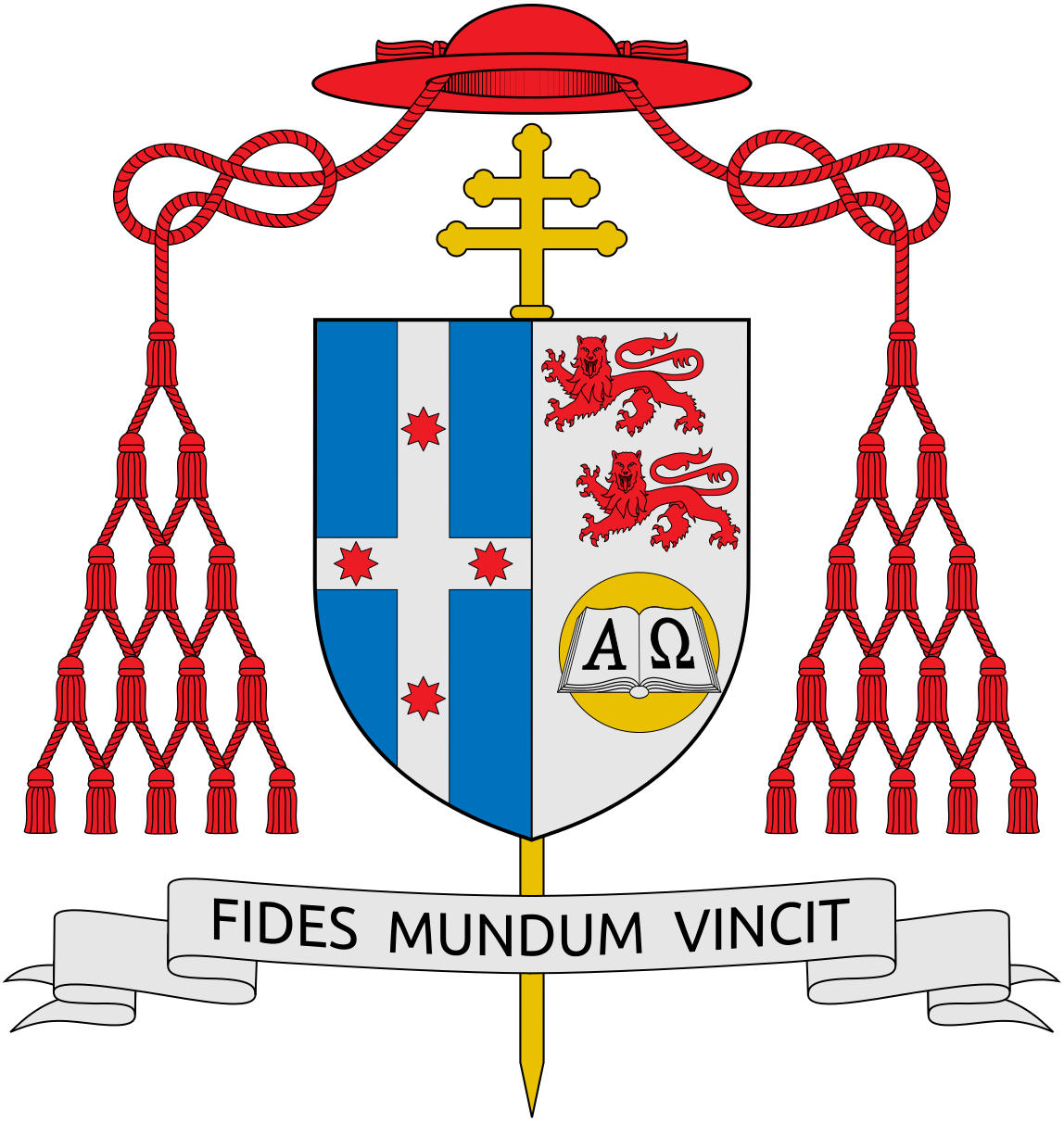
Meanwhile, Cardinal Edward Bede Clancy, Cardinal-Priest of S. Maria in Vallicella passed away on Sunday, 3 August 2014 at the age of 90. He was the Metropolitan Archbishop Emeritus of Sydney, and therefore the Primate Emeritus of Australia. He faithfully led the faithful in Sydney from 1983 to 2001.

cardinal_marchisano

Cardinal Francesco Marchisano

Italian Cardinal Francesco Marchisano at

http://www.gcatholic.org/hierarchy/data/cardJP2-9.htm#94

Cardinal Marchisano was created Cardinal in 2003 by Pope St. John Paul II in his ninth and last Cardinal creation consistory on 21 October 2003. His motto was In Caritate Radicati et Fundati, which means rooted and grounded in love, that is the emphasis placed on love, which is the essential and the greatest fruit of the Holy Spirit, and the fact that without love, we cannot truly have faith in the Lord.


wpd2816a17_05

Cardinal Edward Bede Clancy

Coat_of_arms_of_Edward_Bede_Clancy.svg

http://www.gcatholic.org/hierarchy/data/cardJP2-4.htm#34

Cardinal Marchisano was created Cardinal in 1988 by Pope St. John Paul II in his fourth Cardinal creation consistory on 28 June 1988, on the eve of the Solemnity of St. Peter and St. Paul. His motto was Fides Mundum Vincit, which means faith conquers the world, the fact that is truly about how if we have faith, no matter what the world throws at us, we will prevail, just as the Lord will eventually prevail against the world and the forces of Satan.

We pray for the soul of these two great Princes of the Church and the servants of God’s people. May their hard work and commitments to the Church and God’s people bring them justification and eternal rest in God’s presence in heaven. We pray also for those whom they had left behind, that their legacies and hard work will continue to bear fruit in those whom they had touched in life.

With the passing of Cardinal Agre, the College of Cardinals now stands at 211 members, with 117 Cardinal-electors (one reduced due to Cardinal Claudio Hummes having exceeded the electorate age of 80) and 94 Cardinal non-electors. The number of Cardinal-electors now is 3 below the specified maximum limit of 120.

There are now 3 Cardinal-elector vacancy in the College of Cardinals, 0 vacant Cardinal Suburbicarian Sees (for Cardinal Bishops), 4 vacant Cardinal Title (for Cardinal Priests) and 8 vacant Cardinal Deaconries (for Cardinal Deacons).

(Usus Antiquior) Eighth Sunday after Pentecost (II Classis) – Sunday, 3 August 2014 : Offertory Prayer, Secret Prayer of the Priest, Communion and Postcommunion Prayers

Offertory Prayer

Populum humilem salvum facies, Domine, et oculos superborum humiliabis : quoniam quis Deus praeter Te, Domine?

English translation

You would save the humble people, o Lord, and would bring down the eyes of the proud, for who is God but You, o Lord?

Secret Prayer of the Priest

Suscipe, quaesumus, Domine, munera quae tibi de Tua largitate deferimus : ut haec sacrosancta mysteria, gratiae Tuae operante virtute, et praesentis vitae nos conversatione sanctificent, et ad gaudia sempiterna perducant. Per Dominum…

English translation

Receive, we beseech You, o Lord, the gifts which out of Your own bounty we bring to You, that these most holy mysteries may, by the operation of the power of Your grace, both sanctify us in the conduct of our present lives and lead us unto everlasting joys. Through our Lord…

Communion

Gustate et videte, quoniam suavis est Dominus : beatus vir, qui sperat in Eo.

English translation

Taste and see that the Lord is sweet. Blessed is the man that hoped in Him.

Postcommunion Prayer

Sit nobis, Domine, reparatio mentis et corporis caeleste mysterium : ut, cujus exsequimur cultum, sentiamus effectum. Per Dominum…

English translation

Let the heavenly mystery be to us, o Lord, the restoration of soul and body, that, as we perform its worship, we may experience its effect. Through our Lord…

(Usus Antiquior) Eighth Sunday after Pentecost (II Classis) – Sunday, 3 August 2014 : Holy Gospel

Sequentia sancti Evangelii secundum Lucam – Continuation of the Holy Gospel according to St. Luke

Luke 16 : 1-9

In illo tempore : Dixit Jesus discipulis suis parabolam hanc : Homo quidam erat dives, qui habebat villicum : et hic diffamatus est apud illum, quasi dissipasset bona ipsius. Et vocavit illum et ait illi : Quid hoc audio de te? Redde rationem villicationis tuae : jam enim non poteris villicare.

Ait autem villicus intra se : Quid faciam, quia dominus meus aufert a me villicationem? Fodere non valeo, mendicare erubesco. Scio, quid faciam, ut, cum amotus fuero a villicatione, recipiant me in domos suas.

Convocatis itaque singulis debitoribus domini sui, dicebat primo : Quantum debes domino meo? At ille dixit : Centum cados olei. Dixitque illi : Accipe cautionem tuam : et sede cito, scribe quinquaginta.

Deinde allii dixit : Tu vero quantum debes? Qui ait : Centum coros tritici. Ait illi : Accipe litteras tuas, et scribe octoginta.

Et laudavit dominus villicum iniquitatis, quia prudenter fecisset : quia filii hujus saeculi prudentiores filii lucis in generatione sua sunt. Et ego vobis dico : facite nobis amicos de mammona iniquitatis : ut, cum defeceritis, recipiant vos in aeterna tabernacula.

English translation

At that time, Jesus spoke to His disciples this parable, “There was a certain rich man who had a steward, and the same who was accused unto him that he had wasted his goods, and he called him and said to him, ‘How is it that I hear this of you? Give an account of your stewardship, for now you can be steward no longer.'”

“And the steward said within himself, ‘What shall I do, because my lord took away from me the stewardship? To dig I am not able, and I am ashamed to beg. I know what I will do, that when I shall be put out of the stewardship, they may receive me into their houses.'”

“Therefore calling together every one of his lord’s debtors, he said to the first, ‘How much did you owe my lord?’ But he said, ‘A hundred barrels of oil.’ And he said to him, ‘Take your bill, and sit down quickly and write fifty.'”

“Then he said to another, ‘And how much did you owe?’ He said, ‘A hundred quarters of wheat.’ He said to him, ‘Take your bill, and write eighty.'”

“And the Lord commended the unjust steward, for as much as he had done wisely. For the children of are wiser in their generation than the children of light. And I say to you, make unto yourself friends of the mammon of iniquity, that when you shall fail, they may receive you into everlasting dwellings.”

(Usus Antiquior) Eighth Sunday after Pentecost (II Classis) – Sunday, 3 August 2014 : Gradual and Alleluia

Psalm 30 : 3, Psalm 70 : 1 and Psalm 47 : 2

Esto mihi in Deum protectorem, et in locum refugii, ut salvum me facias.

Deus in Te speravi : Domine, non confundar in aeternum.

Alleluja, alleluja.

Response : Magnus Dominus, et laudabilis valde, in civitate Dei nostri, in monte sancto ejus. Alleluja.

English translation

May You be unto me a God, a protector and a place of refuge to save me.

In You, o God, I have hoped. O Lord, let me never be confounded.

Alleluia, alleluia.

Response : Great is the Lord, and exceedingly to be praised in the city of our God, in His holy mountain. Alleluia.

(Usus Antiquior) Eighth Sunday after Pentecost (II Classis) – Sunday, 3 August 2014 : Epistle

Lectio Epistolae beati Pauli Apostoli ad Romanos – Lesson from the Epistle of Blessed Paul the Apostle to the Romans

Romans 8 : 12-17

Fratres : Debitores sumus non carni, ut secundum carnem vivamus. Si enim secundum carnem vixeritis, moriemini : si autem spiritu facta carnis mortificaveritis, vivetis. Quicumque enim Spiritu Dei aguntur, ii sunt filii Dei.

Non enim accepistis spiritum servitutis iterum in timore, sed accepistis spiritum adoptionis filiorum, in quo clamamus : Abba (Pater). Ipse enim Spiritus testimonium reddit spiritui nostro, quod sumus filii Dei. Si autem filii, et heredes : heredes quidem Dei, coheredes autem Christi.

English translation

Brethren, we are debtors, not to the flesh, to live according to the flesh. For if you live according to the flesh, you shall die, but if by the spirit you mortify the deeds of the flesh, you shall live. For whosoever are led by the Spirit of God, they are the sons of God.

For you have not received the spirit of bondage again in fear, but you have received the spirit of adoption of sons, whereby we cry Abba (Father). For the Spirit Himself gives testimony to our spirit, that we are the sons of God; and if sons, heirs also. Heirs indeed of God, and joint heirs with Christ.

(Usus Antiquior) Eighth Sunday after Pentecost (II Classis) – Sunday, 3 August 2014 : Introit and Collect

Introit

Psalm 47 : 10-11, 2

Suscepimus, Deus, misericordiam Tuam in medio templi Tui : secundum Nomen Tuum, Deus, ita et laus Tua in fines terrae : justitia plena est dextera Tua.

Magnus Dominus, et laudabilis nimis : in civitate Dei nostri, in monte sancto ejus.

Response : Gloria Patri et Filio et Spiritui Sancto, sicut erat in principio, et nunc, et semper : et in saecula saeculorum. Amen.

English translation

We have received Your mercy, o God, in the midst of Your Temple. According to Your Name, o God, so is also Your praise unto the ends of the earth. Your right hand is full of justice.

Great is the Lord and exceedingly to be praised, in the city of our God, in His holy mountain.

Response : Glory be to the Father and to the Son and to the Holy Spirit, as it was in the beginning, is now, and ever shall be, world without end. Amen.

Collect

Largire nobis, quaesumus, Domine, semper spiritum cogitandi quae recta sunt, propitius et agendi : ut, qui sine Te esse non possumus, secundum Te vivere valeamus. Per Dominum…

English translation

Ever graciously bestow upon us in abundance, we beseech You, o Lord, the spirit of thinking and doing what things are right, that we, who cannot exist without You, may have the strength to live in conformity with You. Through our Lord…

Sunday, 3 August 2014 : 18th Sunday of Ordinary Time (Scripture Reflections)

Liturgical Colour : Green

Brothers and sisters in Christ, the story of the feeding of the multitudes by Jesus is the often repeated and heard story in our faith life. We always heard how Jesus out of His great pity and love for His people, fed them with bread and fish that He multiplied with His power. He did not want them to be hungry and physically affected after having followed Him for so long to listen to His words.

This story is something that we often know and remember, but we fail to realise the true significance and importance behind this story. This historical memorial of Jesus and His wonderful miracles often lull us on His greatness and wonders, but we fail to know that we are in truly the same position as those people that day who were seated on the open fields with Jesus, hungry and weak.

And Jesus took pity on us, because He loves us very dearly. It is not just to those whom Jesus had ministered to and performed miracles on, that He gave them His love, but even all of us this day also receive the fullness of His bountiful love and grace. And His disciples whom He asked to minister to the people, have their successors in our world today, and they are our priests and bishops who continue to minister to us in the Name of the Lord.

Today, in the second reading, in the Epistle of St. Paul to the Romans, St. Paul spoke of how nothing can ever separate mankind from God and His love, and no power be it on earth, in heaven or hell is capable of such a feat. Yes, that is except God Himself. He loves us very much and very dearly, and yet we are the ones who continue to elude Him, and continue to reject and spurn His love, preferring the love of Satan and the things of this world to His love.

Brothers and sisters in Christ, God is merciful and loving, but He also hates sin and disobedience of sin to the very core. Sin has no place in His presence and sinners has no place either in His place. That is why, while He gives us many, many opportunities, again and again to repent and change our ways, there is a limit to what He can allow us. Eventually, if we continue to reject Him, and our time is due, we will be sundered forever from His mercy and love, and as a result, we will be condemned for eternity.

In the first reading today, from the prophet Isaiah, we heard how generous God is, and how we have no need to fear at all when we are dealing with God. He knows everything we need, and He will provide for us all of them. Yet, mankind had no faith in Him and did not trust in Him, and rather trusting in their own strength and intellect which failed them.

God knows our needs, and as those people lay hungry in the field, their biological needs dictates that they have the physical need to be satisfied, or otherwise, the spiritual needs will not be optimally addressed. Yes, I refer to how men and women, that is all of us, will find it hard to listen and adhere to the word of God if our stomachs are growling within us, and the pain of hunger gets the better part of our minds.

That is why Jesus fed the people with the bread, and through His own might He turned those bread into a feast for all the faithful. He fed them until satisfied with the physical bread, that they may witness and see for themselves, what He had fed them in the spiritual food of the Word of God. Jesus who is the Son of God is the Word of God made flesh, incarnate into a human being. Thus, every word that Jesus said is truly indeed the Word of God, which is our spiritual food. Remember what Jesus said when He rebuked Satan of asking Him to turn stones into bread.

In the same way, therefore, the Lord will provide for us, and in no better form than the perfect and the best of all foods. He gave nothing else other than His own Body and His own Blood. Yes, this is the Most Holy Eucharist, the Precious Body and Blood of our Lord, which we receive every time we celebrate the Sacrifice of the Holy Mass.

Through this bread and through the wine we drink, we receive into ourselves not just physical food, but also spiritual food, for we take in the Lord Himself into us, the Word who had become flesh, and then offered that flesh to us, that we who partake them may become one with Him and be saved. The Lord shows us His love by the giving of Himself, which He made concrete through His sacrifice on the cross, out of love for all of us sinners and desiring nothing else than our redemption.

Let us all today use this opportunity to ponder and realise how great is the love that God has for us, and how many opportunities we have been given, that we may appreciate how fortunate we are of having such a loving God to care for us. We should not think of the feeding of the five thousand multitudes as something separate from us, but instead, find in it the love which God shows to men, and therefore come to a greater realisation of our part in God’s plan for salvation.

We all should revere our Lord more in the Eucharist, and come to the point where we come to the Holy Mass, fully prepared and expecting to receive the Lord with fully prepared body, mind, heart and soul. Let us follow the example of those five thousand men and many other women and children with them, who came all the way just to follow Jesus and listen to Him intently. We too should also make the same effort to be closer to our God and follow Him.

May we all come ever closer to God through His most Precious Body and Blood, which we receive in the Holy Eucharist, that He may dwell in us, and we dwell in Him. May Almighty God guide us on this journey of life, providing us as always with His grace and love along the way. And may we persevere in our own journey as well, helping each other to reach our ultimate goal in life, that is God. Amen.

Sunday, 3 August 2014 : 18th Sunday of Ordinary Time (Gospel Reading)

Liturgical Colour : Green

Matthew 14 : 13-21

On hearing this, Jesus set out by boat for a secluded place, to be alone. But the people heard of it, and they followed Him on foot from their towns. When Jesus went ashore, He saw the crowd gathered there and He had compassion on them. And He healed their sick.

Late in the afternoon, His disciples came to Him and said, “We are in a lonely place and it is now late. You should send these people away, so they can go to the villages and buy something for themselves to eat.”

But Jesus replied, “They do not need to go away; you give them something to eat.” They answered, “We have nothing here but five loaves and two fishes.” Jesus said to them, “Bring them here to me.”

Then He made everyone sit down on the grass. He took the five loaves and the two fishes, raised His eyes to heaven, pronounced the blessing, broke the loaves, and handed them to the disciples to distribute to the people.

And they all ate, and everyone had enough; then the disciples gathered up the leftovers, filling twelve baskets. About five thousand men had eaten there, besides women and children.

Sunday, 3 August 2014 : 18th Sunday of Ordinary Time (Second Reading)

Liturgical Colour : Green

Romans 8 : 35, 37-39

Who shall separate us from the love of Christ? Will it be trials, or anguish, persecution or hunger, lack of clothing, or dangers or sword?

No, in all of this we are more than conquerors, thanks to Him who has loved us. I am certain that neither death nor life, neither angels nor spiritual powers, neither the present nor the future, nor cosmic powers, were they from heaven or from the deep world below, nor any creature whatsoever will separate us from the love of God, which we have in Jesus Christ, our Lord.

Sunday, 3 August 2014 : 18th Sunday of Ordinary Time (Psalm)

Liturgical Colour : Green

Psalm 144 : 8-9, 15-16, 17-18

Compassionate and gracious is the Lord, slow to anger and abounding in love. The Lord is good to everyone; His mercy embraces all His creation.

All creatures look to You to be fed in due season; with open hand You satisfy the living according to their needs.

Righteous is the Lord in all His ways, His mercy shows in all His deeds. He is near those who call on Him, who call trustfully upon His Name.