Wednesday, 2 April 2014 : 4th Week of Lent, Memorial of St. Francis of Paola, Hermit (Gospel Reading)

Liturgical Colour : Purple/Violet

John 5 : 17-30

Jesus replied, “My Father goes on working and so do I.” And the Jews tried all the harder to kill Him, for Jesus not only broke the Sabbath observance, but also made Himself equal with God, calling God His own Father.

Jesus said to them, “Truly, I assure you, the Son cannot do anything by Himself, but only what He sees the Father do. And whatever He does, the Son also does. The Father loves the Son and shows Him everything He does; and He will show Him even greater things than these, so that you will be amazed.”

“As the Father raises the dead and gives them life, so the Son gives life to whom He wills. In the same way the Father judges no one, for He has entrusted all judgment to the Son, and He wants all to honour the Son as they honour the Father. Whoever ignores the Son, ignores as well the Father who sent Him.”

“Truly, I say to you, anyone who hears My word and believes Him who sent Me, has eternal life; and there is no judgment for him, because he has passed from death to life.”

“Truly, the hour is coming and has indeed come, when the dead will hear the voice of God and, on hearing it, will live. For the Father has life in Himself, and He has given to the Son also to have life in Himself. And He has empowered Him as well to carry out Judgment, for He is Son of Man.”

“Do not be surprised at this : the hour is coming when all those lying in tombs will hear My voice and come out; those who have done good shall rise to live, and those who have done evil will rise to be condemned.”

“I can do nothing of Myself, and I need to hear Another One to judge; and My judgment is just, because I seek not My own will, but the will of Him who sent Me.”


Wednesday, 2 April 2014 : 4th Week of Lent, Memorial of St. Francis of Paola, Hermit (Psalm)

Liturgical Colour : Purple/Violet

Psalm 144 : 8-9, 13cd-14, 17-18

Compassionate and gracious is the Lord, slow to anger and abounding in love. The Lord is good to everyone; His mercy embraces all His creation.

The Lord is true to His promises and lets His mercy show in all He does. The Lord lifts up those who are falling and raises those who are beaten down.

Righteous is the Lord in all His ways, His mercy shows in all His deeds. He is near  those who call on Him, who call trustfully upon His Name.


Wednesday, 2 April 2014 : 4th Week of Lent, Memorial of St. Francis of Paola, Hermit (First Reading)

Liturgical Colour : Purple/Violet

Isaiah 49 : 8-15

This is what YHVH says : “At a favourable time I have answered you, on the day of salvation I have been your help; I have formed you and made you to be My covenant with the people. You will restore the land, and allot its abandoned farms. You will say to the captives : Come out; and to those in darkness : Show yourselves.”

They will feed along the road; they will find pasture on barren hills. They will neither hunger nor thirst, nor will the scorching wind or the sun beat upon them; for He who has mercy on them will guide them and lead them to springs of water. I will turn all My mountains into roads and raise up My highways.

See, they come from afar, some from the north and west, others from the land of Sinim. Sing, o heavens, and rejoice, o earth; break forth into song, o mountains : for YHVH has comforted His people and taken pity on those who are afflicted. But Zion said : “YHVH has forsaken me, my Lord has forgotten me.”

Can a woman forget the baby at her breast and have no compassion on the child of her womb? Yet though she forget, I will never forget you.


New Cardinals and their assigned Churches in Rome, Consistory of 22 February 2014

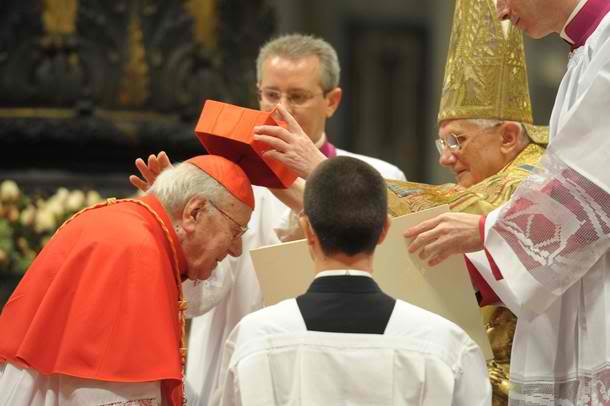
On the Feast of the Chair of St. Peter, on Saturday, 22 February 2014, the Vicar of Christ and Bishop of Rome, Leader of the Universal Church, Pope Francis elevates 19 new Cardinals to the Cardinalate by the bestowal of the red biretta, 15 of which are of the order of priests (Cardinal Priests) and 4 of which are of the order of deacons (Cardinal Deacons).

3 of the new Cardinals are non-electors, being above the age of 80, appointed purely as honorary Cardinals for their service to the Church, and the other 16 Cardinals are voting-age Cardinals (below 80), and will be eligible to vote for the next Pope in the next Conclave until they reach the age of 80.

The College of Cardinals now stands at 218 members, with 122 Cardinal-electors and 96 Cardinal non-electors as of 22 February 2014.

In total, 2 new Cardinal churches in Rome are created, 1 for Cardinal Titular church and 1 for Cardinal deaconry.There are as of now, 0 vacant Cardinal Title, and 6 vacant Cardinal Deaconries.


Cardinal Deaconries :

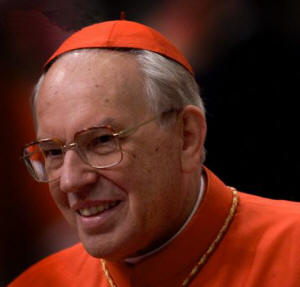
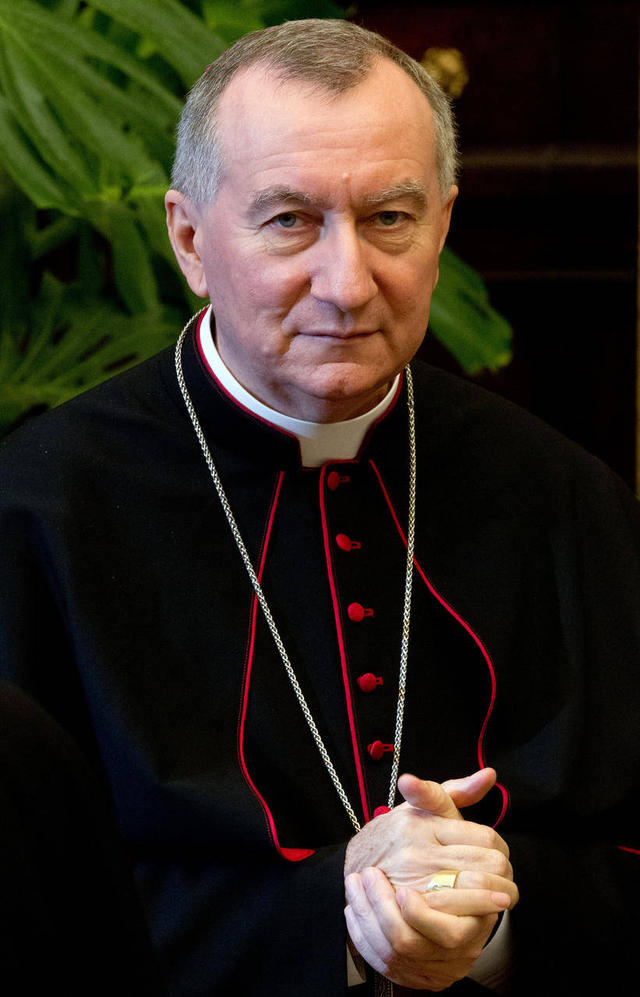
1. Pietro Cardinal Parolin, Cardinal Secretary of State

Cardinal Deaconry of Ss. Simone e Giuda Taddeo e Torre Angela (New Deaconry)


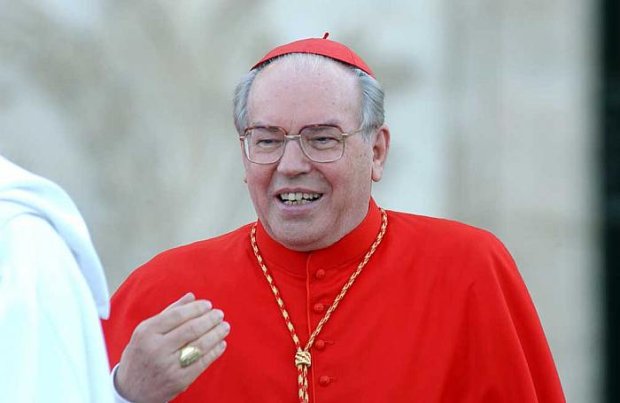
2. Lorenzo Cardinal Baldisseri, Secretary of the Synod of Bishops and College of Cardinals

Cardinal Deaconry of S. Anselmo all’Aventino


3. Gerhard Ludwig Cardinal Muller, Prefect of the Congregation for the Doctrine of the Faith

Cardinal Deaconry of S. Agnese in Agone


4. Beniamino Cardinal Stella, Prefect of the Congregation for Clergy

Cardinal Deaconry of Ss. Cosma e Damiano


Cardinal Titles :

1. Vincent Gerard Cardinal Nichols, Metropolitan Archbishop of Westminster (UK)

Cardinal Title of Ss. Redentore e S. Alfonso in Via Merulana


2. Leopoldo Jose Cardinal Brenes Solorzano, Metropolitan Archbishop of Managua (Nicaragua)

Cardinal Title of S. Gioacchino ai Prati di Castello


3. Gerald Cyprien Cardinal Lacroix, Metropolitan Archbishop of Quebec (Canada)

Cardinal Title of Giuseppe all’Aurelio


4. Jean-Pierre Cardinal Kutwa, Metropolitan Archbishop of Abidjan (Ivory Coast/Cote d’Ivoire)

Cardinal Title of S. Emerenziana a Tor Fiorenza


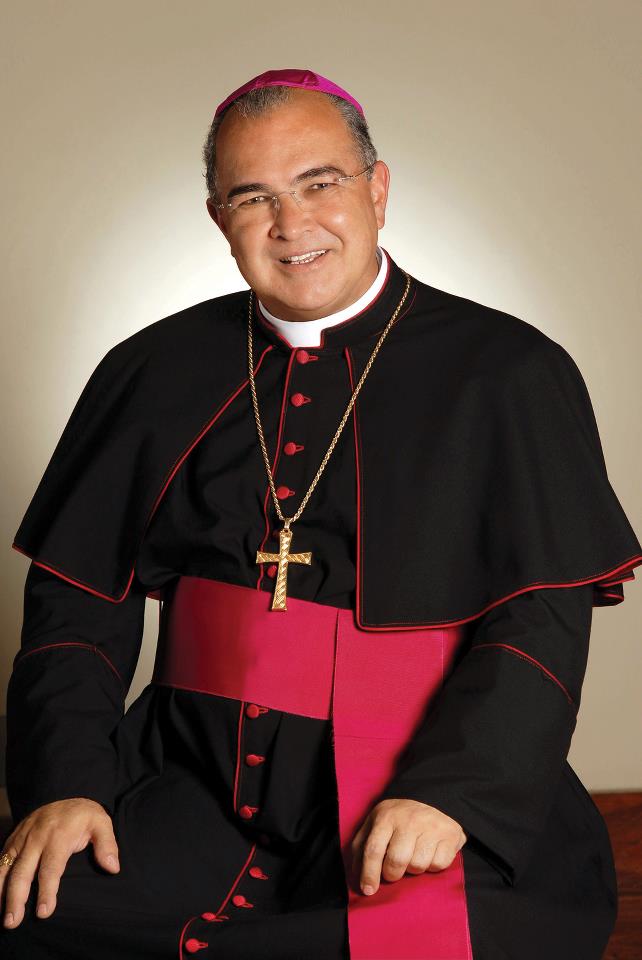
5. Orani Joao Cardinal Tempesta, Metropolitan Archbishop of Sao Sebastiao do Rio de Janeiro (Brazil)

Cardinal Title of S. Maria Madre della Provvidenza e Monte Verde


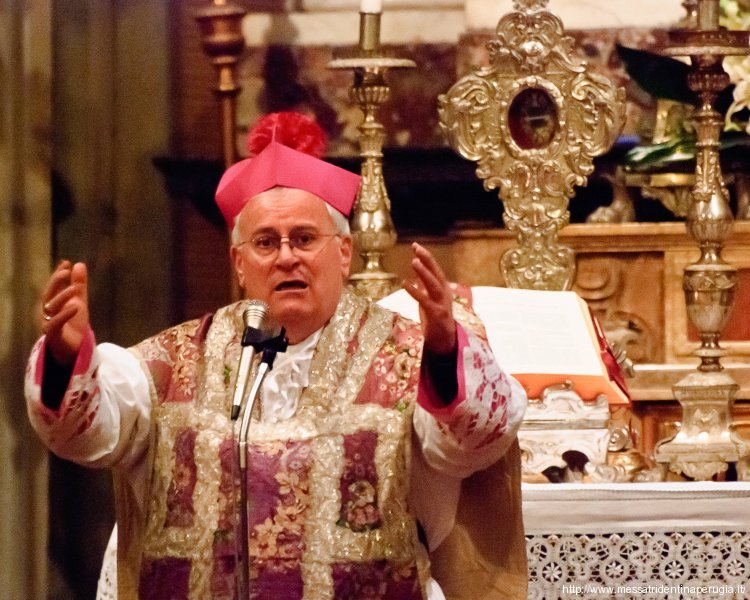
6. Gualtiero Cardinal Bassetti, Metropolitan Archbishop of Perugia-Citta della Pieve (Italy)

Cardinal Title of S. Cecilia


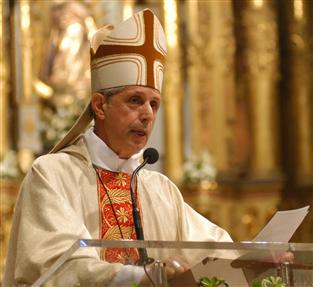
7. Mario Aurelio Cardinal Poli, Metropolitan Archbishop of Buenos Aires (Argentina)

Cardinal Title of S. Roberto Bellarmino


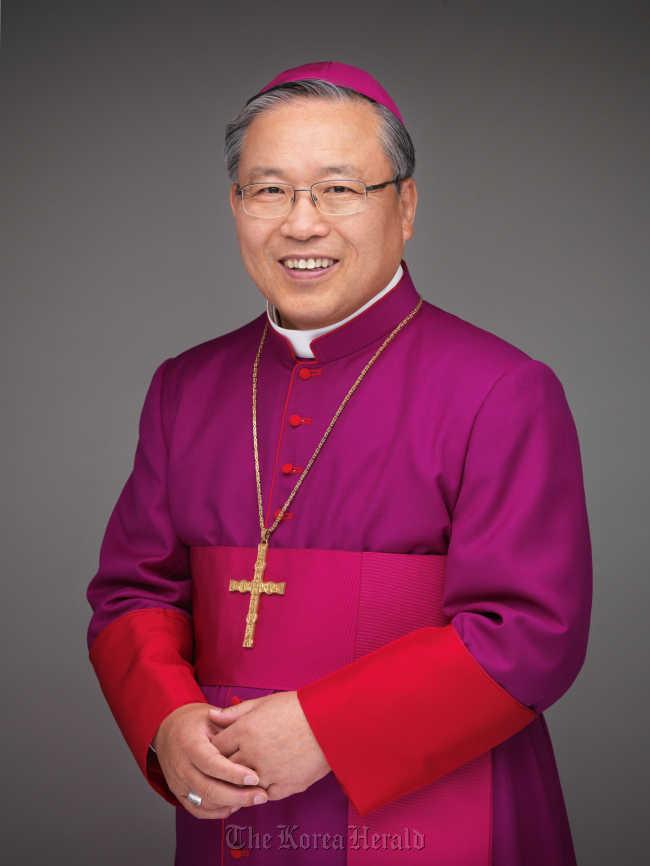
8. Andrew Cardinal Yeom Soo-jung, Metropolitan Archbishop of Seoul (South Korea)

Cardinal Title of S. Crisogono


9. Ricardo Cardinal Ezzati Andrello, Metropolitan Archbishop of Santiago (Chile)

Cardinal Title of Ss. Redentore a Valmelaina


10. Philippe Nakellentuba Cardinal Ouedraogo, Metropolitan Archbishop of Ouagadougou (Burkina Faso)

Cardinal Title of S. Marie Consolatrice al Tiburtino


11. Orlando Beltran Cardinal Quevedo, Metropolitan Archbishop of Cotabato (Philippines)

Cardinal Title of S. Maria ‘Regina Mundi’ a Torre Spaccata


12. Chibly Cardinal Langlois, Bishop of Les Cayes (Haiti)

Cardinal Title of S. Giacomo in Augusta (New Title)


13. Loris Francesco Cardinal Capovilla, Titular Archbishop of Mesembria, Personal Secretary to Blessed Pope John XXIII

Cardinal Title of S. Maria in Trastevere


14. Fernando Cardinal Sebastian Aguilar,  Metropolitan Archbishop Emeritus of Pamplona y Tudela (Spain)

Cardinal Title of S. Angela Merici


15. Kelvin Cardinal Edward Felix,  Metropolitan Archbishop Emeritus of Castries (Saint Lucia)

Cardinal Title of S. Maria della Salute a Primavalle

Cardinal Giovanni Batista Re (Italy), Prefect Emeritus of the Congregation for Bishops turns 80, ceases to be a Cardinal-elector

VATICAN POPE HOLY THURSDAY

Today, Thursday, 30 January 2014, Cardinal Giovanni Batista Re of Italy, Cardinal-Bishop of Sabina-Poggio Mirteto, the Prefect Emeritus of the Congregation for Bishops, turns 80, and therefore, according to the rules written in the Apostolic Constitution Universi Dominici Gregis, he loses his right to vote in any future conclave.

Cardinal Giovanni Batista Re was made Cardinal-Priest of Ss. XII Apostoli by Pope John Paul II in the 2001 Consistory of Cardinals on 21 February 2001, the eighth Consistory of his pontificate. Cardinal Re was made a Cardinal in honour of his long service to the Church as the Secretary of the Congregation for Bishops and the College of Cardinals from 1987 to 1989, and works in the Secretariat of State, until in 2000 when he was appointed the Prefect of the Congregation for Bishops. Cardinal Re was promoted as one of the six Cardinal Bishops in the Church in 2002, after the passing of Cardinal Bernardin Gantin of Benin.

RE Giovanni Battista

In his position as the senior Cardinal Bishop under 80 in 2013 Conclave, he is the Acting Dean of the College of Cardinals in the 2013 Papal Conclave which elected Pope Francis as the 266th Pope and Leader of the Universal Church.

http://www.gcatholic.org/hierarchy/data/cardJP2-8.htm#134

May God bless His Eminence Cardinal Re, with a blessed old age and health. May he remain strong in the faith and hopefully can perhaps still continue to work great graces and good works of love and peace in his old age and retirement, as he continued to minister to the people of God.

z2636005Q,Giovanni-Battista-Re--prefekt-Kongregacji-ds--Bisk

The College of Cardinals now stands at 199 members in total, with 106 Cardinal-electors and 93 Cardinal non-electors. There are now vacancy of 14 Cardinal-electors as compared to the maximum number of electors allowed in the Conclave of 120, although Popes John Paul II and Benedict XVI had sometimes surpassed this limit.

Next Cardinal-elector to age out (80) will be Cardinal Jean-Baptiste Pham Minh Man, the current Metropolitan Archbishop of Thanh-Pho Ho Chi Minh (Vietnam), on 5 March 2014.

Friday, 31 January 2014 : 3rd Week of Ordinary Time, Memorial of St. John Bosco, Priest (Scripture Reflections)

Liturgical Colour : White (Priests)

Brothers and sisters in Christ, we hear today of the sin of David, the faithful and loyal servant of God. Not just any sin, but a great sin, because not only that David committed adultery with the wife of another man, but he also plotted to have the husband of the woman to be killed in battle, tantamount to direct murder of human life.

Today we are shown the vulnerabilities of our human selves, the temptations of the flesh and the attractions of the world, which assail us day after day without end. Even someone as faithful and obedient as David, was after all still a mortal man, with all of the vulnerabilities and inherent problems that expose one to sin and evil that are in this world.

This world offer us many amenities, joy, and goodness, especially in material goods and pleasures. Humanity can be easily swayed to take up the offer of the world and Satan behind it, and from there, grow towards materialism, desire, greed, lust, and many others. That was what David experienced, as the king of Israel.

Being a king or a ruler brought with it many privileges and goodness, and when he saw Bathsheba in that bath, he was tempted, and he failed. The law of God expressly mentioned the forbidden nature of adultery, and if you remember, that the last of God’s commandments would say that we must not covet the things and properties of others around us. This shows us that David, as the Lord’s most upright servant, should have acted in the way that conformed to the faith, and also obedient to the law.

Power corrupts, and absolute power corrupts absolutely. I repeat this proverb once again, because in this case of king David, it is absolutely true. King David is king over Israel, and his words are law. He has the authority and power over all of his servants. But when he found out of the bitter fruits of his adulterous action with Bathsheba, he was gripped with great fear that his deeds would be discovered, and therefore tried to pull Uriah the husband into a fabricated lie likely made by David himself.

When that failed, because of the valiant and unchanging obedience of Uriah to David, the king resolved to plot to kill him, which he succeeded in doing. That made him to sin not just once by that adulterous act, but also to commit another sin of murder. Thus had David sinned before the Lord his God. Nevertheless, unlike Saul before him, and unlike most of us, what David did was truly remarkable. He was genuinely repentant of his sinfulness, and he showed that he was regretful of having committed such sinful acts before God.

God had chosen David to be king over His people Israel, not because David was powerful or mighty, but instead He chose him because of his humility, his good character, and his righteousness. And that was the moment when these characteristics showed up in David, that although he did sin heavily before God, but he showed genuine remorse, and from then on, he resolved not to commit such sins again.

Brothers and sisters in Christ, today we learn indeed that we all may sin and commit evil things before God, but the most important thing is for us to realise and recognise our sins, and then repent and change our ways, as king David had done. Great sinners are not guaranteed hell as their end, as in fact many great saints had been great sinners.

What differentiates great sinners from great saints is one thing, that is the ability to recognise own sins and then act from it. The saints recognised their weakness and vulnerabilities to sin, and acted upon them, utilising what God has given them, that is the seeds of faith, hope and love in them. They did not fear in showing forth their faith, no matter how small it was, and how great their sins were.

That is in conjunction with what Jesus told His disciples and the people, that even if your faith is as small as a mustard seed, but that is sufficient if you truly utilise that faith, for even a small mustard seed, when grown, will become a large tree and bear fruits. What matters is that if we take concrete steps and actions, so that rather than lingering in our sinfulness, we may come into the light, and through our growing faith, we may bring others too into the light.

Today, we celebrate the feast of St. John Bosco, the patron saint of youth. St. John Bosco was a priest who saw the situation in his surroundings about the youths of the time, many of whom were homeless or even without families, orphans and neglected by the society. He felt sad seeing these children running around the cities at risk from harm and misconduct. Hence, St. John Bosco worked with those children and resolved to guide them that they may not fall to evil.

His many works and dedications, and his contributions to the Church was truly great. He also help founded the religious order now known as the Salesians, and his many other contributions made him a well known saint, and one whom many devoted themselves, asking for his intercession. The example of St. John Bosco should inspire us all, that we should also take action, helping one another, especially those with great risk of falling into the darkness.

Let us therefore, inspired by the examples of St. John Bosco and many other saints, let the faith in us to grow strong and shine brightly, as we act to give our help to bring many towards salvation in the Lord. Let us not ignore the plight of our less fortunate brethren, and show the love of God to them, and just at the same time, our faith too will shine forth, and God who sees all, will reward us. Amen.

19 Cardinals to be created at the Consistory of 22 February 2014

On Sunday, 12 January 2014, at the Angelus of the Feast of the Baptism of the Lord, Pope Francis announced that 19 new Cardinals will be created at the consistory planned to be held on the Feast of the Chair of St. Peter, 22 February 2014.


Here are the names of the new Cardinals or Cardinal-elects, and some short explanation on them :

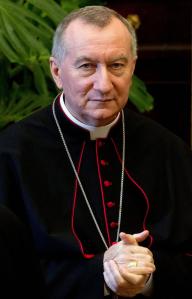
1. Archbishop Pietro Parolin, Secretary of the Secretariat of State – 58 (Age)
1272287

Being the highest position in the Church just below that of the Pope himself, Archbishop Parolin as the Secretariat of State is a certain candidate for the Cardinalate to be made at this consistory, and the position itself is explicitly stated to have to be held by a Cardinal (As Cardinal Secretary of State)


2. Archbishop Lorenzo Baldisseri, Secretary General of the Synod of Bishops – 73

images

Archbishop Lorenzo Baldisseri is also the Secretary of the College of Cardinals and therefore was the Secretary of the Conclave that elected Pope Francis on 13 March 2013.

It was reported and confirmed by sighting that the Pope had placed his own red zucchetto (skullcap) on the head of Archbishop Baldisseri, which by ancient custom (last used by Blessed Pope John XXIII on the Secretary of that time, Monsignor Alberto di Jorio in 1958) mark that the new Pope wants to bestow the red hat on the prelate. Hence, the elevation of Archbishop Baldisseri is pretty much certain.


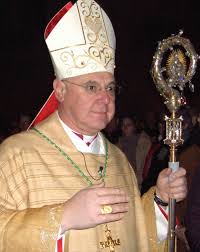
3. Archbishop Gerhard Ludwig Muller, Prefect of the Congregation for the Doctrine of the Faith – 66
Muller

As the Prefect of a Congregation, and one as important as the Congregation for the Doctrine of the Faith once held by Cardinal Joseph Ratzinger before he was elected Pope Benedict XVI in 2005, Archbishop Gerhard Ludwig Muller is a certain candidate for the Cardinalate, and sure enough, he is one of the 19 appointed.


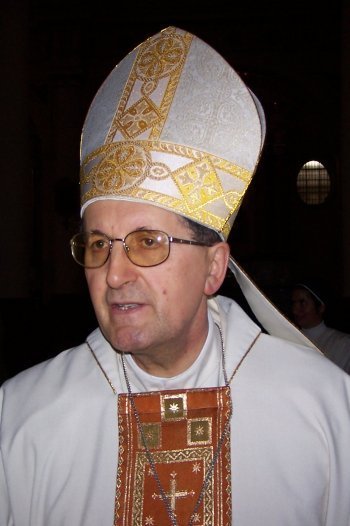
4. Archbishop Beniamino Stella, Prefect of the Congregation for Clergy – 72

Stella

Similar with Archbishop Muller, as the Prefect of an important Roman Curia Congregation, Archbishop Stella is a certain candidate for the Cardinalate, and as a recent appointee by Pope Francis, this made his elevation very certain indeed.


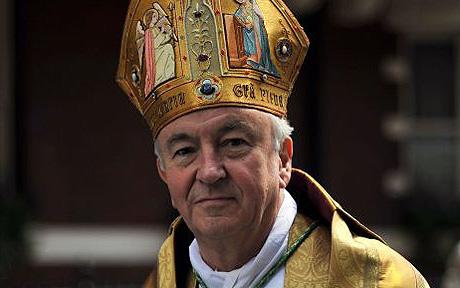
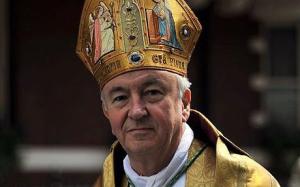
5. Archbishop Vincent Nichols, Metropolitan Archbishop of Westminster (United Kingdom) – 68
BRITAIN-RELIGION-ARCHISHOP-WESTMINSTER

With the problems that affected Cardinal Keith O’Brien early of last year and his retirement, the United Kingdom has no leading figure, which Archbishop Vincent Nichols, as the Archbishop of Westminster, the Primatial See of the United Kingdom as the obvious choice for the Cardinalate.


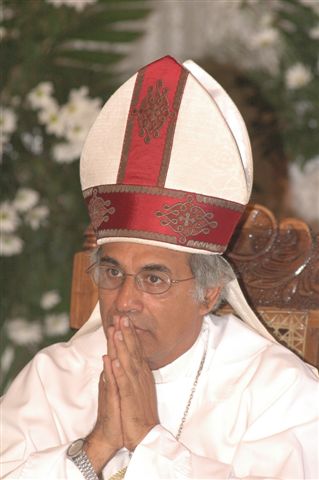
6. Archbishop Leopoldo Jose Brenes Solorzano, Metropolitan Archbishop of Managua (Nicaragua) – 64
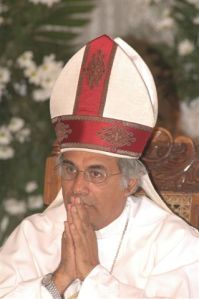
Solorzano

As his predecessor was made Cardinal in 1985, and had been 7 years as a non-elector, it was natural that Archbishop Solorzano is made a Cardinal, representing the Central American region.


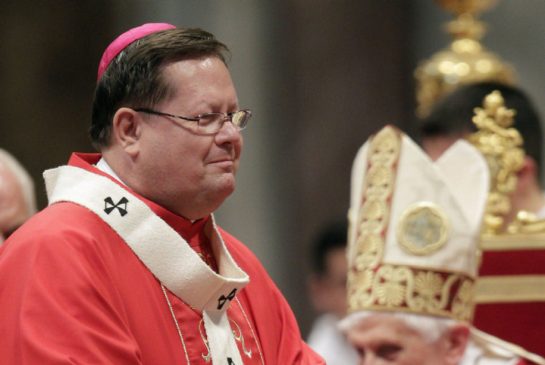
7. Archbishop Gerald Cyprien Lacroix, I.S.P.X., Metropolitan Archbishop of Quebec (Canada) – 56
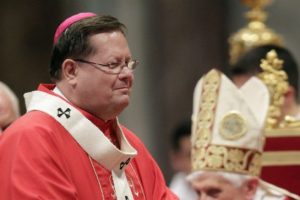
gerald_cyprien_lacroix.jpg.size.xxlarge.promo

The second youngest of the newly appointed Cardinals, as the Primate of Canada by virtue of being the Prelate of Quebec, it is natural for Archbishop Lacroix to be appointed Cardinal. His predecessor, Cardinal Marc Ouellet, is the current Prefect of the Congregation for Bishops and was a leading papabili of the 2013 Papal Conclave.


8. Archbishop Jean-Pierre Kutwa, Metropolitan Archbishop of Abidjan (Cote d’Ivoire / Ivory Coast) – 68
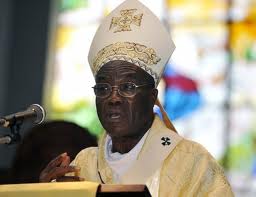
Jean-Pierre Kutwa

With two of his immediate predecessors made Cardinals in 1983 and 2001 respectively, Archbishop Kutwa had a high chance of being appointed Cardinal. His appointment is a nod to the Church in Africa, a growing community of the faithful, one with the Universal Church.


9. Archbishop Orani Joao Tempesta, O. Cist., Metropolitan Archbishop of Sao Sebastiao do Rio de Janeiro (Brazil) – 63
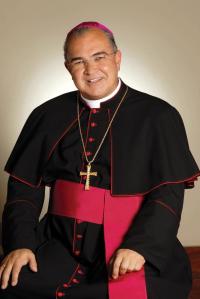
Dom Orani João Tempesta

As the head of a Cardinalatial see, with all five of his immediate predecessors made Cardinals, and with the limelight gained from the 2013 World Youth Day in Rio de Janeiro, Archbishop Tempesta is a certain candidate for the Cardinalate.


10. Archbishop Gualtiero Bassetti, Metropolitan Archbishop of Perugia-Citta della Pieve (Italy) – 71
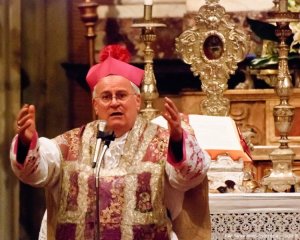
Bassetti

His long ago predecessor, Cardinal Vincenzo Gioacchino Pecci was elected Pope Leo XIII in 1878. Since then Perugia had had no Cardinal. This elevation of Archbishop Bassetti to the Cardinalate would honour the memory of Pope Leo XIII and give chance to other Italian Archdioceses to get the red hat besides the major, Cardinalate ones. Archbishop Bassetti is also known for his pastoral nature and hard work for his Archdiocese.


11. Archbishop Mario Aurelio Poli, Metropolitan Archbishop of Buenos Aires (Argentina) – 66
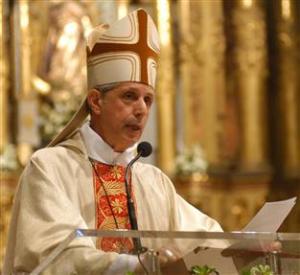
20130327134808

As the successor of Pope Francis as the Metropolitan Archbishop of Buenos Aires, Archbishop Poli is a natural and certain choice for the Cardinalate.


12. Archbishop Andrew Yeom Soo-jung, Metropolitan Archbishop of Seoul (South Korea) – 70
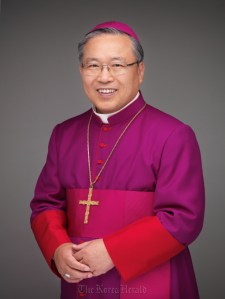
20120625000388_0

Among the three great Asian nations known for their Cardinals, namely Hong Kong (China), South Korea, and the Philippines, only South Korea at the moment has no Cardinal-elector. Hence, Archbishop Andrew Yeom is an almost confirmed choice for the Cardinalate, and indeed, he was chosen.


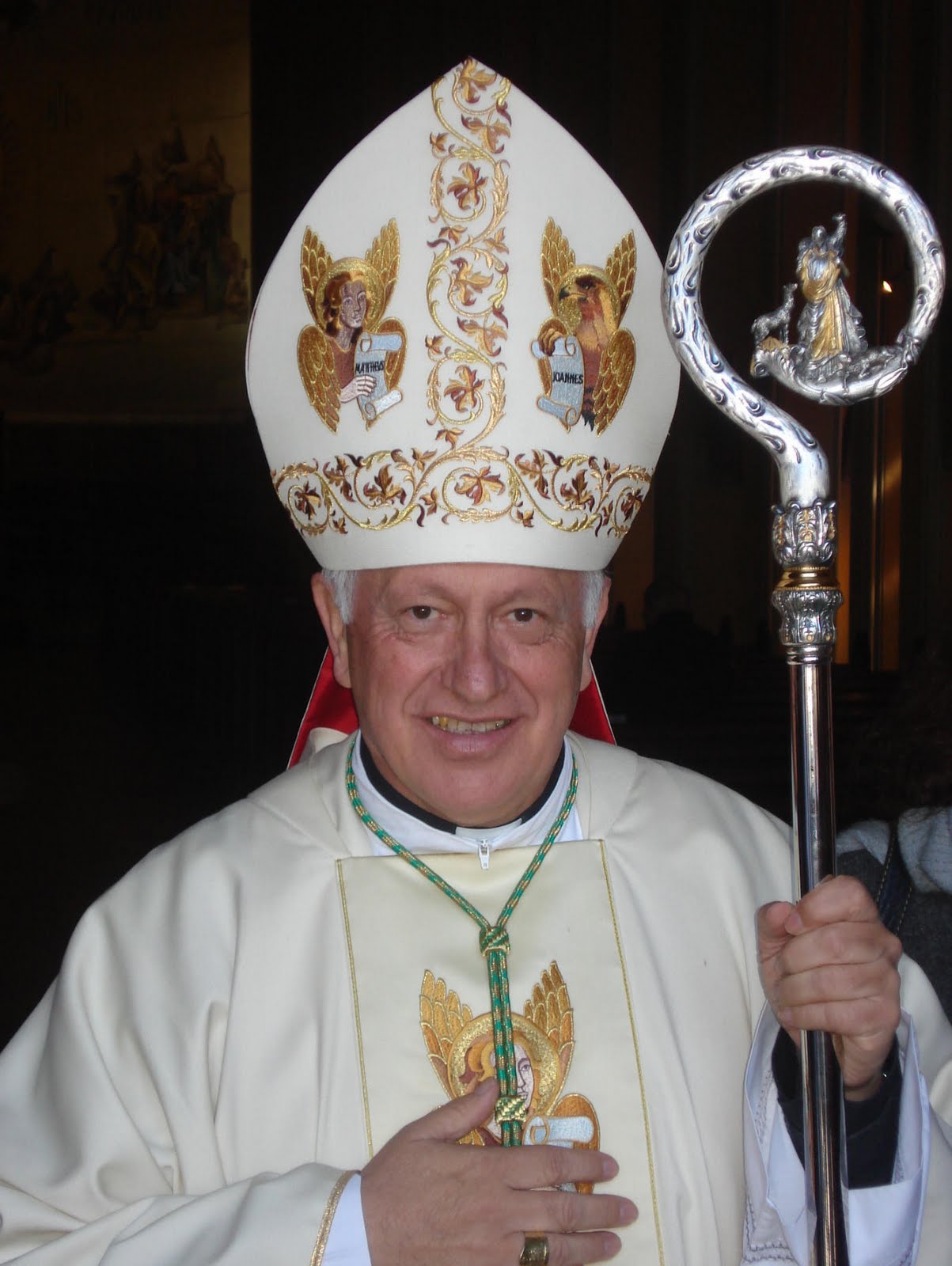
13. Archbishop Ricardo Ezzati Andrello, S.D.B., Metropolitan Archbishop of Santiago (Chile) – 72
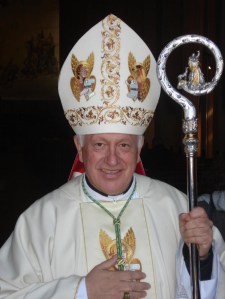
02

Another Cardinalatial see in the Latin Americas, and therefore, Archbishop Ezzati Andrello is one of the few possible choices for the Cardinalate. Another Cardinal to increase the proportion of Latin America in the Sacred College of Cardinals.


14. Archbishop Philippe Nakellentuba Ouedraogo, Metropolitan Archbishop of Ouagadougou (Burkina Faso) – 68
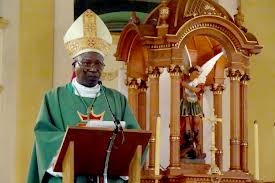
Oua

One of his predecessor was made Cardinal by Pope Paul VI in 1965, and therefore Archbishop Ouedraogo was a potential candidate for the Cardinalate for Africa region.


15. Archbishop Orlando Beltran Quevedo, O.M.I., Metropolitan Archbishop of Cotabato (Philippines) – 74
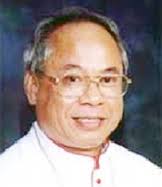
Quevedo

A rather suprising choice because Archbishop Quevedo is already 74 and therefore is just one year from the mandatory retirement age, although this may be extended towards 80, as was quite common in recent years among Asian Cardinals.

Geographically the choice made sense because the Philippines does deserve more Cardinals, and so far the Cardinalatial sees only cover the north (Manila) and central (Cebu) portions of the country. A Cardinal from the southern island of Mindanao is a good sign indeed.


16. Bishop Chibly Langlois, Bishop of Les Cayes (Haiti) – 55
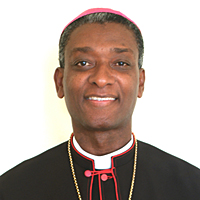
chibly_langlois

The youngest of the newly appointed Cardinals, from a relatively less important diocese in the Caribbean region. This choice is a nod both to the plight of the people of Haiti after the earthquake that happened a few years earlier, as well as the rising importance of the region to the Universal Church.


There are three Cardinal non-electors (over the age of 80) appointed in this Consistory, usually for their great and long contribution and dedication to the Church :


17. Archbishop Loris Francesco Capovilla, Archbishop-Prelate Emeritus of Loreto (Italy) – 98
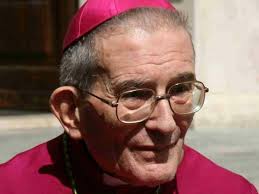
Capovilla

The oldest of the newly appointed Cardinals at 98, likely the oldest person ever appointed a Cardinal. Archbishop Capovilla was renowned for being the long-time private secretary to Blessed Pope John XXIII.

As the aforementioned Pope will be canonised this coming April, it is an obvious nod to his memory that Archbishop Capovilla, coupled with his long and dedicated service, that he is made a Cardinal.


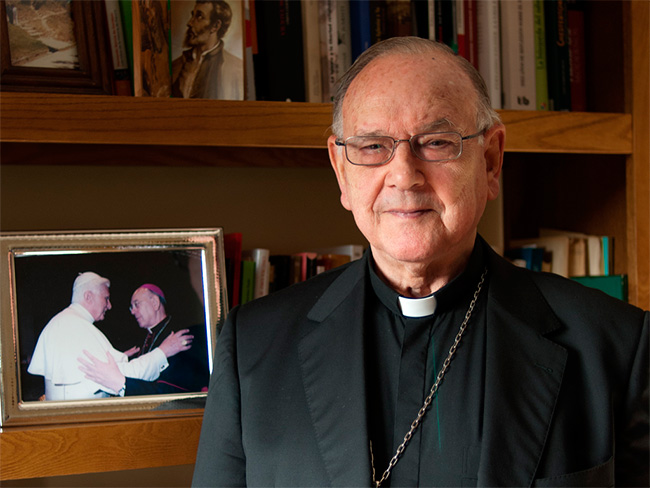
18. Archbishop Fernando Sebastian Aguilar, C.M.F., Metropolitan Archbishop Emeritus of Pamplona y Tudela (Spain) – 84

fernando-sebastian


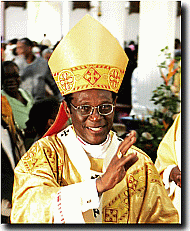
19. Archbishop Kelvin Edward Felix, Metropolitan Archbishop Emeritus of Castries (Saint Lucia) – 80
rev_felix

Another appointee for the Caribbean region, even though being over 80, it was rather honorary in nature, but nevertheless it was to highlight the importance of the New World in the Universal Church.

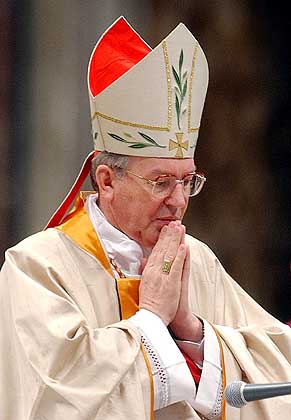
Cardinabili List for the Cardinal Consistory of 22 February 2014

Here is my own list of the potential candidates for the Cardinalate, to receive the red biretta in the Consistory next month.

The final list is not yet known, and while some in this list may not be chosen, it is possible all of them are chosen, and there may be even names outside this list I have compiled too. Pray for them!


Cardinal Consistory of 22 February 2014 (Feast of the Chair of St. Peter)


Almost Certain


Curia

1. Archbishop Pietro Parolin, Secretary of the Secretariat of State

2. Archbishop Beniamino Stella, Prefect of the Congregation for Clergy

3. Archbishop Gerhard Ludwig Muller, Prefect of the Congregation for the Doctrine of the Faith

4. Archbishop Lorenzo Baldisseri, Secretary General of the Synod of Bishops


Residential

5. Patriarch Francesco Moraglia, Patriarch of Venice (Italy)

6. Archbishop Mario Aurelio Poli, Metropolitan Archbishop of Buenos Aires (Argentina)


Very likely


Residential

6. Patriarch Manuel Jose Macario do Nascimento Clemente, Patriarch of Lisbon (Portugal)

7. Archbishop Vincent Nichols, Metropolitan Archbishop of Westminster (United Kingdom)

8. Archbishop Andre-Joseph Leonard, Metropolitan Archbishop of Mechelen-Brussels (Belgium)

9. Major Archbishop Sviatoslav Shevchuk, Major Archbishop of Kyiv-Halyc (Head of the Ukrainian Greek Catholic Church)

10. Archbishop Jose Serafio Palma, Metropolitan Archbishop of Cebu (Philippines)

11. Archbishop Andrew Yeom Soo-jung, Metropolitan Archbishop of Seoul (South Korea)

12. Archbishop Cyprian Kizito Lwanga, Metropolitan Archbishop of Kampala (Uganda)

13. Archbishop Odon Razanakolona, Metropolitan Archbishop of Antananarivo (Madagascar)

14. Archbishop Orani Joao Tempesta, Metropolitan Archbishop of Rio de Janeiro (Brazil)

15. Archbishop Ricardo Ezzati Andrello, S.D.B., Metropolitan Archbishop of Santiago (Chile)


Possible


Curial

16. Archbishop Jean-Louis Brugues, O.P., Head of the Vatican Secret Archives and the Vatican Apostolic Library

17. Archbishop Salvatore Fisichella, President of the Pontifical Council for the Promotion of the New Evangelisation

18. Archbishop Vincenzo Paglia, President of the Pontifical Council for the Family


Residential

19. Archbishop Charles Joseph Chaput, O.F.M. Cap., Metropolitan Archbishop of Philadelphia (USA)

20. Archbishop Rogelio Cabrera Lopez, Metropolitan Archbishop of Monterrey (Mexico)

21. Archbishop Peter Takeo Okada, Metropolitan Archbishop of Tokyo (Japan)

22. Archbishop Ignatius Suharyo Hardjoatmodjo, Metropolitan Archbishop of Jakarta (Indonesia)

23. Patriarch Ibrahim Isaac Sidrak, Patriarch of Alexandria (Head of the Coptic Catholic Church)

24. Archbishop Francis Xavier Kriengsak Kovithavanij, Metropolitan Archbishop of Bangkok (Thailand)

25. Archbishop Eustaqio Pastor Cuquejo Verga, Metropolitan Archbishop of Asuncion (Paraguay)

26. Archbishop Cesare Nosiglia, Metropolitan Archbishop of Turin (Italy)

My blog passed the 50,000th view. Thanks be to God!

My humble blog has been viewed 50,000 times as of Thursday, 21 November 2013.

Thanks be to God who has granted me the strength daily to persevere in my faith and my dedication to Him, which I offer to Him and all my fellow men through the works of my hands.

Here is the current statistics of my blog :

Days since inception : 313

Total views : 50,244

Total visitors : 29,520

Total posts : 1,655


Statistics by countries (Data available total – 49,578) :

1. United States of America : 17,203

2. Singapore : 12,022

3. Philippines : 4,553

4. United Kingdom : 2,547

5. Canada : 1,966

6. Italy : 1,132

7. Australia : 964

8. Germany : 714

9. India : 620

10. France : 493

11. Ireland : 493

12. Poland : 470

13. Malaysia : 410

14. Indonesia : 355

15. Netherlands : 305

16. Belgium : 240

17. Brazil : 231

18. Spain : 190

19. Hungary : 182

20. New Zealand : 172

21. Hong Kong : 162

22. Sweden : 160

23. Switzerland : 159

24. Austria : 154

25. South Africa : 153

26. Mexico : 149

27. Portugal : 148

28. Croatia : 138

29. United Arab Emirates : 127

30. Nigeria : 114

31. Malta : 110

32. Thailand : 105

33. Japan : 104

34. Saudi Arabia : 100

35. Slovakia : 93

36. Finland : 92

37. Vietnam : 91

38. Greece : 84

39. Romania : 83

40. Czech Republic : 82

41. Russian Federation : 82

42. Norway : 78

43. Argentina : 78

44. Lithuania : 76

45. Taiwan : 75

46. Colombia : 66

47. Kenya : 59

48. Puerto Rico (USA) : 53

49. Ghana : 52

50. South Korea : 51

51. Sri Lanka : 50

52. Botswana : 44

53. Slovenia : 41

54. Trinidad and Tobago : 39

55. Panama : 36

56. Israel : 35

57. Lebanon : 34

58. Denmark : 33

59. Chile : 32

60. Uganda : 31

61. Pakistan : 31

62. Vatican City : 31

63. Kuwait : 30

64. Tanzania : 29

65. Bulgaria : 28

66. Cyprus : 27

67. Cameroon : 26

68. Mauritius : 24

69. Egypt : 24

70. Costa Rica : 22

71. Bosnia and Herzegovina : 21

72. Serbia : 20

73. Ukraine : 20

74. Zimbabwe : 20

75. Turkey : 18

76. Dominican Republic : 18

77. Guam (USA) : 18

78. Latvia : 18

79. Jamaica : 18

80. Guatemala : 18

81. Barbados : 17

82. Bahamas : 16

83. Senegal : 14

84. Macau : 14

85. Venezuela : 14

86. Qatar : 13

87. Namibia : 13

88. Bangladesh : 12

89. Luxembourg : 12

90. Brunei Darussalam : 12

91. Ethiopia : 11

92. El Salvador : 11

93. Cambodia : 9

94. Peru : 9

95. Rwanda : 9

96. Belarus : 9

97. Jordan : 9

98. Bolivia : 8

99. Albania : 8

100. Ivory Coast : 8

101. Saint Lucia : 8

102. Virgin Islands (USA and UK) : 7

103. Nepal : 7

104. Grenada : 7

105. Estonia : 7

106. Zambia : 7

107. Djibouti : 7

108. Moldova : 6

109. Gibraltar (UK) : 6

110. Nicaragua : 5

111. Turks and Caicos Islands (UK) : 5

112. Honduras : 5

113. Dominica : 5

114. Mozambique : 4

115. Ecuador : 4

116. Papua New Guinea : 4

117. Uruguay : 4

118. Northern Mariana Islands (USA) : 4

119. Myanmar : 4

120. Bahrain : 4

121. Fiji : 4

122. Cayman Islands (UK) : 3

123. Swaziland : 3

124. Laos : 3

125. Iraq : 3

126. Lesotho : 3

127. Guyana : 3

128. Liechtenstein : 3

129. Bermuda (UK) : 3

130. Sierra Leone : 2

131. Solomon Islands : 2

132. Martinique : 2

133. Guernsey (UK) : 2

134. Oman : 2

135. Armenia : 2

136. Belize : 2

137. Monaco : 2

138. Marshall Islands : 2

139. Timor-Leste : 2

140. Malawi : 2

141. Haiti : 2

142. Madagascar : 2

143. Uzbekistan : 2

144. Iceland : 2

145. Togo : 1

146. Isle of Man (UK) : 1

147. St. Vincent and the Grenadines : 1

148. Maldives : 1

149. Greenland (Denmark) : 1

150. Federated States of Micronesia : 1

151. Paraguay : 1

152. Libya : 1

153. Palestinian Territories : 1

154. French Polynesia (France) : 1

155. Montenegro : 1

156. Equatorial Guinea : 1

157. Seychelles : 1

158. Macedonia : 1

159. American Samoa (USA) : 1

160. Iran : 1

Passing of Cardinal Domenico Bartolucci of Italy, at the age of 96

Bartolucci

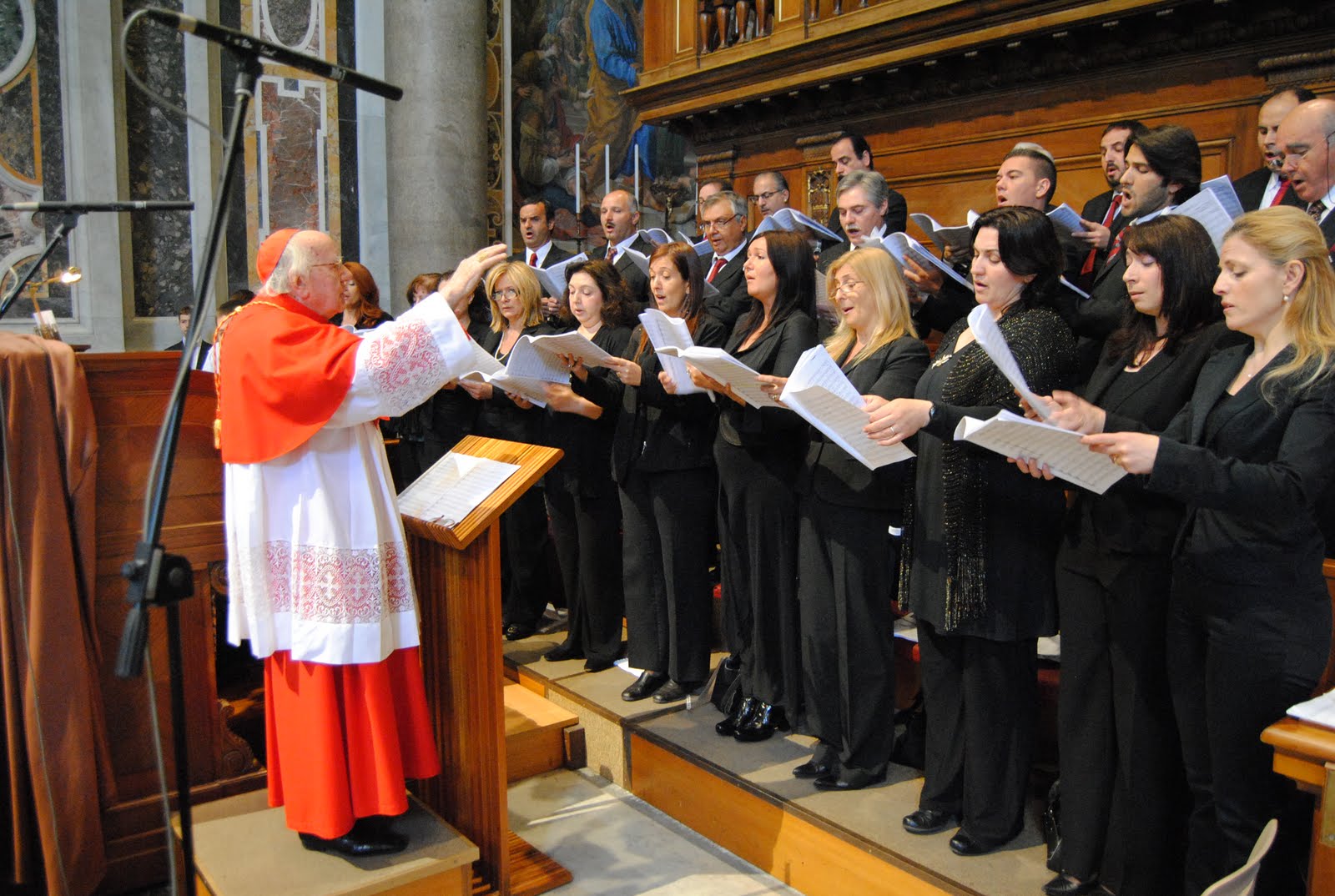
Cardinal Domenico Bartolucci, Cardinal Deacon of SS. Nomi di Gesu e Maria in Via Lata has passed away on Monday, 11 November 2013 at the age of 96. He was the Director of the Sistine Chapel Choir (1956-1997), better known as his title of the Director Master of the Pontifical Musical Chorus of the Sistine Chapel.

http://www.gcatholic.org/hierarchy/data/cardB16-3.htm#45954

Jan2011Nov2010BartolucciReuters

Cardinal Bartolucci was created Cardinal in 2010 by Pope Benedict XVI in his third Cardinal creation consistory and he was a longtime Director of the Sistine Chapel choir, a great conductor and composer of sacred and liturgical music, for over 41 years from 1956 to 1997. Cardinal Bartolucci retired in 1997, but even then, he still conducted his beloved choir and created more beautiful music for worship after he retired. He was honoured by Pope Benedict XVI for his longtime service to the Church by the bestowal of the red hat of a Cardinal in 2010, when he was 93.

brandmuller xvi

We pray for Cardinal Bartolucci, that he will rest in peace, and God will reward him for all his hard and great work as the long time servant of God through music as the conductor, director, and composer of the Papal liturgical music and sacred music through the Sistine Chapel choir  and his numerous other contributions to the Universal Church and for the Lord’s sake. May the Lord welcome him into His embrace in heaven and give him eternal rest and happiness that he deserved.

With the passing of Cardinal Bartolucci, the College of Cardinals now stands at 200 members, with 109 Cardinal-electors and 91 Cardinal non-electors.

There are now 11 Cardinal-elector vacancies in the College of Cardinals, 12 vacant Cardinal Titles (for Cardinal Priests) and 9 vacant Cardinal Deaconries (for Cardinal Deacons)