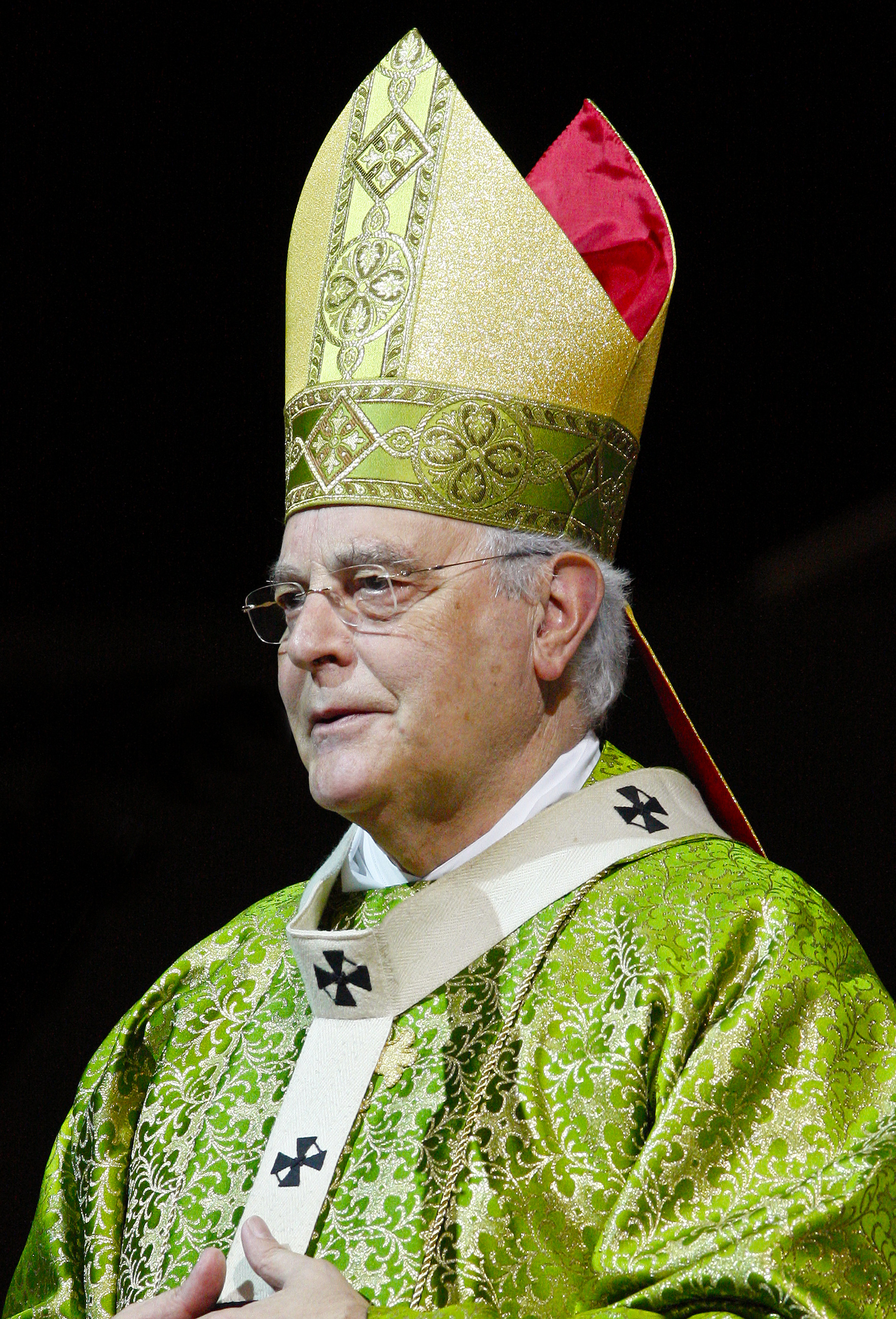
Cardinals Update : Cardinal Carlos Amigo Vallejo, Metropolitan Archbishop Emeritus of Sevilla (Spain), turned 80, ceases to be a Cardinal-elector

On Saturday, 23 August 2014, Cardinal Carlos Amigo Vallejo, O.F.M., Cardinal-Priest of S. Maria in Monserrato degli Spagnoli, Cardinal-Archbishop Emeritus of Sevilla (Spain), turned 80, and therefore, according to the rules written in the Apostolic Constitution Universi Dominici Gregis, he lost his right to vote in any future conclave.

Monsenor_Carlos_Amigo1

Cardinal Carlos Amigo Vallejo was made Cardinal-Priest of S. Maria in Monserrato degli Spagnoli by Pope St. John Paul II in the 2003 Consistory of Cardinals on 21 October 2003, the ninth and last Consistory of his pontificate. Cardinal Amigo Vallejo was made a Cardinal in honour of his position as the Metropolitan Archbishop of Sevilla, one of the most prominent and important Archdiocese in Spain, a staunch and faithful Catholic nation, which he held from 1982 to 2009.

images (1)


(Cardinal Carlos Amigo Vallejo’s coat of arms, with the motto “Gratia et Pax” – Grace and Peace)

http://www.gcatholic.org/hierarchy/data/cardJP2-9.htm#6

May God bless His Eminence Cardinal Amigo Vallejo with a blessed old age and health. May he remain strong in the faith and hopefully can perhaps still continue to work great graces and good works of love and peace even after he has been retired to the people as the helper of the Vicar of Christ our Pope, as he continues to minister to the people of God. We thank him for his good service as the shepherd of the faithful in Sevilla and Spain.

images

The College of Cardinals now stands at 210 members in total, with 116 Cardinal-electors and 94 Cardinal non-electors. There are now a vacancy of 4 Cardinal-elector as compared to the maximum number of electors allowed in the Conclave of 120.

Next Cardinal-elector to age out (80) will be Cardinal Paolo Sardi, the Cardinal-Patron of the Sovereign Military Hospitaller Order of St. John of Jerusalem of Rhodes and of Malta on 1 September 2014.

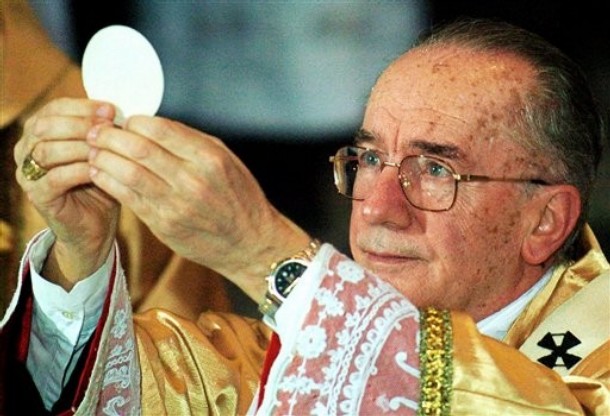
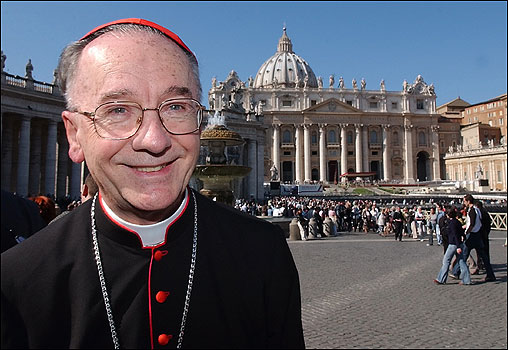
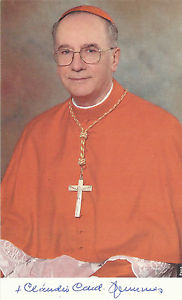
Cardinal Claudio Hummes (Brazil), Cardinal Archbishop Emeritus of Sao Paulo (Brazil) turned 80, ceases to be a Cardinal-elector

On Friday, 8 August 2014, Cardinal Claudio Hummes, O.F.M., Cardinal-Priest of S. Antonio da Padova in Via Merulana, Cardinal-Archbishop Emeritus of Sao Paulo (Brazil), turned 80, and therefore, according to the rules written in the Apostolic Constitution Universi Dominici Gregis, he lost his right to vote in any future conclave.

CHummes

Cardinal Claudio Hummes was made Cardinal-Priest of S. Antonio da Padova in Via Merulana by Pope St. John Paul II in the 2001 Consistory of Cardinals on 21 February 2001, the eighth Consistory of his pontificate. Cardinal Hummes was made a Cardinal in honour of his position as the Metropolitan Archbishop of Sao Paulo, the largest and preeminent Archdiocese and See in the whole of the state of Brazil, which he held from 1998 to 2006. In addition, Cardinal Hummes also hold the position of the Cardinal Prefect of the Congregation for Clergy from 2006 to 2010.

1107961468_2264

http://www.gcatholic.org/hierarchy/data/cardJP2-8.htm#70

May God bless His Eminence Cardinal Hummes with a blessed old age and health. May he remain strong in the faith and hopefully can perhaps still continue to work great graces and good works of love and peace even after he has been retired to the people as the helper of the Vicar of Christ our Pope, as he continues to minister to the people of God. We thank him for his good service as the shepherd of the faithful in Sao Paulo and Brazil.

$(KGrHqJ,!lwFIVNWzdOUBSNDi(sCNg~~60_35

The College of Cardinals now stands at 211 members in total, with 117 Cardinal-electors and 94 Cardinal non-electors. There are now a vacancy of 3 Cardinal-elector as compared to the maximum number of electors allowed in the Conclave of 120.

Next Cardinal-elector to age out (80) will be Cardinal Carlos Amigo Vallejo, the Metropolitan Archbishop Emeritus of Sevilla (Spain), on 23 August 2014.

Saturday, 21 June 2014 : 11th Week of Ordinary Time, Memorial of St. Aloysius Gonzaga, Religious (Scripture Reflections)

Liturgical Colour : White

Brothers and sisters in Christ, we are reminded yet again today that we should put our trust in God and leave all things to Him who cares for us. We do not need to worry or think about what we are to do today and what we ought to have in our lives. As I have often mentioned, in this life, we often confuse between our needs and our wants, between the things that we truly need in life and things that is in our desire and greed.

Yes, we also often confuse between things that are truly precious and dear to us, and things that are what form our desire and our greed. In our world today filled with materialism and consumerism, this is becoming more and more out of hand, and instead of doing what the Lord wants us to do, we are getting more and more separated from Him by committing things unworthy in His sight.

What are some of the examples? We always worry about the latest gadgets and newest inventions that are marketed to us as things that we need to have so that we look ‘cool’ and acceptable to the society, and we also often beg and seek these things to fulfill our own feeling of inferiority and need for acceptance, but we fail to look beyond that, to find what we truly want and need in life.

God is with us, brothers and sisters, and He knows perfectly all the things that we need at all the moments of our lives. I am sure many of us did not realise this, but if we do take some time to think and reflect, have you realised that actually in many moments of our lives, we have been blessed by God who intervened in His own way and in His own time to help us and to be with us? God never left us alone.

We have to learn to let go of the many desires and egoistic feelings that we have in us. We cannot succumb to our desires and wants, as this will inevitably lead to more and more desire and more and more wants. Mankind are inherently greedy and desire pleasure, hence, we are predisposed to seek pleasures and comfort in life, forgetting what we truly need to do in life.

Today we commemorate the feast of St. Aloysius Gonzaga, a holy man and a dedicated worker of the faith and servant of God, who was born in the late Renaissance Italy, into a noble and wealthy family, one of the most influential and powerful families of that era in Italy. He was destined for greatness, both in inheritance and great wealth. However, the heart of St. Aloysius Gonzaga turned somewhere else.

Instead of dwelling in his privileged status and in his material wealth, of which he had so much that he need no more, St. Aloysius Gonzaga wanted to become a priest and a missionary, working to spread the Good News to the lands which were still in the darkness without the knowledge of God. As such, he wanted to join the Jesuits, but his family was adamantly against his choice.

However, despite persuasions and negotiations, his family failed to convince St. Aloysius Gonzaga to do otherwise. Eventually, St. Aloysius Gonzaga fulfilled his desire and became a Jesuit, and he committed himself totally to God, and even during a plague, when many died from the sickness, he did not fear and continued to commit himself to the patients and the sick in love, eventually succumbing to the disease himself. But in dying, he had shown us all, the power of love and faith that is lived in that love.

Therefore, brothers and sisters in Christ, are we able to live like St. Aloysius Gonzaga had done? Are we able to get our eyes and our minds away from our continuous desire for more and more goods and pleasures? We must really make the effort to do good for others as St. Aloysius Gonzaga had done for others. Let us really live our faith and be faithful to God, practicing our faith with love. May God be our guide and our strength. Amen.

Saturday, 21 June 2014 : 11th Week of Ordinary Time, Memorial of St. Aloysius Gonzaga, Religious (Gospel Reading)

Liturgical Colour : White

Matthew 6 : 24-34

No one can serve two masters; for he will either hate one and love the other, or he will be loyal to the first and look down on the second. You cannot at the same time serve God and money.

This is why I tell you not to be worried about food or drink for yourself, or about clothes for your body. Is not life more important than food, and is not the body more important than clothes? Look at the birds of the air; they do not sow, they do not harvest and do not store food in barns, and yet your heavenly Father feeds them. Are you not less worthy than they are?

Can any of you add a day to your life by worrying about it? Why are you so worried about your clothes? Look at how the flowers in the fields grow. They do not toil or spin. But I tell you that not even Solomon in all his wealth was clothed like one of these.

If God so clothed the grass in the field, which blooms today and is to be burned tomorrow in an oven, how much more will he clothe you? What little faith you have!

Do not worry and say : What are we going to eat? What are we going to drink? or : What shall we wear? The pagans busy themselves with such things; but your heavenly Father knows that you need them all. Set your heart first on the kingdom and justice of God, and all these things will also be given to you.

Do not worry about tomorrow, for tomorrow will worry about itself. Each day has enough trouble of its own.

Saturday, 21 June 2014 : 11th Week of Ordinary Time, Memorial of St. Aloysius Gonzaga, Religious (Psalm)

Liturgical Colour : White

Psalm 88 : 4-5, 29-30, 31-32, 33-34

You said, “I have made a covenant with David, My chosen one; I have made a pledge to My servant. I establish his descendants forever; I build his throne for all generations.”

I will keep My covenant firm forever, and My love for him will endure. His dynasty will last forever, and his throne as long as the heavens.

If his sons forsake My law and fail to follow My decrees, if they violate My statutes and do not keep My commandments.

I will punish their crime with the rod and their offenses with the scourge; yet I will not withdraw My love from him, nor will I withdraw My faithfulness.

Saturday, 21 June 2014 : 11th Week of Ordinary Time, Memorial of St. Aloysius Gonzaga, Religious (First Reading)

Liturgical Colour : White

2 Chronicles 24 : 17-25

After the death of Jehoiada, the officials of Judah came to pay court to the king, and the king now turned to them for advice. The Judaeans abandoned the house of YHVH, the God of their ancestors, for the worship of sacred trunks and idols and God’s anger fell on Judah and Jerusalem because of their guilt.

He sent them prophets to bring them back to YHVH, but when the prophets spoke, they would not listen. The Spirit of God took control of Zechariah, son of Jehoiada the priest. He stood up before the people and said, “God says this : Why are you disobeying the commandments of YHVH? You cannot prosper. You have abandoned YHVH and He will abandon you.”

They then plotted against him and by order of the king stoned him in the court of YHVH’s House. King Joash forgot the kindness of Jehoiada, the father of Zechariah, and killed Jehoiada’s son who cried out as he died, “Let YHVH see and do justice!”

When a year had gone by, the Aramean army made war on Joash. They reached Judah and Jerusalem, and killed all the officials among the people, sending back to the king of Damascus all that they had plundered from them. Though the Aramean army was small, YHVH delivered into its power an army of great size for they had abandoned Him, the God of their ancestors.

The Arameans wounded Joash and when they withdrew they left him a very sick man; and his officers, plotting against him to avenge the death of the son of Jehoiada the priest, murdered him in his bed. So he died, and they buried him in the City of David, though not in the tombs of the kings.

Saturday, 3 May 2014 : Feast of Sts. Philip and James, Apostles (Scripture Reflections)

Liturgical Colour : Red

Brothers and sisters in Christ, today we celebrate the feast of St. James and St. Philip, two of the Twelve Apostles of Christ, who brought the faith to faraway lands, dedicating themselves to the Lord and His mission that He had entrusted to them. Today we learn from the readings that we ought to be firm in our faith, and to proclaim the truth about the Christ, that is Jesus our Lord.

For Jesus is the Son of God, anointed with power, and through Him the salvation of all had come. Through Jesus, God worked His great miracles and brought His mercy to all peoples, bringing them closer to the embrace and eternal life He had offered freely to us. Yes, freely through Jesus and His sacrifice on the cross. Jesus is the bridge that connects us to God our Father, as the only way through which we can return to the Father who loves us and wishes nothing more for us other than that we all may be saved.

Brethren, we have to preach Christ our Lord and the Good News He bore to all the nations, beginning from those who are around us. How do we do so? Remember what Christ told us in the Gospel today, that those who believe in Him, will do even greater things than He had done, but doing similar works nonetheless, for we are the extensions of God’s good works which He began when He came into our world through Jesus.

This means that we have to carry out the teachings of our faith and practice it concretely in our communities and in our surroundings, that having our actions and deeds based closely on Christ and His teachings, we become the reflection and living manifestations of that teaching, and thus show the truth about Christ to all those who see us, and therefore they may believe in Him too, through us and our works.

Therefore, just as Jesus had reflected the will and nature of the Father, we too should reflect the nature of Jesus and be like the Father in all things, that we be worthy of Him. We have to open our hearts and minds to listen and understand the will of the Father, through Jesus and His teachings, that we may walk in His ways and hence remain in His grace.

The holy Apostles had laboured hard for the sake of the Gospel, and they encountered enormous difficulties and challenges as they went on their ministries to the people of God. They went on delivering the words of God’s salvation to all the peoples regardless of these, and they persevered despite the oppositions.

They passed on the truth that had been revealed to them by Christ Himself. From them they passed on this truth which is kept for generations as a deposit of the faith and is kept in the teachings of the Church. And this is why we must uphold with the greatest care and devotion what the Church had taught us and kept the faith we have with greatest effort. We cannot be complacent in this, just as the Apostles were not complacent in their works to evangelise the people of God.

St. James the Apostle, also known as St. James the Lesser, went on to spread the Good News in the western parts of the Roman Empire, evangelising the people where none had heard the Word of God before. He was eventually martyred in Hispania, the place known as Spain today. His most important shrine and place of remembrance is at the Cathedral of Santiago de Compostela, the well-known and famous pilgrimage site of our faith.

Meanwhile St. Philip the Apostle was known for his conversion of the attendant or official of the ruler of Ethiopia as he made his way through Judea in a carriage. This is a well-known story in the New Testament, in the Book of the Acts of the Apostles, telling us how the Ethiopian official discussed the faith with Philip, and in the process, convincing him of the truth about Jesus who came as the Messiah and Saviour of the world. Philip baptised the official and from him came the seed of faith that is preserved even until today in Ethiopia.

He went on to spread the Good News to areas of Greece, the province of Roman Asia and other areas, until he too was martyred for his faith and missionary works. St. Philip even in his suffering and death managed to do good works for the people of God, converting many to the cause of the Lord. Together with St. James, both these Apostles are truly role models for all of us the faithful ones in Christ.

Yes, brethren, we are also called in this modern era to be the Apostles and disciples of Christ of our times. We should not be afraid or reluctant to proclaim the truth about the Lord just as the Apostles had done before. This world lies in darkness, and many languished in that great darkness, bereft of the opportunity to see the Lord and His light, having been barred by the darkness itself. It is often up to us, to be the ones to bring them into the light and therefore show them the path towards eternal life.

May God bless us and guide us, as we walk in this path, that we may follow the footsteps of the Apostles St. James and St. Philip, that we too may be courageous in our lives that we may do our best to bring the people of God ever closer to salvation and perfection in God. God bless us all. Amen.

Friday, 4 April 2014 : 4th Week of Lent, Memorial of St. Isidore, Bishop and Doctor of the Church (Scripture Reflections)

Liturgical Colour : Purple/Violet

Brothers and sisters in Christ, the people of God did not accept the Lord Himself who came down from on high to be with us. They thought of themselves as being better and greater than God, doubting Him and did not believe in Him when He came and rejecting His teachings, preferring to trust in their own beliefs.

They closed their hearts and themselves from the Lord because they allowed their fear and human emotions and desires to manipulate them, change them, and sequester them from the love of God. As a result, they see the coming of the Christ, that is Jesus, as a rival, challenge, and danger that must be removed at any cost, rather than as an opportunity to herald the coming of God’s kingdom into the world.

And this concerns in fact not just the Pharisees and the teachers of the Law of Jesus’s time, but also all of us, brothers and sisters in Christ. We ourselves have often placed ourselves as obstacles in the way of the Lord and His salvation, not just for ourselves but also for those around us. We have often followed our own desires, our own ego and will rather than listening to God and obeying His will.

Brothers and sisters in Christ, let us use this opportunity to reflect on our own life and on our own course of action. Have we been like those who plotted against the Lord just because He came to them and spoke the truth? Or have we accepted Him and listened to Him because of that truth? The truth is often not beautiful or appealing to us, simply because and plainly because we are sinners, and we have committed things that are wicked in the eyes of God and men.

We usually do not like it when things do not go our way or follow what we desired. We complain, we grumble, and we throw tantrum when this happens because we think only about ourselves, and we are only concerned about ourselves. That is why, we in our pride and our arrogance think that we are the masters of the things that we do, and we will never give in, to achieve what we want.

Today we commemorate the feast of St. Isidore, a bishop of late Roman era Hispania, modern day Spain, in Seville. As the bishop and influential leader of the people, both secular and religious, he emphasized on the spiritual renewal of the people and the casting away of the ways of the old, that is the way of wickedness. He worked hard to preach the Gospel and the Good News of the Lord with truth.

St. Isidore helped to convert the people and the kings of his land, the Visigothic kings of Spain, to the true way of the Lord, leaving their heathen and mistaken path of the Arians, who rejected the Lord and His fullness for human ideas and human glories. St. Isidore guided them towards the way of the Lord and guided them to be true followers of God’s will.

The example of St. Isidore showed us how mankind are still often trapped in their own sense of self-righteousness and glory, that they refuse to listen to and look up towards the truth, especially the truth that is in the Lord. Mankind prefer to stay on their pride and refuse to budge even against the Lord and His urging. He sent us Jesus to remind us of the truth, and to take off the veil of pride that covers our eyes.

We have to learn to listen and trust in the Lord, for He knows better than us, and He knows the way to salvation, which we cannot reach on our own, less still by our own power alone. That is why we really should cast away our pride and sharpen the edge of our humility, that we may truly become loving children and followers of the Lord in our actions and our deeds.

Brothers and sisters in Christ, we all have a choice to make. We can choose to follow the path of pride, that is to give in to our emotions and fears, to be like the Pharisees and the teachers of the Law, or to cast away that pride and arrogance, and follow the Lord with all of our hearts, just as St. Isidore and many other great saints had done in the past.

The choice is ours, brethren, and let us therefore today pray, that the Lord may guide us all, and help us to walk together in His light, that we may dwell no longer in the darkness of our pride and stubbornness, but in the light of God’s presence. God be with us all. Amen.


New Cardinals and their assigned Churches in Rome, Consistory of 22 February 2014

On the Feast of the Chair of St. Peter, on Saturday, 22 February 2014, the Vicar of Christ and Bishop of Rome, Leader of the Universal Church, Pope Francis elevates 19 new Cardinals to the Cardinalate by the bestowal of the red biretta, 15 of which are of the order of priests (Cardinal Priests) and 4 of which are of the order of deacons (Cardinal Deacons).

3 of the new Cardinals are non-electors, being above the age of 80, appointed purely as honorary Cardinals for their service to the Church, and the other 16 Cardinals are voting-age Cardinals (below 80), and will be eligible to vote for the next Pope in the next Conclave until they reach the age of 80.

The College of Cardinals now stands at 218 members, with 122 Cardinal-electors and 96 Cardinal non-electors as of 22 February 2014.

In total, 2 new Cardinal churches in Rome are created, 1 for Cardinal Titular church and 1 for Cardinal deaconry.There are as of now, 0 vacant Cardinal Title, and 6 vacant Cardinal Deaconries.


Cardinal Deaconries :

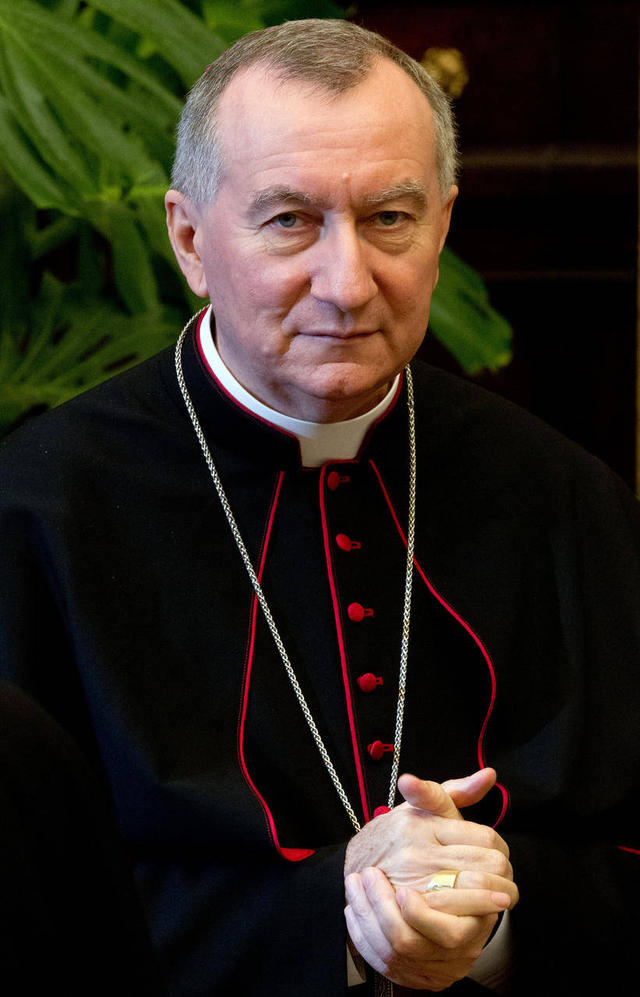
1. Pietro Cardinal Parolin, Cardinal Secretary of State

Cardinal Deaconry of Ss. Simone e Giuda Taddeo e Torre Angela (New Deaconry)


2. Lorenzo Cardinal Baldisseri, Secretary of the Synod of Bishops and College of Cardinals

Cardinal Deaconry of S. Anselmo all’Aventino


3. Gerhard Ludwig Cardinal Muller, Prefect of the Congregation for the Doctrine of the Faith

Cardinal Deaconry of S. Agnese in Agone


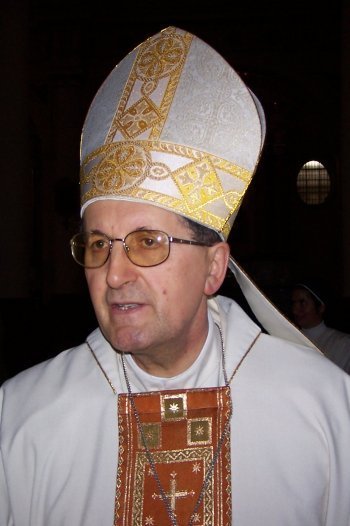
4. Beniamino Cardinal Stella, Prefect of the Congregation for Clergy

Cardinal Deaconry of Ss. Cosma e Damiano


Cardinal Titles :

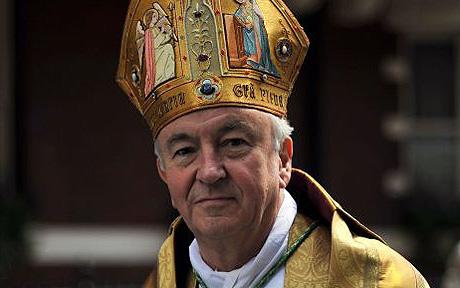
1. Vincent Gerard Cardinal Nichols, Metropolitan Archbishop of Westminster (UK)

Cardinal Title of Ss. Redentore e S. Alfonso in Via Merulana


2. Leopoldo Jose Cardinal Brenes Solorzano, Metropolitan Archbishop of Managua (Nicaragua)

Cardinal Title of S. Gioacchino ai Prati di Castello


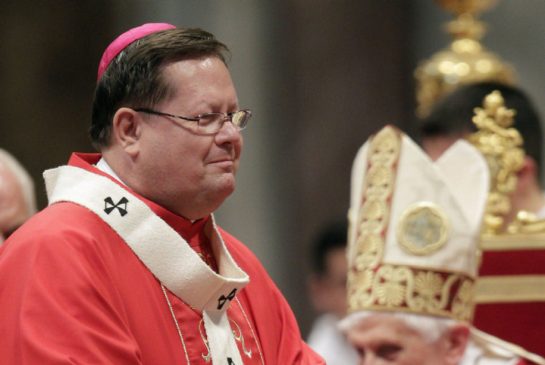
3. Gerald Cyprien Cardinal Lacroix, Metropolitan Archbishop of Quebec (Canada)

Cardinal Title of Giuseppe all’Aurelio


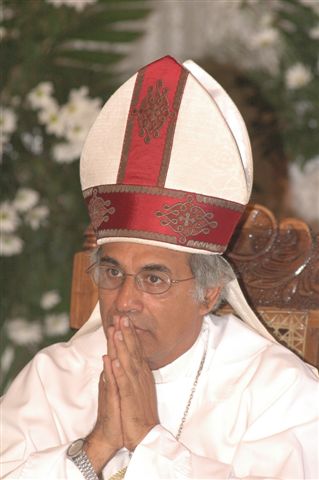
4. Jean-Pierre Cardinal Kutwa, Metropolitan Archbishop of Abidjan (Ivory Coast/Cote d’Ivoire)

Cardinal Title of S. Emerenziana a Tor Fiorenza


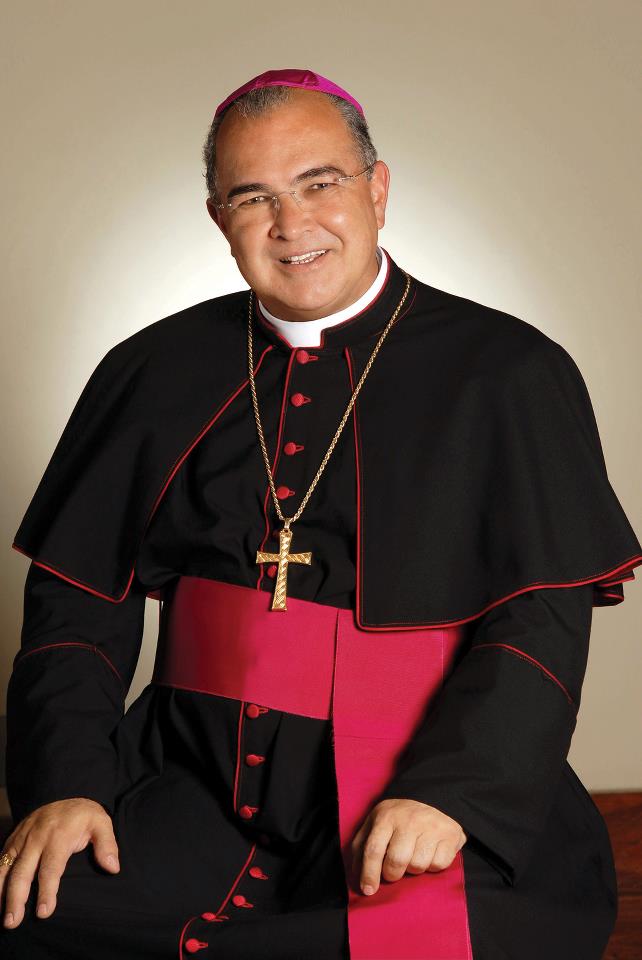
5. Orani Joao Cardinal Tempesta, Metropolitan Archbishop of Sao Sebastiao do Rio de Janeiro (Brazil)

Cardinal Title of S. Maria Madre della Provvidenza e Monte Verde


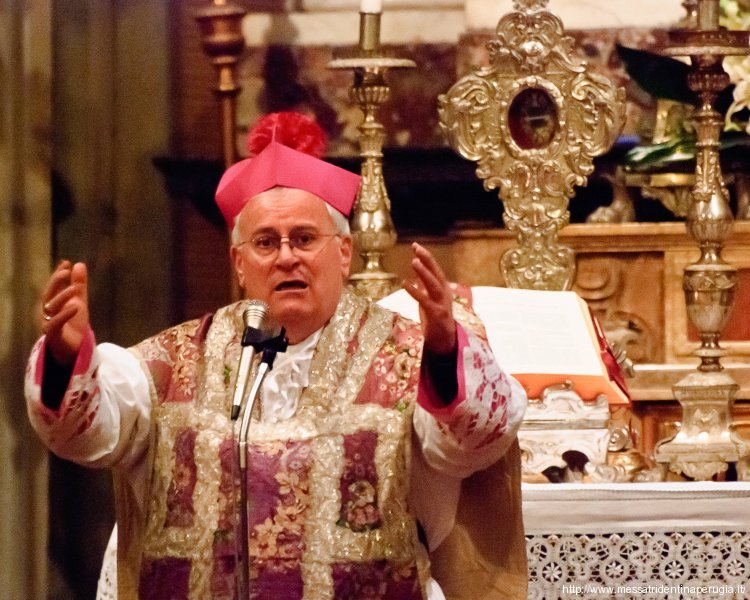
6. Gualtiero Cardinal Bassetti, Metropolitan Archbishop of Perugia-Citta della Pieve (Italy)

Cardinal Title of S. Cecilia


7. Mario Aurelio Cardinal Poli, Metropolitan Archbishop of Buenos Aires (Argentina)

Cardinal Title of S. Roberto Bellarmino


8. Andrew Cardinal Yeom Soo-jung, Metropolitan Archbishop of Seoul (South Korea)

Cardinal Title of S. Crisogono


9. Ricardo Cardinal Ezzati Andrello, Metropolitan Archbishop of Santiago (Chile)

Cardinal Title of Ss. Redentore a Valmelaina


10. Philippe Nakellentuba Cardinal Ouedraogo, Metropolitan Archbishop of Ouagadougou (Burkina Faso)

Cardinal Title of S. Marie Consolatrice al Tiburtino


11. Orlando Beltran Cardinal Quevedo, Metropolitan Archbishop of Cotabato (Philippines)

Cardinal Title of S. Maria ‘Regina Mundi’ a Torre Spaccata


12. Chibly Cardinal Langlois, Bishop of Les Cayes (Haiti)

Cardinal Title of S. Giacomo in Augusta (New Title)


13. Loris Francesco Cardinal Capovilla, Titular Archbishop of Mesembria, Personal Secretary to Blessed Pope John XXIII

Cardinal Title of S. Maria in Trastevere


14. Fernando Cardinal Sebastian Aguilar,  Metropolitan Archbishop Emeritus of Pamplona y Tudela (Spain)

Cardinal Title of S. Angela Merici


15. Kelvin Cardinal Edward Felix,  Metropolitan Archbishop Emeritus of Castries (Saint Lucia)

Cardinal Title of S. Maria della Salute a Primavalle

19 Cardinals to be created at the Consistory of 22 February 2014

On Sunday, 12 January 2014, at the Angelus of the Feast of the Baptism of the Lord, Pope Francis announced that 19 new Cardinals will be created at the consistory planned to be held on the Feast of the Chair of St. Peter, 22 February 2014.


Here are the names of the new Cardinals or Cardinal-elects, and some short explanation on them :

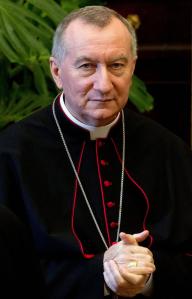
1. Archbishop Pietro Parolin, Secretary of the Secretariat of State – 58 (Age)
1272287

Being the highest position in the Church just below that of the Pope himself, Archbishop Parolin as the Secretariat of State is a certain candidate for the Cardinalate to be made at this consistory, and the position itself is explicitly stated to have to be held by a Cardinal (As Cardinal Secretary of State)


2. Archbishop Lorenzo Baldisseri, Secretary General of the Synod of Bishops – 73

images

Archbishop Lorenzo Baldisseri is also the Secretary of the College of Cardinals and therefore was the Secretary of the Conclave that elected Pope Francis on 13 March 2013.

It was reported and confirmed by sighting that the Pope had placed his own red zucchetto (skullcap) on the head of Archbishop Baldisseri, which by ancient custom (last used by Blessed Pope John XXIII on the Secretary of that time, Monsignor Alberto di Jorio in 1958) mark that the new Pope wants to bestow the red hat on the prelate. Hence, the elevation of Archbishop Baldisseri is pretty much certain.


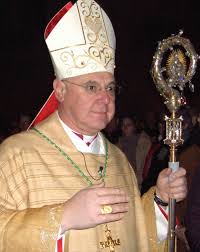
3. Archbishop Gerhard Ludwig Muller, Prefect of the Congregation for the Doctrine of the Faith – 66
Muller

As the Prefect of a Congregation, and one as important as the Congregation for the Doctrine of the Faith once held by Cardinal Joseph Ratzinger before he was elected Pope Benedict XVI in 2005, Archbishop Gerhard Ludwig Muller is a certain candidate for the Cardinalate, and sure enough, he is one of the 19 appointed.


4. Archbishop Beniamino Stella, Prefect of the Congregation for Clergy – 72

Stella

Similar with Archbishop Muller, as the Prefect of an important Roman Curia Congregation, Archbishop Stella is a certain candidate for the Cardinalate, and as a recent appointee by Pope Francis, this made his elevation very certain indeed.


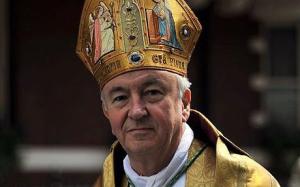
5. Archbishop Vincent Nichols, Metropolitan Archbishop of Westminster (United Kingdom) – 68
BRITAIN-RELIGION-ARCHISHOP-WESTMINSTER

With the problems that affected Cardinal Keith O’Brien early of last year and his retirement, the United Kingdom has no leading figure, which Archbishop Vincent Nichols, as the Archbishop of Westminster, the Primatial See of the United Kingdom as the obvious choice for the Cardinalate.


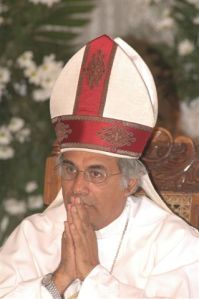
6. Archbishop Leopoldo Jose Brenes Solorzano, Metropolitan Archbishop of Managua (Nicaragua) – 64
Solorzano

As his predecessor was made Cardinal in 1985, and had been 7 years as a non-elector, it was natural that Archbishop Solorzano is made a Cardinal, representing the Central American region.


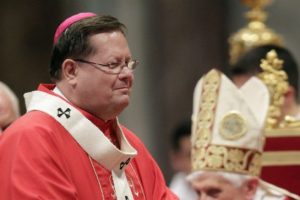
7. Archbishop Gerald Cyprien Lacroix, I.S.P.X., Metropolitan Archbishop of Quebec (Canada) – 56
gerald_cyprien_lacroix.jpg.size.xxlarge.promo

The second youngest of the newly appointed Cardinals, as the Primate of Canada by virtue of being the Prelate of Quebec, it is natural for Archbishop Lacroix to be appointed Cardinal. His predecessor, Cardinal Marc Ouellet, is the current Prefect of the Congregation for Bishops and was a leading papabili of the 2013 Papal Conclave.


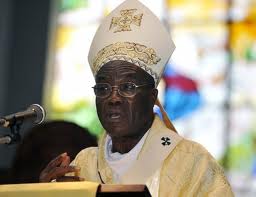
8. Archbishop Jean-Pierre Kutwa, Metropolitan Archbishop of Abidjan (Cote d’Ivoire / Ivory Coast) – 68
Jean-Pierre Kutwa

With two of his immediate predecessors made Cardinals in 1983 and 2001 respectively, Archbishop Kutwa had a high chance of being appointed Cardinal. His appointment is a nod to the Church in Africa, a growing community of the faithful, one with the Universal Church.


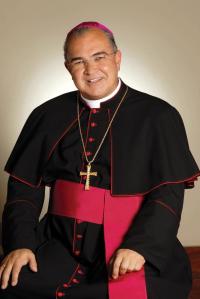
9. Archbishop Orani Joao Tempesta, O. Cist., Metropolitan Archbishop of Sao Sebastiao do Rio de Janeiro (Brazil) – 63
Dom Orani João Tempesta

As the head of a Cardinalatial see, with all five of his immediate predecessors made Cardinals, and with the limelight gained from the 2013 World Youth Day in Rio de Janeiro, Archbishop Tempesta is a certain candidate for the Cardinalate.


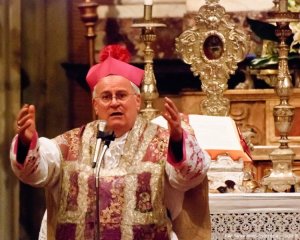
10. Archbishop Gualtiero Bassetti, Metropolitan Archbishop of Perugia-Citta della Pieve (Italy) – 71
Bassetti

His long ago predecessor, Cardinal Vincenzo Gioacchino Pecci was elected Pope Leo XIII in 1878. Since then Perugia had had no Cardinal. This elevation of Archbishop Bassetti to the Cardinalate would honour the memory of Pope Leo XIII and give chance to other Italian Archdioceses to get the red hat besides the major, Cardinalate ones. Archbishop Bassetti is also known for his pastoral nature and hard work for his Archdiocese.


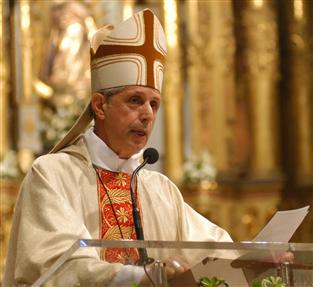
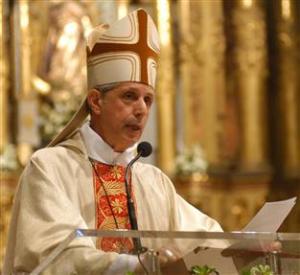
11. Archbishop Mario Aurelio Poli, Metropolitan Archbishop of Buenos Aires (Argentina) – 66
20130327134808

As the successor of Pope Francis as the Metropolitan Archbishop of Buenos Aires, Archbishop Poli is a natural and certain choice for the Cardinalate.


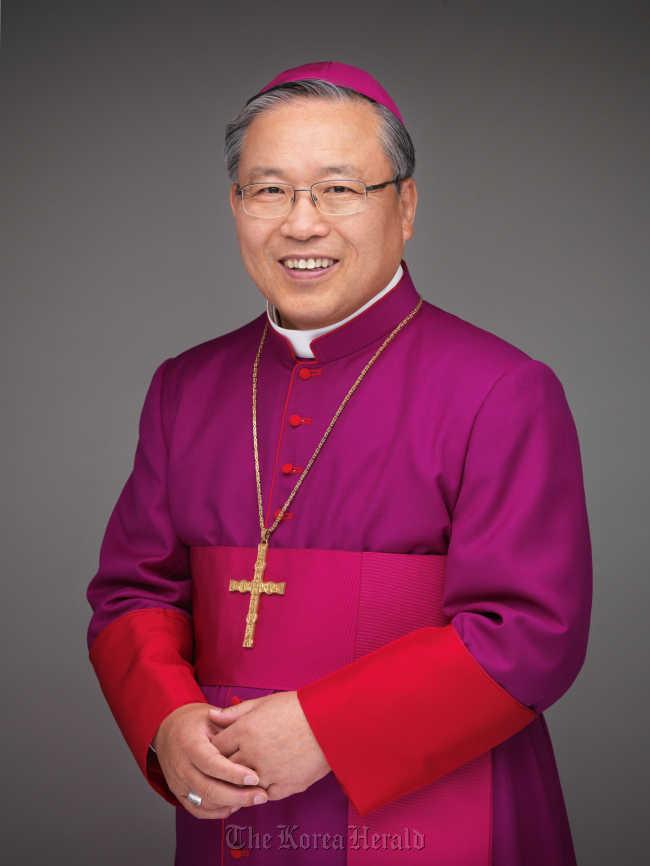
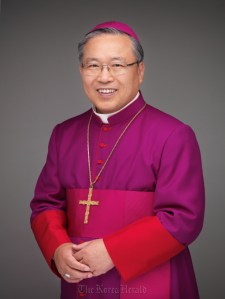
12. Archbishop Andrew Yeom Soo-jung, Metropolitan Archbishop of Seoul (South Korea) – 70
20120625000388_0

Among the three great Asian nations known for their Cardinals, namely Hong Kong (China), South Korea, and the Philippines, only South Korea at the moment has no Cardinal-elector. Hence, Archbishop Andrew Yeom is an almost confirmed choice for the Cardinalate, and indeed, he was chosen.


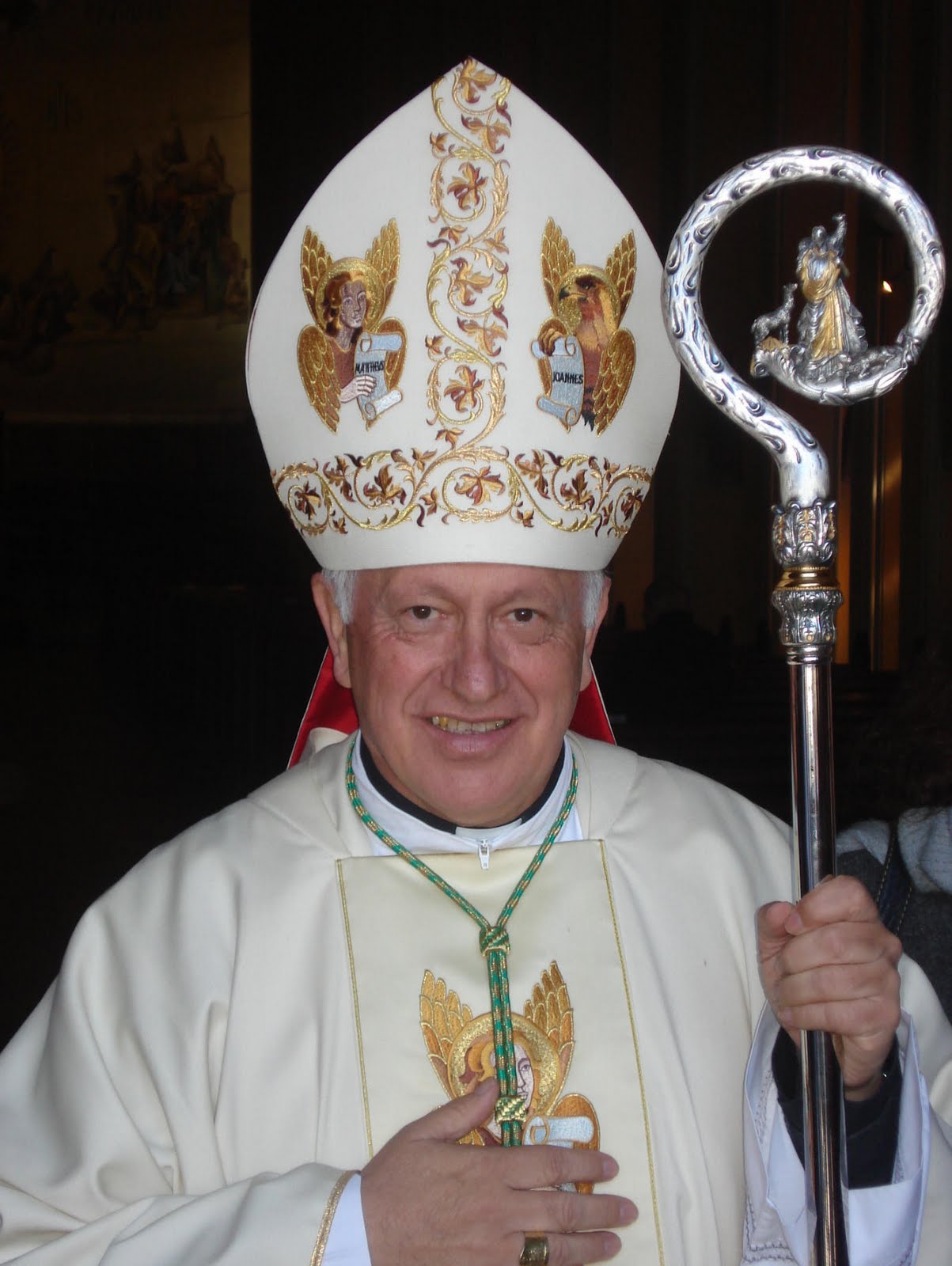
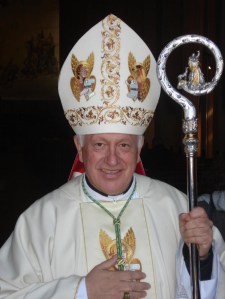
13. Archbishop Ricardo Ezzati Andrello, S.D.B., Metropolitan Archbishop of Santiago (Chile) – 72
02

Another Cardinalatial see in the Latin Americas, and therefore, Archbishop Ezzati Andrello is one of the few possible choices for the Cardinalate. Another Cardinal to increase the proportion of Latin America in the Sacred College of Cardinals.


14. Archbishop Philippe Nakellentuba Ouedraogo, Metropolitan Archbishop of Ouagadougou (Burkina Faso) – 68
Oua

One of his predecessor was made Cardinal by Pope Paul VI in 1965, and therefore Archbishop Ouedraogo was a potential candidate for the Cardinalate for Africa region.


15. Archbishop Orlando Beltran Quevedo, O.M.I., Metropolitan Archbishop of Cotabato (Philippines) – 74
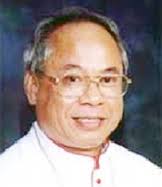
Quevedo

A rather suprising choice because Archbishop Quevedo is already 74 and therefore is just one year from the mandatory retirement age, although this may be extended towards 80, as was quite common in recent years among Asian Cardinals.

Geographically the choice made sense because the Philippines does deserve more Cardinals, and so far the Cardinalatial sees only cover the north (Manila) and central (Cebu) portions of the country. A Cardinal from the southern island of Mindanao is a good sign indeed.


16. Bishop Chibly Langlois, Bishop of Les Cayes (Haiti) – 55
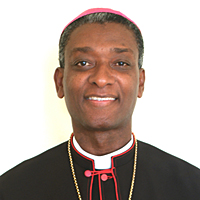
chibly_langlois

The youngest of the newly appointed Cardinals, from a relatively less important diocese in the Caribbean region. This choice is a nod both to the plight of the people of Haiti after the earthquake that happened a few years earlier, as well as the rising importance of the region to the Universal Church.


There are three Cardinal non-electors (over the age of 80) appointed in this Consistory, usually for their great and long contribution and dedication to the Church :


17. Archbishop Loris Francesco Capovilla, Archbishop-Prelate Emeritus of Loreto (Italy) – 98
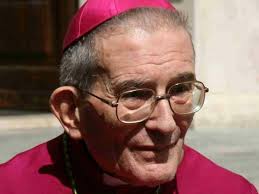
Capovilla

The oldest of the newly appointed Cardinals at 98, likely the oldest person ever appointed a Cardinal. Archbishop Capovilla was renowned for being the long-time private secretary to Blessed Pope John XXIII.

As the aforementioned Pope will be canonised this coming April, it is an obvious nod to his memory that Archbishop Capovilla, coupled with his long and dedicated service, that he is made a Cardinal.


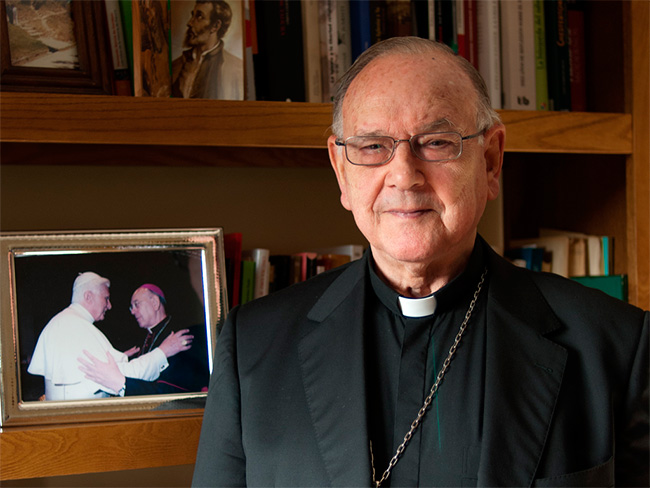
18. Archbishop Fernando Sebastian Aguilar, C.M.F., Metropolitan Archbishop Emeritus of Pamplona y Tudela (Spain) – 84

fernando-sebastian


19. Archbishop Kelvin Edward Felix, Metropolitan Archbishop Emeritus of Castries (Saint Lucia) – 80
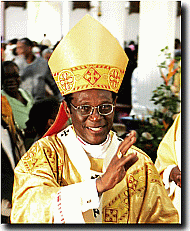
rev_felix

Another appointee for the Caribbean region, even though being over 80, it was rather honorary in nature, but nevertheless it was to highlight the importance of the New World in the Universal Church.